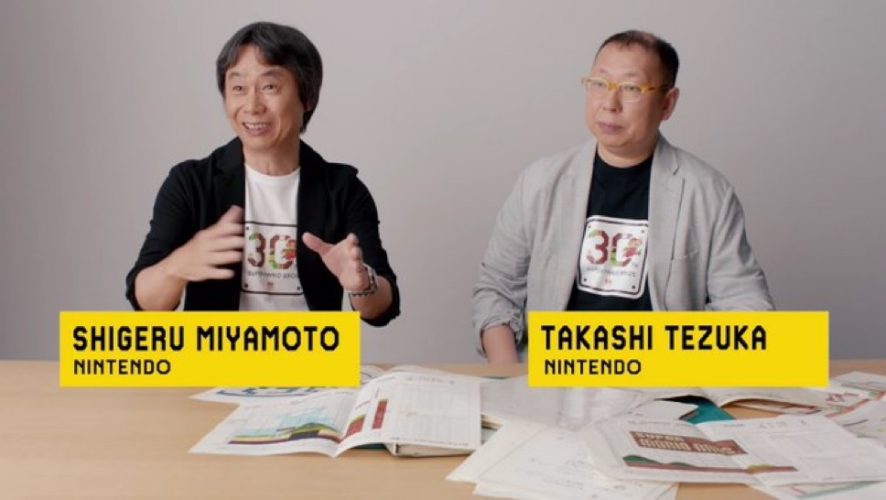
For decades, few creative figures have shaped Nintendo’s identity quite like Takashi Tezuka. The company recently announced that he will retire this year from his role as Executive Officer on June 26. With reports surrounding his retirement from Nintendo, longtime fans are reflecting on a career that helped define not only Nintendo itself, but the very soul of The Legend of Zelda. While names like Shigeru Miyamoto are often most closely associated with Zelda, Tezuka’s creative fingerprints are deeply embedded in nearly every era of the series.
Tezuka was there from the beginning. As one of the key developers behind the original The Legend of Zelda and Zelda II: The Adventure of Link, he helped establish the sense of mystery and adventure that would become the franchise’s trademark. His influence expanded further with The Legend of Zelda: A Link to the Past, a title many fans still consider one of the greatest games ever made. The game’s layered world design, emotional storytelling, and balance of exploration and puzzle-solving became the blueprint for Zelda titles for decades to come.
Throughout the 1990s and 2000s, Tezuka continued serving as a guiding creative force across Nintendo’s biggest projects, including involvement in landmark Zelda entries such as Ocarina of Time and Majora’s Mask. Even as his role shifted more toward producing and mentorship, his design philosophy remained visible: worlds built around curiosity, gameplay systems that rewarded experimentation, and stories that trusted players to discover meaning on their own.
For Zelda fans, Tezuka’s retirement feels less like the departure of a single developer and more like the closing of a remarkable chapter in gaming history. His work helped transform Zelda from a simple fantasy adventure into one of the medium’s most beloved and influential franchises. Generations of players grew up uncovering secrets in Hyrule without ever realizing just how much of that magic came from Takashi Tezuka’s quiet but enormous creative influence.