The Mario and Zelda series are two of the most influential and iconic franchises in video game history. Although to this day I cannot conquer World 8-4 nor defeat Ganon on my first try, my childhood was filled with bliss as I explored the vast and dangerous world of Hyrule and conquered enemies of the Mushroom Kingdom. Not only did Super Mario Bros single-handedly revive the video game industry in the late 1980s, but The Legend of Zelda also defined the open-world action genre.
As I played more games in both series, a pattern slowly began to develop: Enemies and characters that I remembered from the Mario series kept appearing in Zelda games. I first noticed this paradigm while playing Link’s Awakening. Early on in my adventure, the grand prize of the crane mini-game was a Yoshi doll.

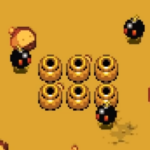
I loved it. With each new Zelda installment, I searched high and low for signs of a Mario cameo. Much to my delight, I discovered Jumpman posters in A Link to the Past and Ocarina of Time, as well as Thwomps and Bob-ombs in Four Swords Adventures and The Minish Cap, respectively. I just assumed that Mario characters would continue to randomly appear in Zelda games.
But recently I learned a truth that shook me to the core. After nearly 30 years of playing Mario and Zelda titles, I learned that Shigeru Miyamoto had tricked me. Certain characters and enemies that appeared in Mario games were originally intended for Zelda titles.
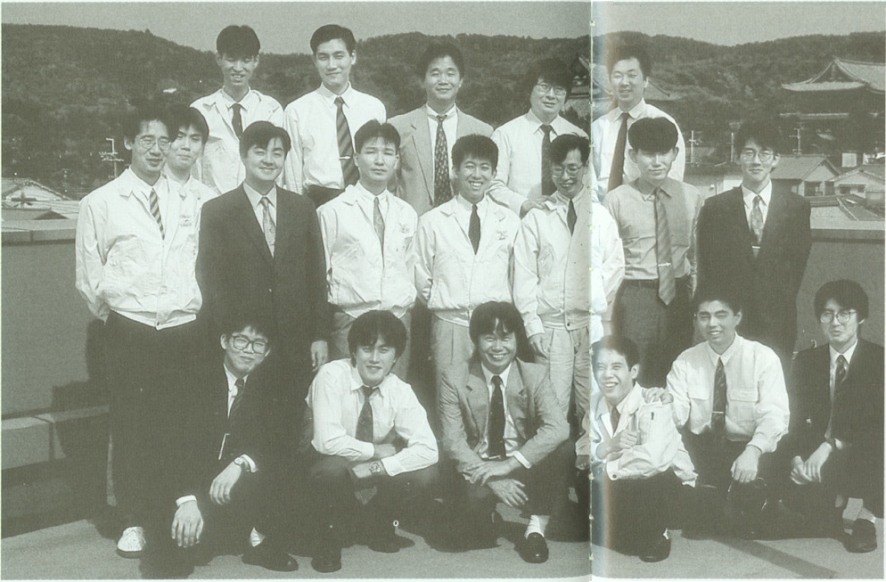
In a 1991 interview with Japanese publisher Shogakukan, Miyamoto and crew explained the limitations of the Nintendo Entertainment System’s 8-bit hardware when developing The Legend of Zelda. Due to the game’s open-world system, several characters and concepts that were originally intended for The Legend of Zelda were scrapped in an effort to save memory for the open-world.
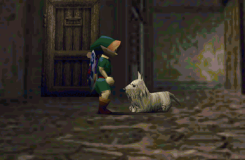
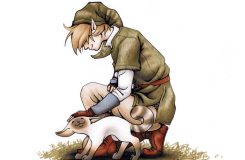
For example, director Takashi Tezuka explained, “We’d had concept art for Bow-Wow lying around for a while. We’d put it aside thinking we might make use of it if we could, but someone discovered it and ended up using it for their own purposes.”
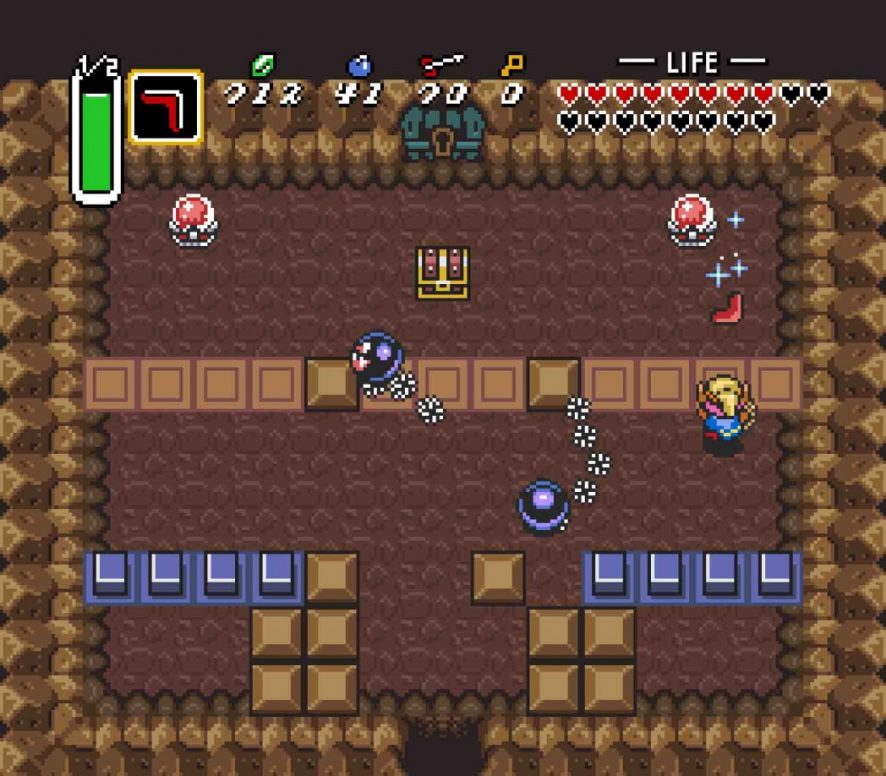
That “someone” ended up being a developer for Super Mario Bros 3. The Bow-Wow name morphed into the infamous Chain Chomp, which is first seen in world 2-5 of Super Mario Bros 3. This revelation got me thinking: What other characters and concepts were Miyamoto and Tezuka forced to abandon in The Legend of Zelda? What else had that shady plumber stolen from the Hero of Hyrule?
The answer to these questions is twofold: rotational fire bars and grass physics. Both are significant concepts that were originally intended for The Legend of Zelda but are ultimately connected to the Mario series. Tezuka explained, “To tell you the truth, fire bars were originally made for Zelda. They were a lot of fun, so we used them in Mario too.”
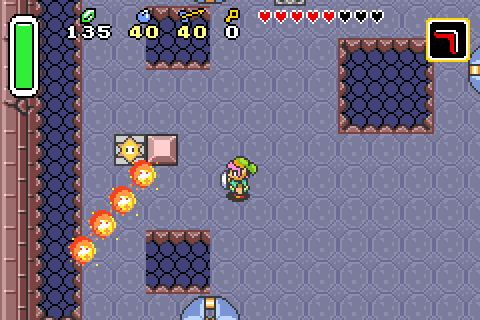
Fire bars are scattered throughout the original Super Mario Bros. game and remain a staple of the series; however, they were originally intended as Legend of Zelda assets. Even Miyamoto recognized this phenomenon when he replied, “Now that you mention it, it was Mario that did the ripping off. There were things we couldn’t use in the first Zelda, you see, but as time passed and the statute of limitations was about to expire, we thought about using them again and ended up implementing them in this game.”
The next concept that Mario stole is grass physics, which directly correlates to Super Mario Bros 2. Better known in Japan as Doki Doki Panic, this Mario sequel is known for plucking vegetables from the ground and hurling these objects at enemies. But this concept was initially intended for The Legend of Zelda. Tezuka explains, “I had the idea early on, but was undecided on how to put it into practice.”
Doki Doki Panic was the first to put this concept into practice, but A Link to the Past was also able to incorporate grass physics thanks to the Super Nintendo’s more powerful 16-bit hardware. Tezuka explained the challenges of incorporating this element into A Link to the Past when he explained, “It took a lot of effort. Mostly, there was the problem of whether we’d actually be able to draw it in Zelda 1‘s perspective. Once we tried, though, it turned out.”
So there you have it. Mario, in the midst of his charm and appeal, stole several ideas and concepts from the Hero of Hyrule. Perhaps Link has a few skeletons of his own in the closet, but for now, Mario is the culprit. Best slide down a warp pipe, Jumpman, for your dubious deeds have been exposed.