In my previous article, we only just scratched the surface of the many, many location-name Easter eggs in Breath of the Wild. With such an enormous
I make no promises, and it’s possible for me to miss some. I’m doing my best guys. There’s a lot of ground to cover. Literally.
Faron
Faron, with its location name originally stemming from Twilight Princess (much like Eldin and Lanayru), is a dense jungle in Breath of the Wild.
Many names in this area are plays on words rather than Zelda Easter eggs — which is just as fascinating, but also not what this article is about.
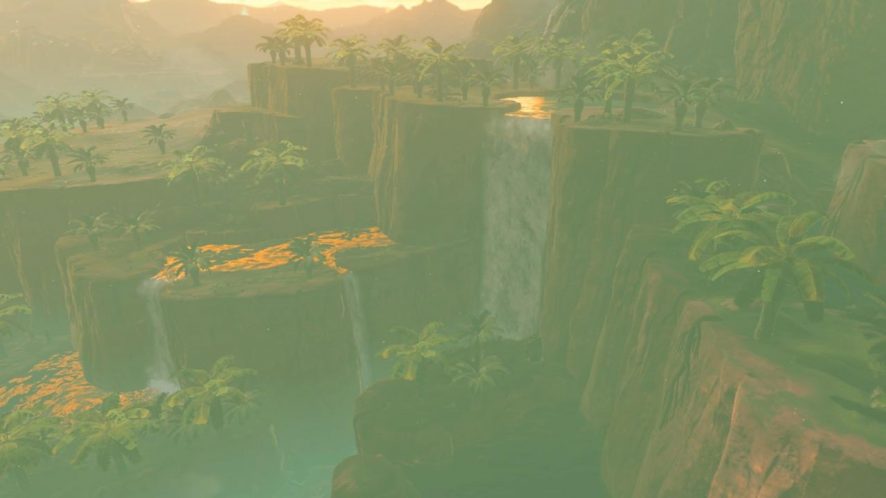
• Breman Peak: Breman Peak is named after the Bremen Mask from Majora’s Mask. In its title of origin, this mask can command animals to follow Link with a melody. If only you could find the mask in this location as well; that would make hunting a lot easier.
• Courage Steppe: This location is in reference to courage, (clearly,) as it has always been an important part of the Zelda lore. Link is the holder of the Triforce of Courage and it has always been tasked to him in every game to obtain the divine item.
• Stinger Cliffs: Stingers are monsters found in Ocarina of Time. They resemble real-world stingrays and reside within aquatic environments, primarily Jabu-Jabu’s Belly and the Water Temple (two of my least favorite dungeons, which is probably why I did not remember what these things were at first glance).
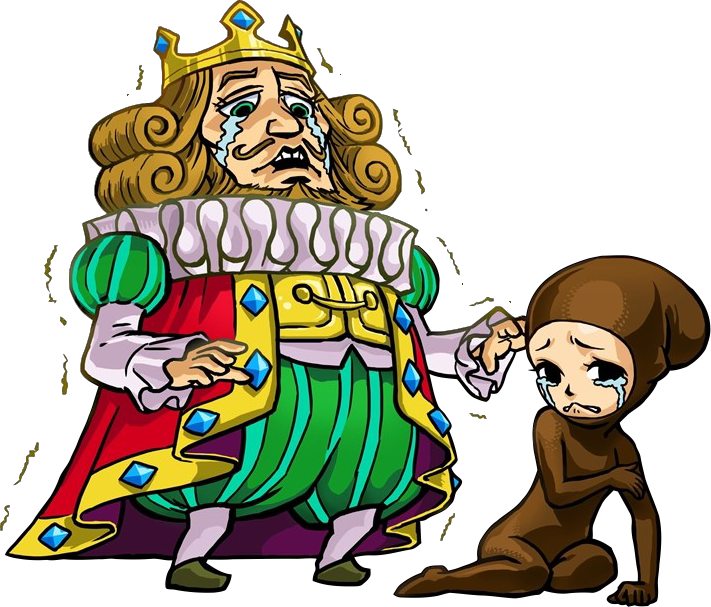
• Tuft Mountain: If you recall in our last article, a common pattern in mountain naming is having them named after kings. Well, this mountain is no different, having its name derived from King Tuft, ruler of Hytopia in Tri Force Heroes.
• Koholit Rock: This area is named after Koholint Island from Link’s Awakening, where he washes ashore after a dark and stormy night.
• Martha’s Landing: So Martha’s Landing in Breath of the Wild is named after Martha’s Bay in Link’s Awakening. In Link’s Awakening, Martha’s Bay is named after the Mermaid you meet in that game, though her name is no longer canonically Martha. You following this?
• Toronbo Beach: As it only makes sense to name such tropical locations after areas from Link’s Awakening (which takes place on an island), Nintendo decided to name this beach after Toronbo Shores.
Gerudo Wastelands
There are two Gerudo-named territories in Breath of the Wild, both stemming from Ocarina of Time’s Gerudo Desert. Since then, many deserts have taken this name whether the actual Gerudo race was present or not. That being said, the Gerudo Wastelands has Easter eggs alluding to Gerudo women and desert locations of the past. The Highlands do not have any significant Zelda references other than the ones to ore you might find in the game, such as emeralds, sapphires, and opal, which is why we will only be covering the Wastelands.

• Arbiter’s Grounds: A callback to the desert dungeon of Twilight Princess, home of demonic Poes, the Twilit Fossil Stallord, the Mirror of Twilight, and lots and lots of quicksand.
• Koukat Valley: This location is a mash-up of the two sisters who make up Twinrova, Koume and Kotake. These witch sisters made their debut in Ocarina of Time with the Gerudo tribe, but have appeared in other titles as well such as Majora’s Mask and the Oracle games.
• Mount Nabooru: This mountain is specifically named after Ocarina of Time’s Nabooru. Nabooru was the Spirit Sage who rebelled against Ganondorf.
• Spectacle Rock: Spectacle Rock is a reoccurring location throughout The Legend of Zelda, originating way back in the first Zelda game. Since then it has appeared in The Adventure of Link, A Link to the Past, and it is renamed in The Wind Waker as Spectacle Island. It’s also in Breath of the Wild now too, if that wasn’t clear.
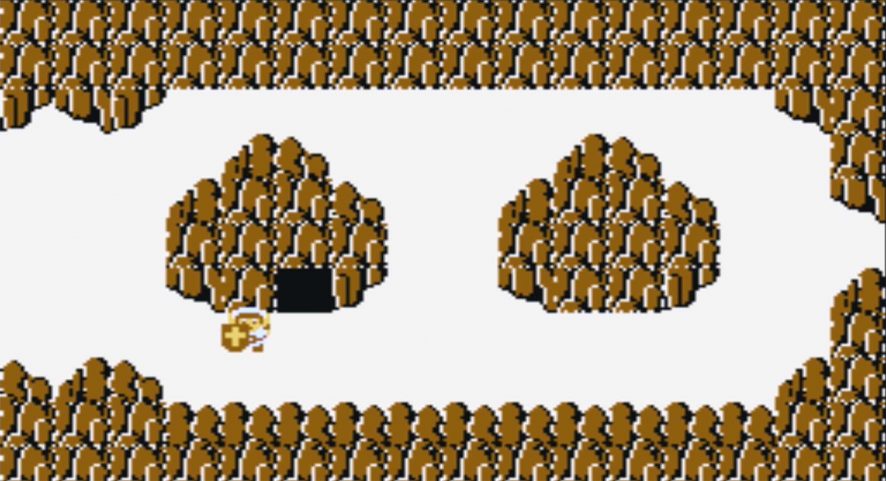
• Yarna Valley: Link’s Awakening sure gets a lot of love from this game; maybe we should have seen this remake coming by the sheer amount of references there are to it in Breath of the Wild! Anyway, this area is named for Yarna Desert found in (say it with me) Link’s Awakening.
The Great Hyrule Forest
The Great Hyrule Forest, otherwise known as the Woodlands, is home to the Great Deku Tree and the many, many Koroks that we find hiding all over the world. Forests are often one of the various locations we visit in multiple Zelda titles, so there is a multitude of references to characters and areas that correspond to these regions.

• Aldor Foothills: Koroks first appeared in Wind Waker before making their big return in Breath of the Wild, so of course there are many homages to them. Aldo is one of the original Koroks from The Wind Waker.
• Drenan Highlands & Mount Drena: Drenan makes reference for the name Drona, another Korok from The Wind Waker. Why they are spelled two different ways, the world will never know.
• Elma Knolls: Elma is another Korok from Wind Waker, and unlike the others so far, the name is spelled completely the same as in its original game.
• Lake Mekar and Mekar Island: These two areas are named after my most favorite little Korok in the world, Makar, from The Wind Waker. As an added bonus, the Korok mask is based on his design as well (as if you didn’t already know).
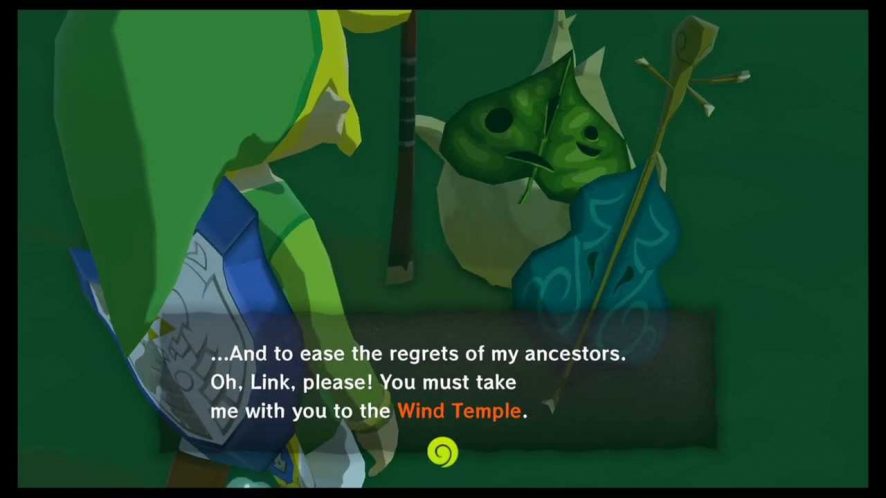
• Lake Saria: This was probably the first reference that really slapped me in the face during my playthrough, being a definite nod to Ocarina of Time’s Saria, the Forest Sage.
• The Lost Woods: The Lost Woods appears in many Zelda titles, starting with the very first one. In each game, it is a maze designed with specific instructions on how to clear it. One mistake and it’s back to the beginning! Including Breath of the Wild, the Lost Woods has appeared in nine games thus far!
• Mido Swamp: Ocarina of Time’s Mido, grouchy leader of the Kokiri, gets a swamp named after him in Breath of the Wild. I’d say it fits his personality quite well.
• Minishi Woods: This is a play on the word “Minish,” which is a race of tiny people who appeared only in The Minish Cap. They were originally supposed to appear in Breath of the Wild at some point, but to my disappointment, the concept was scrapped.
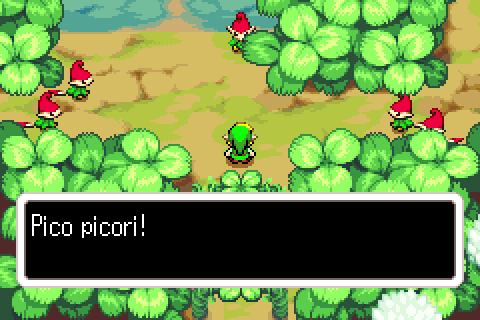
• Pico Pond: The Minish Cap is referenced again as Pico Pond is named after the Picori, which is the Hylian term for the Minish race.
• Rauru Hillside & Rauru Settlement Ruins: To shed a little light on the situation, both of these locations are given their names in reference to Rauru, the Sage of Light from Ocarina of Time. See what I did there? Of course you did. Please keep reading anyway. I’m sorry.
• Rowan Plain: Rown, a Korok from The Wind Waker, gets an “A” added to his name to create Rowan Plain.
• Trilby Plain: I must be dreaming with all of these Minish Cap references! Trilby Highlands was a location in said game that connected Hyrule Town and Mount Crenel.
The Great Plateau
The starting point of our hero once he is woken from his slumber, we could already start counting the references in this tiny area we once thought was so sizable at the beginning. There aren’t as many in this area as others; actually, just two as far as I can tell. Still, they are absolutely worth investigating.
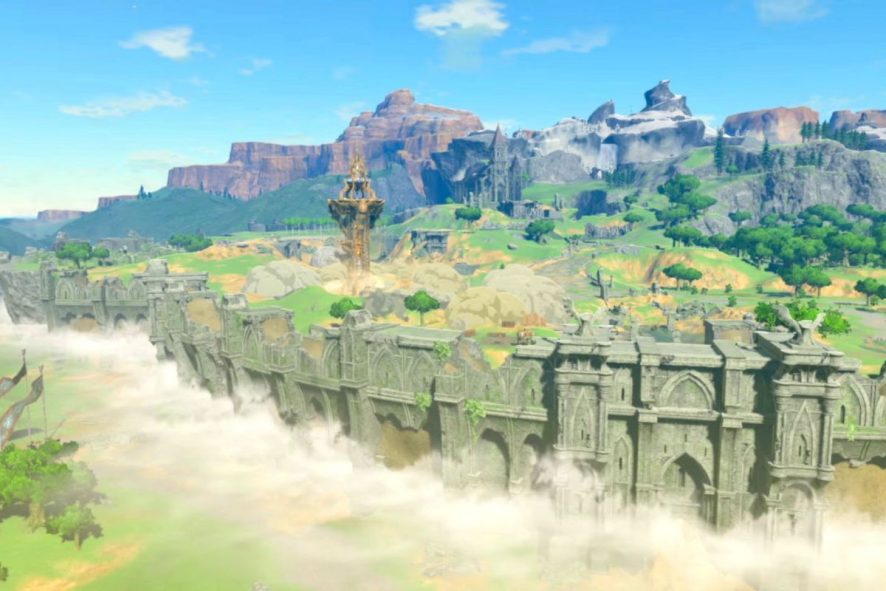
• Mount Hylia: Like the lake and river, Mount Hylia is named after the goddess Hylia. This is just my personal guess, but I’m thinking they named this particular one Hylia as it is probably the tallest thing on the Great Plateau, thus being closest to the heavens. I’m sure the comments section will tell me I’m wrong, just thought I’d share.
• Temple of Time: The Temple of Time first appeared in Ocarina of Time, then returned in both Twilight Princess and Skyward Sword. Unlike in previous installments, you do not travel to different points in time when entering the temple. It is in ruin and all that remains intact is a large statue of Hylia, carved in the liking of the Era of the Sky period.

We made it through another bundle of regions, but there’s still more to go! There’s East Necluda, Hebra, Lake Hylia, and more left to hunt for Easter Eggs within these location names! It’s going to take a lot of hard work and research, but it’s still a lot easier than finding all 900 Korok seeds.