It’s been a while, friends, but today we venture back into the seemingly endless map of Breath of the Wild, scavenging its surface for all the Easter Egg location names we can find. There has been a part 1. There has been a part 2. There will definitely be a part 4. As you can imagine, in this immense world, to list everything in one go would be quite the task. And so, the journey continues as we scour the regions of East Necluda, Hebra, Lake Hylia, and Lanayru.
Of course, I am only human, and as a great man once said, “I am Error.” I may not find all of the references as I wish to, but I will certainly do my darnedest to try!
East Necluda
East Necluda, also known as the Hateno region, resides in the southeast portion of Hyrule. Shocking, huh? East Necluda is home of many major locations that Link must travel to in his journey — that is, if you care about the story at all and haven’t just gallivanted off to fight Ganon once you received your paraglider.
Just like other previous regions, there are many nods and references to real-world trees and natural materials, such as how Ebon Mountain is named after Ebony. But let’s be real, that’s not what we want. We want some good ol’ Zelda references. We have Pokémon professors if we want tree references.
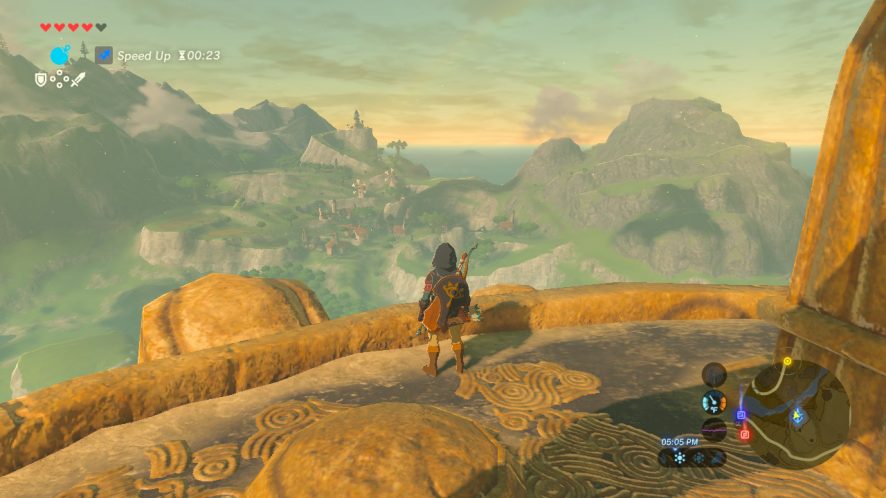
• Ginner Woods: Alright, this one isn’t technically a Zelda reference, but it was clever enough that I had to include it. Its name is the first in a progression of names for the wooded areas surrounding Hateno Village. Since this is the “beginners” woods, you won’t find many threats while exploring them.
• All Lanayru Locations: There are many provinces named after Lanayru, most notably Mount Lanayru and Lanayru Promenade. Lanayru was the serpentine light spirit in Twilight Princess whose name was derived from the goddess Nayru. Much like Eldin and Faron, the name Lanayru made appearances as both a spirit (er, dragon) and region in Skyward Sword.
• Midla Woods: Ginner was the beginning, so Midla is the middle. Some more advanced challenges can be found here, though not too threatening.
• Naydra Snowfield: Naydra Snowfield is named after the dragon who roams around the region. Naydra, just like Lanayru, takes elements from the name Nayru as well. Shocking, no?

• Peak of Awakening: This high and mighty mountain gets its name from Link’s Awakening, surely referencing the peak where the Wind Fish’s Egg resides. Of course, that was Mount Tamaranch, but, come on, how can this not be a reference to that?
• Pierre Plateau: Pierre is a scarecrow who appears in both Majora’s Mask and Ocarina of Time. Much like Bonooru, this must be one acclaimed scarecrow to get an entire area named after it generations after its time.
• Retsam Forest: The final piece of this little puzzle we’ve been piecing together. Retsam Forest is the master level forest (it’s literally “master” spelled backward). If we want to make it more Zelda related than general gaming; Master, Master Sword, done.
• Spring of Wisdom: We’ve already included locations about courage, so let’s look at wisdom, which is another piece of the Triforce. This piece, in particular, is possessed by Zelda in an assortment of games dating back to the very first. This is why this spring is specifically visited by Zelda in this game on countless occasions when learning to awaken her powers.

Hebra
The Hebra region is on the opposite end of the map from East Necluda, so if you were paying attention to my opening paragraph before, that would be the northwest. The Rito village is a little further southeast, but there are some general bird anagrams lying around; for instance, Biron Snowshelf makes references to a robin.

• Mount Hebra: While Hebra was the name given to the region itself, it is this particular location that bares a sneaky reference. In the Japanese edition of A Link to the Past, Death Mountain in the Dark World was known as Mount Hebra, whereas in the English versions it was Death Mountain no matter which world you traveled to.
• Talonto Peak: While it’s not officially clear if this is a reference, I can’t help but think this may be a reference to Talon, the father of Malon in Ocarina of Time and other titles. Or maybe Toronto, Canada. It could be either, really.
Lake Hylia
Lake Hylia is often Hyrule’s largest freshwater hotspot and has made appearances in games such as Ocarina of Time, Four Swords Adventure, Twilight Princess, and more. It’s often hiding a temple or has a few Zora hanging around; generally good things happen at Lake Hylia. It is a place named for the goddess, after all. This region can be found directly south of the Great Plateau.
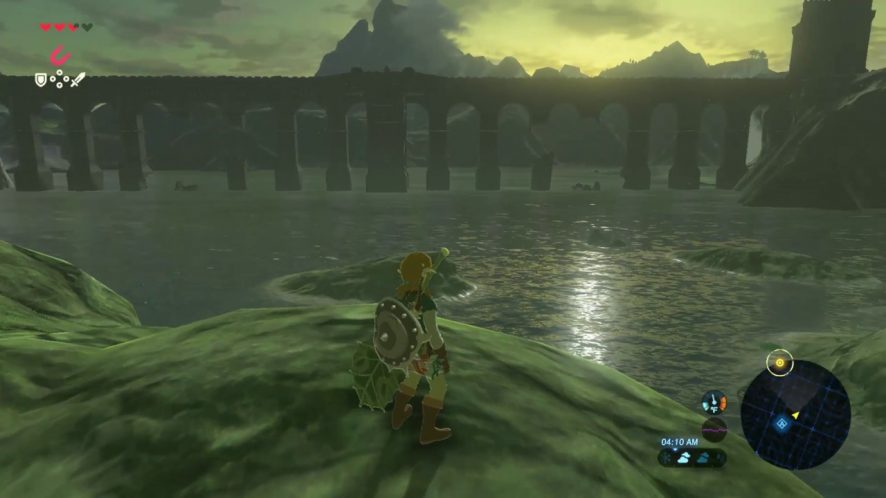
• Bridge of Hylia: While it may seem obvious to name a bridge after the lake it’s built across, the Bridge of Hylia actually hails from another game. The Great Bridge of Hylia originated in Twilight Princess as an extensive bridge that crosses over the chasm that houses Lake Hylia. Like seriously, it’s no wonder you need a canon to get yourself out of there.
• Dracozu Lake & River: I don’t know if it’s a cheat or not, but we’re running low on references and I’m going to include it anyway. Dracozu Lake and River are derived from the word “draco”, which is latin for dragon. The dragon Farosh can often be seen around Lake Hylia, so this might be alluding to its appearance. As another fun gag, there’s also Damel Forest nearby, which is a play on the word “damsel”. Get it? You get it.
• Faron Woods: We’ve gone in detail about where Faron comes from in the past two articles, but the Faron Woods in particular is also a previous location originating from Twilight Princess and has gone on to appear in Skyward Sword as well. You may remember it as the first area outside Ordon, where Link is pulled into the Twilight Realm for the first time and is transformed into a blue-eyed beast. Or you may remember it for the monkeys. That was a thing.

• Horse God Bridge & Lake of the Horse God: A location I am terrified to visit ever again, Horse God Lake is named after the Horse God, Malanya, who lives there. Malanya will revive horses that you have lost in battle, but threatens you if he believes they were mistreated: I swear, I was pushed off the cliff while riding my horse by a crazed Bokoblin! RIP Doritos the horse.
• Malanya Spring: Again, a reference to the actual name of the Horse God as this is the spring in which he can be found.
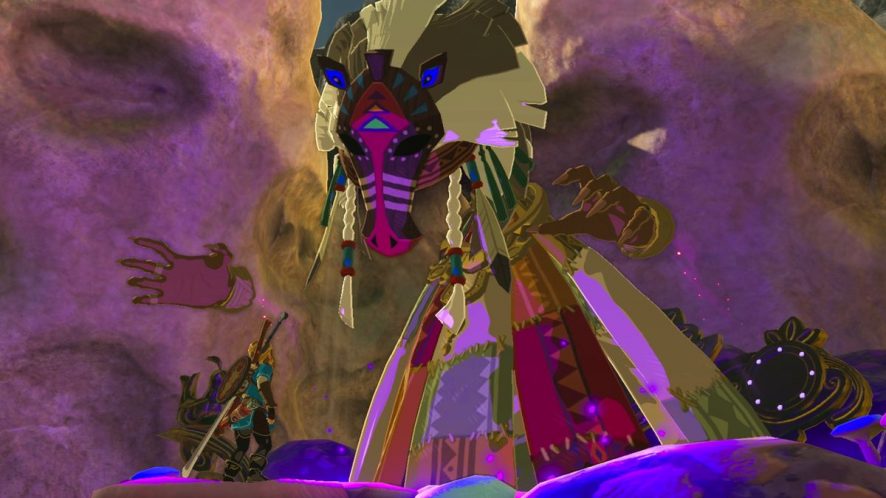
• Pappetto Grove: Papetto Grove gets its name from the word puppet. Now I’m not talking about your cute “Pinocchio” puppets, I’m talking about those little creeps Skull Kid summons to follow you around in Twilight Princess’s Sacred Grove.
Lanayru
We’ve previously covered the origins of Lanayru while exploring East Necluda’s references, so no need to repeat myself. However, as to not bore you, here’s a fun fact: Though Lanayru in Twilight Princess was the first game of appearance, he was actually named after the dragon from Skyward Sword since chronologically he came first. The more you know.
Anyway, being home of Zora’s Domain, this region is filled with some good references to our favorite fish folk and I don’t have to scrape the bottom of the barrel to find even the tiniest reference anymore! We’ve got a lot of good ones coming up!
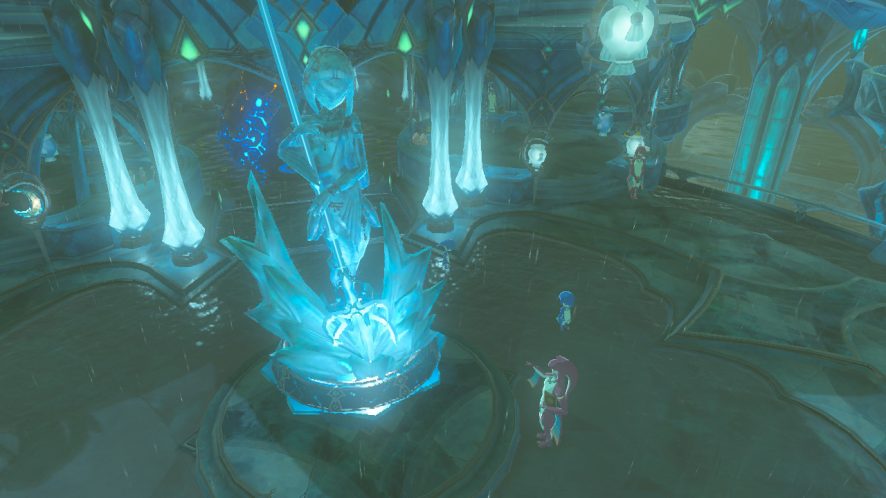
• Ankel Island, Davdi Island, Knuckel Island, and Tingel Island: I’m grouping these all as one as this chain of islands is named after Tingle and his brothers (well, two of them are his brothers, one guy is technically being held there against his will), Ankle, Knuckle, and David Jr. They can all be seen on Tingle Island in The Wind Waker.
• Bannan Island: This island’s name was taken directly from Phantom Hourglass, and I am deeply disappointed that it was not in the shape of a banana as I had originally thought.
• Brynna Plain: This location gets its name from Labrynna. Oh yes, we actually have an Oracles reference! Labrynna is the land in which Oracle of Ages takes place.
• Crenel Peak: Crenel Peak was named after another Hylian hilltop, Mount Crenel from The Minish Cap.
• Goponga Island & Goponga Village Ruins: Both of these locations names originate from Goponga Swamp, found in the world of Link’s Awakening.
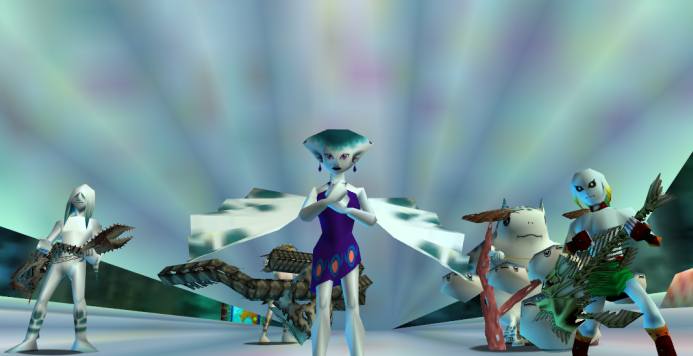
• Inogo Bridge: This bridge was sponsored by the Indigo-Go’s! Playing now in Clock Town, limited 3 day offer! Buy your tickets now!
• Ja’Abu Ridge: Ja’Abu Ridge is a nod to Lord Jabu Jabu, first appearing in Ocarina of Time and returning in Oracle of Ages, though he hasn’t been seen ever since. Nothing against Jabu Jabu, but thank you, Nintendo, for not making me go into any more fish guts.
• Linebeck Island: Linebeck Island, named after the one and only, greatest treasure tracker in all the Great Sea, Phantom Hourglass’s very own Captain Linebeck the great. I added the great part. ‘Cause he is.
• Lodrum Headland: Just as Brynna Plain is named after the setting of Oracle of Ages, Lodrum Headland calls back to the land of Holodrum from Oracle of Seasons.
• Lulu Lake: Lulu is the lead singer of the Indigo-go’s in Majora’s Mask, and is definitely not Ruto.
• Luto’s Crossing: Luto is Laruto crammed together, smushing the “r” and “u” completely. Laruto is the sage of the Earth Temple in The Wind Waker.
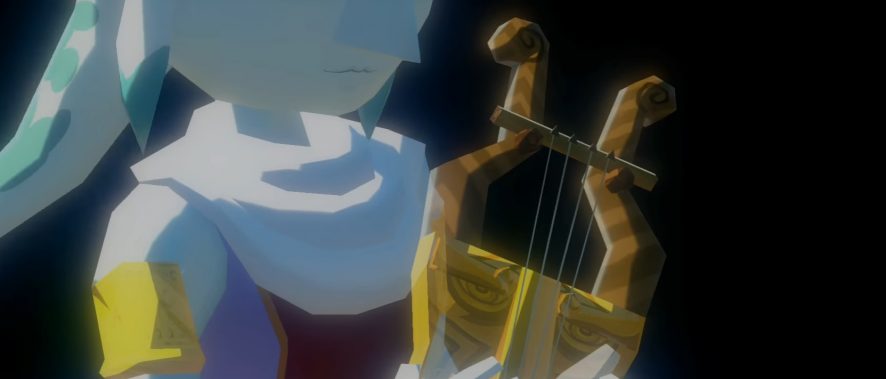
• Mercay Island: Mercay Island is where Link finds himself after losing Tetra to the Ghost Ship in Phantom Hourglass. In Breath of the Wild, it’s more or less a speck on the map.
• Mikau Lake: Mikau is another member of the Zora Band, the Indigo-go’s. This poor soul lost his life to pirates, but his memory lives on in generations to come as we see here.
• Molida Island: It appears we’ve reached the Phantom Hourglass portion of this segment because here’s yet another homage to the game. Molida Island also originated from Phantom Hourglass.
• Oren Bridge: Oren, who this bridge is named after, is the Queen of Zora’s from A Link Between Worlds as well as one of the seven sages.
• Ralis Pond: A tiny pond named for a tiny prince. Ralis is the Zora prince that Link rescues in Twilight Princess.

• Rebonae Bridge: Remember that trend in central Hyrule, naming bridges after bosses in Adventure of Link? It’s back! Rebonae is named after Rebonak.
• Rutala Dam & Rutala River: Both locations here are named after Queen Rutela, the late mother of prince Ralis.
• Ruto Mountain, Ruto Lake, & Ruto Precipice: Ruto mountain and Ruto Lake are named after our favorite sassy fish princess, Princess Ruto. Ruto Precipice, however, is named after the village from Zelda II. (Is my sarcasm coming through?)
• Samasa Plain: It may not be hot and dry like its predecessor, but this location was named after Samasa Desert from Oracle of Seasons.
• Shrine Island: If you’re playing Breath of the Wild I’m sure you’re well acquainted with Shrines, so I don’t really have to explain this one to you.
• Spool Bight: Spool bight is named after autumnal Oracle of Seasons Spool Swamp.
• Tabahl Woods: Tabahl Woods is named after Link’s Awakening’s Tabahl Wastelands. It’s an area that bridges the cemetery to Tal Tal Heights. Speaking of…
• Tal Tal Peak: Cue the music. It’s Tal Tal Heights time. Except it’s now Tal Tal Peak. Play the music anyway. It’s a good jam.
• Talus Plataeu: One might think that the Talus plataeu is named after the giant Talus’s that appear in this game. Well, you’d be wrong. It’s actually a reference to Talus Peak in Oracle of Ages. But I GUESS it could also work for the Talus monsters too. Maybe.
• Tarm Point: Tarm point is named after a location in Oracle of Seasons, Tarm Ruins. With all these references, it’s nice to see that Nintendo didn’t forget about these games after all these years.
• Telta Lake: Jingle, jingle, jingle! Telta Lake is named after Tatl from Majora’s Mask! …Yeah, it’s no “Hey! Listen!” — Not that I’m complaining.
• Thims Bridge: Here’s an obscure one. Thims Bridge is named for Link’s Grandfather in The Minish Cap, Smith. What a creative name for a blacksmith.
• Toto Lake: Another member of the Indigo-go’s gets some recognition as Toto is the manager of the crew!
• Wintre Island: While Wintre is clearly a play on the word Winter, it may be referring more specifically to the Woods of Winter from Oracle of Seasons.
• Zauz Island: Zauz is named after the Phantom Hourglass blacksmith who helps Link forge the Phantom Sword.
• Zodobon Highlands: Zodobon Highlands is named after Do Bon, the King Zora from Ocarina of Time. I did not know he had an official name. All I know is that he takes forever to scoot off his throne. Mweep.
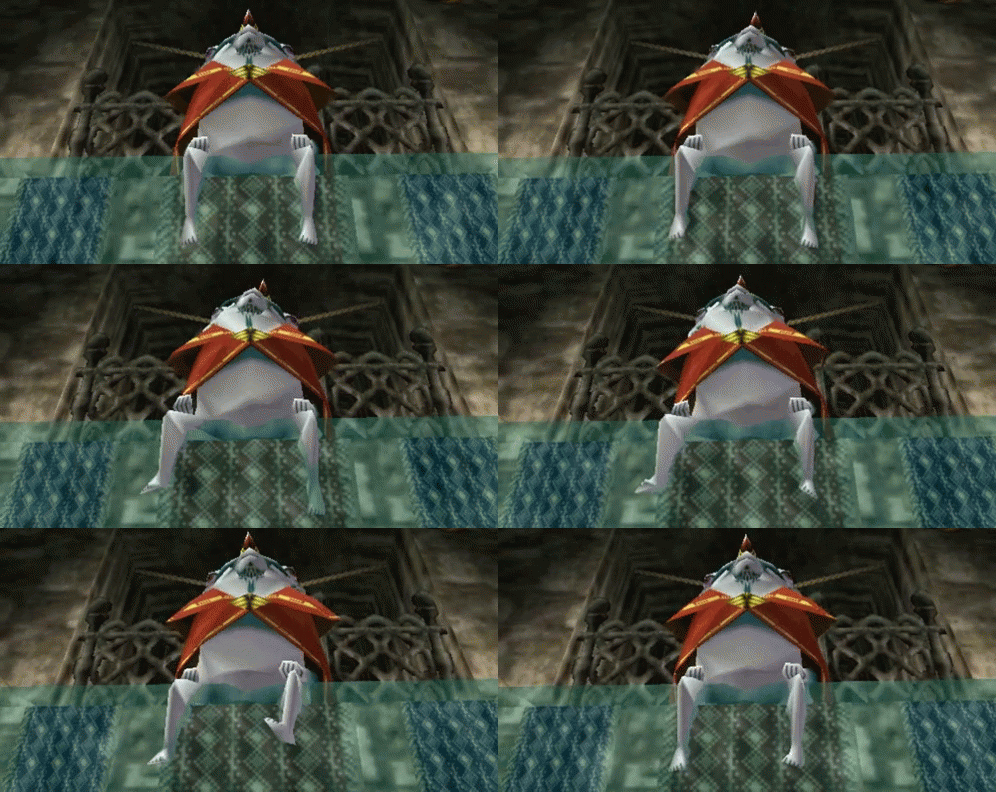
• All Zora Locations: Just as Goron locations are named for Gorons, Rito for Rito, and Gerudo for Gerudo, Zora locations are generally ruled by the race of the same name. The Zora have been around since the very first game, but have come a long way since then. They were once ugly aquatic fiends who spat rocks at Link and have now become a highly advanced race who are surprisingly attractive and make me question everything.
And we’re done! …Almost.
Just two more regions we need to explore and then we’ve uncovered every single location name easter egg that Breath of the Wild has to offer!
Make sure to check back for part 4!