In the final installment of our extensive look at the monsters in The Legend of Zelda TV series, we feature five enemies that only starred in a single episode. As short as their screentime may have been, their inclusion in the cartoon was no less surprising or exciting. The fact that the creators featured these new designs instead of relying on the same Moblins and Stalfos each episode also speaks to the effort that went into building the Zelda universe in an animated form.
If you missed part one, two, and three, this series explores each enemy of The Legend of Zelda TV series in the order that they appear, excluding enemies created solely for it (such as Tinsuits and Water Monsters). We will also be comparing their appearances and behaviors with those seen in The Legend of Zelda and Zelda II: The Adventure of Link — these were the only games released when the TV series aired, and thus served as the main inspirations for it.
Darknut
Appears in: “That Sinking Feeling”
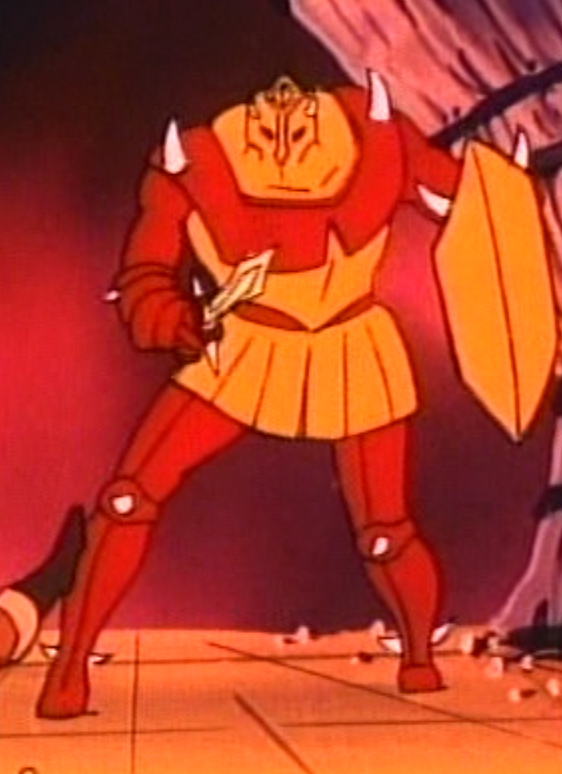
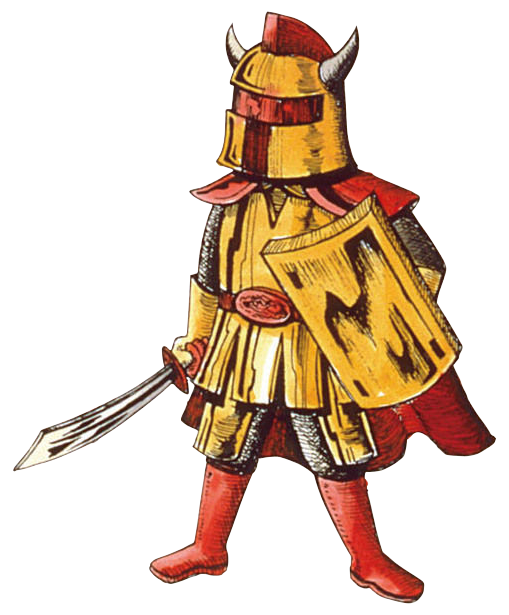
The Darknut from “That Sinking Feeling” is very close to the source material in terms of appearance, with the bold red-and-yellow palate intact and the signature sword and shield.
There is one notable difference, however, and that is in the design of the helmet. The official artwork and the sprite from the original Zelda game depict a cross-shape in the helmet, similar to that of medieval knights, while the cartoon version has individual eye holes. The cartoon version also has spikes on its shoulders and knees, similar to the horns on its head.
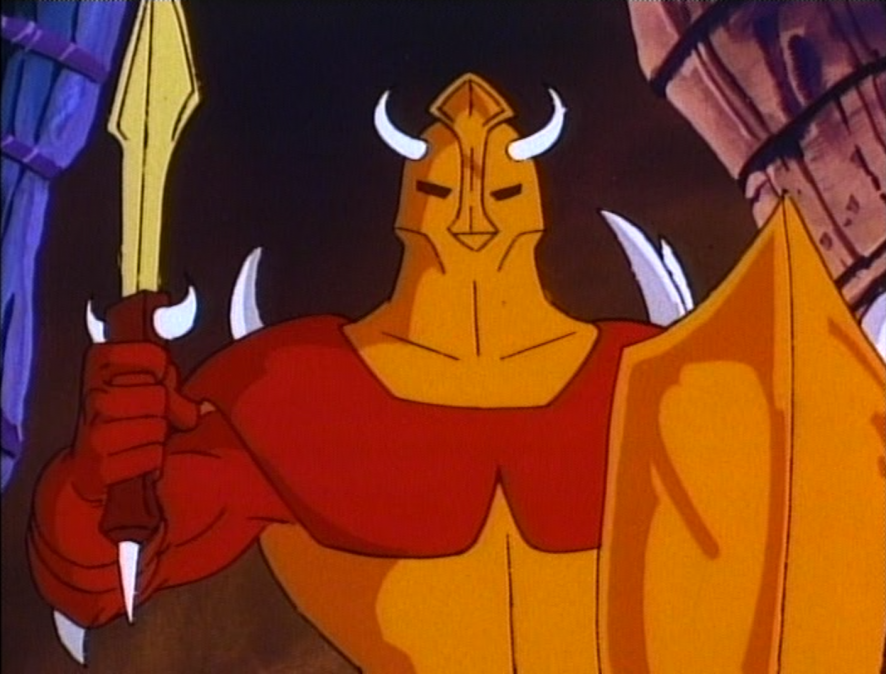
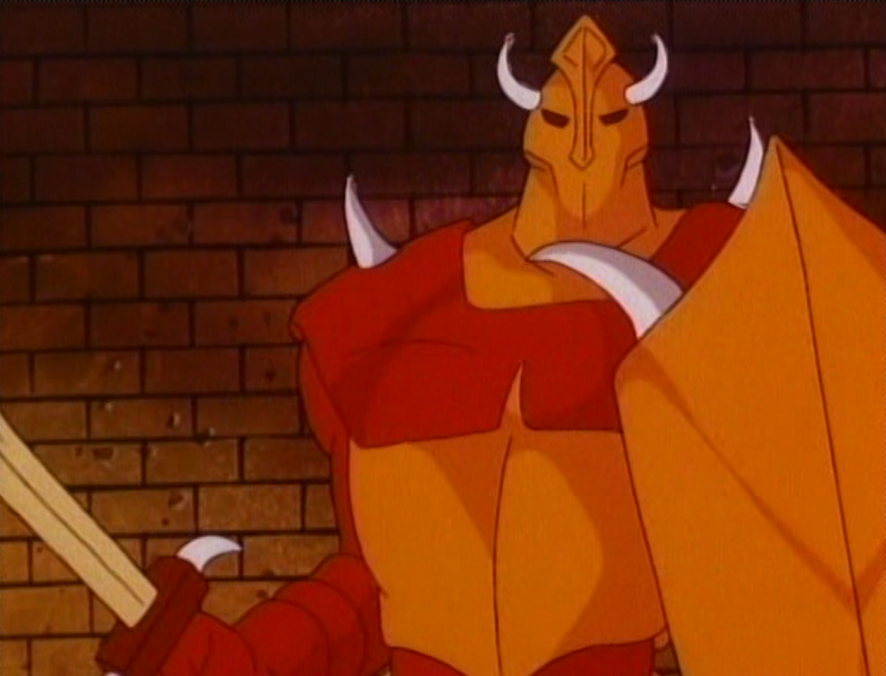
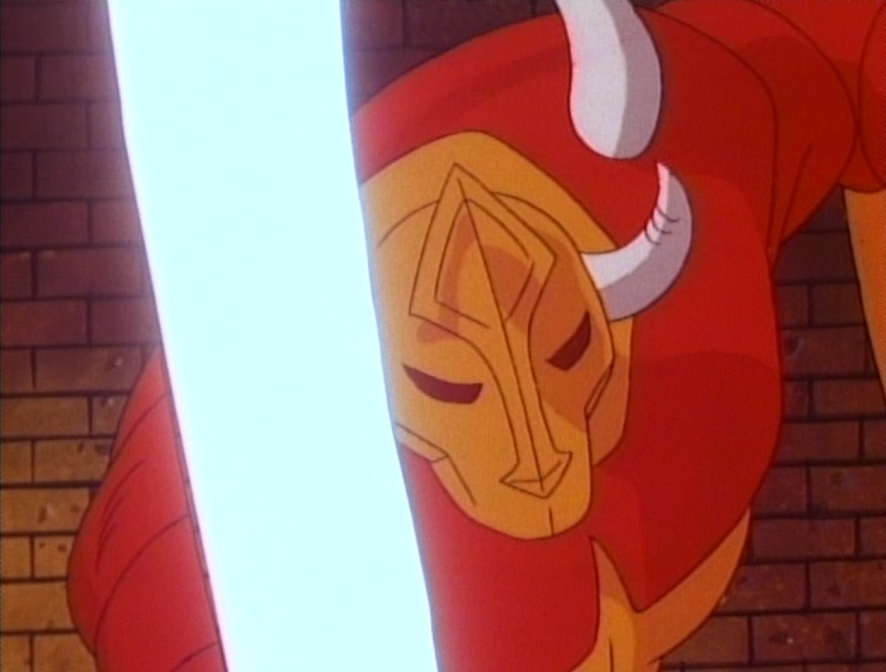
In The Legend of Zelda, Darknuts are invulnerable if attacked from the front due to their shields. This also appears to be the case in the TV series, as the Darknut is able to counter all of Link’s sword swipes. Link outsmarts his opponent by tripping it up and zapping it in the back.
This is one of the rare times in the cartoon that Link is seen engaging in a true sword fight. He almost always uses his Crissword to shoot sword beams rather than swing it around — presumably to tone down the violence in a cartoon aimed at children — but since the Darknut is equipped with strong armor, a sword, and a shield, Link’s swiping and slashing is met with the clank of metal.
Rope

Appears in: “Underworld Connections”
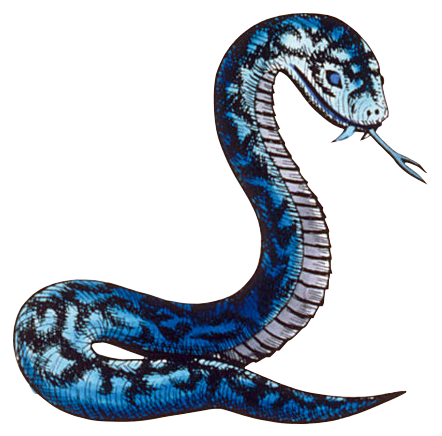
The Rope’s design is very simple in both the games and the TV series, as it resembles a real-life snake rather than a mythical beast. While the Ropes in the cartoon don’t have the blue-and-black pattern of the one depicted in the game’s manual, the orange color is, in fact, faithful to the in-game sprites. (Interestingly, there is no blue variant in the game anyway.)
The manual describes the Rope as “A poisonous snake that has made the labyrinths its home.” The episode of the cartoon that the Ropes appear in, “Underworld Connections,” presents the most labyrinthine part of the Underworld, and it couldn’t be a greater habitat for the creatures.
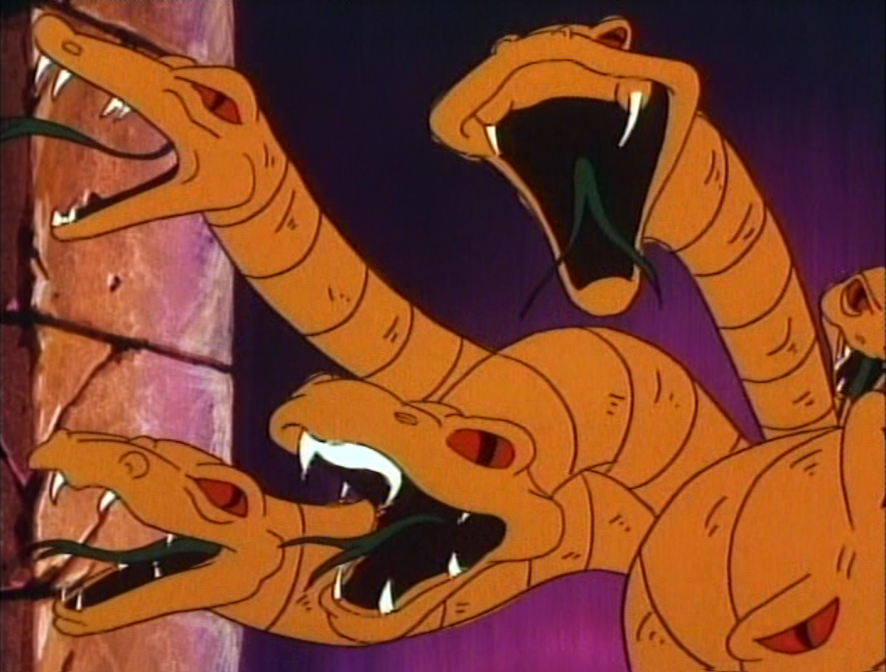
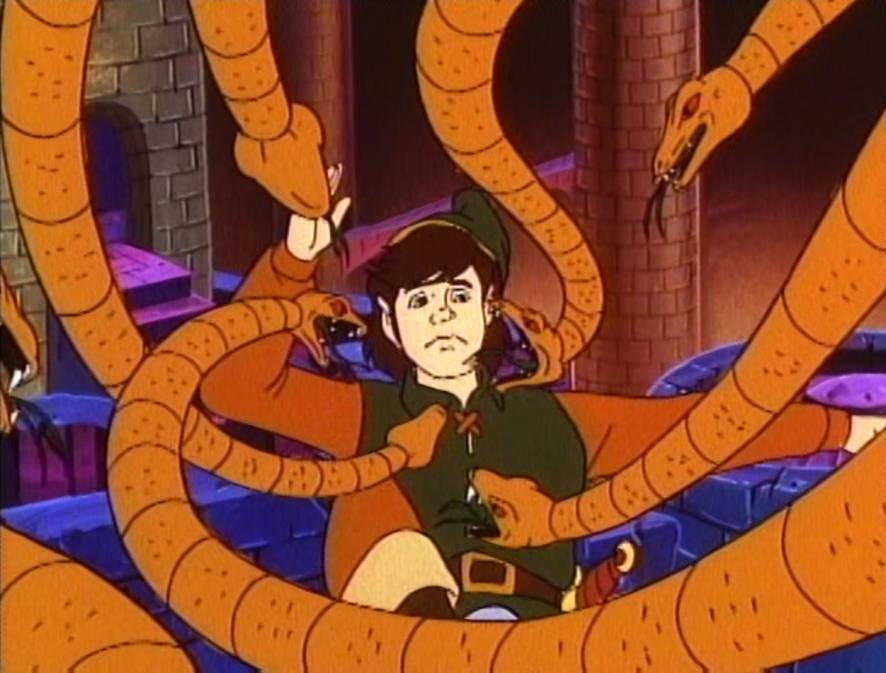
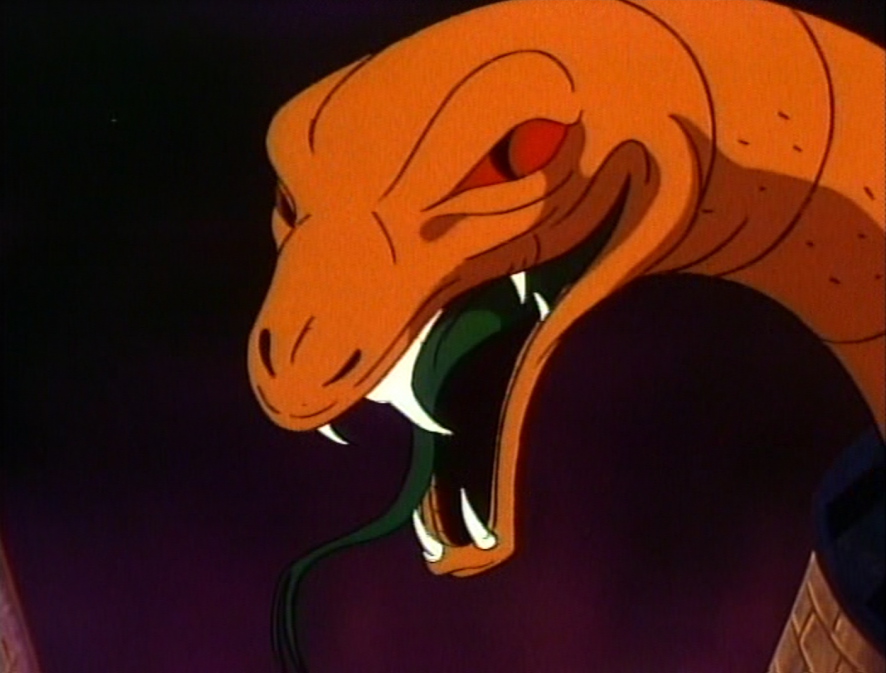
The manual also states that the Rope “senses other creatures quickly and suddenly comes after them (and Link, for that matter!) once it has found them out.” This is true of the creatures’ introduction in the cartoon, as they burst through a door rapidly and violently as soon as Link approaches.
Link zaps many of them one by one with his Crissword, but Zelda scolds him for doing so, as she is concerned that he may alert Ganon to their presence in the Underworld. Link ceases zapping, but it results in two of the Ropes wrapping themselves around him, leaving it up to Zelda to clear them away with her boomerang.
Aquamentus

Appears in: “Underworld Connections”
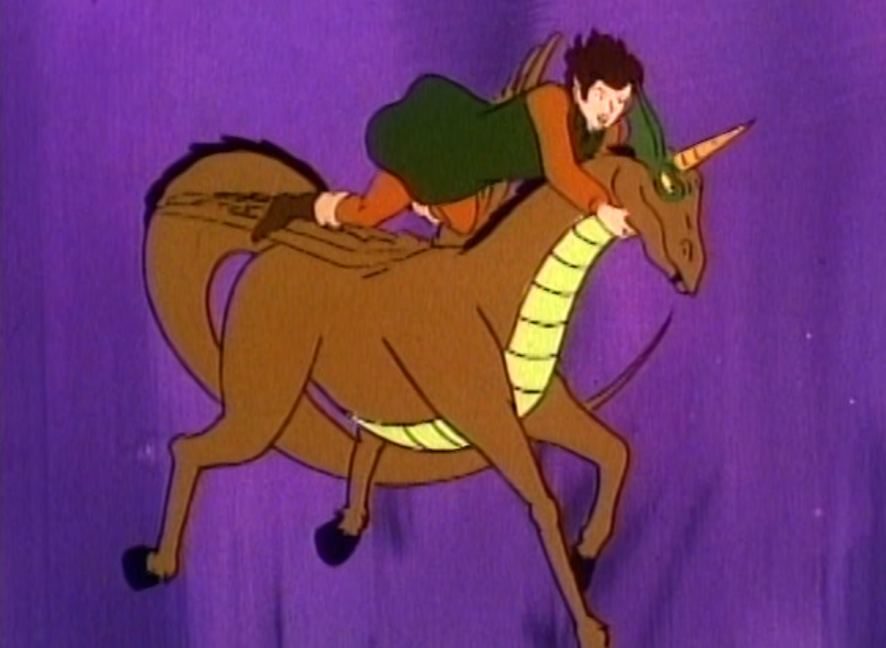
The Aquamentus is a recurring boss in the original Legend of Zelda game, described in the manual as “A type of dragon that some call a unicorn.” It also “emits mean beams,” though this attack is not seen in the cartoon.
The appearance of the TV series’ Aquamentus is mostly similar to the one seen in The Legend of Zelda’s artwork, though there are a few small differences. The cartoon version has a longer tail, hooves instead of toes, and its horn resembles that of a unicorn. It also neighs like a horse, further accentuating its unicorn traits.


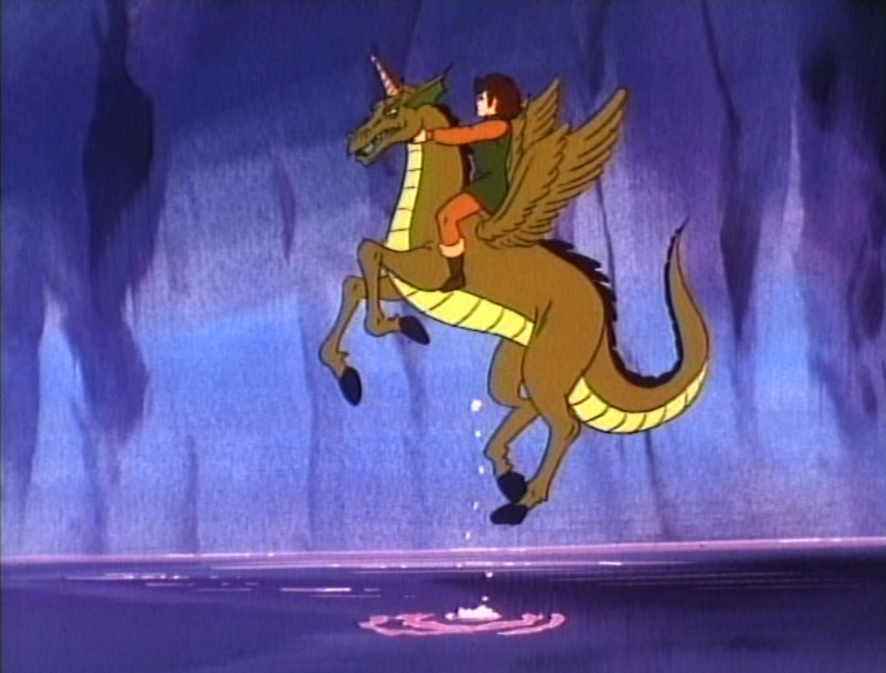
In the TV series, the Aquamentus is introduced underwater in the Underworld’s Black Falls, which suggests it is an aquatic creature. This makes sense, given the name, though it is a land creature in the original Legend of Zelda game (it is invulnerable to fire, however).
As Link retrieves a shard of the Triforce of Wisdom, the Aquamentus lurks out of an underwater cave and attacks him, taking him to the surface. Link rides on top of it as it flies in the air, struggling against it. Zelda defeats it by throwing a bomb underneath it, rescuing Link.
Patra
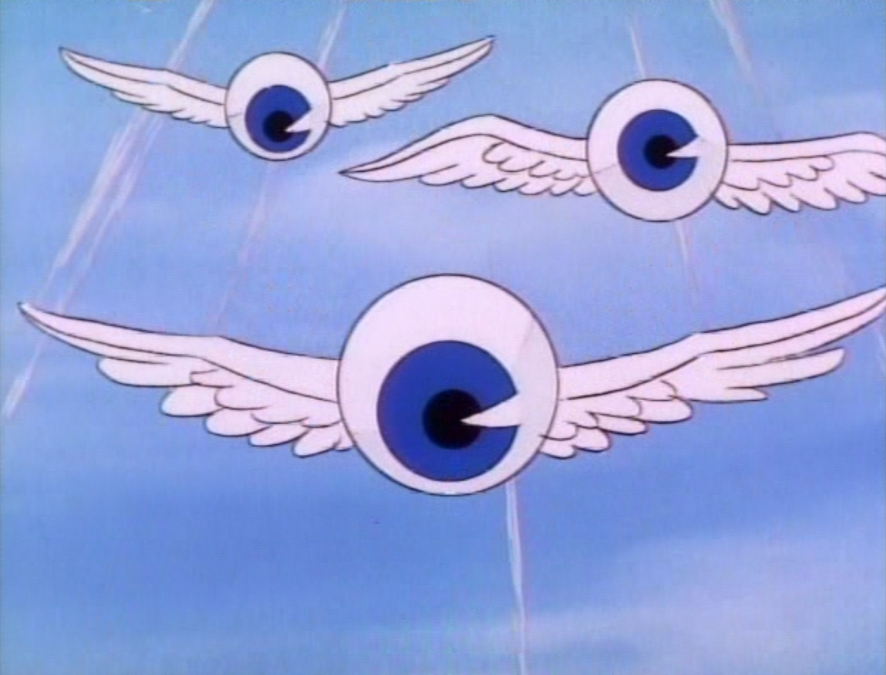
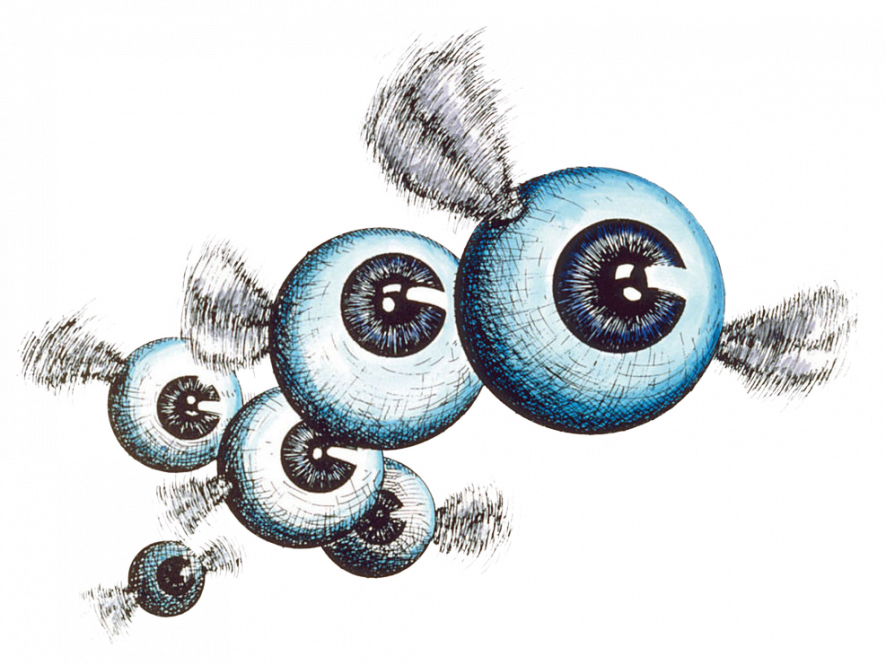
Appears in: “Stinging a Stinger”
“The Patra attack in groups” as The Legend of Zelda says, which is also evident in the fact that every time the player encounters them in the game, they are always found grouped in a circular pattern. The Patra also appear in a swarm in the cartoon.
Their design is quite straightforward, so there are no major differences between both versions. That said, the Patra may be the most freakish-looking monster in the TV series. No one wants to be attacked by a giant eyeball, let alone several that can fly at you.
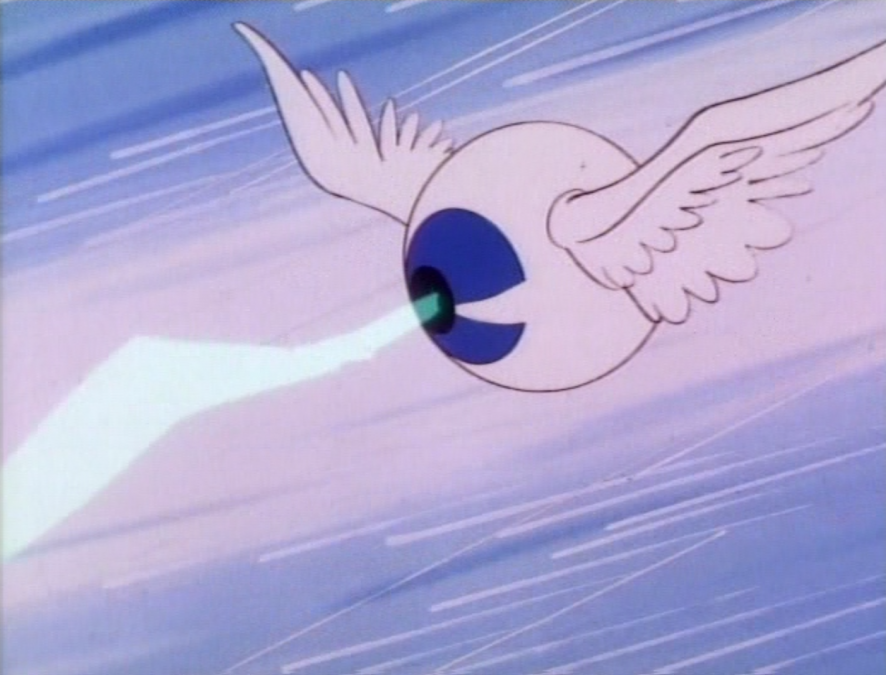
The Patra swarm appear near the beginning of the episode “Stinging a Stinger,” chasing Princess Zelda and shooting beams at her. Link arrives in time with his new sword “upgrade,” which he soon discovers is a fake given to him by a fraudster called Sleezenose. The sword breaks immediately when struck by a Patra’s beam, rendering Link helpless.
Link may have gone into the fight at a disadvantage, but the fact remains that the Patra are the only enemy to successfully take our hero down, allowing Ganon to swoop in and kidnap him and Zelda.
Dodongo
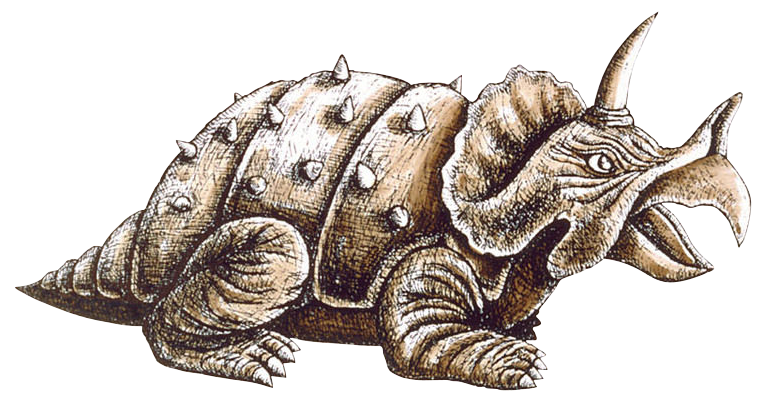
Appears in: “The Moblins are Revolting”
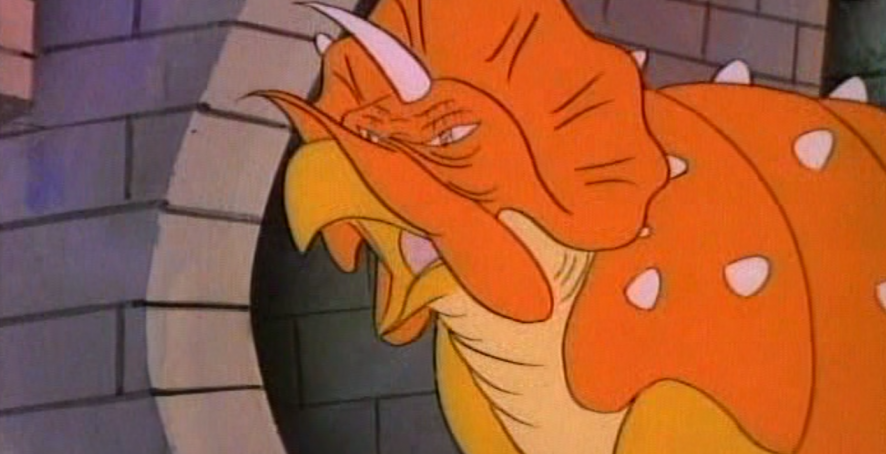
We finally arrive at the very last monster to be introduced in The Legend of Zelda TV series, and it’s a fan favorite. The Dodongo retains its Triceratops/rhinoceros-like appearance in the cartoon, with a yellow-and-orange palate instead of the light brown hide seen in the manual artwork — which makes sense, given that the game’s sprite was also orange, and that the bright colors look more appealing in a children’s cartoon.

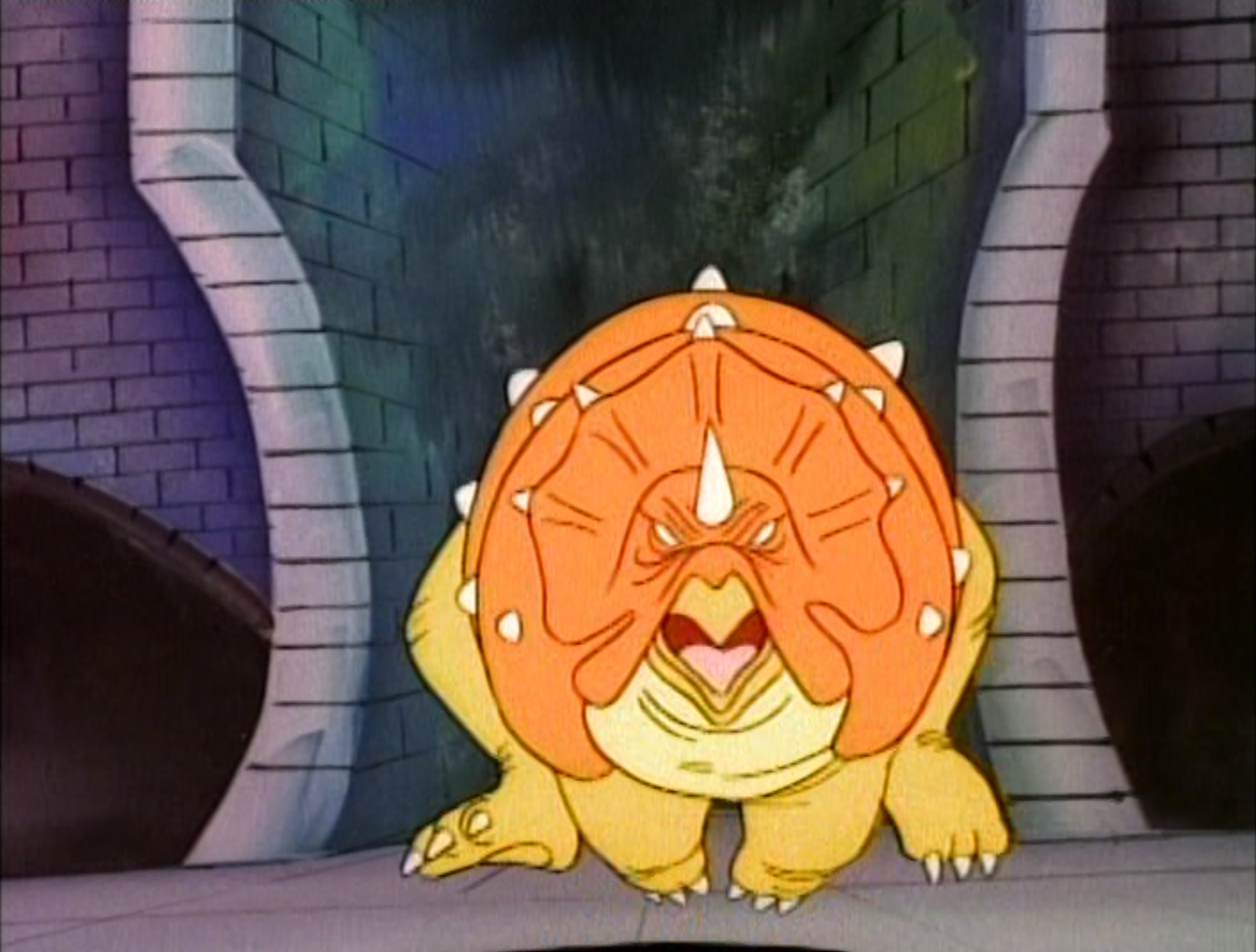

Towards the end of the final episode, Link and Zelda enter Ganon’s lair, after learning that the evil wizard has been overthrown by his minions and cast into the bottomless pit. Ganon’s monsters, meanwhile, are still failing to put a plan together to infiltrate North Castle, giving our heroes the perfect opportunity to claim the Triforce of Power at long last.
They are not as alone in the Underworld as they initially thought, however, with the rampaging Dodongo hurtling out from the darkness. As it charges towards the duo, Link attempts to zap the creature, but the beams deflect off of it. This is true to the original game, with the manual stating that “it bounces off attacks with its thick hide.” In another classic throwback to the game, Zelda defeats the monster by throwing a bomb into its mouth.
What’s that coming over the hill?
There are many more classic enemies I would have loved to have seen represented in the TV series, such as Wizzrobes, Manhandla, Like Likes, Wallmasters, and Peahats. However, I can’t deny that, during its one-season run, The Legend of Zelda TV series did an outstanding job of including a vast variety of monsters from the game series.
Considering only two Zelda games were available at the time of the cartoon’s first broadcasting run, it also speaks to the volume of adversaries included in the NES titles. The Zelda bestiary is more expansive than ever 30 years after the TV series aired, and continues to be a driving force throughout the franchise.
Credit to Zelda Wiki for all of the manual artwork.