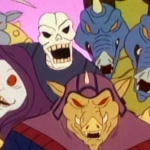
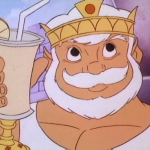
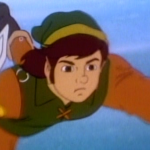
The enemies are by far my favorite aspect of The Legend of Zelda TV series. If you’ve caught any of our retrospective series of articles so far, you may have seen me get very excited whenever new monsters get introduced in an episode.
Being the real stars of the show, I felt it was only right to explore Ganon’s diverse gang of minions and compare their appearances and behaviors to those of the original Zelda games.
This trivia miniseries will take you through each enemy in the order that they appear in the cartoon, excluding enemies created solely for it (such as Tinsuits and Water Monsters). Many of these species have appeared throughout the entire Zelda game franchise, but since The Legend of Zelda and Zelda II: The Adventure of Link were the only games released when the TV series aired (and served as the main inspirations for it), we’ll be focusing on these games in the following comparisons.
In part one, we cover two of the most frequently seen enemies in the show, as well as three small appearances from obscure Adventure of Link beasts.
Moblins
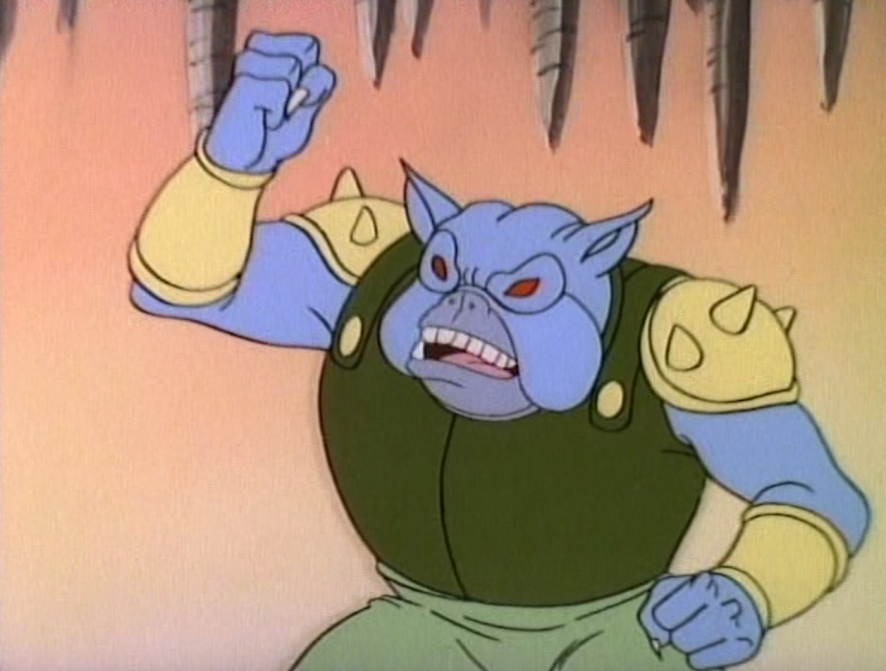

Appears in: “The Ringer,” “The White Knight,” “Sing for the Unicorn,” “Doppelganger,” “Stinging a Stinger,” “Hitch in the Works,” “The Missing Link,” “The Moblins are Revolting”
Just as Moblins are one of the most common enemies in the Zelda games, they are also the most commonly seen enemy in The Legend of Zelda TV series. They are also the first of Ganon’s minions to be seen, as they crash into Link’s room at the beginning of the first episode.
Moblins can talk, though unlike other monsters that are capable of speech, they are not very fluent. For example, after transporting Link’s body to the Evil Jar in “The Missing Link,” a Moblin says to Ganon, “It no use, he not wake up.”
Often attacking in groups, Moblins charge toward Link and Zelda with a large array of weaponry (see below). They are often incompetent, however, smashing the magic mirror (which served as their gateway to and from the Underworld) in “Doppelganger,” and dropping and destroying Ganon’s Capture Staff seconds after claiming it in “The Moblins are Revolting.” The most glaring example of this, however, is when Ganon’s minions form The Brotherhood of Underworld Monsters, overthrowing Ganon and taking control of the Underworld. A Moblin becomes the new leader, but when their attempt to attack North Castle results in immediate chaos, it is clear that they are even more useless without their master.
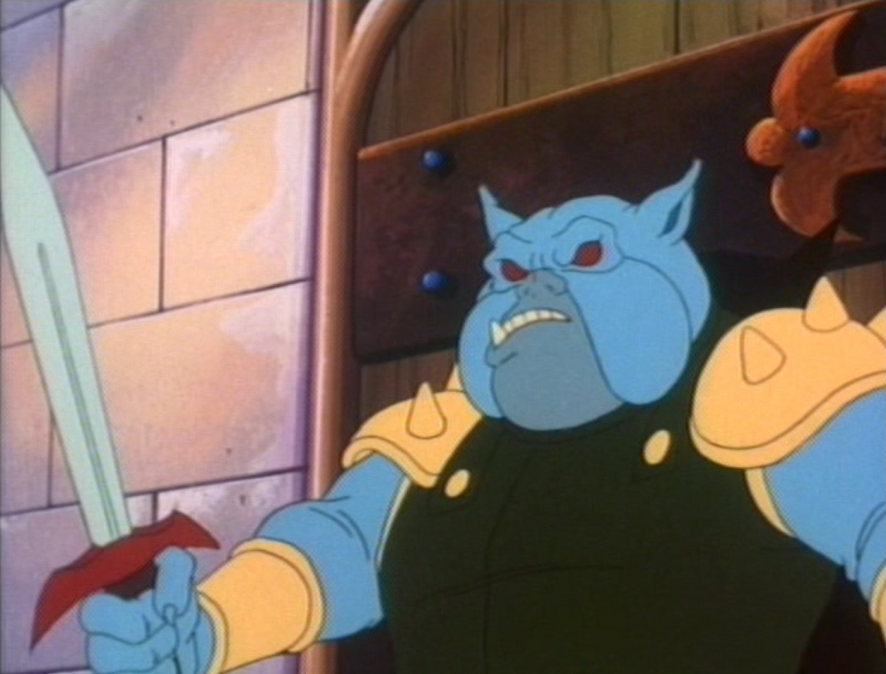
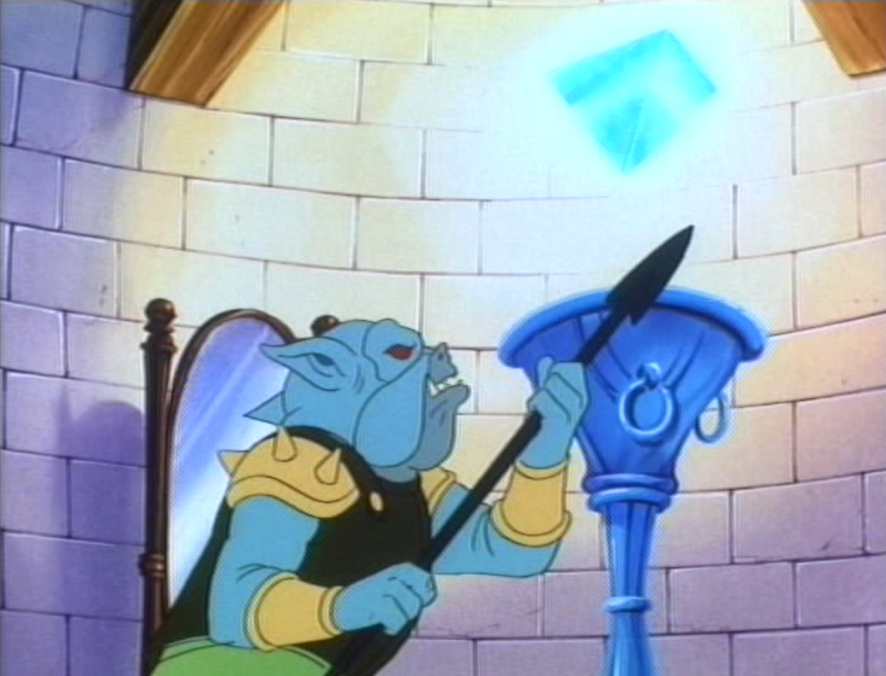

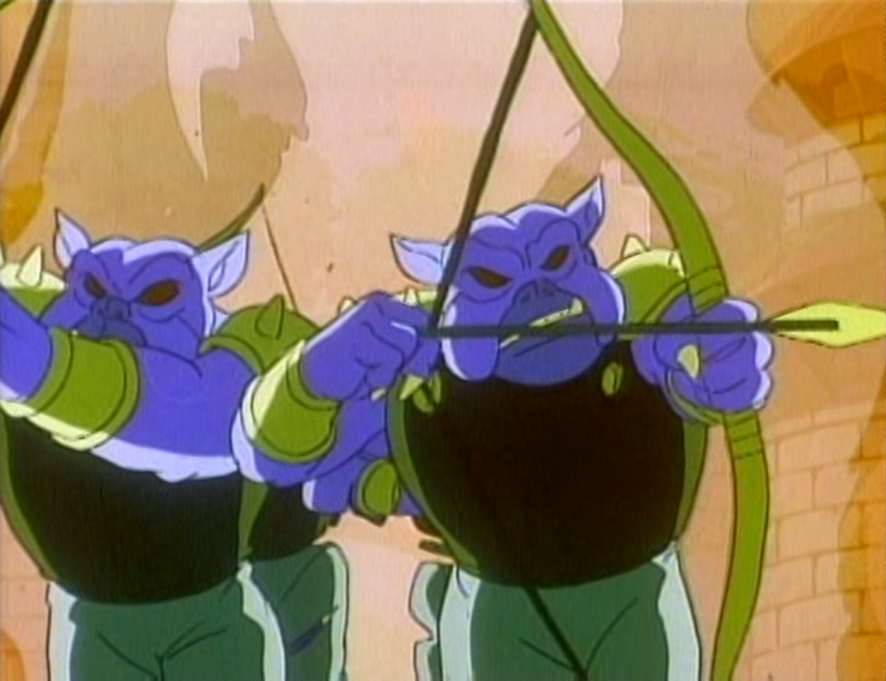

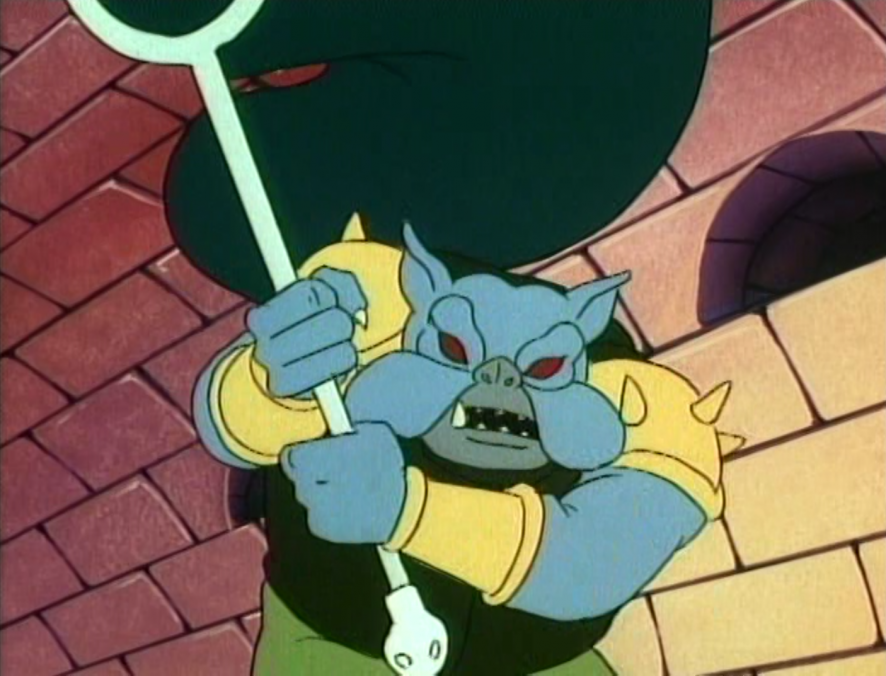
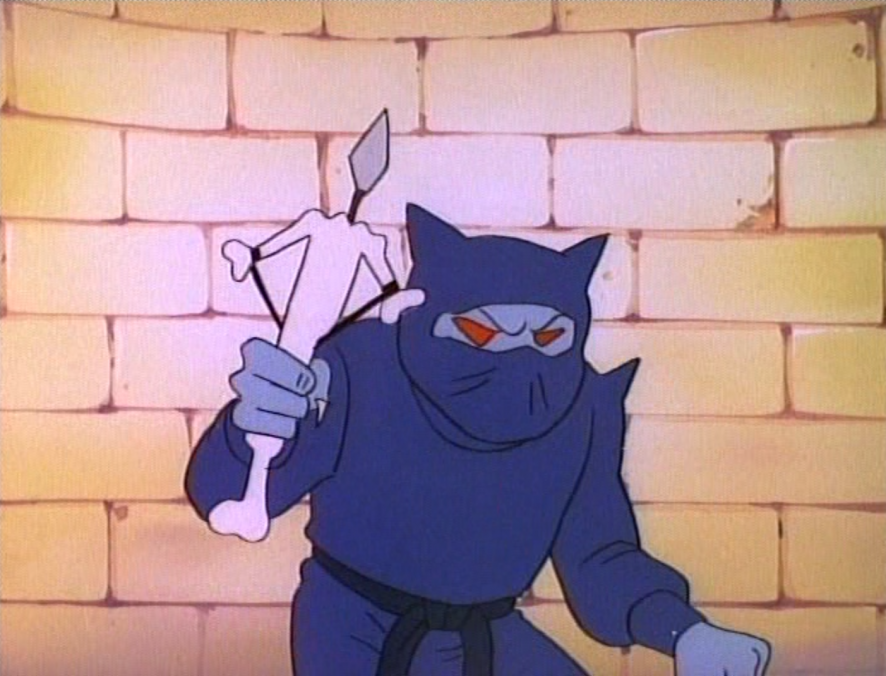
In the original Legend of Zelda game, there are two color variants of the Moblin: blue and red. It would have been cool to see the red version appear in the TV series to add some visual variety, especially considering how often the Moblins appear throughout most episodes.
Subsequent iterations of Moblins since the NES games have adopted pig-like features, but in The Legend of Zelda and Zelda II: The Adventure of Link, they more closely resembled bulldogs. This is evident in the TV series, too, as they retain their chubby faces and sharp teeth. The animated versions also keep their shoulder- and elbow-plated armor from the games’ manual art.
Ache
Appears in: “The Ringer”
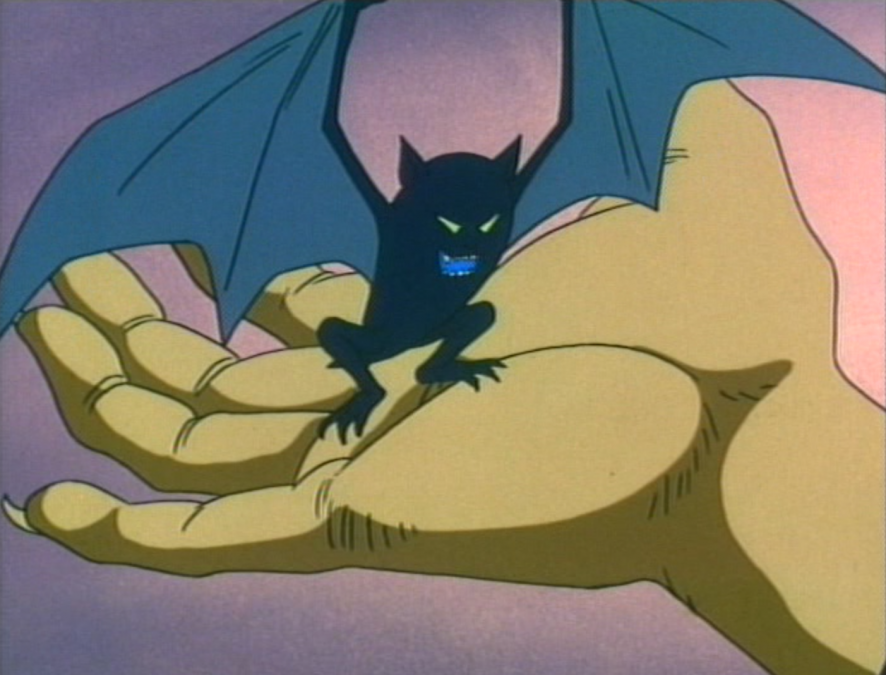
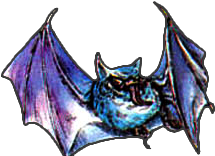
The Ache is a bat enemy that only appears in one very brief scene in the first episode of the TV series, “The Ringer.” Ganon has arrived in Hyrule in disguise, awaiting his turn in the Magician’s Contest at North Castle. Princess Zelda is hosting the contest, and to earn her approval, Ganon uses magic to make a bird appear in his hands. He then secretly transforms the bird into an Ache, and commands it to see who is guarding the Triforce of Wisdom in the castle.
It flies to the tower to discover Link stood by the Triforce with Spryte. Unlike the Moby, it doesn’t attempt an attack on them, and never displays any aggressive behavior in the series. It is capable of speech and gives Ganon a quick security report.
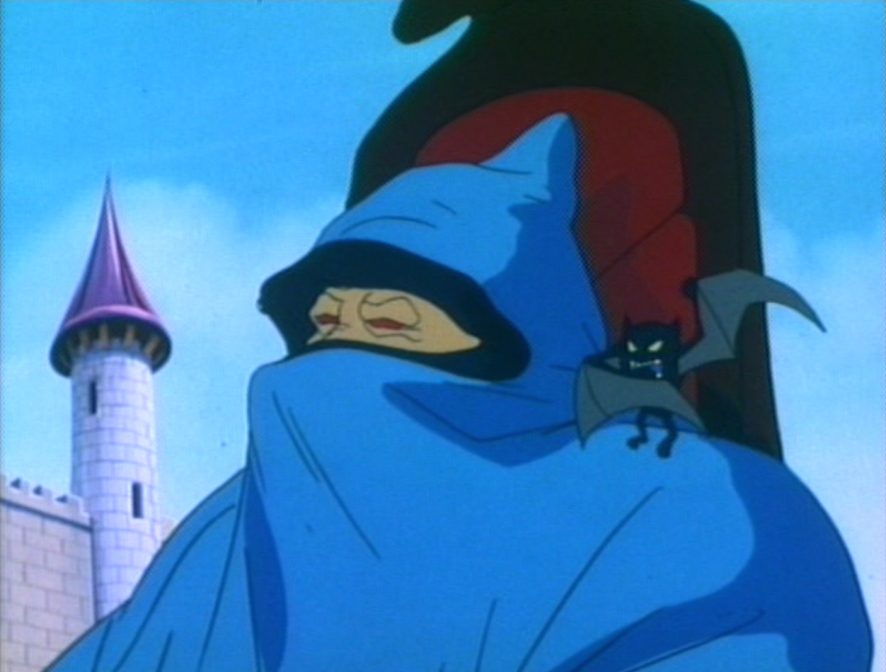
The bat isn’t named in the TV series, so it could also be based on Keese from the original Legend of Zelda game. Its appearance in the cartoon may not be the most interesting, nor is it the most unique design, but it’s interesting to see Ganon’s minions have different roles that don’t always involve combat.
Stalfos
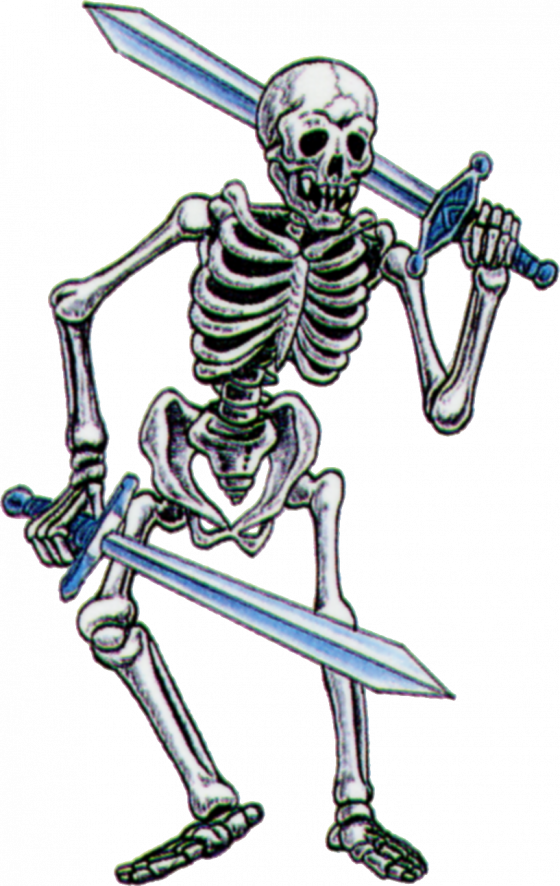
Appears in: “The Ringer,” “Sing for the Unicorn,” “Doppelganger,” “Stinging a Stinger,” “Hitch in the Works,” “The Missing Link,” “The Moblins are Revolting”
The Moblins may appear in the most episodes of the TV series, but Stalfos come in at a close second.
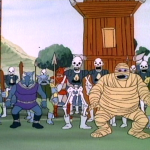
When he’s not riding on his Lowder (more on that enemy soon), Ganon often uses Stalfos to carry him around on a platform when he travels to and from Hyrule. In “The Ringer,” Ganon disguises several Stalfos in cloaks so that they may transport him to the Magician’s Contest.
Aside from the rattling sound as they run, Stalfos are mostly silent, but a Stalfos does speak in the penultimate episode, “The Missing Link.” Its voice is very raspy (and quite funny), and refers to Ganon as “evilness.”
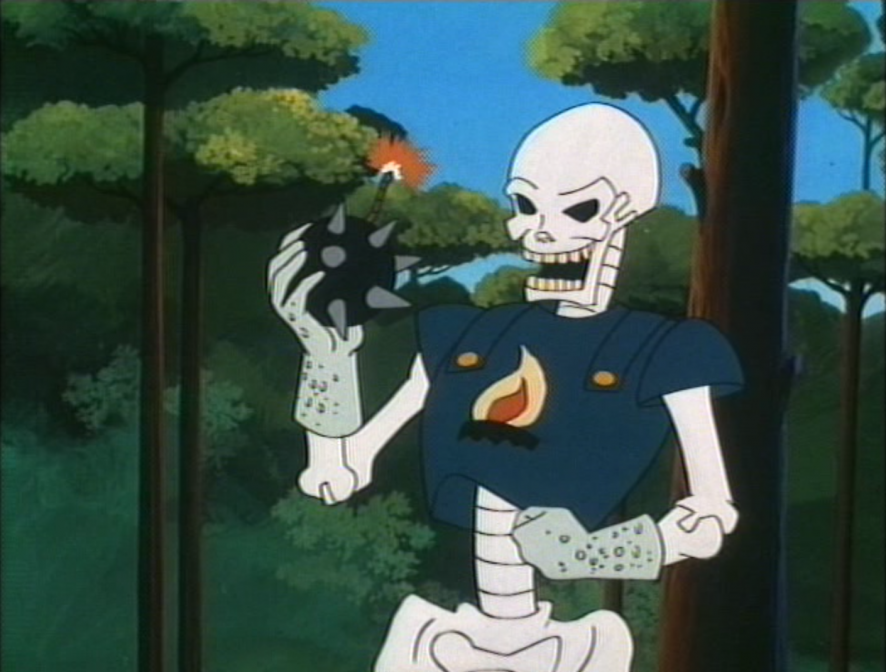
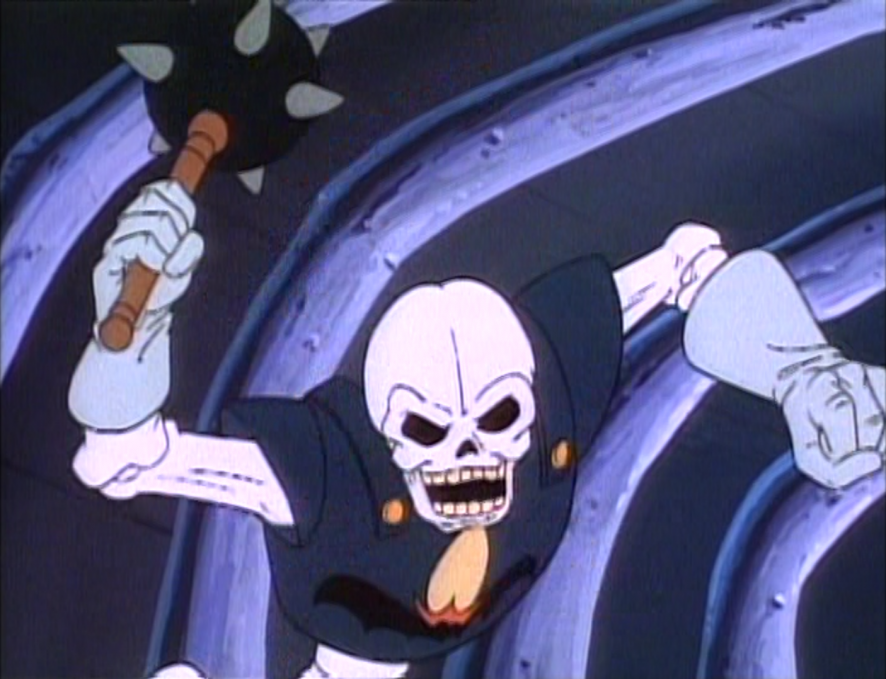
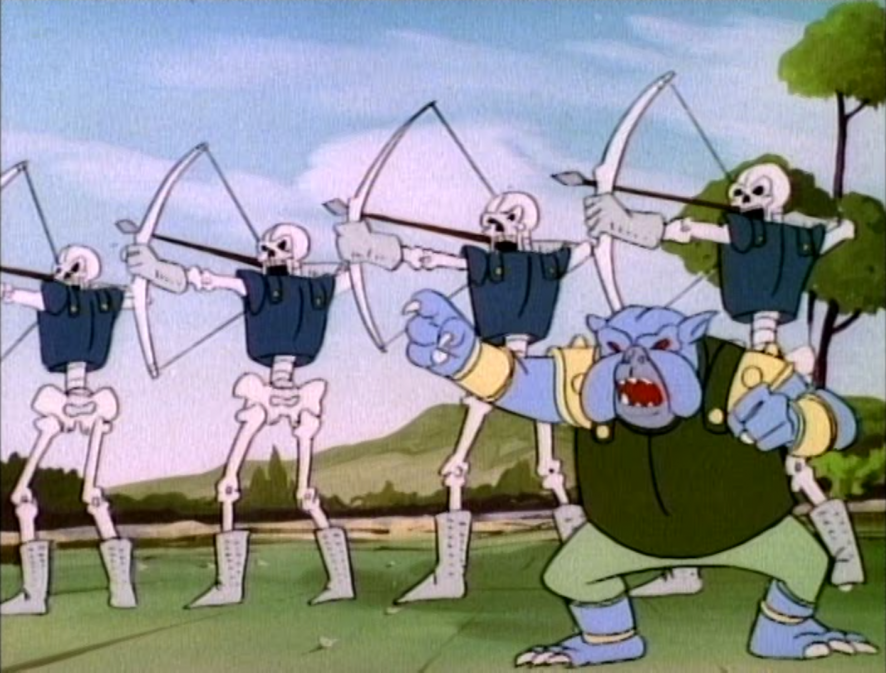
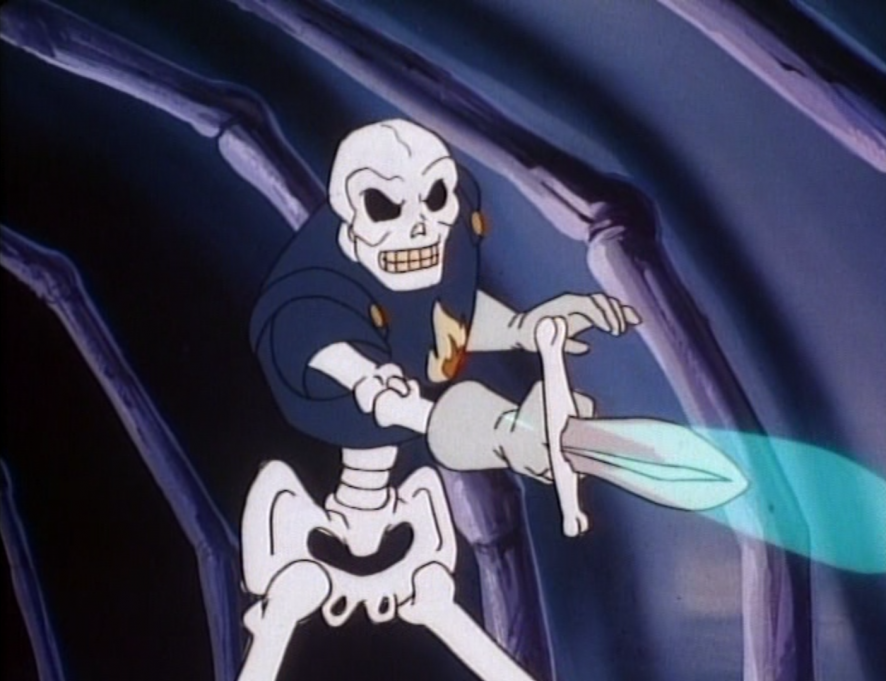
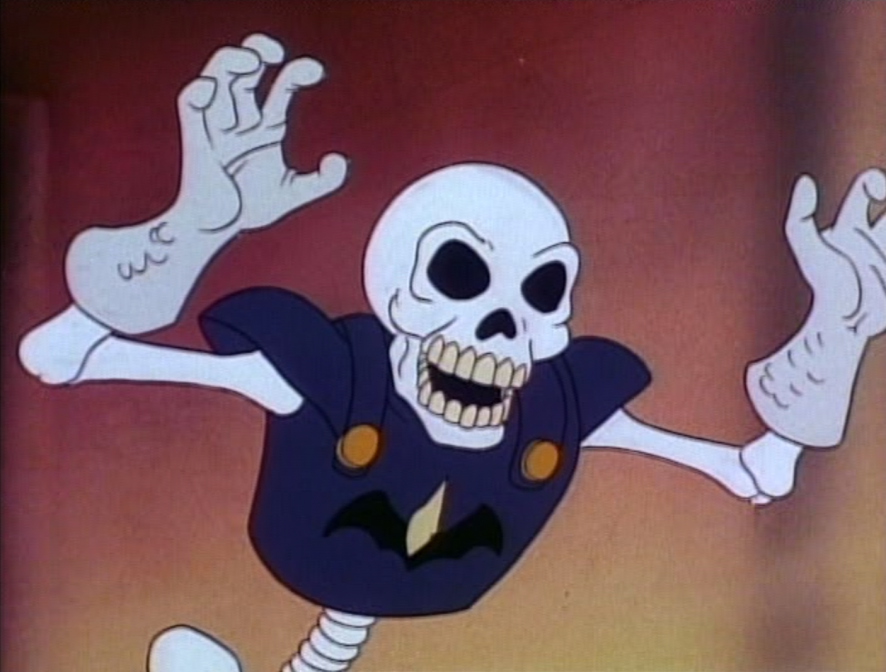
They never seem to dual-wield swords like in the original Legend of Zelda, but like the Moblins, the animated Stalfos make up for this with a large variety of weapons. They can pull bombs from their chest, and like their Second Quest counterparts from the original game, they can fire beams from their swords.
In official artwork from the NES Zeldas, the Stalfos are basically walking skeletons. This is the case in the TV series, too, but they are equipped with blue armor on their torso. They are common, weak enemies in both the games and the cartoon.
Moby
Appears in: “Cold Spells”
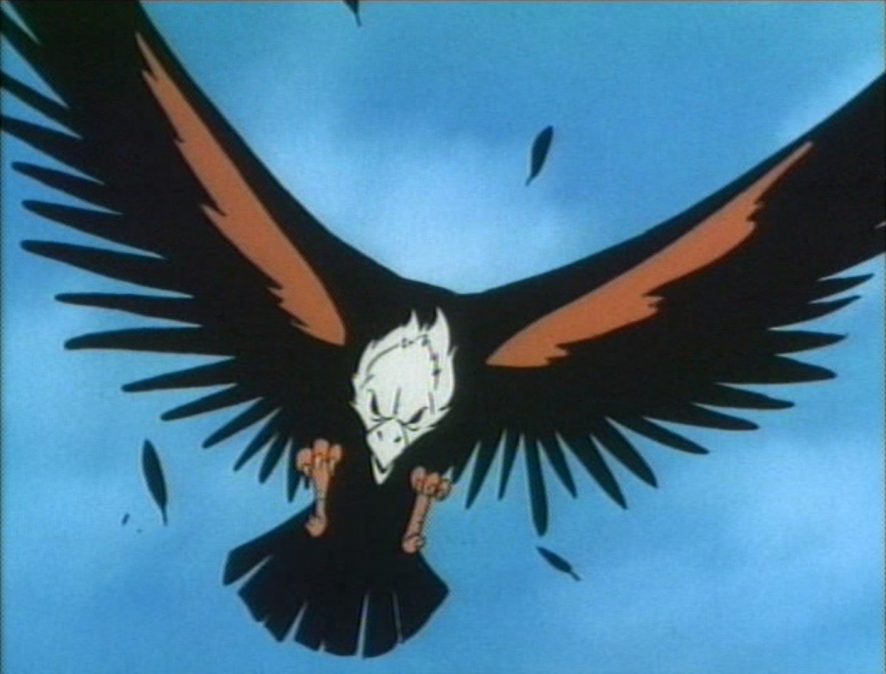
Like the Ache, the Moby acts as another of Ganon’s informants. It is much more aggressive, however, attacking Zelda as it swoops into a castle window.
The Moby’s appearance is more comical than the typical enemy encounter in the TV series, and its defeat isn’t quite as dramatic. After hitting it with a jar, Zelda forces its head into Link’s dirty laundry pile, causing it to recoil and retreat in disgust.
We never see the Moby speak, but Ganon seems to understand it, as it tells its master that the castle is undergoing a big spring clean.
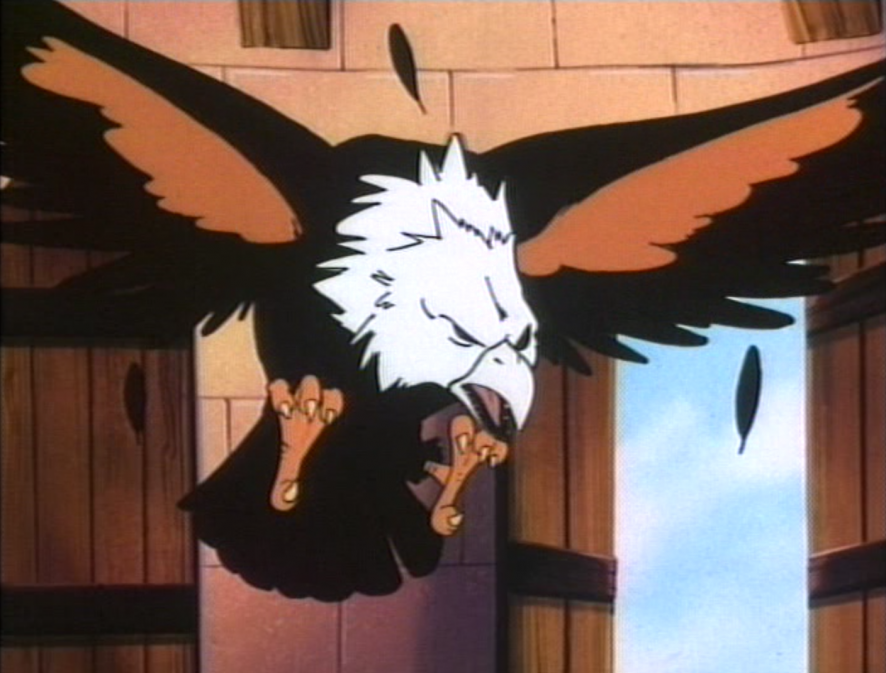
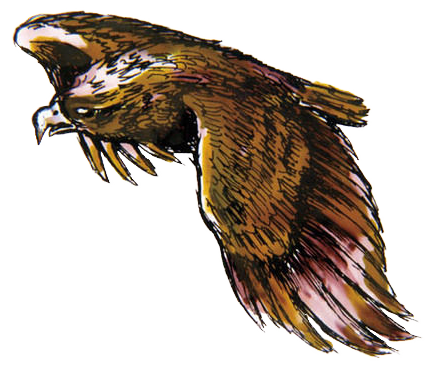
In The Adventure of Link, Mobys drop out of the sky and fly directly towards Link when he steps into range. The game’s artwork depicts them as brown hawks, while the TV series version has a different color pattern. I actually admire the design change in this case, as it makes the Moby look less like a real animal and more of a fantasy monster.
Lowder
Appears in: “Cold Spells,” “Stinging a Stinger”
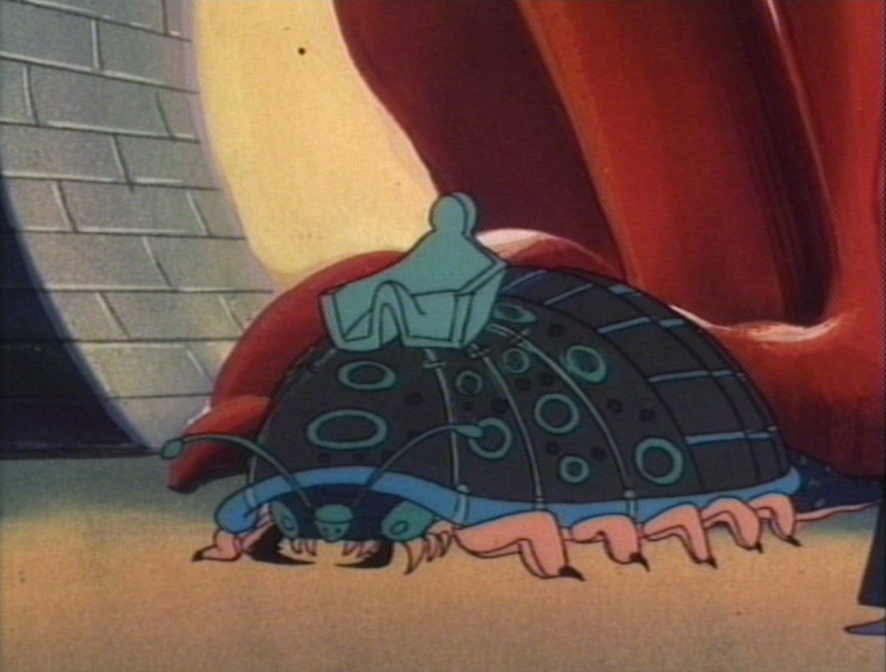
Like the Ache, the Lowder never engages in a fight in the TV series, but it does serve a different purpose for Ganon. With a saddle on its back, it transports its master to and from Hyrule, as Ganon’s teleportation powers don’t work effectively outside of the Underworld. The Lowder can even scale walls, taking Ganon directly to Link’s room by climbing up the tower walls in “Cold Spells.”
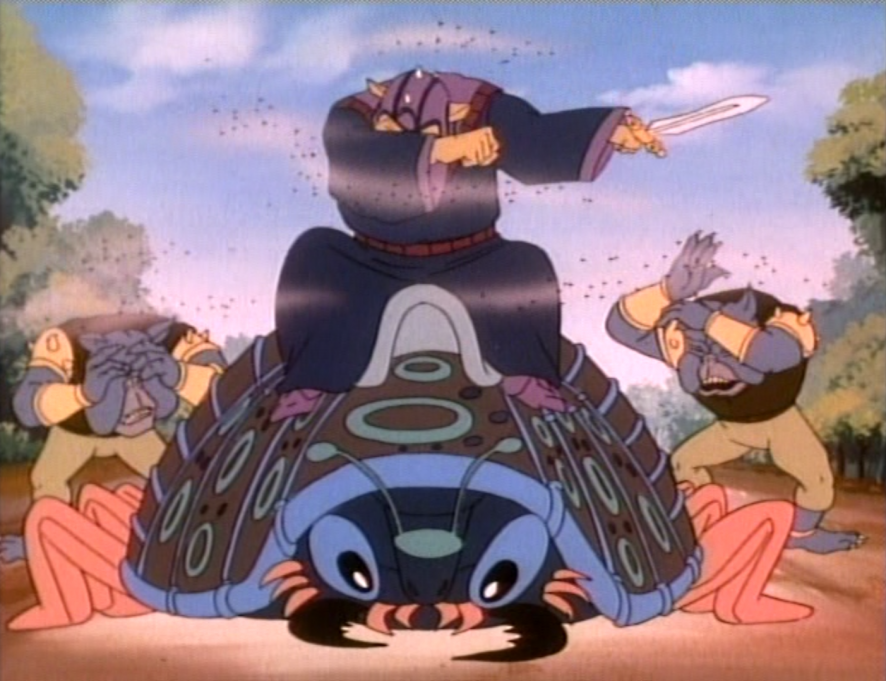
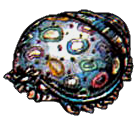
The TV series version is slightly less vibrant than the one seen in The Adventure of Link’s manual, with all-green markings instead of a rainbow pattern. I like the colors in the original artwork, as it makes the Lowder look like a poisonous beetle, but since the creature doesn’t fight in the series, this isn’t much of an issue.
While the manual describes it as a beetle that “slithers” and “eats up life energy,” in the TV series, it looks surprisingly adorable. Look at that face!
Credit to Zelda Wiki for the manual artwork.