The Legend of Zelda TV series has a ton of fearsome faces you’ll recognize as a fan of the games, and that’s most evident in this second batch of beasties. This time, we cover two of the original game’s most iconic bosses, as well as three foes that have reappeared countless times in the franchise, 30 years after this cartoon aired.
If you missed part one, this series explores each enemy of the TV series in the order that they appear, excluding enemies created solely for it (such as Tinsuits and Water Monsters). We will also be comparing their appearances and behaviors with those seen in The Legend of Zelda and Zelda II: The Adventure of Link — these were the only games released when the TV series aired, and thus served as the main inspirations for it.
Gohma
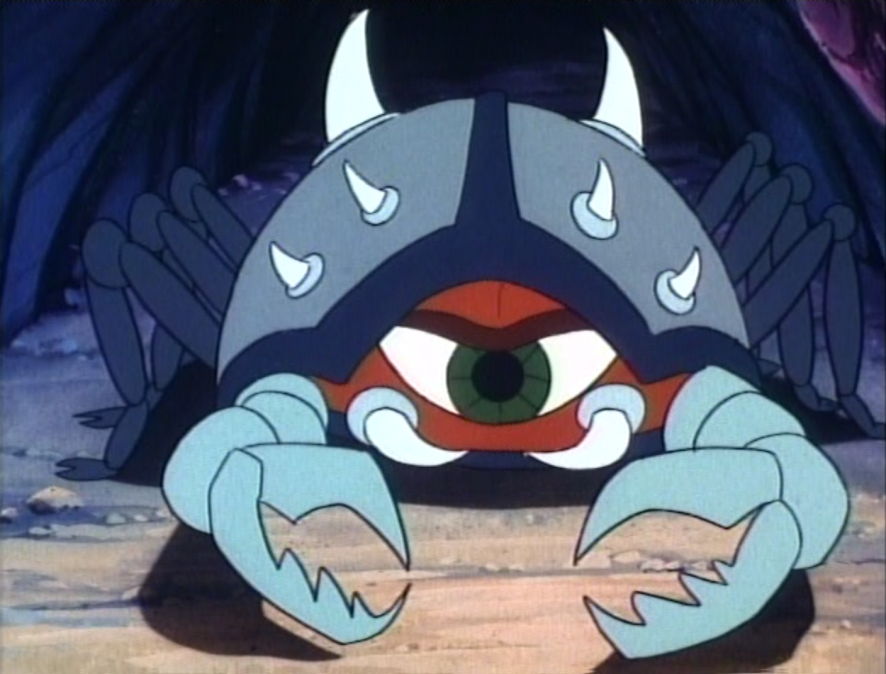

Appears in: “Cold Spells,” “Stinging a Stinger,” “The Moblins are Revolting”
The sprite and official artwork of Gohma in the original Legend of Zelda game resembles a spider more than a crab, as it doesn’t have the large claws of the animated version. This seems like a good addition for the cartoon, however, as this gives Gohma the ability to grab and snap at its prey.
Otherwise, the original design is mostly intact, with similar shades of blue, small pincers below the eye, and spikes on the shell. In the game, Gohma has a hard shell that will repel all of Link’s attacks, with its giant eye being the only part that is vulnerable. This is true in the TV series, too, as Spryte is able to stun Gohma with a magic blast, but she doesn’t damage its shell.

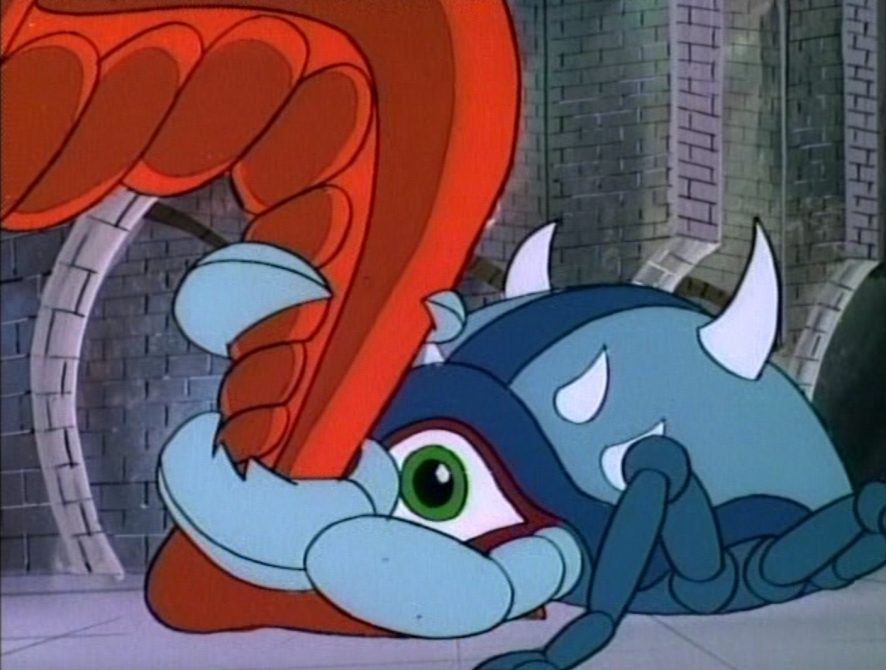

Gohma is the first “boss” enemy seen in the TV series, crawling out of the darkness of the Underworld in the “Cold Spells” episode. With Link and Zelda trapped in Ganon’s “holding jar,” it extends its large claw through the top of the jar in an attempt to grab our heroes (and, going by Ganon’s “Dinner time!” exclamation, eat them). Instead, Gohma grips onto Link’s sword while he is still holding onto it, and when Spryte attacks it, it flings Link out of the jar to freedom. In a moment of rage, Ganon shoots flames at Link, but hits Gohma instead, defeating it.
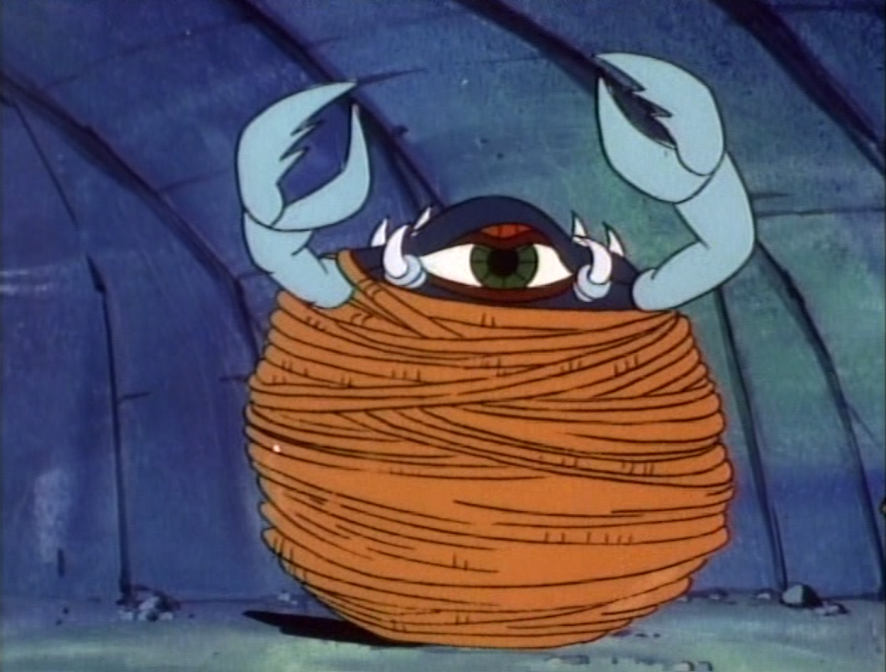
The crab-like creature returns in “Stinging a Stinger,” when Link, Zelda, and Sleezenose are imprisoned in Gohma’s lair. Link does not have his Crissword for this fight, forcing him and Zelda to get creative. Zelda lassos Gohma’s pincer, but the beast overpowers her and swings her around. Fortunately, Link anticipated this, and by stunning Gohma with a fallen stalactite, Zelda’s circular momentum allows her to tie up Gohma tightly with the rope. Finally, two Gohmas briefly appear carrying the Evil Jar in “The Moblins are Revolting,” proving that there is more than one lurking in the Underworld.
Octorok
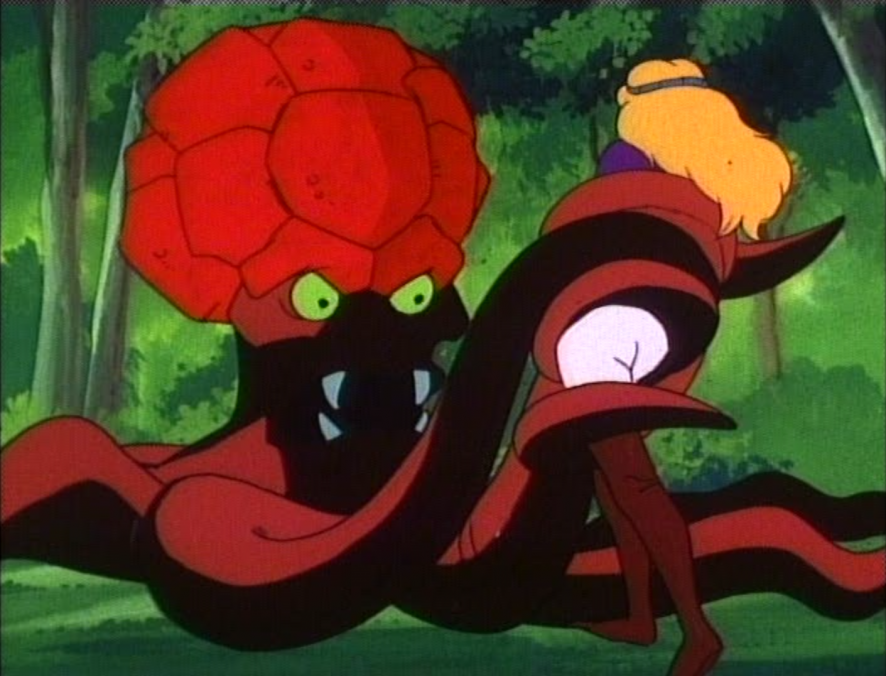

Appears in: “The White Knight,” “Kiss ‘N Tell,” “Doppelganger,” “The Moblins are Revolting”
In the games, Octoroks spit rocks at Link, but in the TV series, they appear to have a range of different projectiles. The first Octorok spits out a glowing ball of energy, while in “Doppelganger,” they seem to fire plain rocks. In “The Moblins are Revolting,” their projectiles are like bombs, exploding as they hit the ground.
As far as presentation goes, the Octorok’s design in the series is faithful to that of the original game’s artwork. They maintain their bold, red color (though the blue variant is never seen), as well as their sharp fangs. Their blank expressions do make them seem quite dopey in the cartoon, as strong as they may be, and they can not speak like some of the other monsters — instead, they make what sounds like a belching noise, making them seem even dumber.
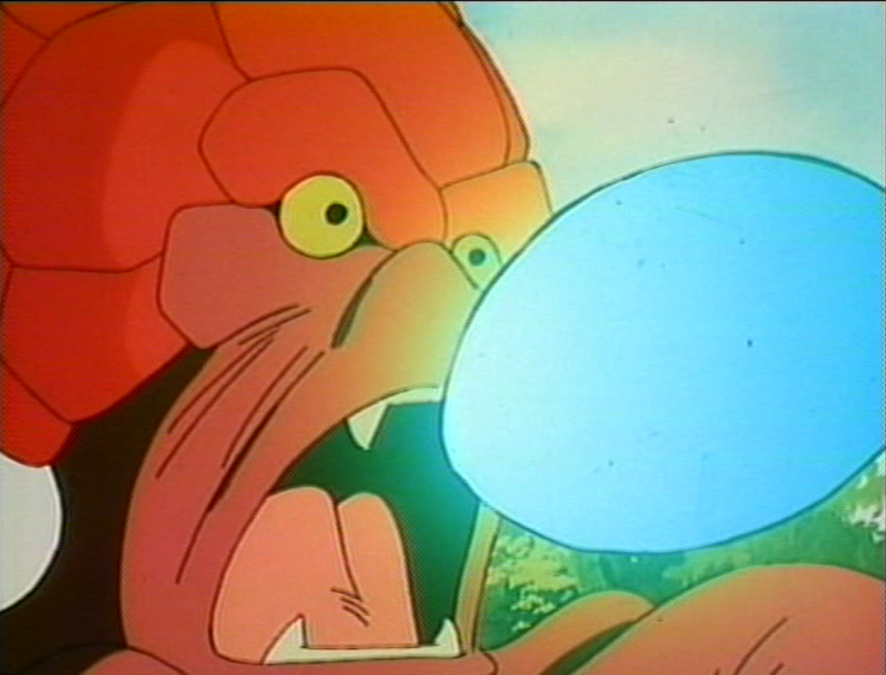
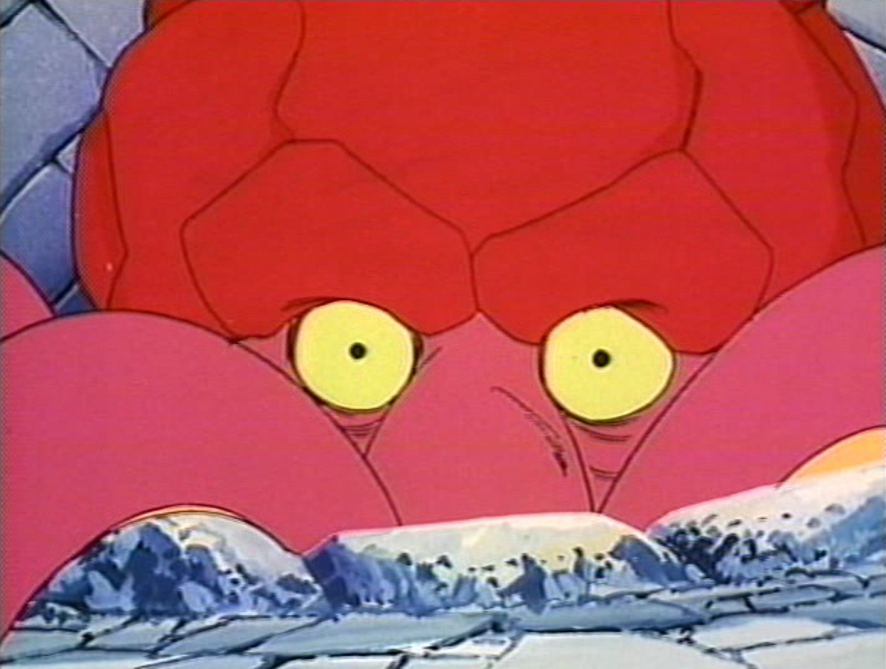
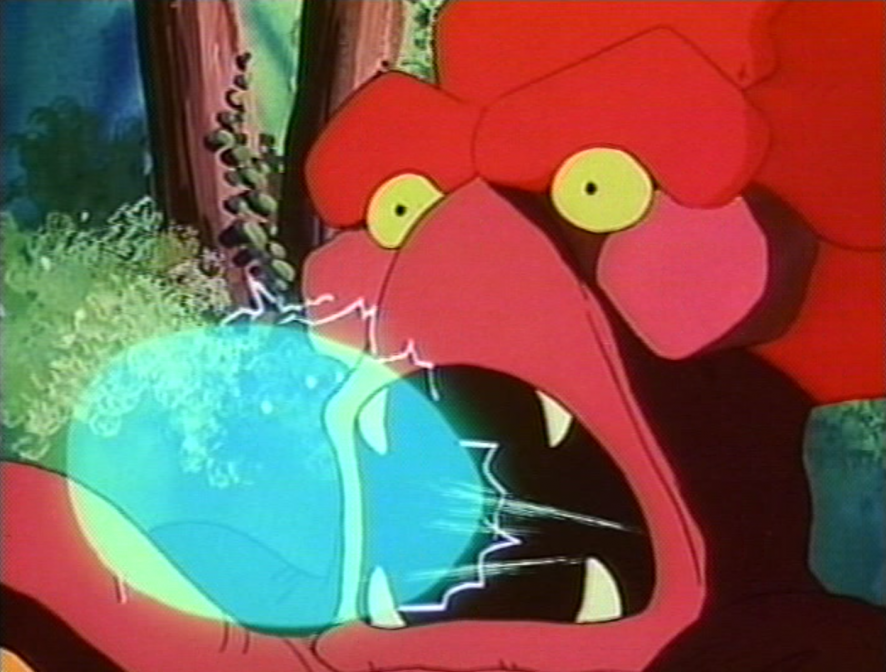
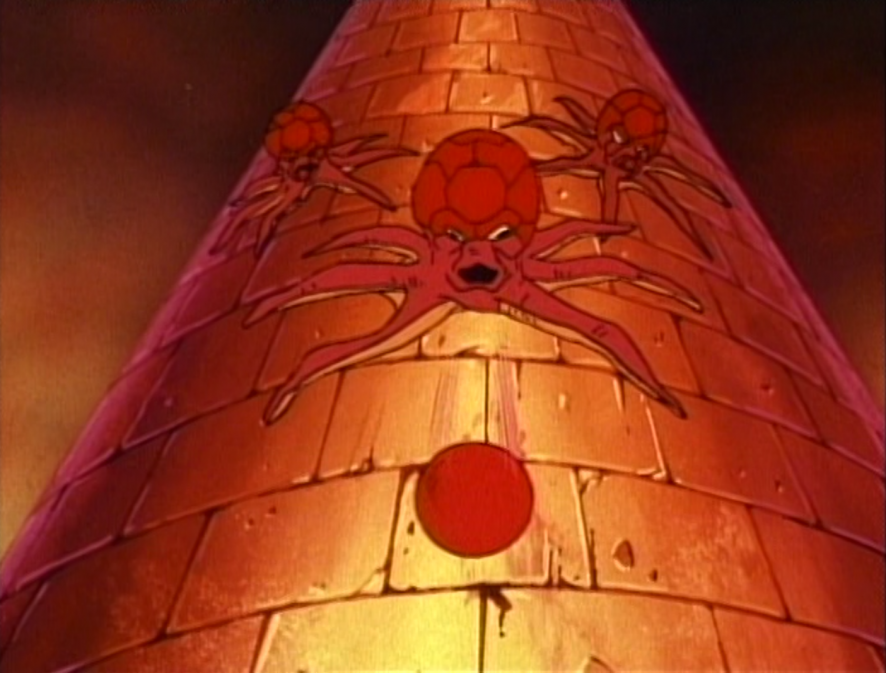

Octoroks are weak, common foes in the Zelda games, but in the TV series, they are huge and intimidating. In “The White Knight,” one lone Octorok is enough to make Link struggle. It hurls him through a barn with a single tentacle, and when Link grips onto the monster with a lasso, it effortlessly drags him through the dirt. In this scene, we also see that they are capable of moving at high speeds, with Link dragged far from a town in Hyrule deep into the woods. In the end, it takes Prince Facade’s zap bolts to take it down.
In “Kiss ‘N Tell,” Ganon arrives in Hyrule with an Octorok to kidnap Princess Zelda. Link has been turned into a frog by a Gibdo at this point, rendering him useless in combat, but Zelda is usually more than capable of handling herself. Once again, however, it seems it’s dangerous to fight these beasts alone, as Zelda can not escape the grip of its tentacles.
They make a brief appearance in “Doppelganger,” this time in a group of three. Link uses his Force Field Ring to protect him and Zelda from the oncoming projectiles (as well as the impact from landing after a long descent through the Underworld) and manages to defeat them with sword beams.
Tektites

Appears in: “The White Knight,” “That Sinking Feeling”
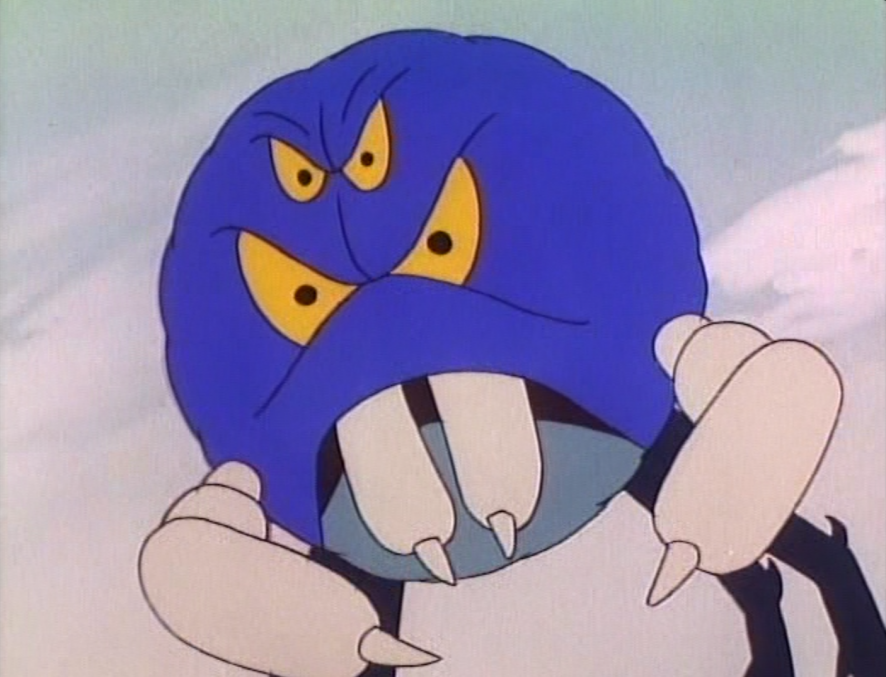
In The Legend of Zelda and Zelda II: The Adventure of Link (and all Zelda game appearances, for that matter), Tektites are common creatures that have one eye, and their spindly legs are similar to that of the Japanese spider crab. In the TV series, however, they more closely resemble spiders, with multiple eyes and large, tarantula-like fangs.
In both the games and the cartoon, Tektites tend to jump around frequently. Interestingly, however, the blue variant of the Tektite is the only one used in the show, but in The Legend of Zelda, this version tends to jump around very little compared to the Red Tektites.
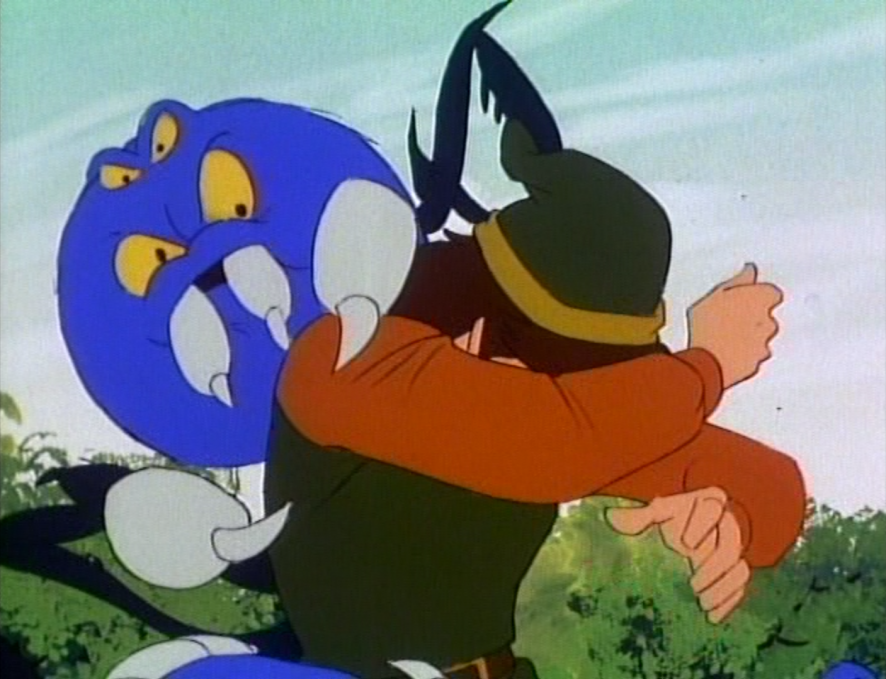
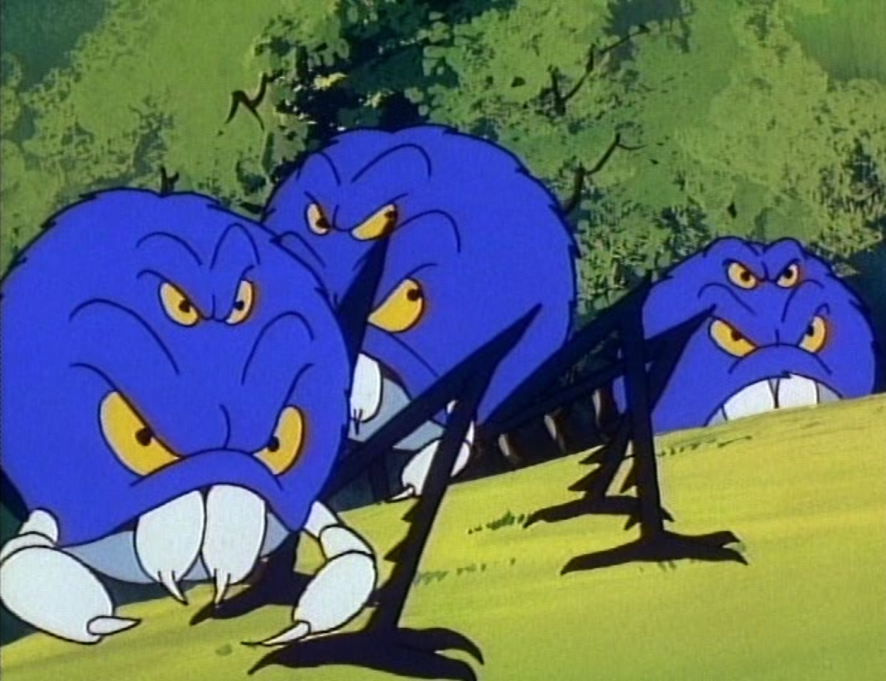
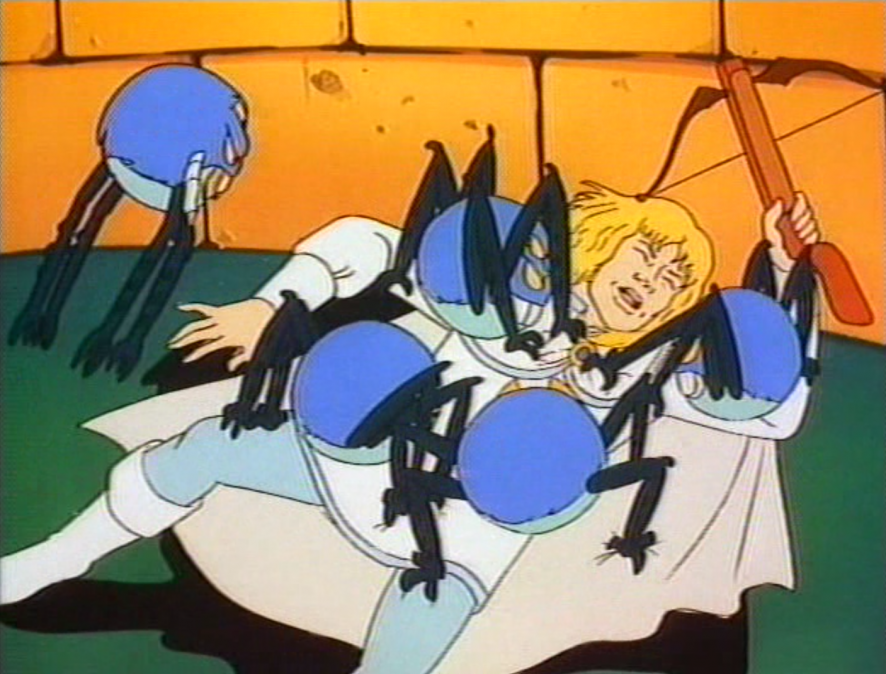
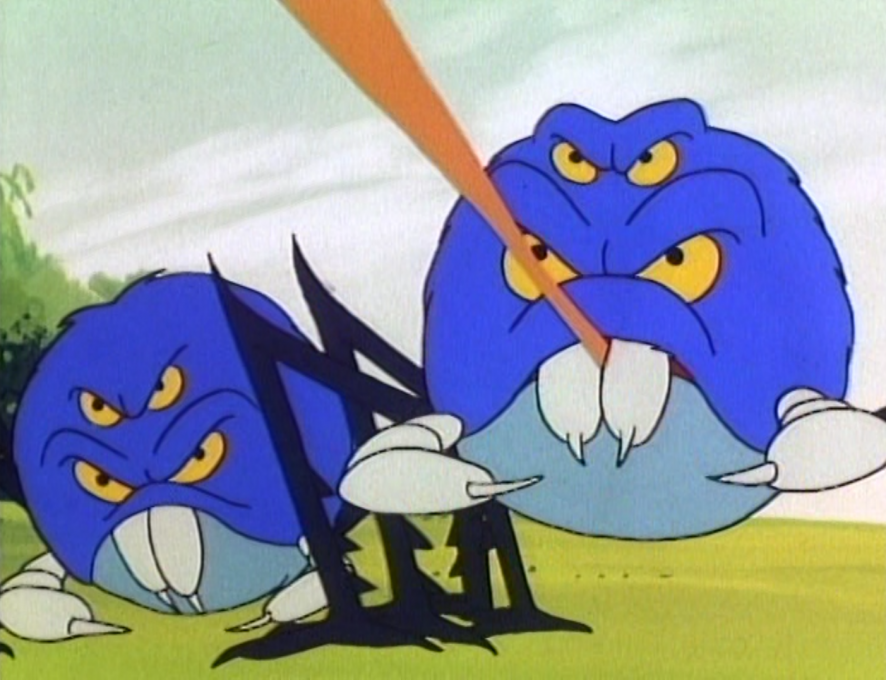
Their arachnid features also extend to their abilities. They can spit strong webbing at their foes, as seen in “That Sinking Feeling,” which is a trait unique to the cartoon. Working together, they overwhelm Zelda by wrapping her body completely in web, before dragging her to an Underworld entrance. A Tektite even uses web to snatch Link’s Crissword out of his hand, rendering him momentarily vulnerable.
Alone, Tektites are weak (like in the games), with our heroes able to take them out in a single shot, but in both TV series appearances, they attack in large groups, making them deadly.
Zora
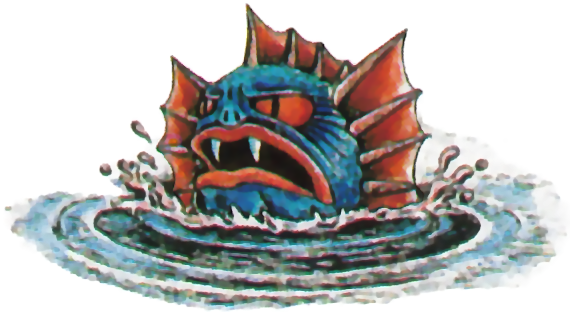
Appears in: “The White Knight,” “The Moblins are Revolting”
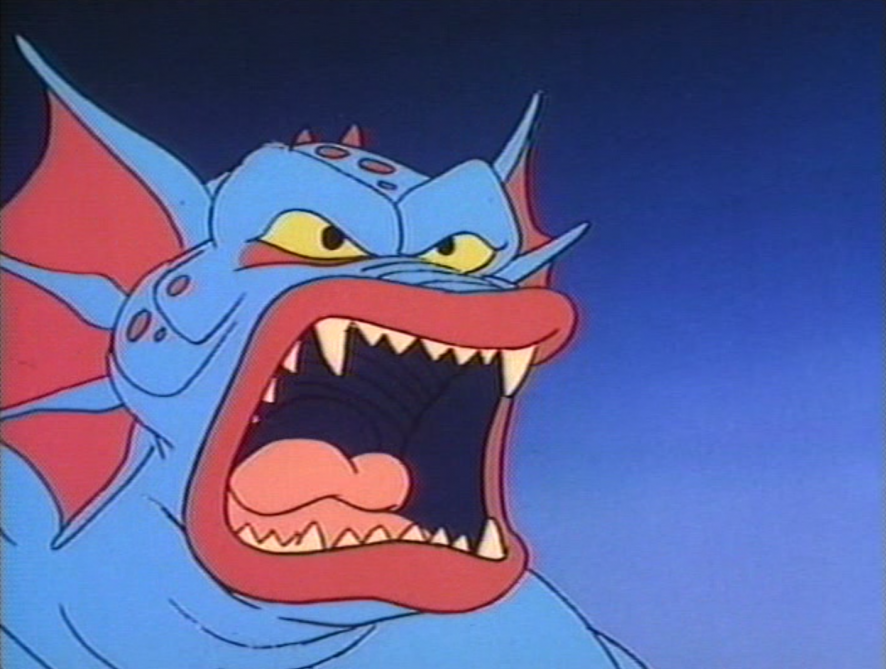
The animated Zoras are very similar in appearance to the original Legend of Zelda artwork, with their blue skin, large lips and fins on their heads (though if we were to nitpick, the fin on the top of its head is missing in the cartoon). They can also shoot beams from their mouths in both forms of media.
Zoras appear frequently in bodies of lakes and rivers in the original game, but oddly enough, they are never seen in water in the TV series (aside from marching through ankle-deep swamp mud). Instead, they are depicted more as land creatures. This is a shame, as there are notable underwater sequences in “Underworld Connections” and “Fairies in the Spring” where the Zoras would have fit perfectly.
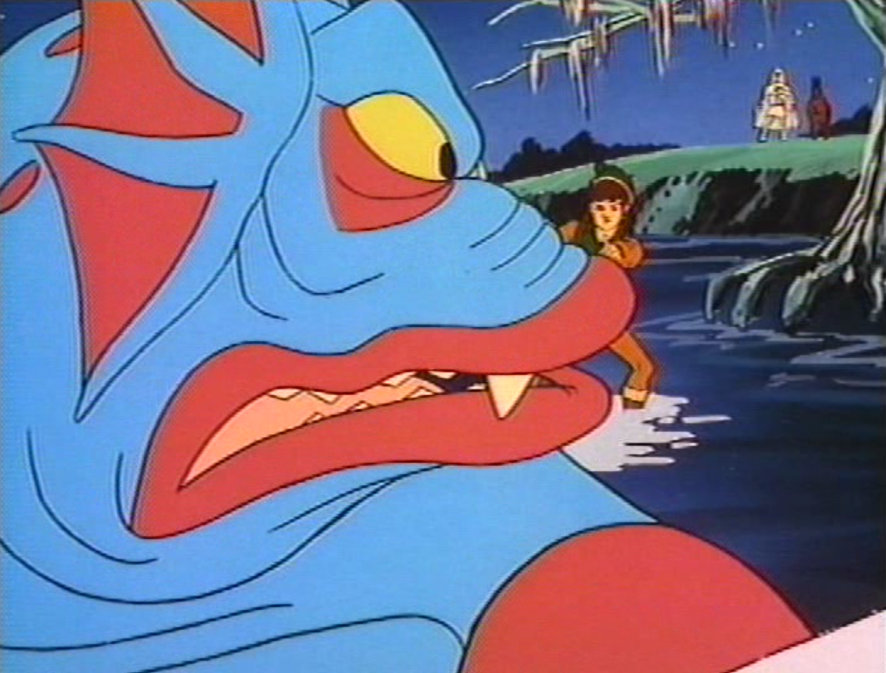
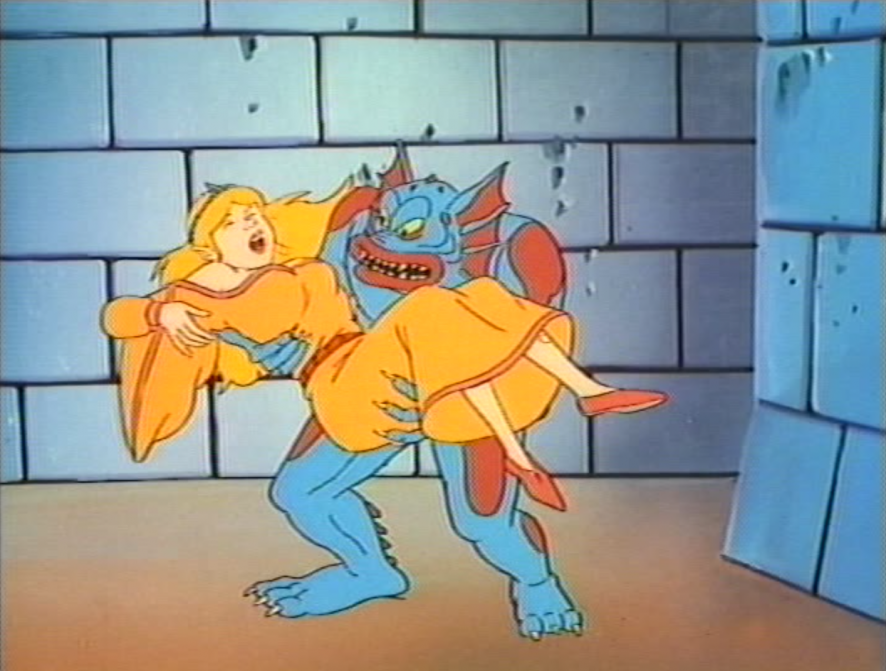

A Zora first appears in “The White Knight,” where it is seen waiting on the ground after Moblins hurl Princess Zelda out of a castle window. It catches and restrains her, carrying her across a swamp to an Underworld entrance. Prince Facade stops in his tracks at the sight of dirty water, putting the cleanliness of his clothes before the safety of the princess. Link arrives and saves her instead, putting the Zora down after multiple sword zaps.
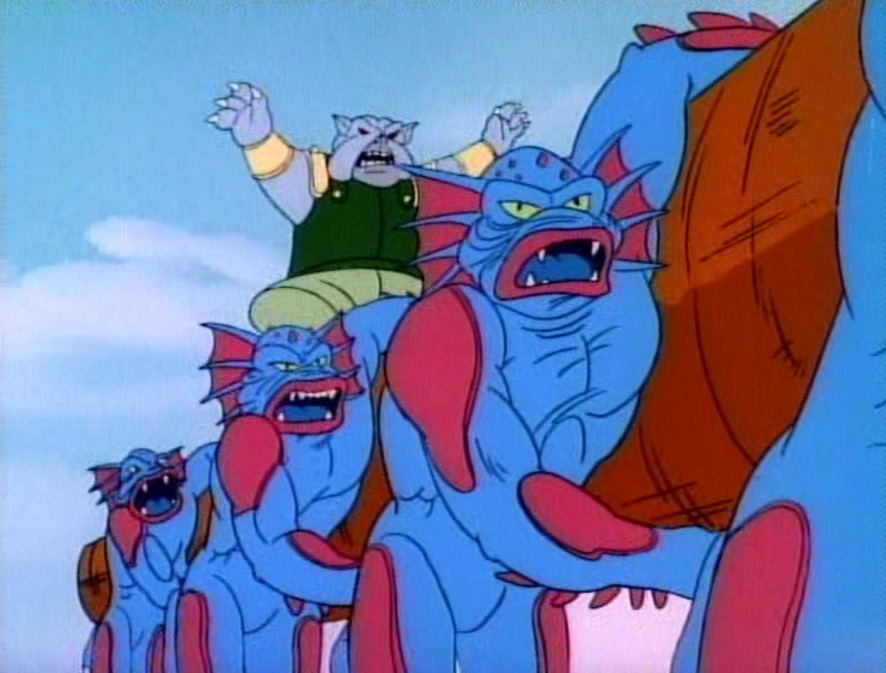
Zoras make a final appearance in “The Moblins are Revolting,” with a group of them attempting to charge a battering ram into the castle gates. Again, it’s strange to see them in this role when there are many other, strong, land monsters that could have been used.
They are actually named “Zolas” in the TV series, due to the misspelling of the original Legend of Zelda manual.
Gleeok
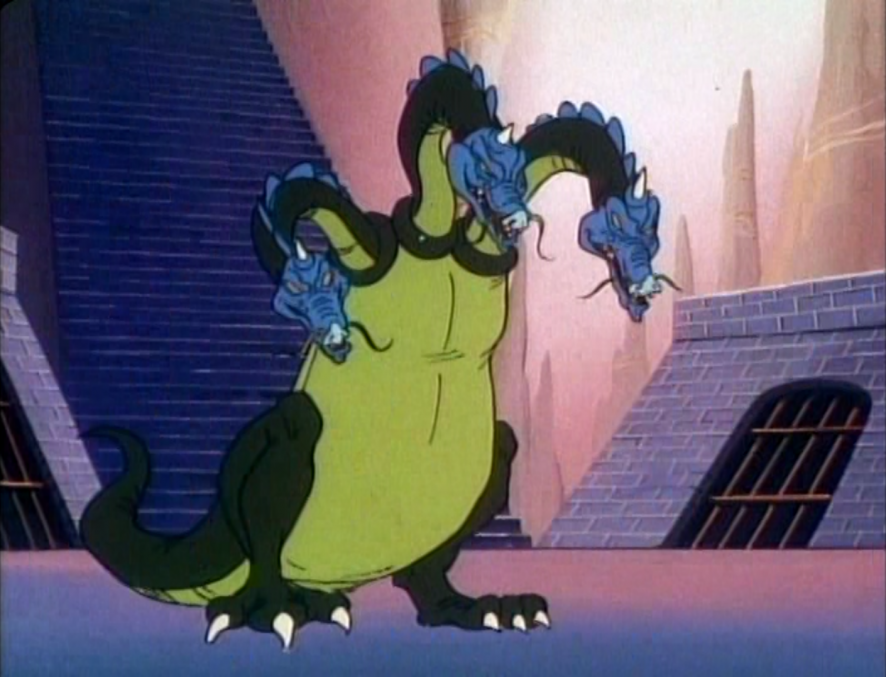
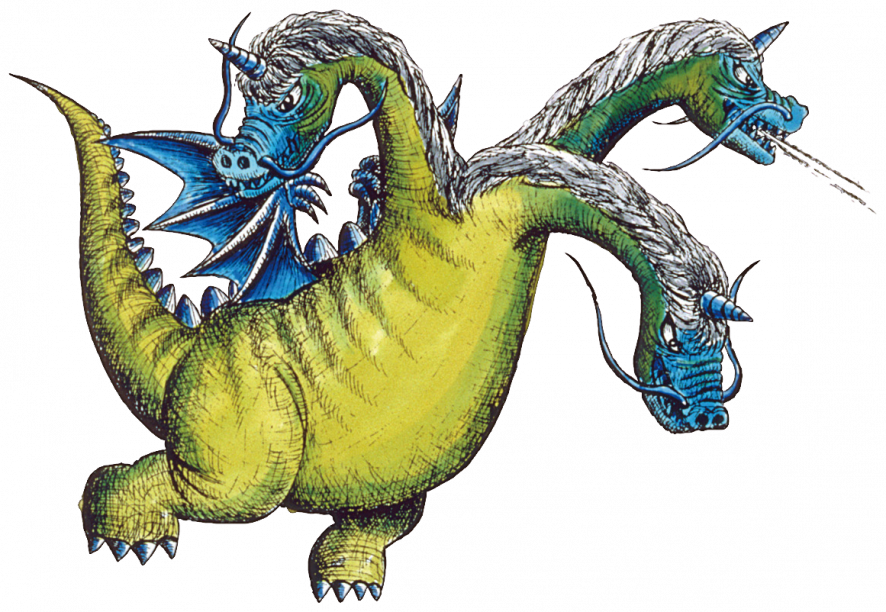
Appears in: “Kiss ‘N Tell,” “Hitch in the Works”
There are multiple variants of the Gleeok in the original Legend of Zelda game: The first one Link fights has two heads, the second has three, and the final version of the boss has four. Based on the game’s official artwork and First Quest’s Level-6 variant, the TV series version has three heads.
The Gleeok is instantly recognizable in the cartoon, with its green body, blue heads, and long tail. It appears twice in the series, and in both occurrences, it provides my two favorite fights of the entire show. Both times, it is seen relentlessly spewing fire at Link, and in its latter appearance, the writers take things a step further. Just like the in-game boss fight, the three heads detach and fly around the room after Link strikes its body, making for a remarkably faithful homage.
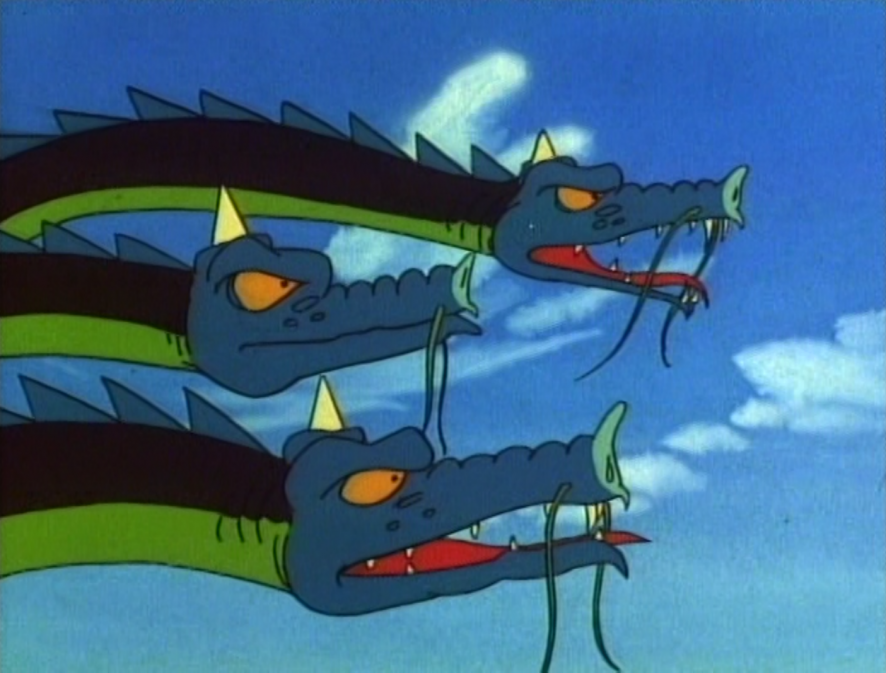
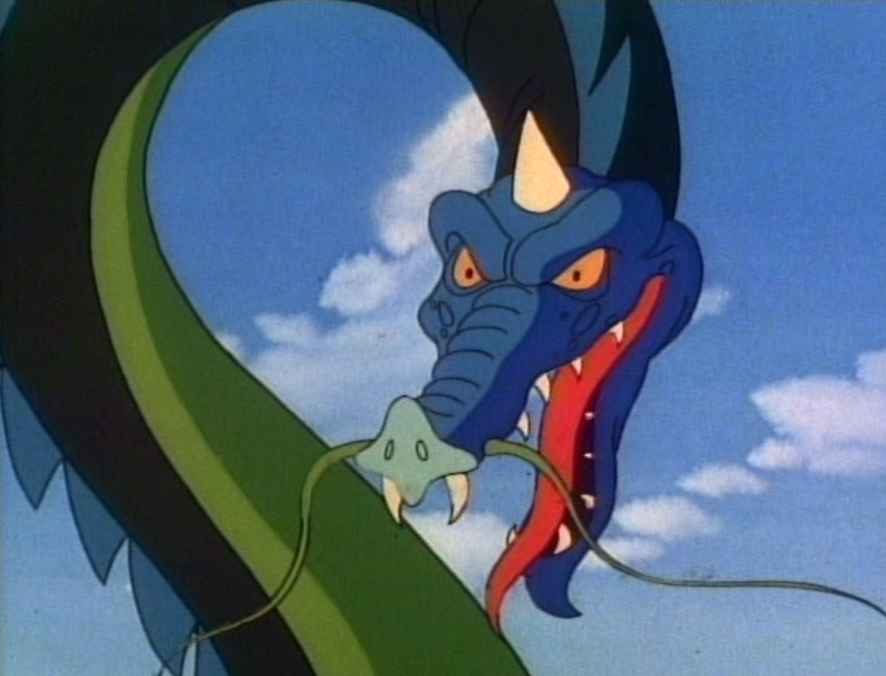
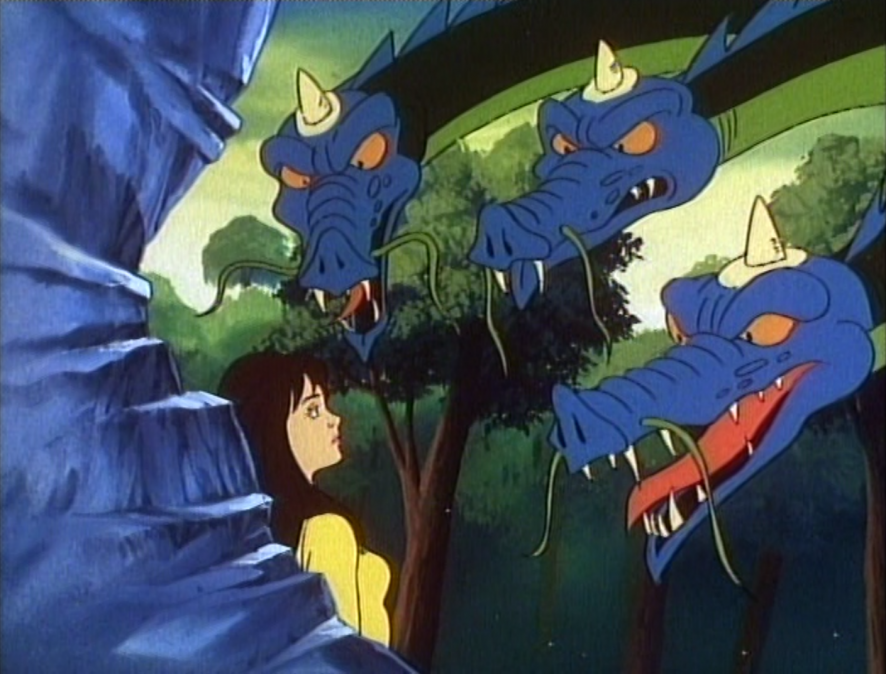
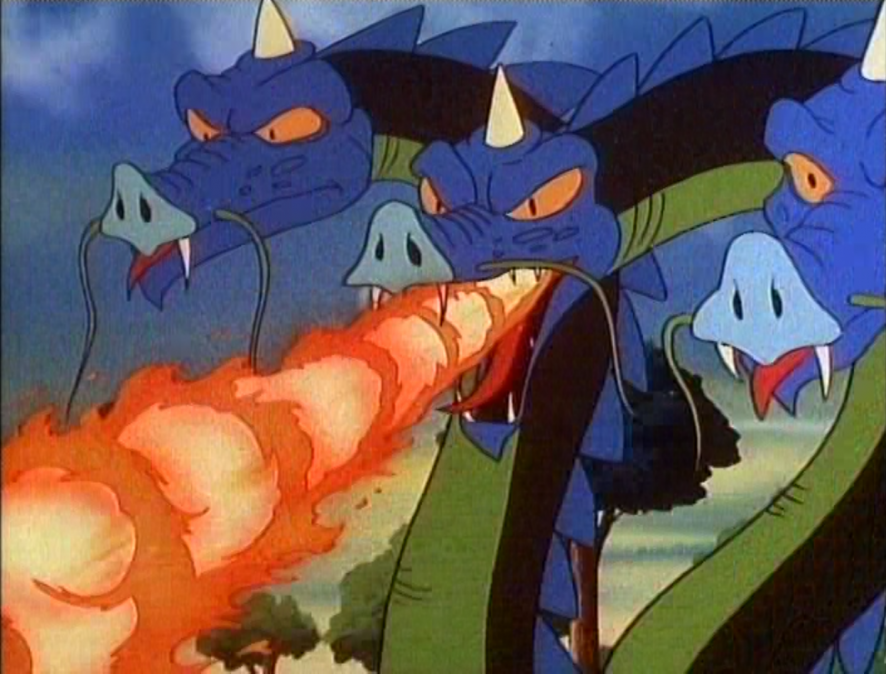
In “Kiss ‘N Tell,” the Gleeok heads are seen talking and co-ordinating with another of Ganon’s monsters, the Gibdo, in order to carry out their master’s plan. A lot of the Gleeok’s dialogue is goofy, with it getting offended at being called a “freak” and complaining of heartburn when swallowing one of Zelda’s grapefruits, but it doesn’t detract from the encounter as there is a ton of action for viewers to enjoy.
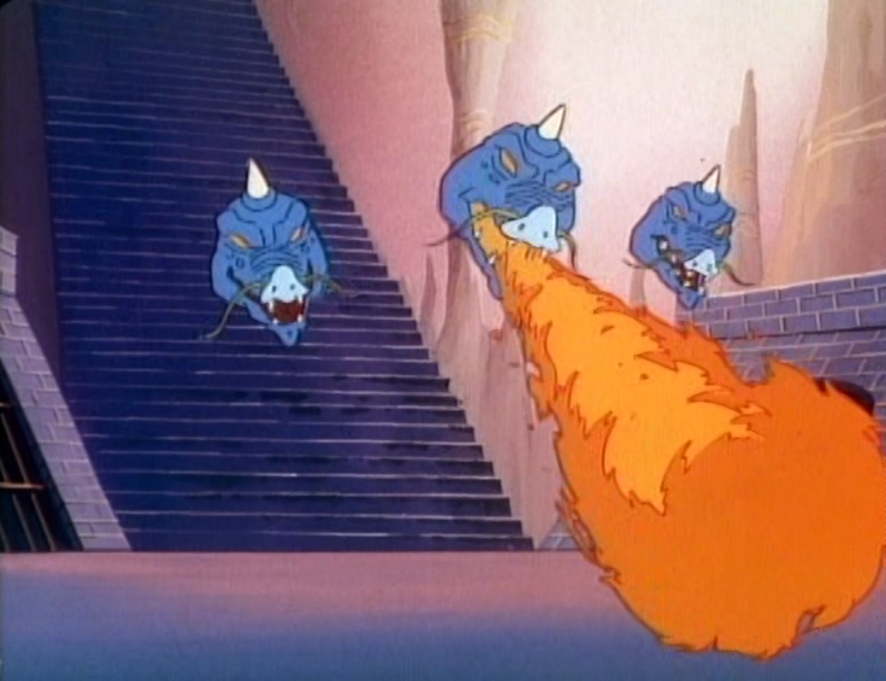
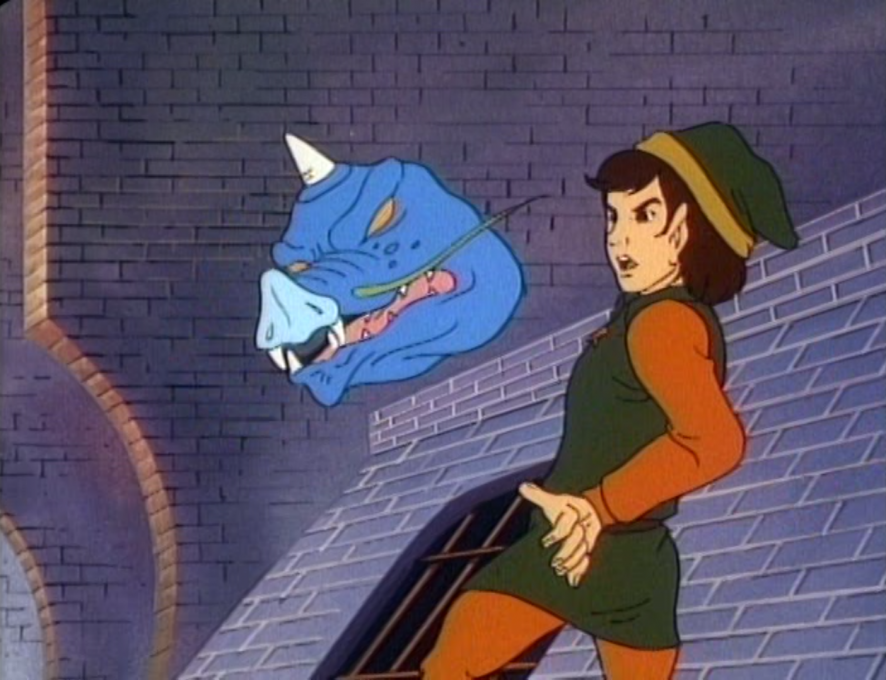
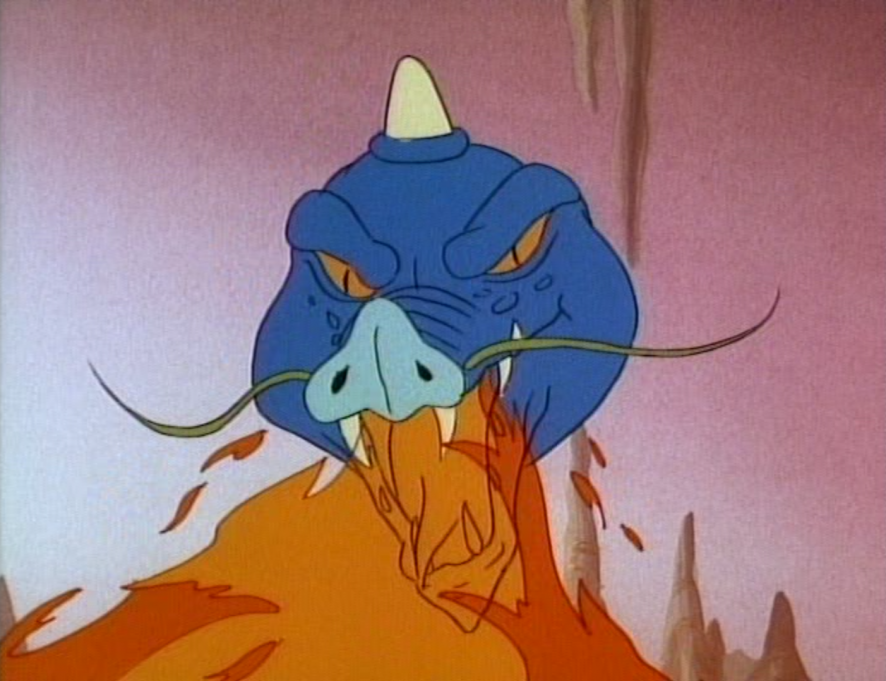
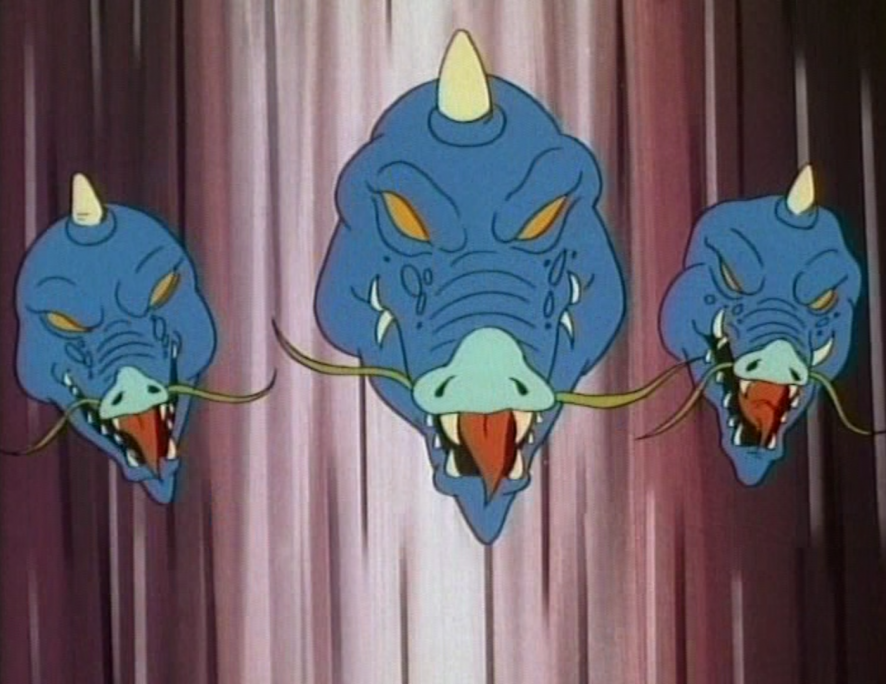
While it put up a good fight for Link and Zelda the first time, its role was only to lure in Link, which it succeeds at and isn’t too disheartened when Link inevitably defeats it. In round two, however, the Gleeok means business in “Hitch in the Works.” It doesn’t waste energy by talking this time, and the pupils in its eyes disappear, making it seem full of rage and desperate for revenge.
Credit to Zelda Wiki for all of the manual artwork.