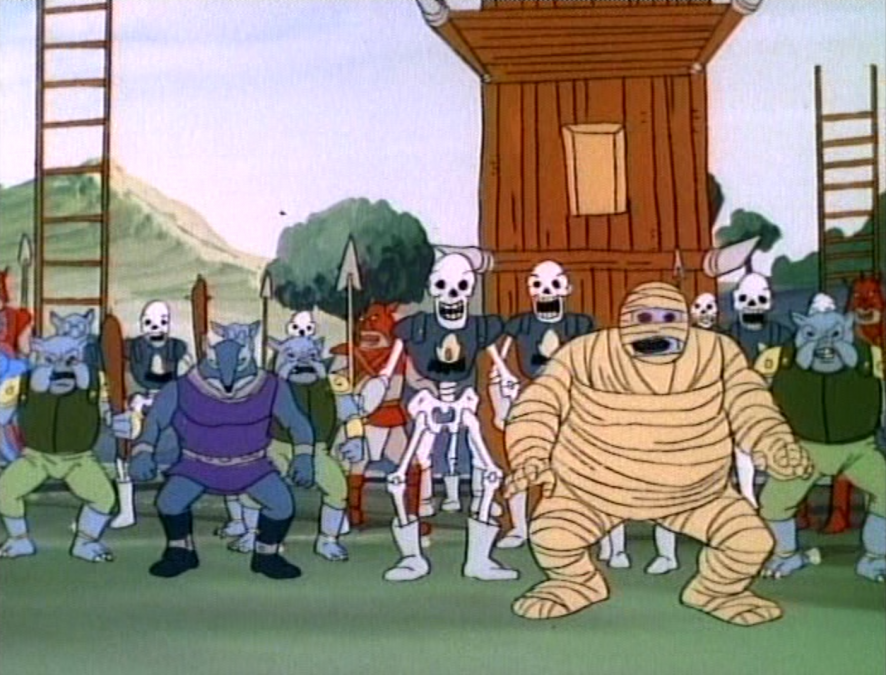
Next up in our examination of The Legend of Zelda cartoon’s broad bestiary, we have another mix of recognizable and obscure creatures from the game series.
Some of these foes make the smallest of the cameos, while others drive entire episodes forward. Some are a breeze for Link and Zelda to defeat, while others prove to be huge obstacle between our heroes and Ganon. Variety is still very much apparent in our third installment, and the following monsters are further proof that Ganon’s minions are the most interesting part of the cartoon.
If you missed part one and two, this series explores each enemy of The Legend of Zelda TV series in the order that they appear, excluding enemies created solely for it (such as Tinsuits and Water Monsters). We will also be comparing their appearances and behaviors with those seen in The Legend of Zelda and Zelda II: The Adventure of Link — these were the only games released when the TV series aired, and thus served as the main inspirations for it.
Gibdo

Appears in: “Kiss ‘N Tell,” “Underworld Connections,” “The Moblins are Revolting”
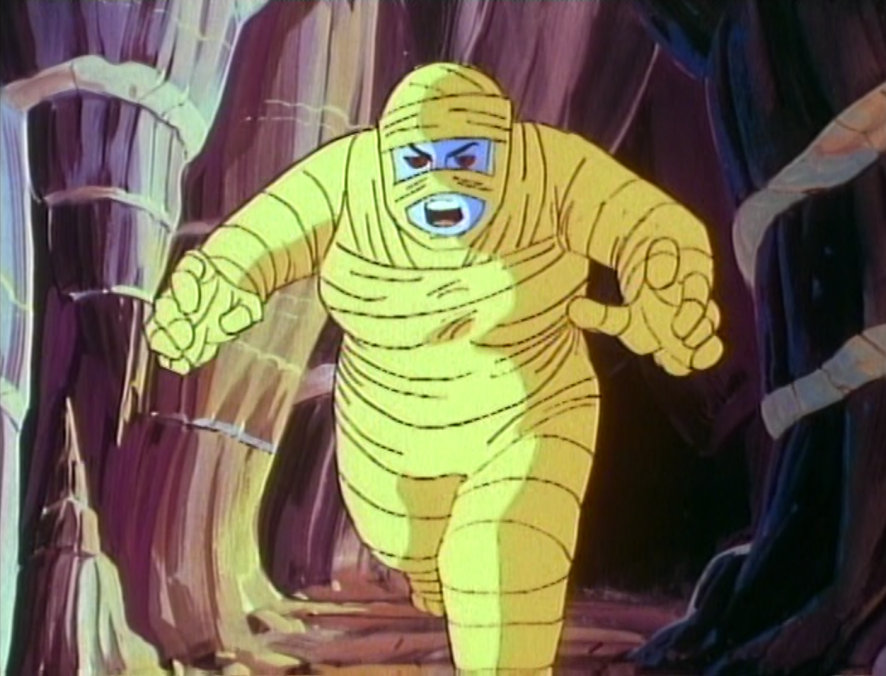
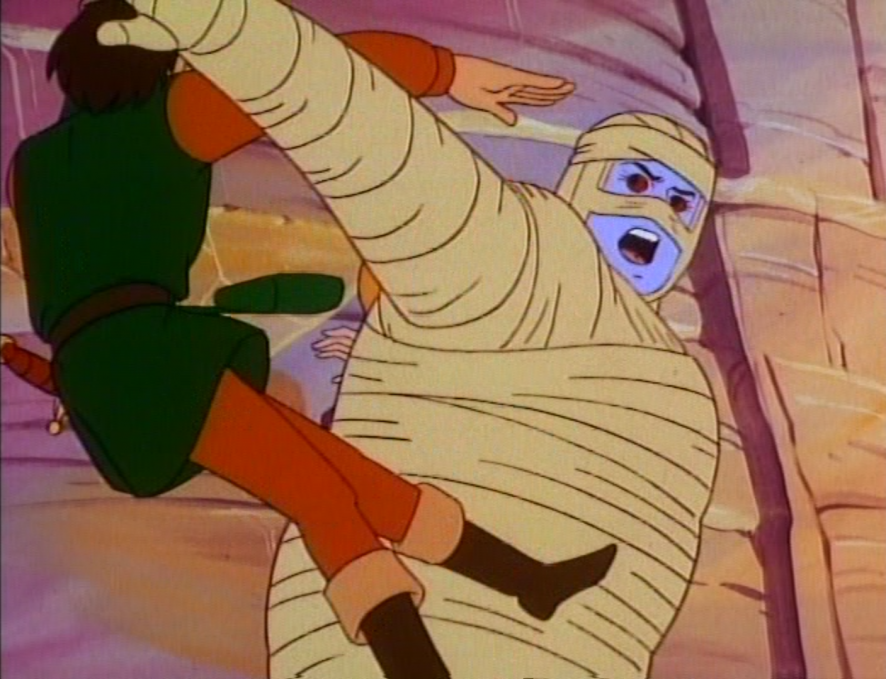
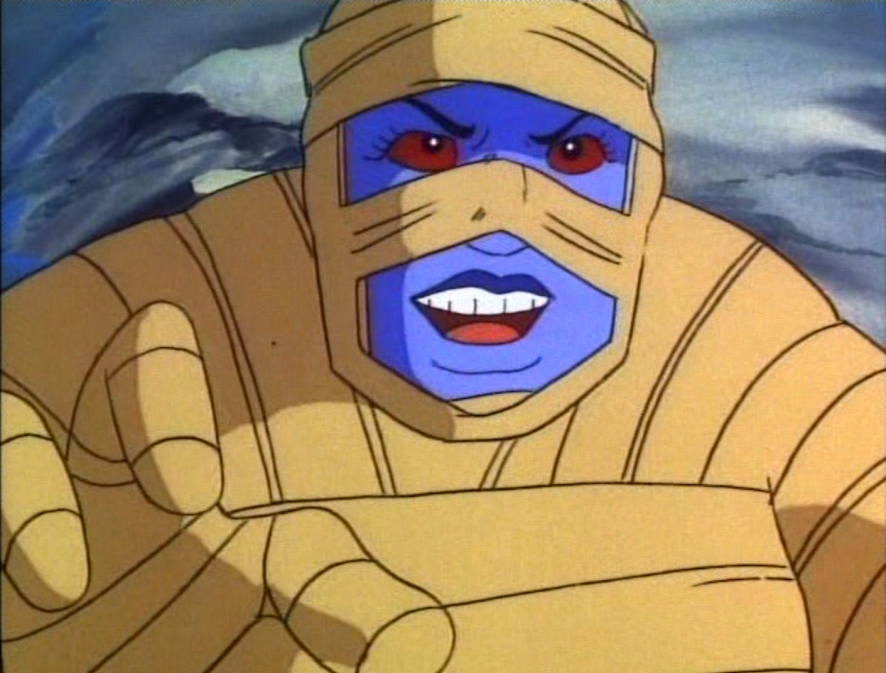
Out of all of the monsters in the TV series, the Gibdo may be the furthest from the source material for a number of reasons. In The Legend of Zelda’s official artwork, Gibdos are depicted as slim, mummified corpses, while the cartoon’s interpretation shows them as much broader and bulkier.
The game’s manual also describes the Gibdo as “the mummy man,” whereas the in show, it has a female voice and feminine traits such as large eyelashes. This is an interesting take and is a nice change of pace for the TV series, as most of the other minions appear to have male traits.
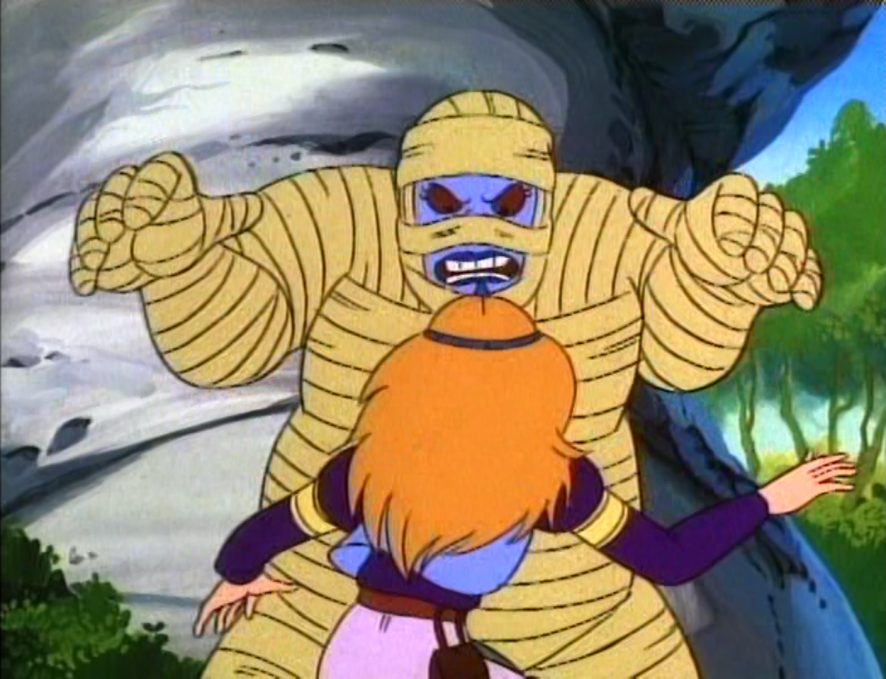
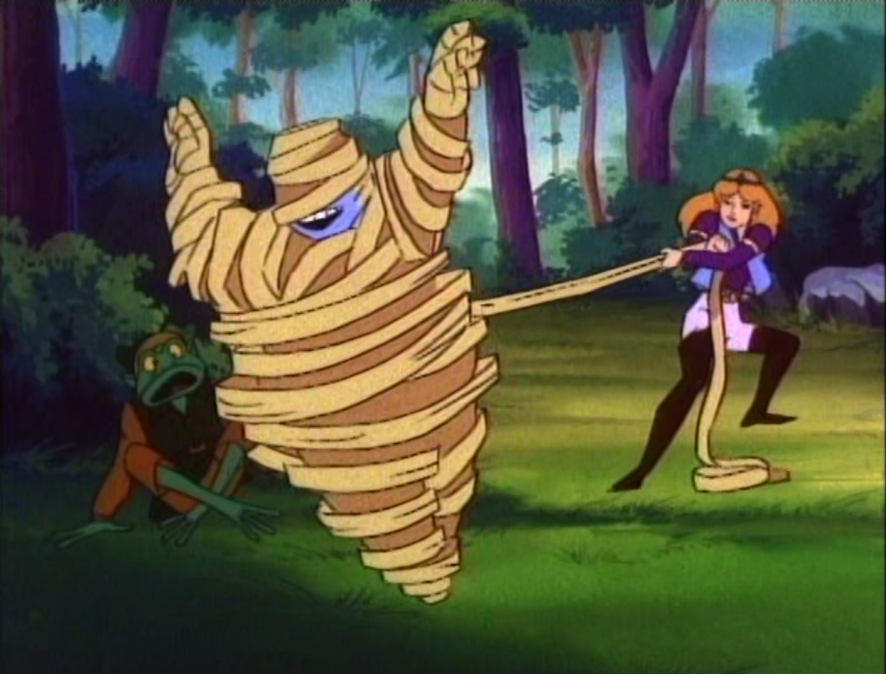
It also seems to have magical powers, disguising itself as a human and turning Link into a frog upon touch in “Kiss ‘N Tell.” Gibdos don’t appear to have any magical abilities in the original game, as they simply wander around the map. To the cartoon’s credit, however, the manual’s description does state that they have “some strange powers.”
A Gibdo briefly appears in “Underworld Connections” sprinting from the darkness towards Link and Zelda and swinging its arms at the adventurers. It also tried to grab the princess in “Kiss ‘N Tell,” showing that it is also capable of physical combat as well as magic.
Deelers
Appears in: “Kiss ‘N Tell”
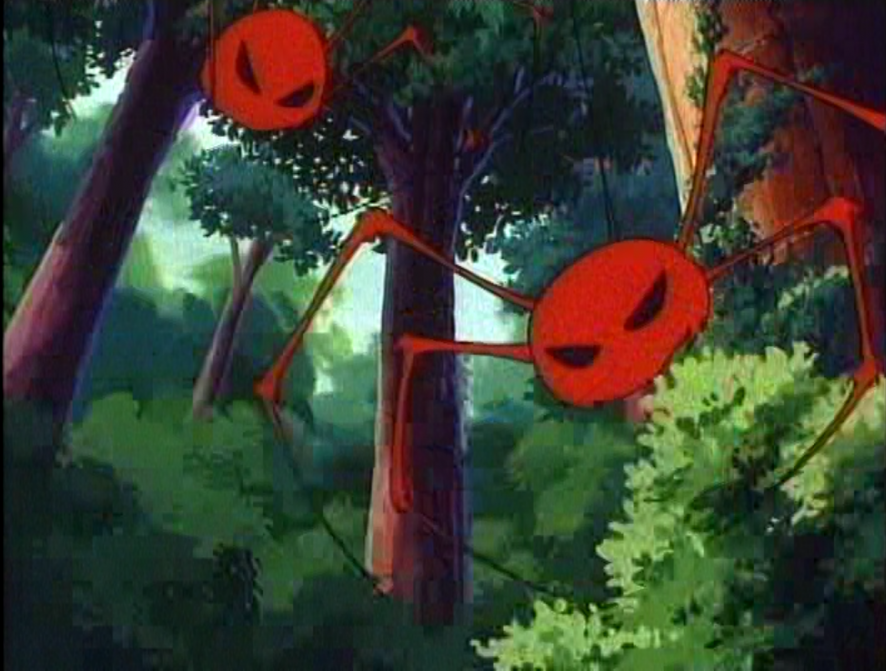
Deelers are spider creatures that exclusively appear in one (canon) Zelda game, The Adventure of Link. In the game, they attack Link by dropping from strings of web. This is also how they appear in the TV series, with two of them descending from a nearby tree after being summoned by Ganon.
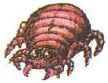
In the official artwork, the Deeler has a large body and hunched legs like a jumping spider, whereas the cartoon version of the creature has long, spindly legs like a cellar spider. They have a rather generic and featureless appearance in the series, especially compared to the creepy eyes and lined texture of the Deeler in the Zelda II manual, but this may be due to their extremely minor role in the cartoon.
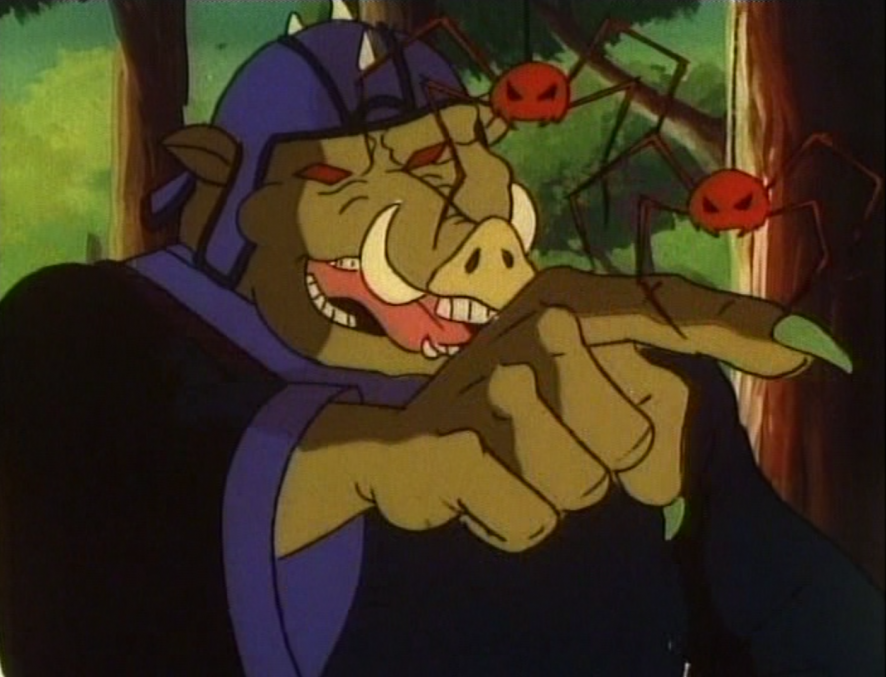
In fact, the Deelers have the least amount of screentime out of all of the enemies seen in the show. After Ganon summons them, he orders them to deal with an unconscious Link while he kidnaps Princess Zelda and heads back to the Underworld. The Deelers then disappear as quickly as they emerged, as Link, who has been turned into a frog, eats them before they have a chance to attack.
Vires

Appears in: “Sing for the Unicorn,” “Underworld Connections,” “The Moblins are Revolting”
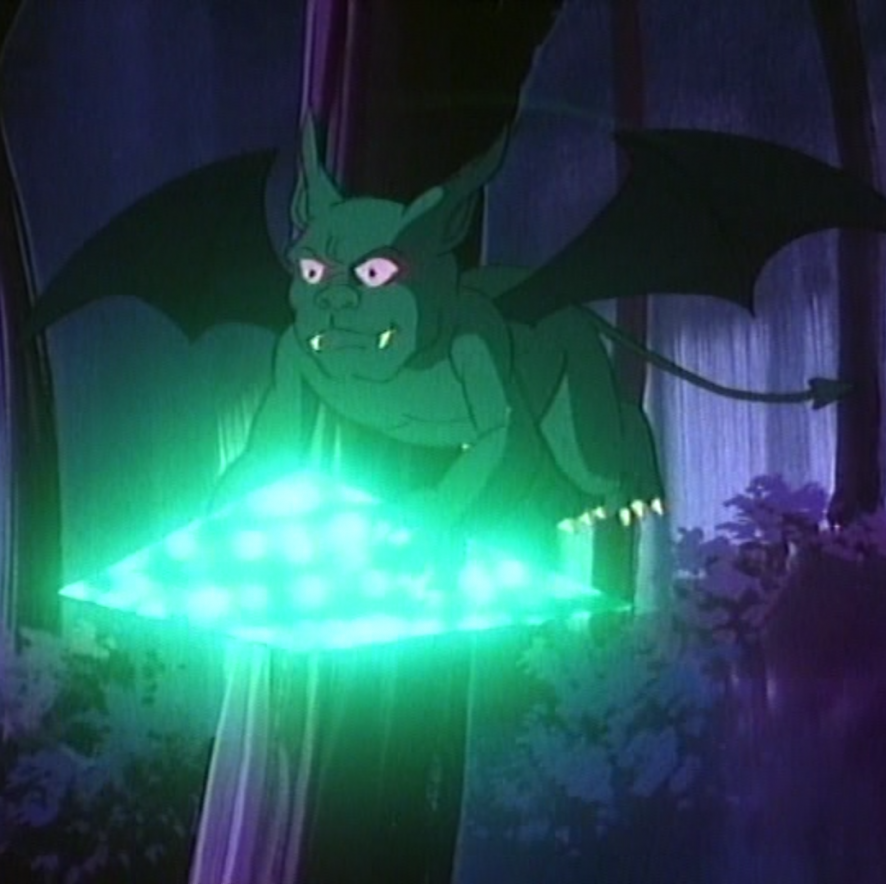
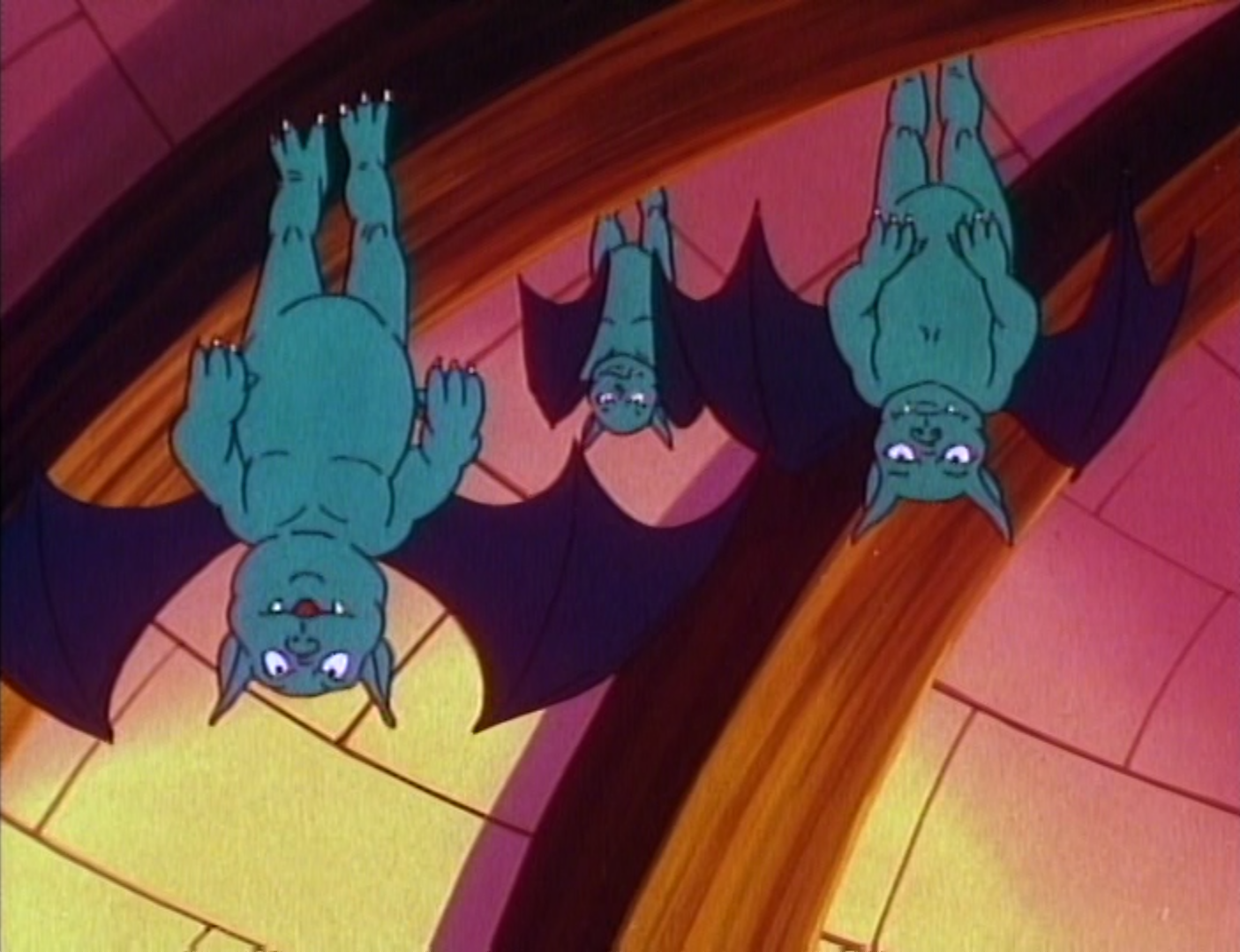
The main visual features of Vires in the games and the TV series are very similar, with blue skin, sharp claws and fangs, pointy ears, and wings. There are a few small differences that make the cartoon version look slightly less threatening, however. The game’s official artwork depicts Vires with four eyes, while the cartoon version of the creature only has two. The cartoon version also has a snout instead of a large, toothy grin and smooth skin instead of scales.
In The Legend of Zelda’s manual, the Vire is said to be a “devil that controls the Keeses,” and when attacked, “it turns into two Keeses.” Keese are the bat-like creatures that appear commonly throughout the game franchise, and while this transformation doesn’t happen in the TV series, the Vires themselves behave very similarly to bats in the cartoon. In both of their major appearances, the Vires appear in swarms during the night at the beginning of “Sing for the Unicorn” and “Underworld Connections.” In the latter episode, the Vires are also seen hanging upside-down on the ceiling of Link’s room.
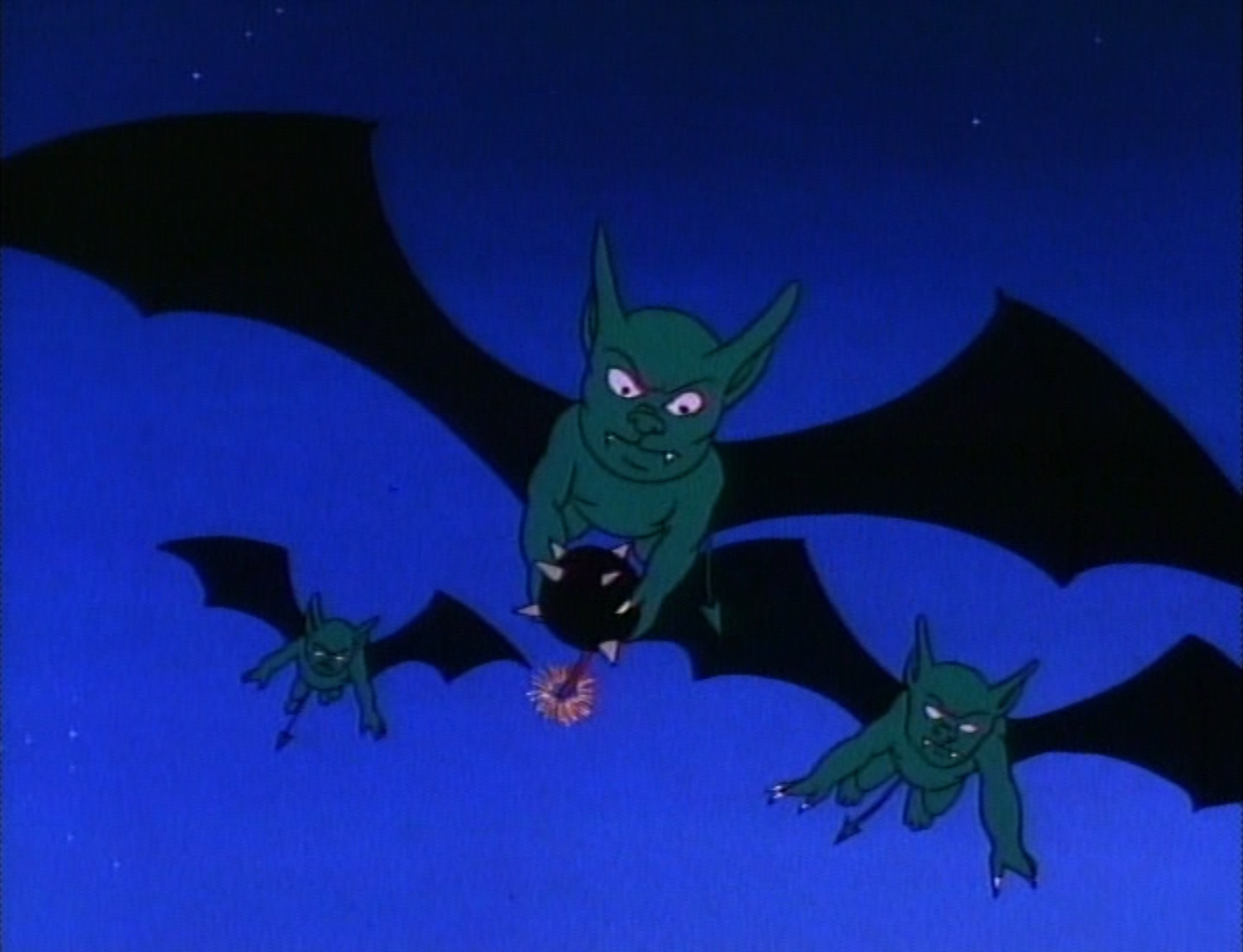
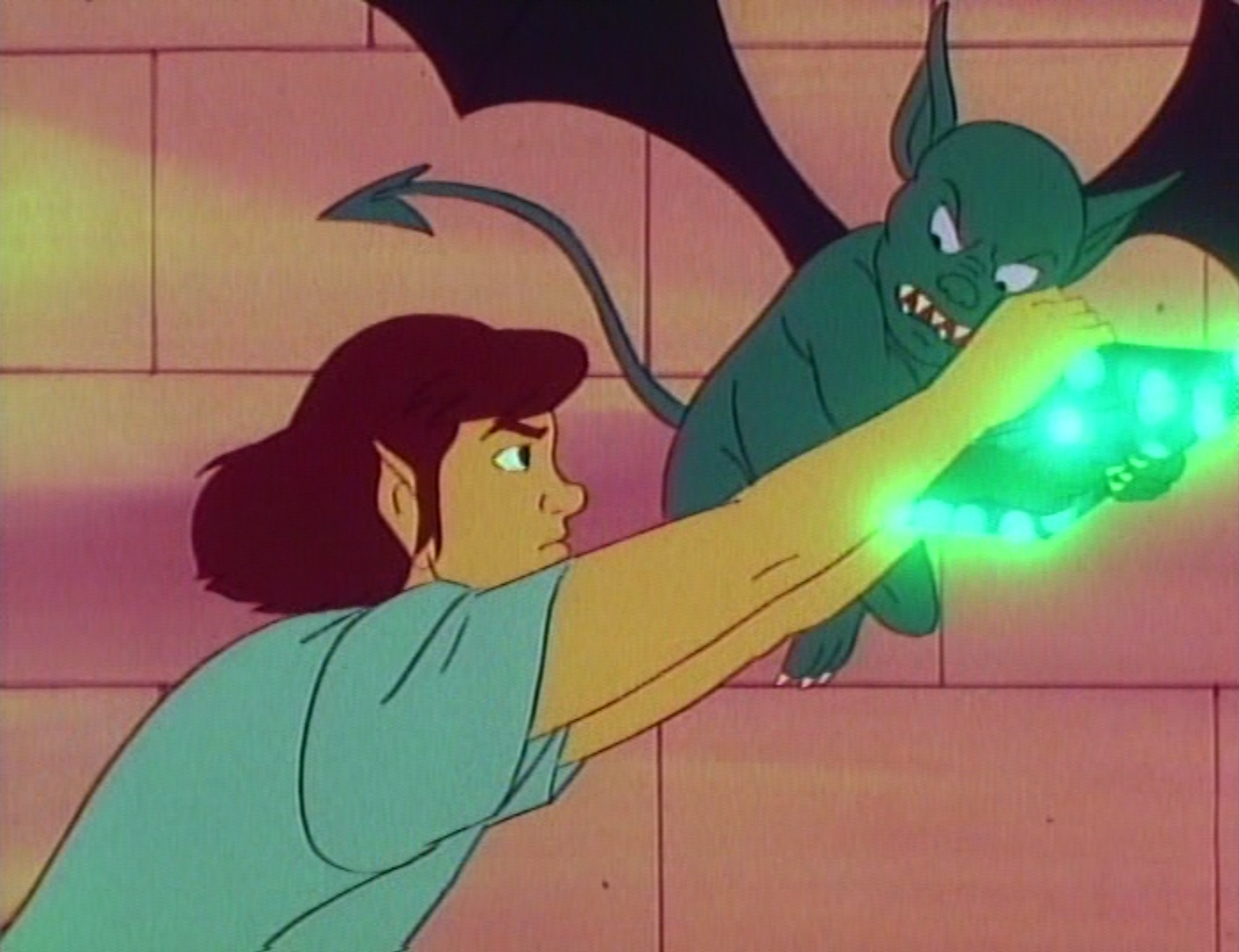
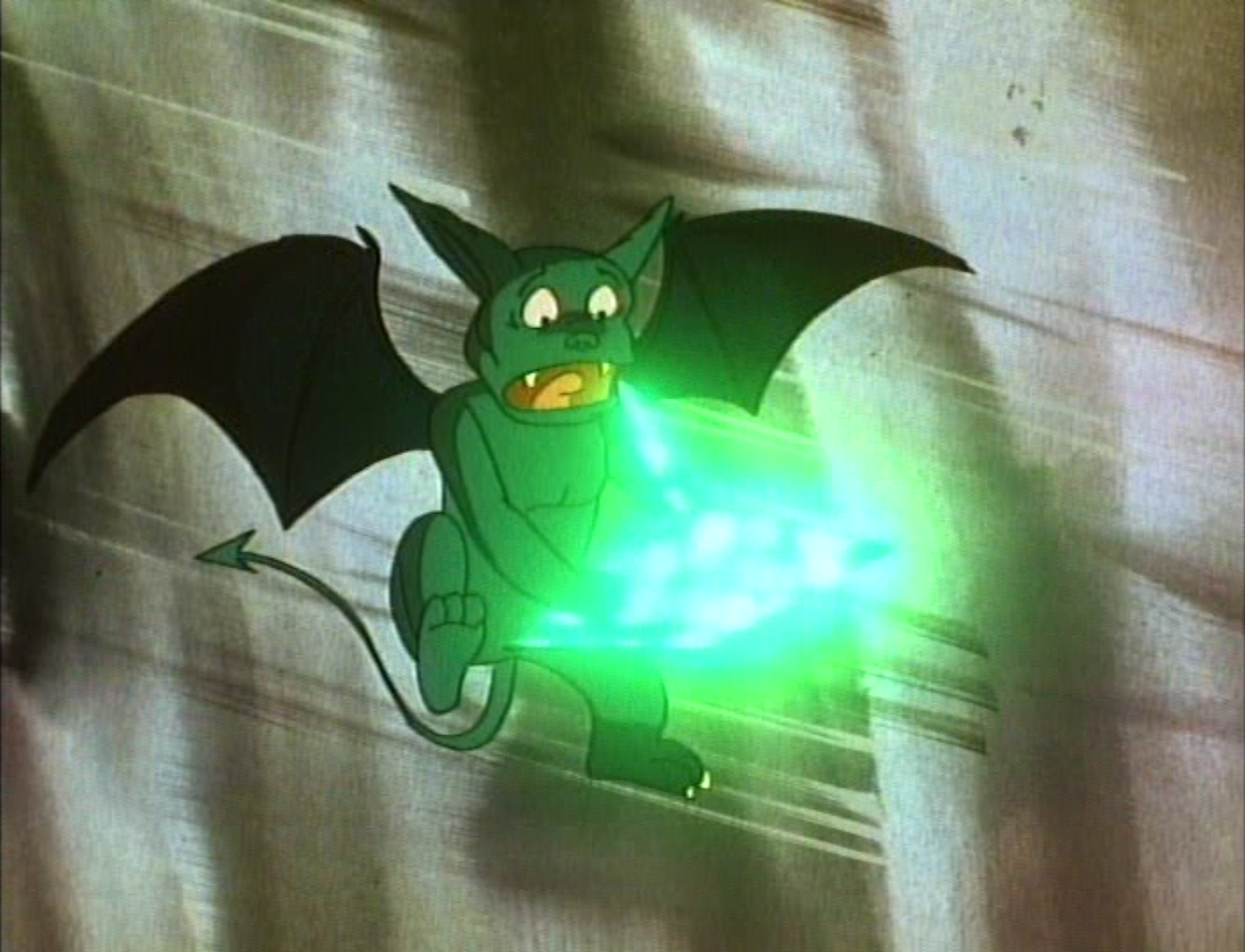
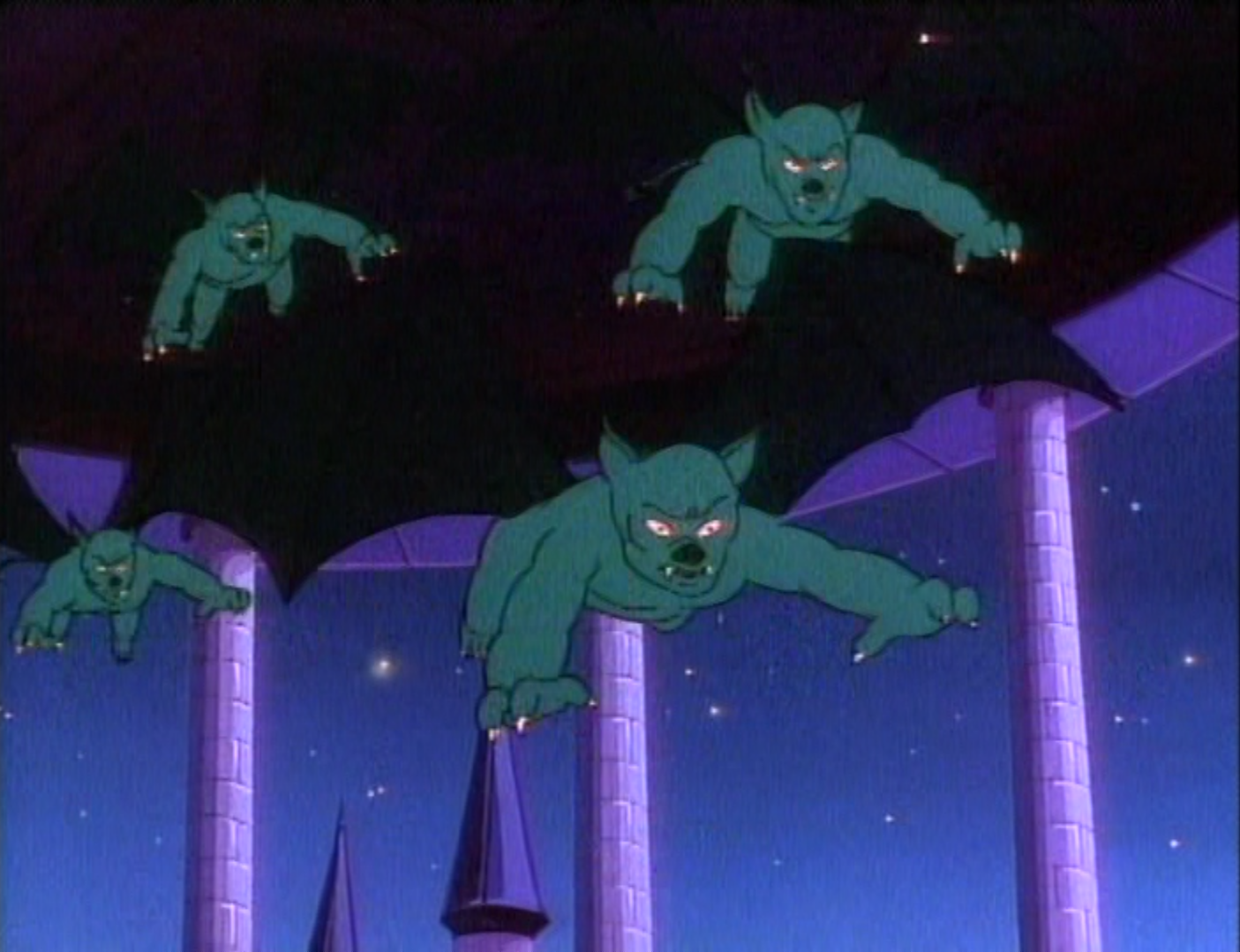
In their first appearance, Vires group together to lift Link high into the air, allowing their master Ganon to escape on a flying unicorn with King Harkinian as his hostage. Link falls from a great height, seemingly to his doom, but he manages to grab the feet of more Vires on his way down, breaking his fall. When reporting to Ganon, they speak frantically and giggle erratically.
The Vires play a big role in “Underworld Connections,” as they break the Triforce of Wisdom into three pieces using a bomb. Alone, a Vire is limited in the weight it can carry, but three Vires are each able to carry a shard. By splitting up, two of the shards end up in different areas of the Underworld, setting Link and Zelda on another adventure. Finally, Vires are part of the Brotherhood of Underworld Monsters in “The Moblins are Revolting,” and are briefly seen carrying Octoroks in the air in an attempt to attack North Castle.
Armos
Appears in: “Sing for the Unicorn”
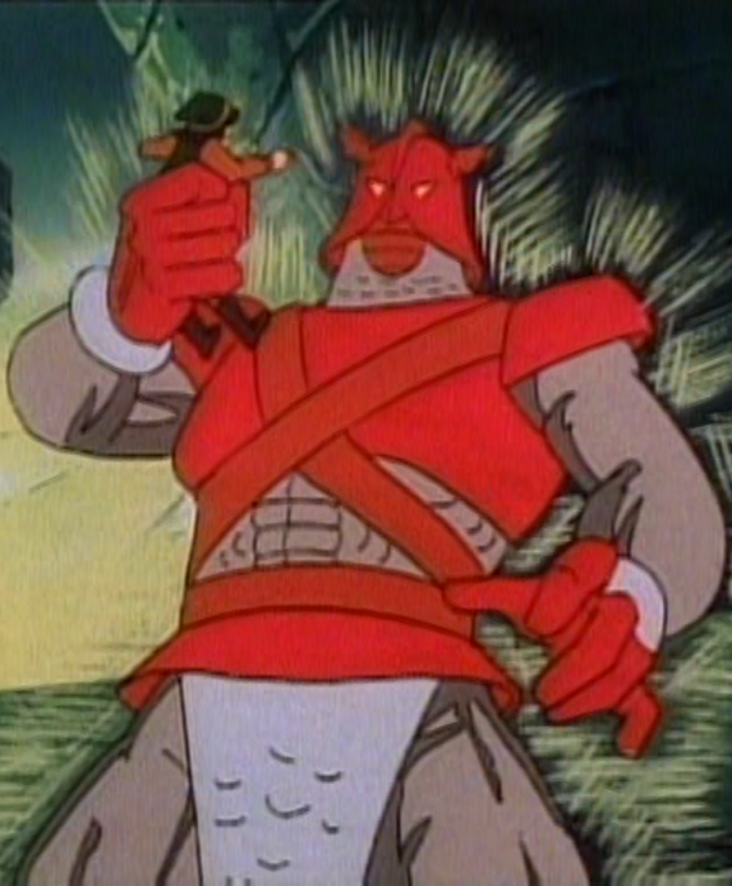
The Armos are easily the largest enemy seen in The Legend of Zelda TV series, bigger even than the mighty Gohma and Gleeok. Their size greatly contrasts with those in the original Legend of Zelda game, as the manual describes the Armos as “A soldier who has been turned into a stone statue,” suggesting they are man-sized.
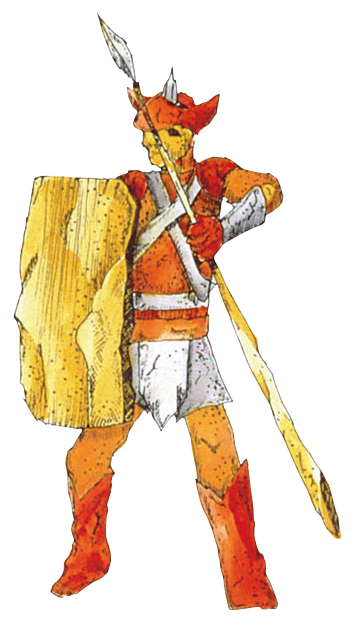
The Armos in the cartoon mostly retain the armor design of their counterpart seen in the game manual, though their coloring is different. They still have that main shade of red, but they have swapped their yellow and orange palate for gray. They also don’t have shields, and they have a robotic-style helmet instead of a human-esque face.
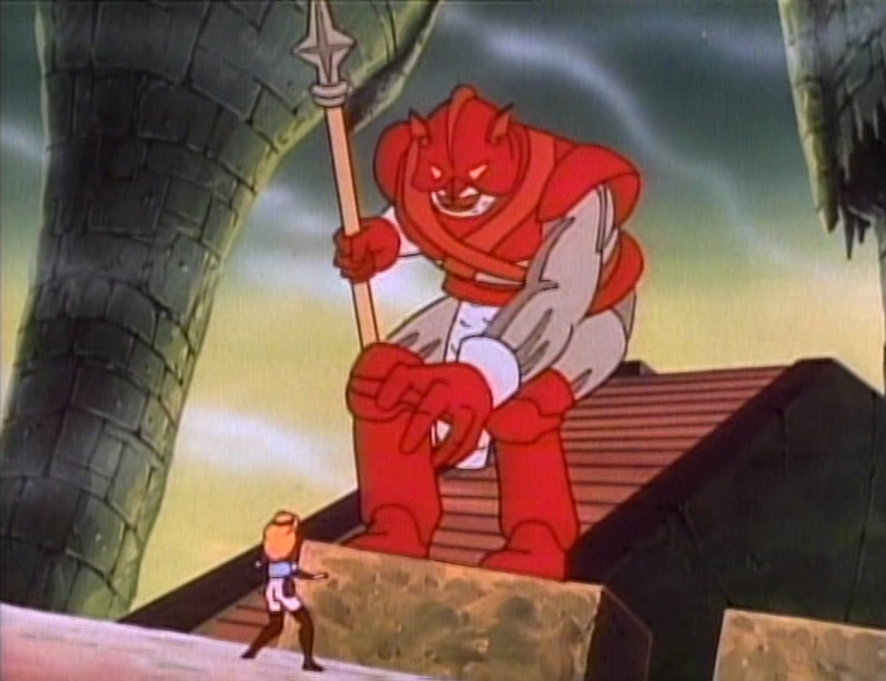
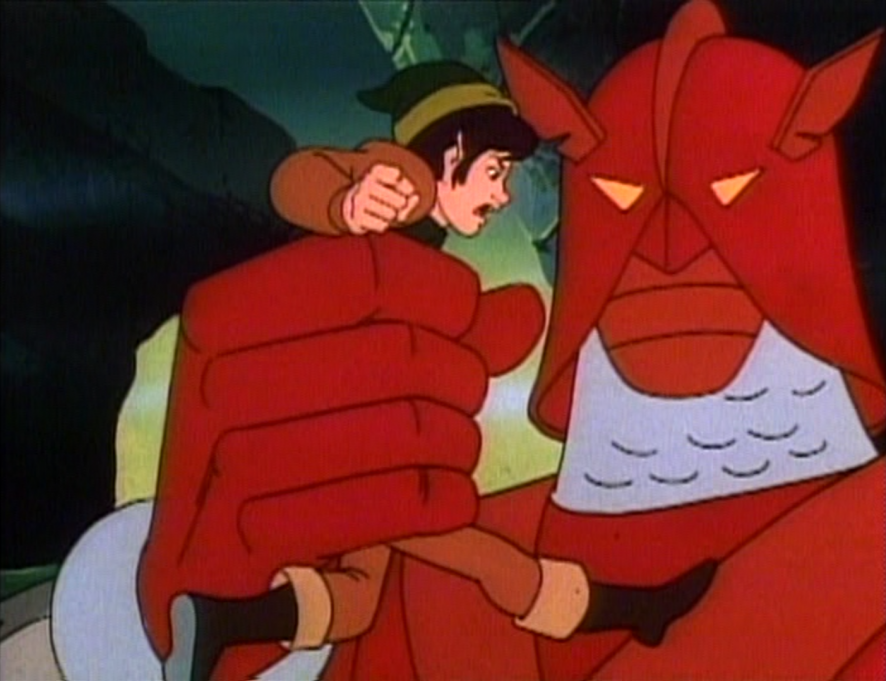
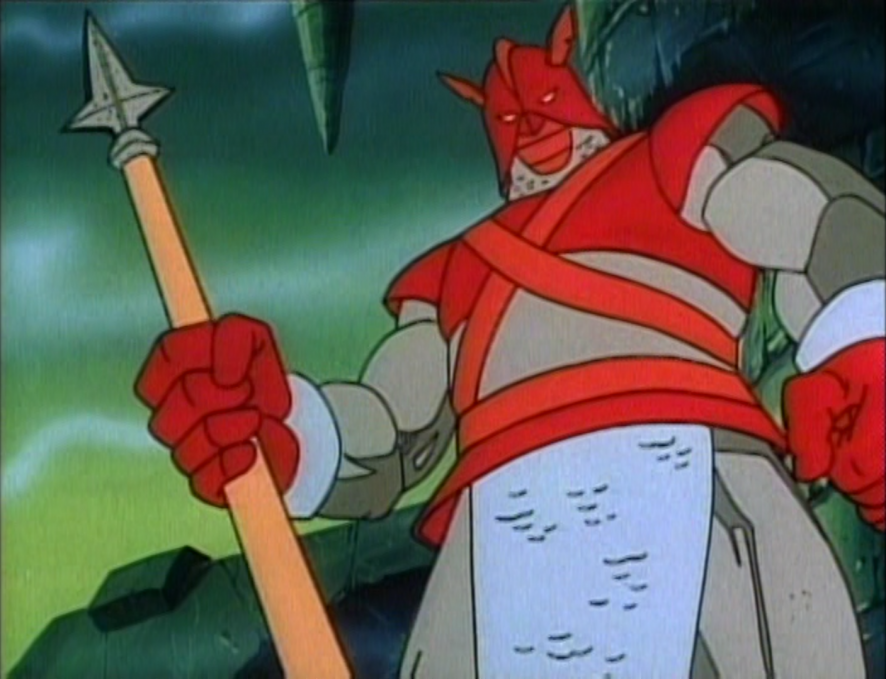
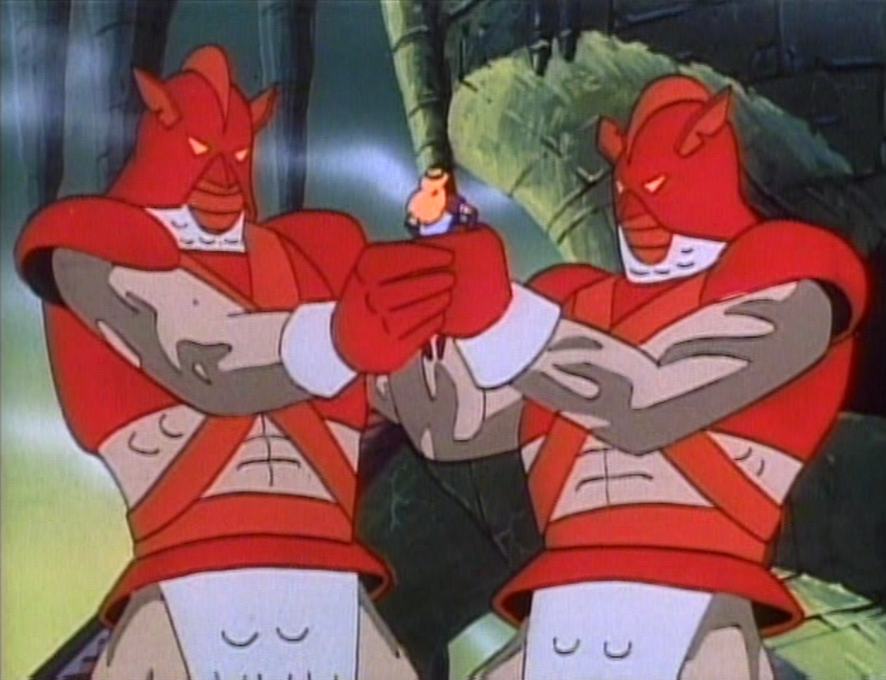
In “Sing for the Unicorn,” they tower over Link and Zelda as the heroes enter a large chamber in the Underworld. Link warns Zelda not to touch the “statues,” but he is too late as the princess places her hand on the base of one. Like in the games, Armos are initially inactive and come to life when touched. Link is knocked back into another Armos statue and Zelda accidentally touches another, leaving the duo to fight three of the enormous, mechanical figures.
This is the one and only appearance of the Armos, though there appears to be a smaller, subordinate version of this adversary called the Tinsuits. Tinsuits are foes exclusive to the cartoon, appearing in a number of other episodes with a design identical to that of the Armos. They are much smaller, however, standing at Link and Zelda’s height, and they attack in groups.
Lynels
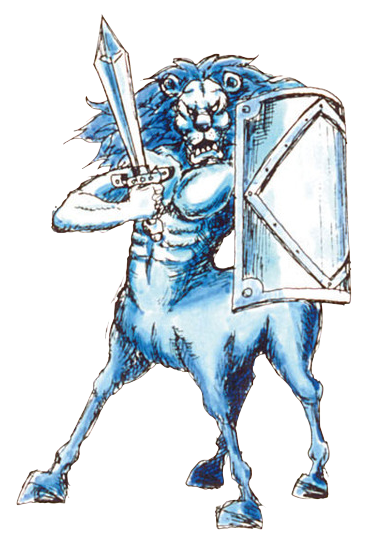
Appears in: “Sing for the Unicorn,” “The Moblins are Revolting”
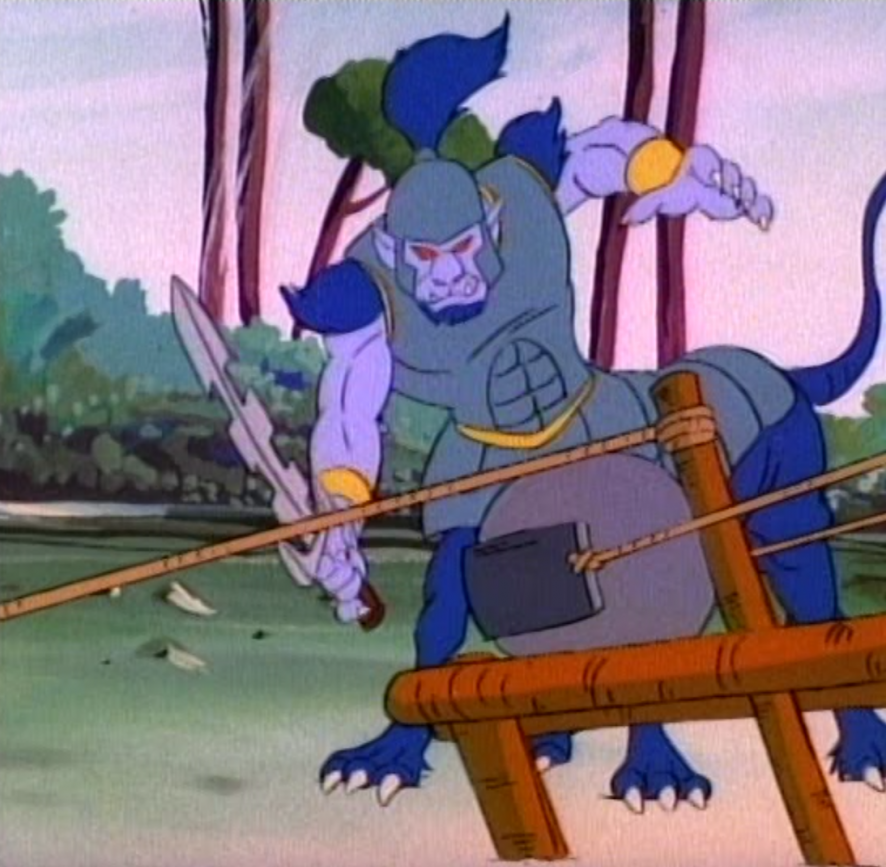
Lynels maintain their centaur-like appearance in the cartoon, though unlike the official game artwork, they lack their shields, manes, and lion-like heads. The cartoon version appears to have more armor, too.
They are the only enemy to have two color variants in the cartoon as they do in the original Legend of Zelda game, with Link fighting a red and a blue Lynel simultaneously.
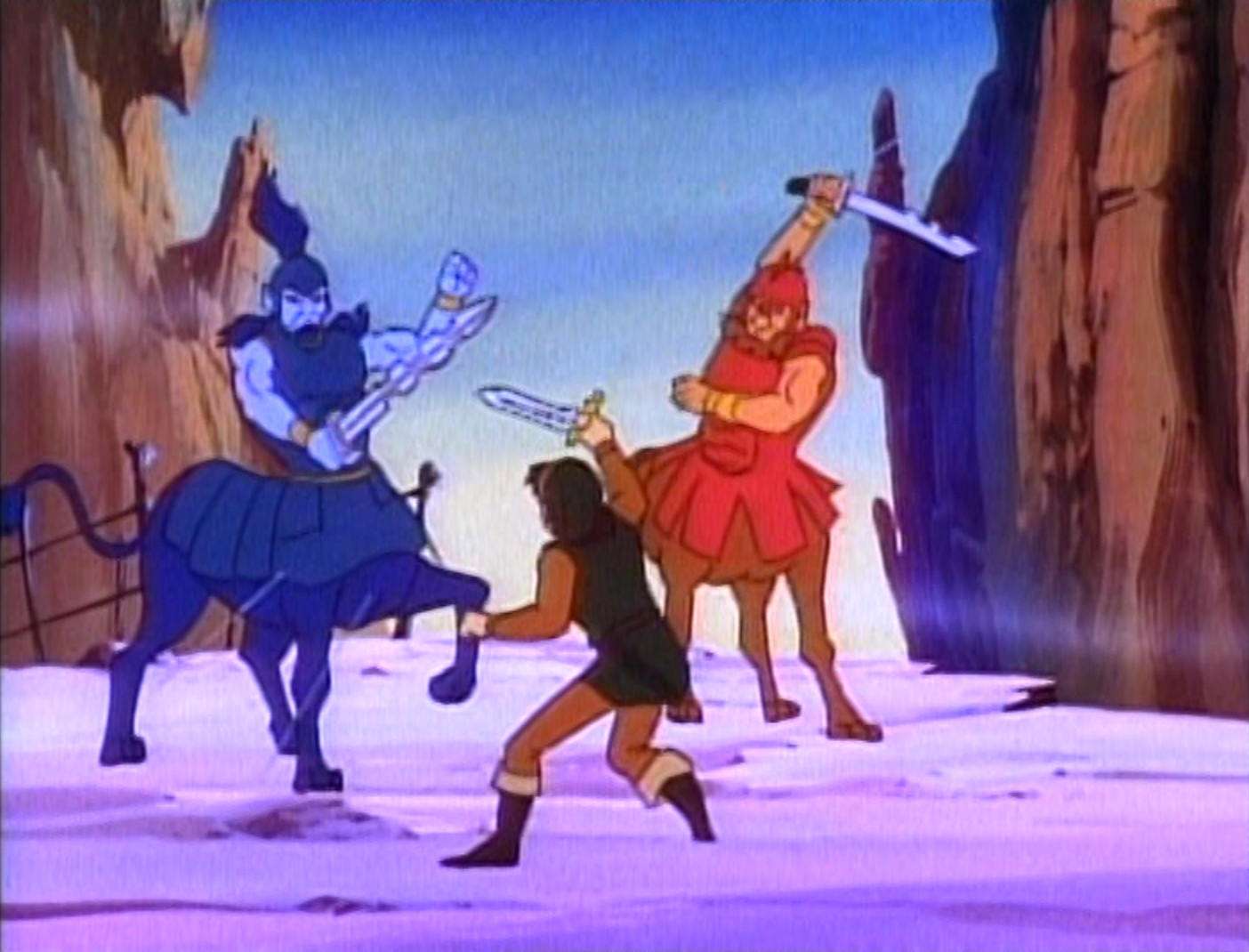
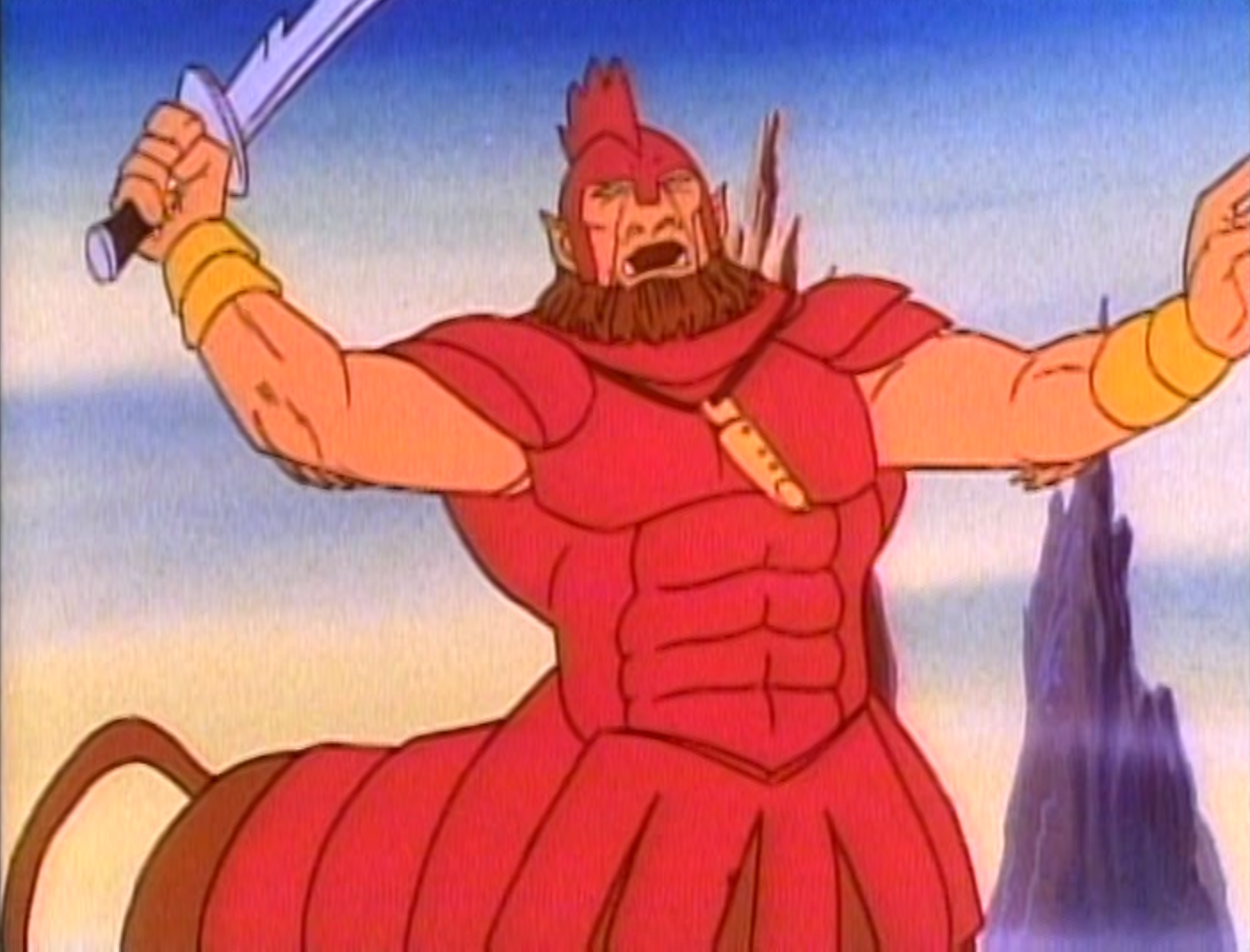
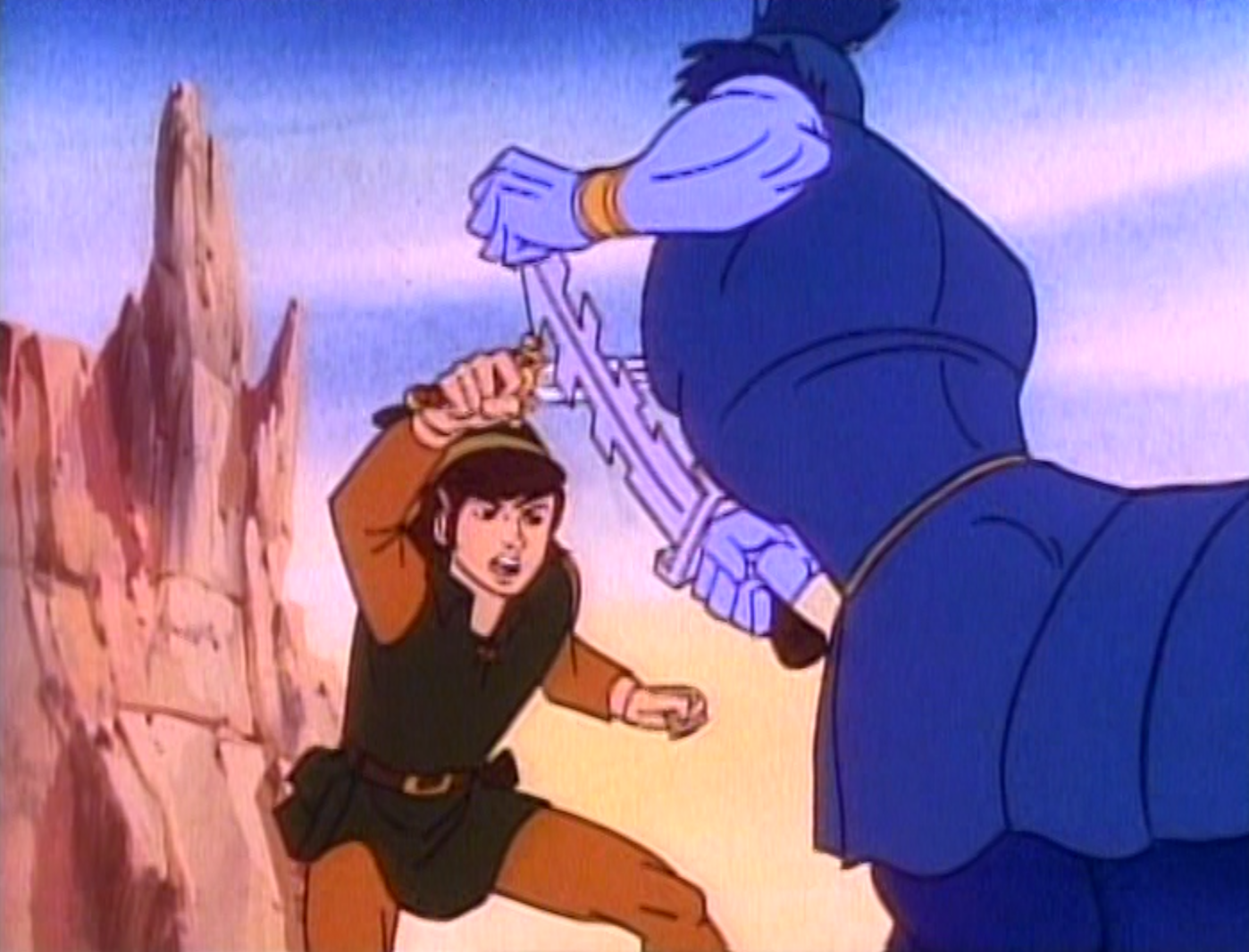
The first Lynel encounter is very brief, as Link is already engaged mid-fight with them when the scene cuts back to the path to Ganon’s lair. Link zaps them and makes quick work of them both, with one of them dropping the Magic Whistle. They make an even smaller appearance in “The Moblins are Revolting,” with a Lynel launching a catapult too early during the unorganized and chaotic assault on North Castle.
It’s funny to see Lynels taken out so easily in the cartoon these days, after all the trouble they have given Breath of the Wild players. It’s a shame they couldn’t have had a bigger role, though, as even back in the original Legend of Zelda, the Lynel was a deadly opponent.
Goriyas
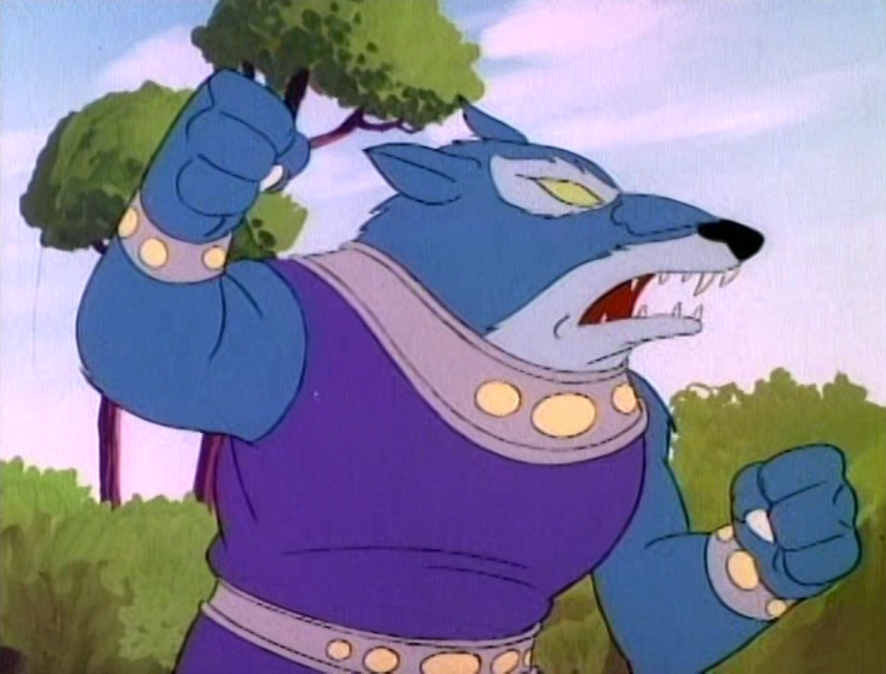
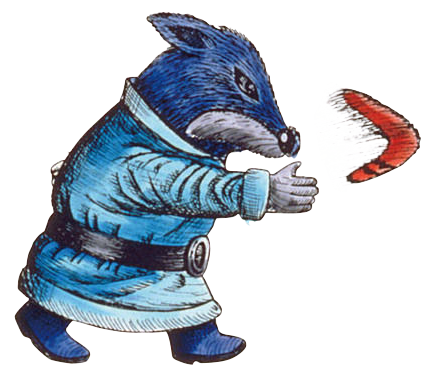
Appears in: “That Sinking Feeling,” “The Moblins are Revolting”
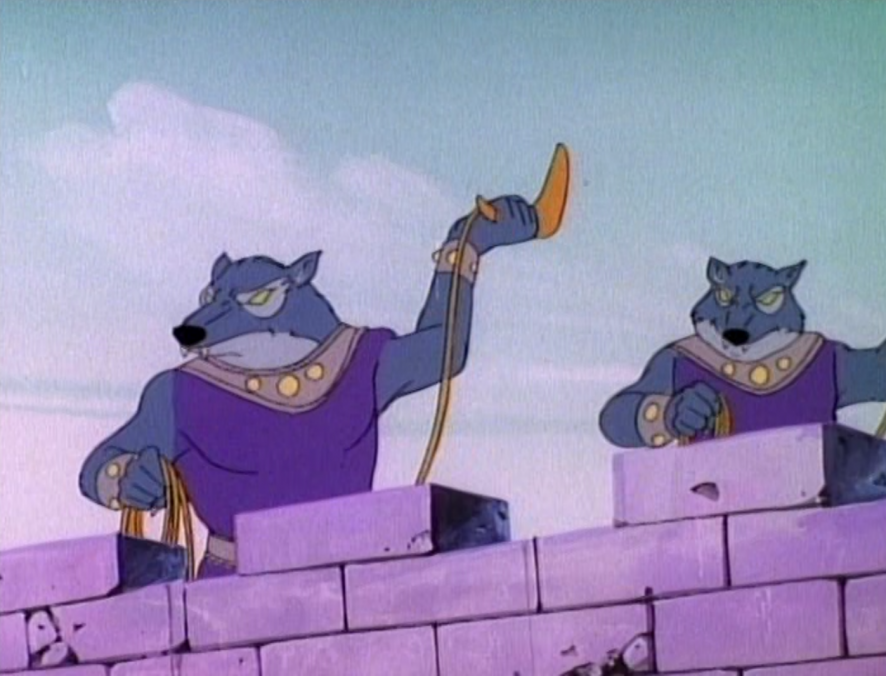
Goriyas appear more wolf-like in the cartoon, as opposed to the rodent features of The Legend of Zelda manual artwork. Paying homage to their signature weapon in the first two NES games, the Goriyas can be seen wielding boomerangs in “The Moblins are Revolting.”
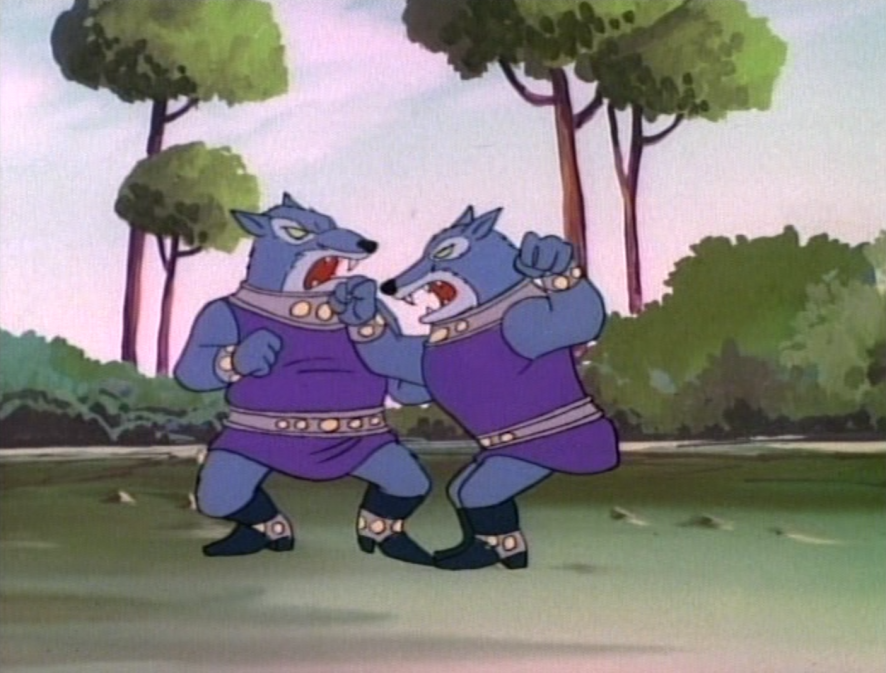
Funnily enough, they are never seen attacking Link and Zelda. They do scrap with each other and against their fellow Moblins, however, due to their frustration at their constantly failing plans.
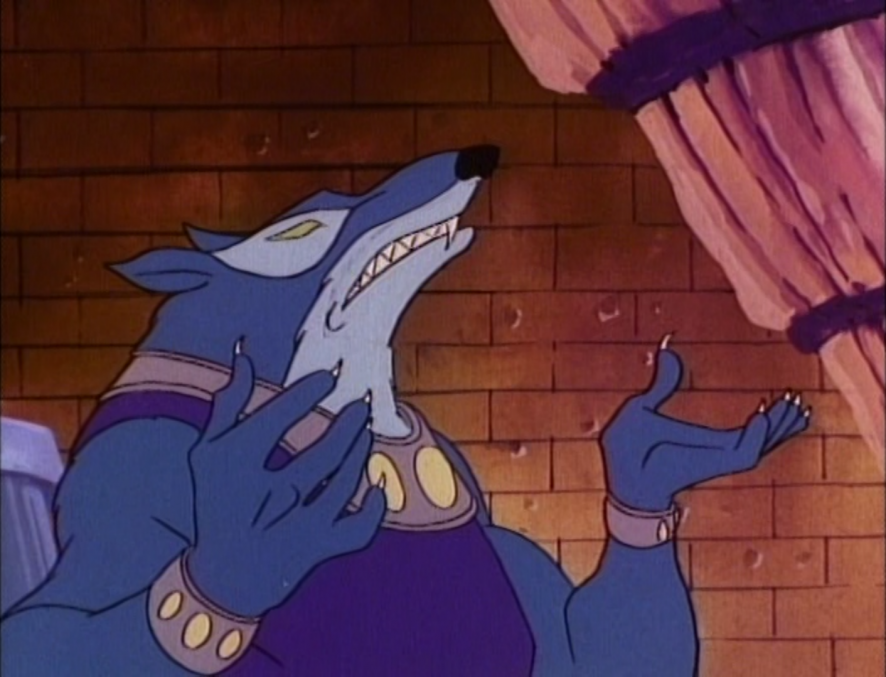
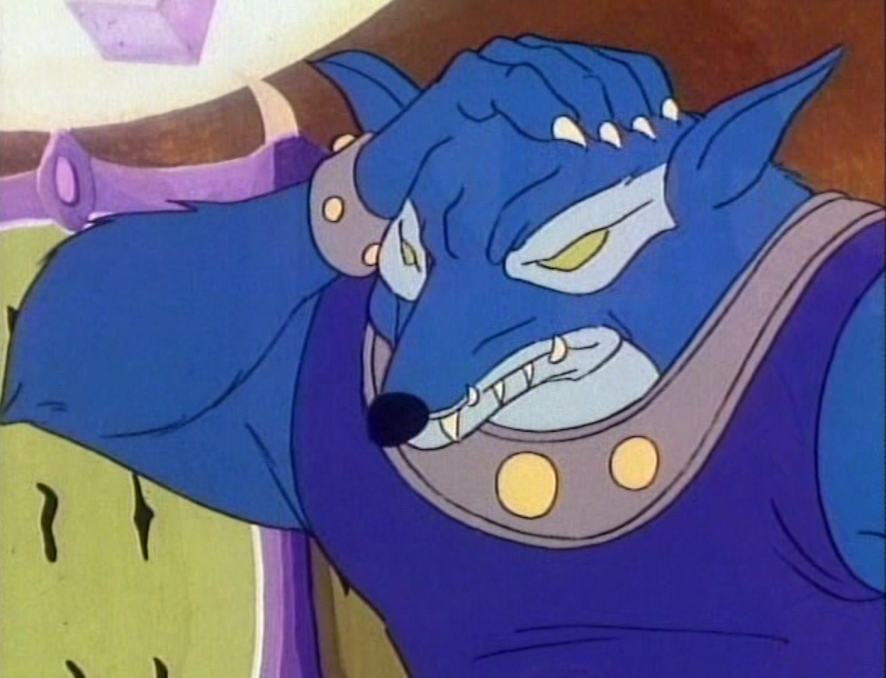
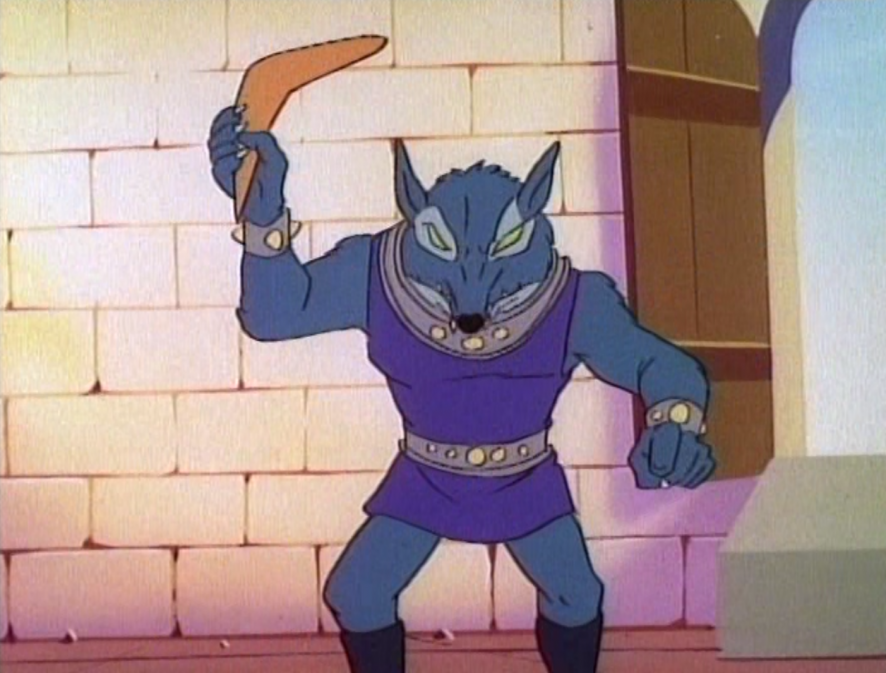
In “That Sinking Feeling,” a Goriya has found the Overworld Magnet deep in the Underworld, which Ganon says is “one of the greatest spells of the ancient wizards.” Ganon places the Goriya in charge of the spell, but after it fails to capture Link and Zelda, it receives a zap from its master as punishment.
The Goriyas play a major role in “The Moblins are Revolting,” as they are first to suggest overthrowing Ganon, leading to the formation of the Brotherhood of Underworld Monsters. The Goriyas are one of the few enemy types that can speak but, like the Moblins, they aren’t too fluent with their English, missing out connectives and correct grammar in their speech.
Credit to Zelda Wiki for all of the manual artwork.