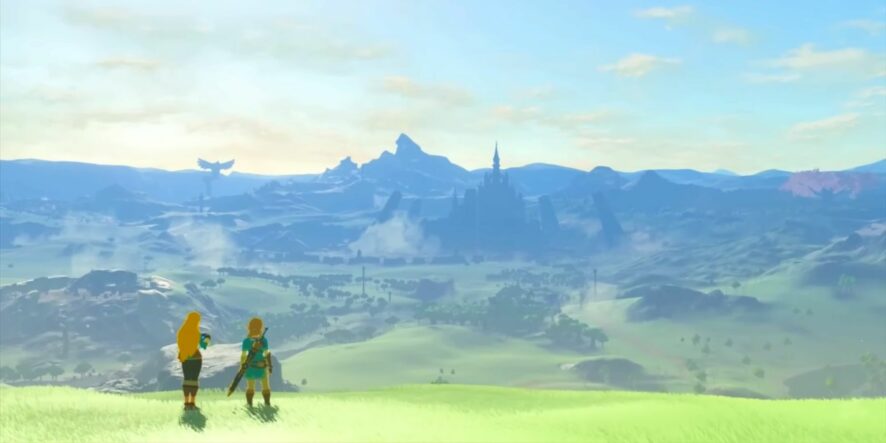
It has now been over a decade since The Legend of Zelda: Breath of the Wild was first revealed at E3 2014. A game that still feels fresh, especially with its recent sequel, has captivated audiences since its release seven years ago. The journey began on January 23, 2013, when series producer Eiji Aonuma announced that the new mission for the series would be to “rethink the conventions of Zelda.” All we knew is that the team was going to challenge the traditions of previous installments, such as dungeon linearity and restrictive map environments. After two delays, Breath of the Wild finally launched on March 3, 2017, following a 1,932-day wait after Skyward Sword, making it the second-longest gap between 3D Zelda titles (the longest being Tears of the Kingdom, releasing 2,261 days after its predecessor).
When Breath of the Wild was first revealed, I was a thirteen-year-old in eighth grade, and my lifelong adoration for Nintendo was beginning to wane. Despite the wealth of 3DS titles available, I was fixated on the Wii U. After playing Hyrule Warriors in 2014, my passion for gaming faded like fog on a fall morning. For a year and a half, I drifted through life without much thought for gaming — until a warm summer day in June 2016. While on Snapchat, I found in the “discover” section an image of Link using his paraglider with the title “The Legend of Zelda: Breath of the Wild Revealed!” written across it, which came from coverage of the E3 announcement that day. My forgotten love for Zelda reignited, and I vividly remember that eight-month wait leading up to the game’s release. When I finally picked up my preorder at my local GameStop, I was exhilarated.
However, that excitement quickly soured. I found myself increasingly disappointed: Why wasn’t Link wearing green? Where was his hat? Why is the world so empty? Where are traditional items? The ruins scattered throughout Hyrule left me desolate. I didn’t like the weapon durability system. Shrines replaced traditional dungeons, and while the Divine Beasts were intriguing, they robbed me of the elemental temples I once adored. The memories of the past seemed much more interesting to play through than in the modern day. One of the biggest aspects of the series for me had always been its incredible stories, yet this game seemed to prioritize exploration over narrative.
After discovering that there were seemingly only Korok Seeds to collect and the same limited enemy variety scattered around the overworld, I felt betrayed; as if I had been handed a spin-off rather than a true Zelda game. The developers cited Skyrim and Shadow of the Colossus as influences — two games I had neither played nor wished to. It felt like all that waiting, to quote Princess Zelda herself, “was all for nothing.” The game received widespread acclaim, but I found it frustrating. It felt like a punishment for the general disapproval of Skyward Sword’s linearity, something I had no problem with anyway.
Time passed, and I returned to gaming with a Nintendo Switch in 2018, and replayed the game on it to no avail. I just couldn’t grasp the idea that this is what Zelda had become. I wanted to move on from this state of Zelda as soon as possible. Ironically, a sequel we now know as Tears of the Kingdom was announced at E3 2019 and a prequel Hyrule Warriors: Age of Calamityreleased in 2020. I worried that the franchise would now only use this specific era and art style. Part of why Zelda is a franchise in such high regard is because of its ability to successfully reinvent itself with each new installment. But at the time, I hadn’t realized the Breath of the Wildwas a successful reinvention. It felt too defiant and brazen. I believed that the developers had gone past reinvention and instead completely altered the game. But that’s simply what needed to happen to refresh the series.
When Tears of the Kingdom released in 2023, I was ecstatic, yet hesitant. Despite my doubts, I enjoyed the game, but a strange sense of nostalgia for Breath of the Wild lingered. Last month, a year after playing Tears of the Kingdom, I decided to finally replay Breath of the Wild to 100% completion. This is something I’d done with every Zelda game I owned before it. But, this time, I had one goal — to have fun. It had been six years since my last playthrough, and I wanted to rediscover its story, characters, and the simplicity I once overlooked.
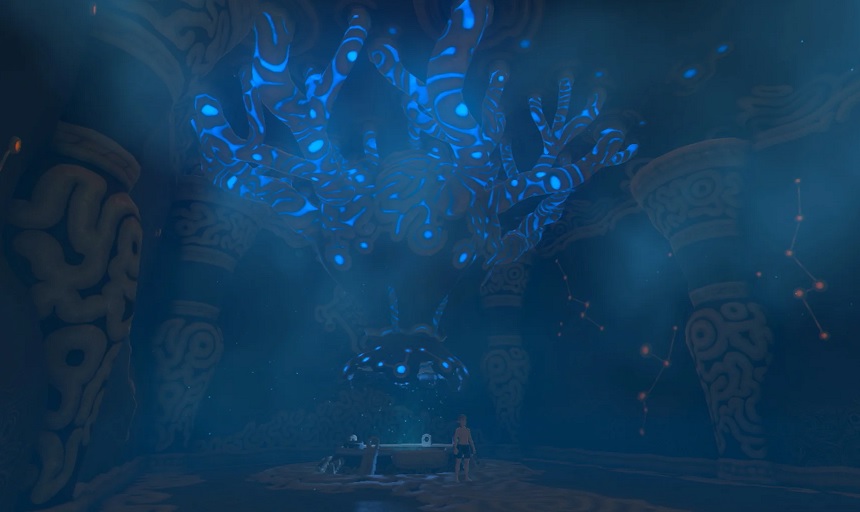
As I deleted my previous save file and reentered the Shrine of Resurrection all these years later, I fully immersed myself in the game. I dyed nearly every clothing set—a detail I had before ignored, as I wanted each set to be as close to canon as possible—and completed the Divine Beasts in a new order. I read all the character diaries, traversed every inch of Hyrule to find all nine hundred Korok Seeds, earned each Kilton medal, and upgraded Link’s clothing. This playthrough illuminated a crucial realization: my earlier experiences were marred by rigid expectations and an unwillingness to embrace change. I had been too focused on adhering to tradition rather than exploring the freedom the game offered.
During this playthrough, it finally clicked for me. When I first played Breath of the Wild, I hadn’t allowed myself to just enjoy the experience. The many changes overwhelmed me, and I felt betrayed by the absence of familiar traditions, thinking I had to adhere to the way previous Zelda games were played. I followed the game’s instructions too closely, missing the opportunity to explore and discover on my own, contrary to the developers’ intention. The game was designed to be experienced at a new pace, free from the constraints of earlier installments. I finally grasped the essence of this new design philosophy.
As I completed my playthrough, I discovered joy in the very simplicities I once despised. This time, I allowed myself to embrace Breath of the Wild for what it truly is. The game’s isolation and sadness take on an artistic quality, something I was too immature to appreciate before. I loathed its narrative, often claiming it lacked a true story. Yet, the memories within Breath of the Wild provide some of the most compelling motivation found in any video game.
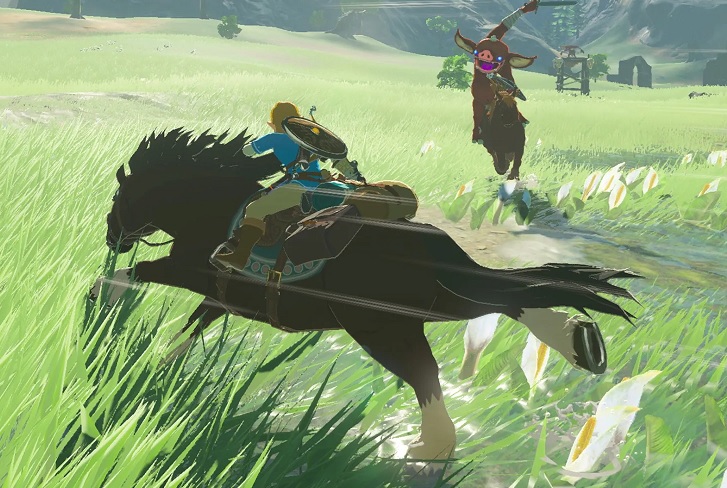
Link’s amnesia strips him of his past, and the Champions—each a beautiful and strong-willed figure with a deep love for their people and Hyrule—experience tragic failures and deaths, producing one of the darkest tales of the series. Unraveling their stories through memories and reclaiming a land lost to Calamity Ganon became a profoundly powerful journey. In contrast, the game’s simple pleasures bring delight in numerous ways. Whether it was shield surfing, sand seal riding, paragliding, Goron mini-golf, or cooking, the game effortlessly wove moments of joy throughout my experience.
As I marked my final 100 percent task complete, a wave of satisfaction washed over me, mingled with nostalgia and gratitude. Completing Breath of the Wild for the first time felt like not just finishing a game, but also closing a chapter of my gaming journey. I realized how much my perception had evolved. What once felt like a betrayal now emerged as a profound appreciation of freedom and discovery. This experience has taught me the importance of embracing change, not just in games but in life. It reminds me that sometimes, we must let go of rigid expectations to fully appreciate the beauty of something new. Looking ahead, I feel a renewed excitement for the future of the Zelda franchise.
I now welcome the unexpected, eager to see how this iconic series will continue to reinvent itself. Ultimately, Breath of the Wild isn’t just a game — it’s a testament to growth, resilience, and the joy of rediscovery, reminding me that sometimes the best adventures come from allowing ourselves to simply have fun.
Jeremy Clevenger
Jeremy is a recent university graduate holding a degree in International and Global Studies. He has a strong passion for globalization and linguistics, with a focus on the impact of gaming on society and vice versa. He is actively studying French and Japanese and is currently pursuing his teaching license, aiming to return to graduate school in the future. A lifelong fan of The Legend of Zelda series, his favorite installment is Twilight Princess. Jeremy has produced several YouTube videos under the channel name “nervousgaymer” covering various topics related to Nintendo games.


 by Jeremy Clevenger on September 23, 2024