The Legend of Zelda has historically preferred not to stay in the same place for very long. It is a franchise that has constantly been on the move, taking players to new settings or new iterations of previous settings with every release. Even when the story returns to Hyrule for the umpteenth time, the iconic kingdom usually has fresh geography, lore, and inhabitants for each new game. Other lands like Termina, Labrynna, Holodrum, and Koholint Island have only ever been afforded one game, never getting the chance to host a second tale in The Legend of Zelda mythos.
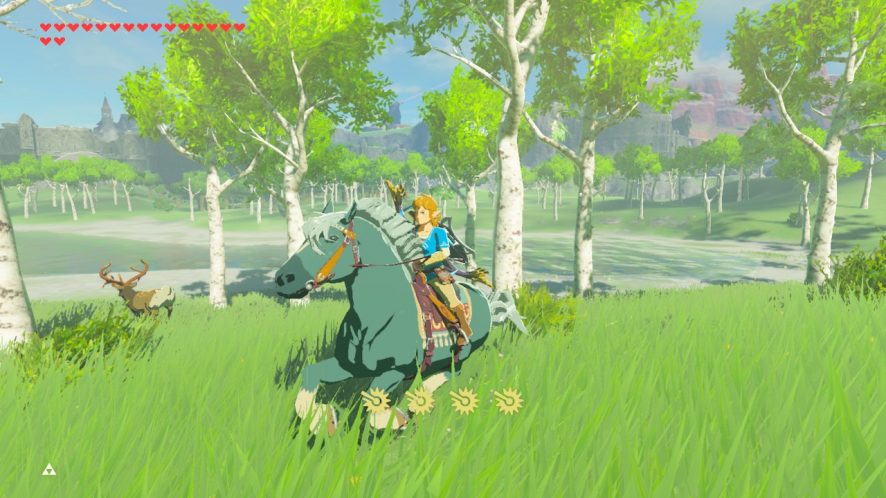
Then Breath of the Wild came around and completely rewrote the series’ travel itinerary. On its way to shattering sales records for a Legend of Zelda title and redefining nearly every game design element for the series, it also convinced Nintendo to commit to a single setting and map for the first time in the franchise’s history.
Just getting started
Our time in Breath of the Wild’s enormous version of Hyrule was only beginning with the base game’s countless hours of content. Rather than start work on the series’ next 3D epic, Nintendo continued to develop new challenges for Breath of the Wild with its pair of DLC packs. The Master Trials (Master Mode, Trial of the Sword) and The Champions’ Ballad were firsts for the series, being substantial experiences that expanded the adventure well after the game hit store shelves.
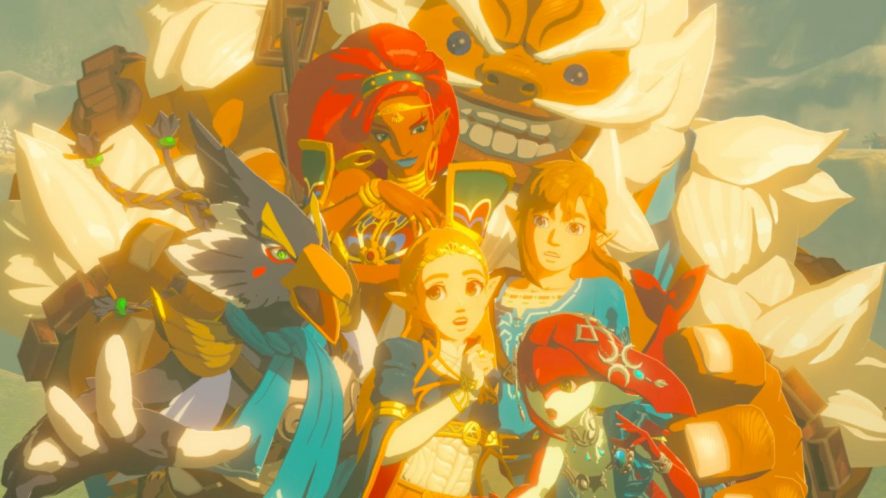
The Champions’ Ballad required more than the creation of new puzzles and action sequences. The voice actors for characters such as Zelda and the four Champions were brought back for another round of recording, and that wouldn’t be their last time voicing the heroes, who have quickly become fan favorites.
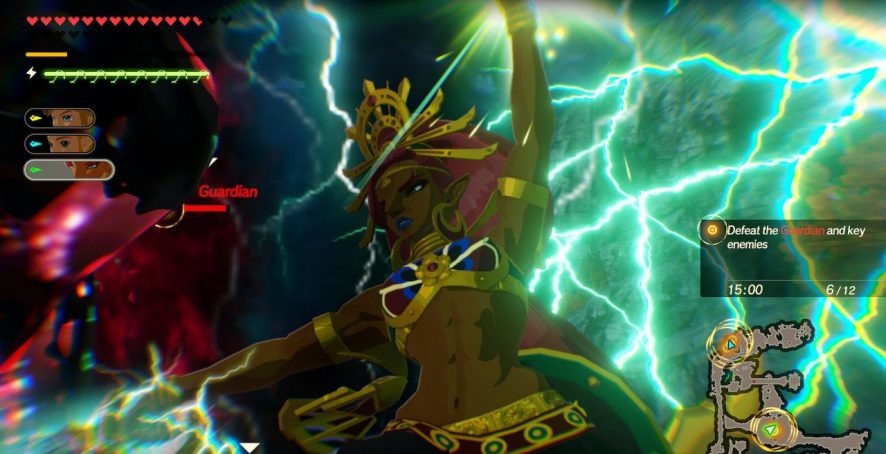
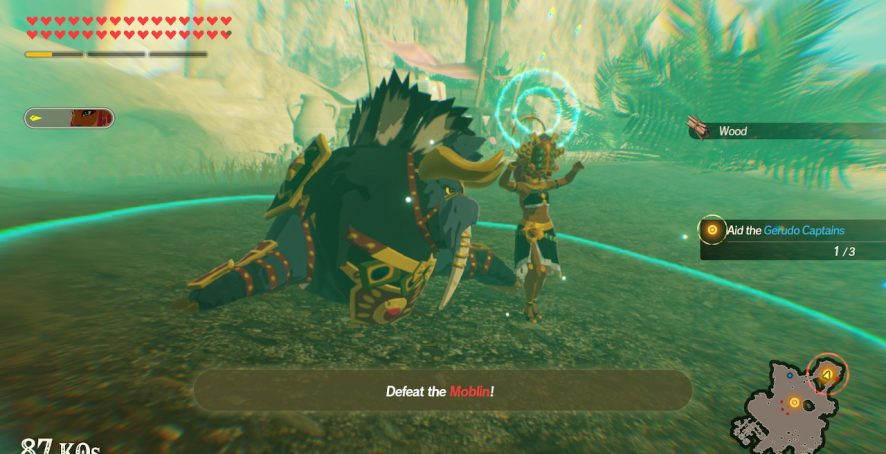
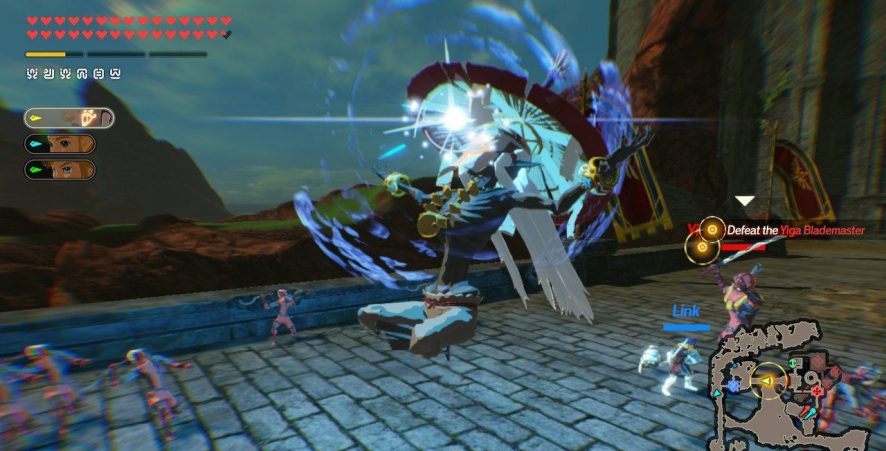
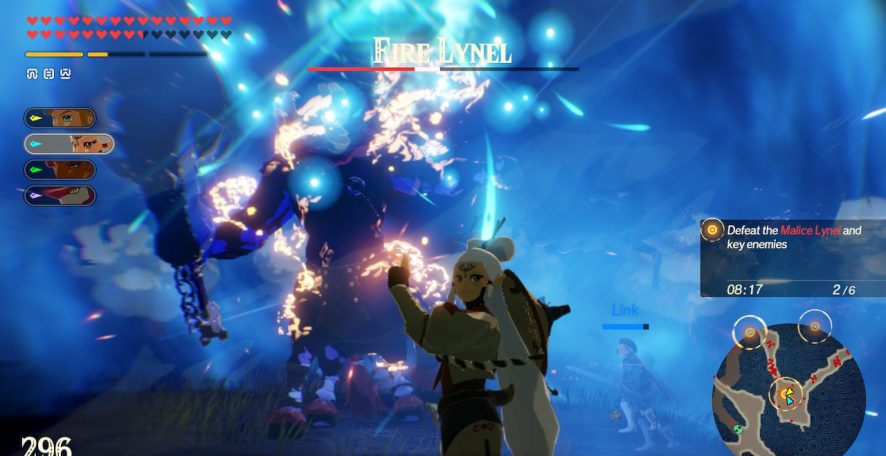
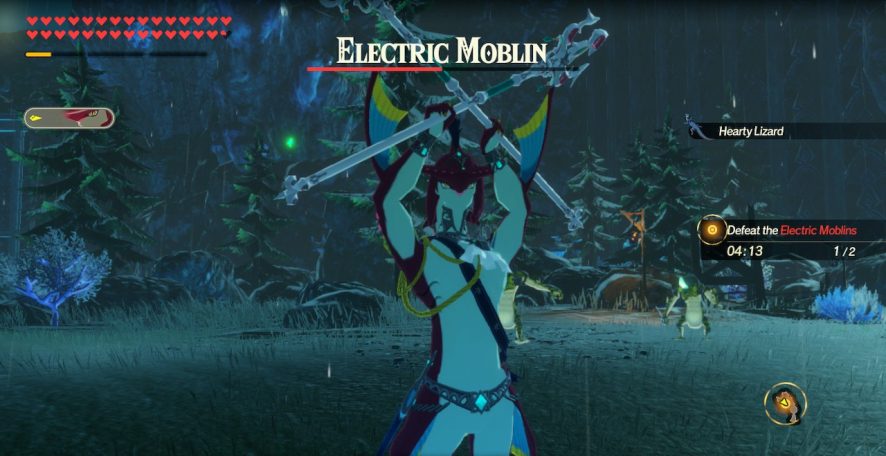
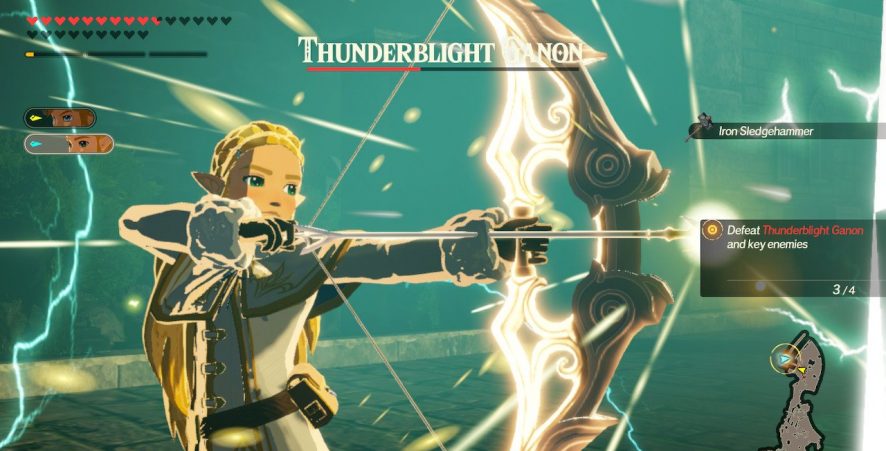
The cast and characters returned for Hyrule Warriors: Age of Calamity, an unexpected spinoff title that was revealed just two months before it released. The Legend of Zelda’ssecond crack at the Musou-style gameplay had a tighter focus for its theme, choosing to be set entirely in the Era of the Wilds instead of representing several games through time travel and reality twisting shenanigans. Age of Calamity serves as a “What if?” kind of prequel to Breath of the Wild, showcasing a kingdom-wide conflict against Calamity Ganon, complete with all of the familiar trappings that fans recognize from the mainline game.
One story wasn’t enough to give the spotlight this cast of characters deserved.
But don’t expect that to be the last adventure Nintendo sends us on through Breath of the Wild’s Hyrule. By now, Breath of the Wild has almost become a new franchise in itself.
Making a lasting impact
For Nintendo to expand a single chapter in the sprawling Legend of Zelda timeline this much is unprecedented. It also may have been unavoidable. How can Nintendo walk away from a concept that currently has the video game industry in the palm of its hand? Breath of the Wild lifted the series to historic levels of success, critically and commercially. It sailed past all sales records for the franchise, currently sitting with over 21 million copies sold for the Switch version alone (the second best-selling Zelda product is the N64 version of Ocarina of Timeat 7.6 million copies). Breath of the Wild has become synonymous with the Nintendo Switch during the hybrid console’s life cycle as the game continues to post impressive sales numbers to this day.
Hyrule Warriors: Age of Calamity has plenty to be proud of, too. After getting to know the cast in Breath of the Wild, fans were thrilled at the opportunity to take control of those same heroes who they grew to love. Even as Age of Calamity went head-to-head with the launches of the PlayStation 5 and Xbox Series X/S, the action-packed spinoff managed to sell over 2.8 million copies in the final weeks of 2020, cementing it as the best-selling Musou game of all time. Koei Tecmo has stated that they’ve shipped more than 3.5 million copies to retailers to date, meaning that the game is far from finished with its sales total.
Age of Calamity has already outsold other Switch hits such as Xenoblade Chronicles 2, ARMS, Octopath Traveler, Astral Chain, and Yoshi’s Crafted World. Breath of the Wild, meanwhile, has achieved the unthinkable for a Zelda game, having outsold both the current 3D Mario (Super Mario Odyssey) and the latest generation of Pokemon titles (Pokemon Sword and Shield).
Every major Zelda release can claim to be the game that introduced a portion of the fanbase to the series. For some fans, it’s earlier titles such as the original Legend of Zelda for NES or A Link to the Past; others might have come a bit later with The Wind Waker or Twilight Princess.Breath of the Wild will go down as the series’ defining game in the eyes of the newest generation of gamers.
Joining those young fans are a lot of older fans who have enjoyed the medium for decades, but maybe never grew up with Nintendo. Thanks to the Switch, Nintendo has experienced a resurgence in mainstream appeal, welcoming back droves of gamers who had not owned a Nintendo console in quite some time. For many, the Switch is their first Nintendo system, and Breath of the Wild may in fact be their first taste of The Legend of Zelda.
These fans — adolescents and adults — are bound to view the series very differently from those of us who have been avid followers since the days of Zelda timeline debates. When they think of Link, they probably envision him sporting that sky blue Champion’s Tunic before they envision him in the green garb and dangling hat that he is most renowned for. The original formula of dungeon focused progression and item-based puzzle solving and platforming has never defined the series for them.
There’s no telling when, or if the series will permanently return to those staples that for so long were pillars to The Legend of Zelda’s game design. Thankfully, series director and producer Eiji Aonuma has expressed his intent to keep the original formula alive in some capacity going forward, even as future games move in bold directions.
The past and the future can coexist
The effort to preserve the ideas of the past while charting an ambitious future is not a foreign concept in the video game industry. Years ago, Konami attempted to rebrand the Castlevania franchise with the Lords of Shadow reboot. The series’ lore was rewritten, and the games aimed to be more in line with modern 3D action/adventure blockbusters than either Castlevania’s old-school, arcade structure or the exploration heavy Metroidvania design. Unfortunately, it was all downhill from the solid debut for Lords of Shadow. The follow-ups were neither commercial nor critical successes, and Castlevania was soon put on indefinite hiatus that, save for the Netflix animated series, persists to this day.
But longtime fans of The Legend of Zelda need not worry about Nintendo repeating Konami’s mistakes. The Legend of Zelda‘s name is going nowhere anytime soon. As proven by the games set in the Era of the Wilds, modern Zelda is of dramatically greater quality than the Lords of Shadow software, and it is far better at honoring the spirit of its predecessors while charting a new course.
Resident Evil and The Legend of Zelda are successfully balancing two very different formulas for their respective brands.
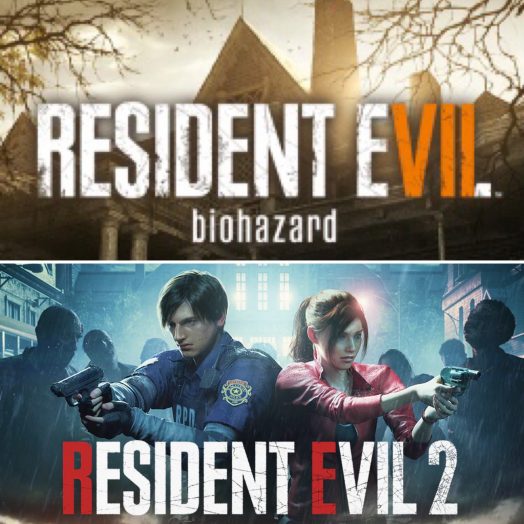
Nintendo’s goal of balancing tradition and evolution for The Legend of Zelda is closer to what Capcom is doing with Resident Evil. The iconic survival horror franchise seems to have two different lines of games in production, one showcasing the Resident Evil that fans know so well by now, and the other showcasing a very different direction for the series. The enhanced remakes for Resident Evil 2 and Resident Evil 3: Nemesis provide the familiar action/horror conflicts against the Umbrella Corporation that built the series, alongside fan-favorite characters Jill Valentine, Leon Kennedy, and Claire Redfield. The latest, original entries such as Resident Evil VII and Resident Evil Village, on the other hand, center on new protagonist Ethan Winters, taking players through first-person, exploration driven experiences that are just as heavy on psychological horror as they are on bio-organic mutations.
Capcom is guiding Resident Evil into uncharted territory while simultaneously catering to the interests that made the series so popular for its first 20 years. Nintendo has teased a similar approach this generation with the Link’s Awakening remake complimenting Breath of the Wild and its peers. There is no reason why that has to be the last time we see a Zelda game bearing the pre-Breath of the Wild formula. Plenty of other 2D Zelda titles are ready and waiting for a gorgeous visual upgrade like the one Link’s Awakening received. If Capcom could take those older Resident Evil titles with the prerendered environments and tank controls and reshape them to play like Resident Evil 4, why couldn’t Nintendo give Phantom Hourglassor Spirit Tracksa serious glow-up by remaking them with Switch hardware that is infinitely more capable than the original DS hardware ever was?
In the past, Nintendo’s home consoles hosted The Legend of Zelda’s most prestigious entries, with their handhelds getting the smaller releases. Nintendo may have combined their platforms through the Switch, but the hype and strong sales that the Link’s Awakening remake enjoyed proved that The Legend of Zelda could succeed even with less spectacle than Breath of the Wild. There is also the digital platform that is the Nintendo eShop to consider, where Cadence of Hyrule thrived.
No better choice to lead the way
The Era of the Wilds is a fitting nexus for The Legend of Zelda’s past and its future. No matter how many traditions that Breath of the Wild altered or did away with altogether, its world contains elements from across the series’ 35-year history, reminding longtime fans of what they’ve always loved while introducing that same charm to newcomers.
No other setting features as many of Zelda’s most recognizable races, with Hylians, Sheikah, Gorons, Zora, Gerudo, Rito, and Koroks all finding a home in the biggest version of Hyrule yet. Each race enriches the Era of the Wilds with their own history, customs, settlements, and culture, their portrayals pulling from their previous appearances in past Zelda games, but also adding new touches to make them unique incarnations.
The races are the lifeblood of a Hyrule that in many ways feels like an amalgamation of Zelda’s most famous locations. Breath of the Wild‘sgigantic overworld has an incredible variety of biomes and climates, and there are too many callbacks to count that players can find while exploring the countryside. It’s always a joy to visit new interpretations of Zora’s Domain, Kakariko Village, Goron City, or the Lost Woods, but the spots that seem to leave the biggest impression are the more subtle landmarks — the ruined Temple of Time, the various springs adorned with Goddess Statues, the remains of Lon Lon Ranch (which we thankfully got to see much more intact during Age of Calamity).
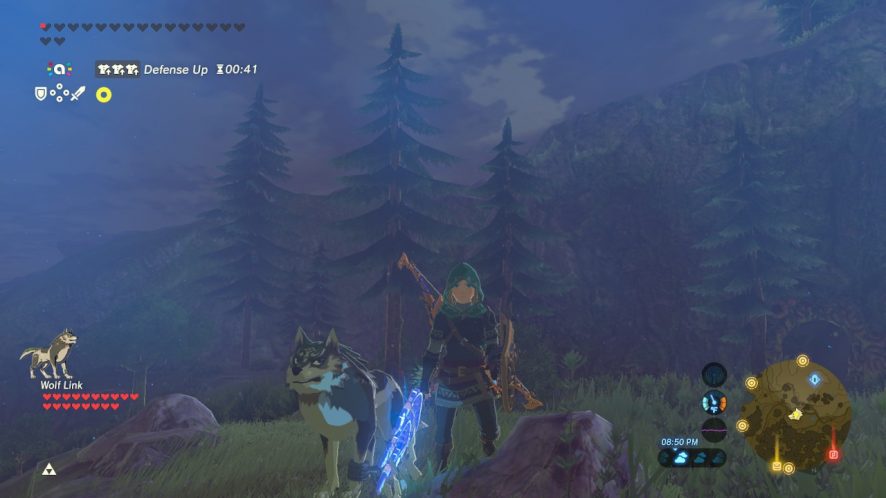
Being able to summon Wolf Link was a perfect way to tie Twilight Princess into Breath of the Wild.
Many more Easter eggs can be found, should fans have certain Legend of Zelda amiibo in their collection. Tapping the right amiibo will allow you to either dress Link in one of several different designs for his classic green garb or unlock legendary weapons that past Links wielded against evil throughout the ages. Breath of the Wild owns arguably the single best implementation of the NFC figures to this day, with the ability to summon Wolf Link to your side. The Hyrulean wilderness is unforgiving, and anyone who owns the Wolf Link and Midna amiibo can attest to how helpful it is to have the lupine hero dutifully assist you in your travels.
All of those little nods to other corners of the franchise have no narrative implications, but they actually could be intertwined into the lore for the Era of the Wilds if Nintendo so chose. Eiji Aonuma and Breath of the Wild’s director, Hidemaro Fujibayashi, have described the Era of the Wilds as taking place at the very end of The Legend of Zelda’s timeline while leaving it open to interpretation which of the three branching histories that it concludes.
Here’s hoping that Age of Calamity was the first of many more opporunties to bring the fight as Zelda.
Breath of the Wild’s sequel — and any additional follow-ups — have a great deal of freedom for where they want to take their stories. They only have to abide by the most basic canon and continuity for The Legend of Zelda, never having to worry about their events conflicting with an entry that would theoretically follow it chronologically. Breath of the Wild in effect was a soft reboot, becoming a perfect jumping-on point for gamers uninitiated with the series and providing the best of both worlds for the writers. The creative minds behind the adventures can make connections to any previous Zelda game, all while advancing the new timeline in whatever direction they want.
Cultural relevance, staggering sales numbers, tremendous scope, and product quality — those are all terrific accolades for the Era of the Wilds. But creating a new, cohesive Legend of Zelda timeline that makes sense? Now that would be a major contribution to the series.
Jeffrey Pawlak
Jeffrey Pawlak is the Features Director for Zelda Universe, and has been a member of the website's community for more than 20 years. He is also a high fantasy author and an aspiring comic book artist.


 by Jeffrey Pawlak on February 3, 2021