“When we are asleep in this world, we are awake in another.” – Salvador Dali
A dream can be filled with delight or with terror. It can take you to a lovely place full of happiness and wonder, or it can be a frightening, horrific nightmare world. The possibilities are endless once we are fast asleep. And when we wake up, the dream can either motivate us to take on the day or make us want to stay asleep and dream a little longer.
In the song “Higher” by the band Creed (don’t judge me), one particular lyric stands out: “At sunrise, I fight to stay asleep, ’cause I don’t wanna leave the comfort of this place.” I thought of that line when I beat the Switch remaster of Link’s Awakening, which left me feeling like I didn’t want to leave the dream behind, even though it was the right thing to do.
Unlike the other Zelda games I’m playing through for the first time, I already knew the plot of this one going in. Link is stranded on Koholint Island, where he must eventually wake up the Wind Fish in order to escape and return home to Hyrule. I also knew the game’s plot twist about how (spoiler warning for those who haven’t played it) the island and all its inhabitants are part of the Wind Fish’s dream, destined to disappear from existence when the Wind Fish finally awakens from its slumber.
So, I started the game knowing that my adventure would eventually lead to the demise of the island. Although I knew I would need to interact with characters to get from point A to point B, there was already a built-in sense of detachment as I played the game. That didn’t mean I was completely apathetic to everyone, as I did enjoy the characters and the environment I was in. I had just accepted the fact that it was a dream, and as we all know, dreams are meant to end. Everything was going smoothly — until I started traveling with Marin.
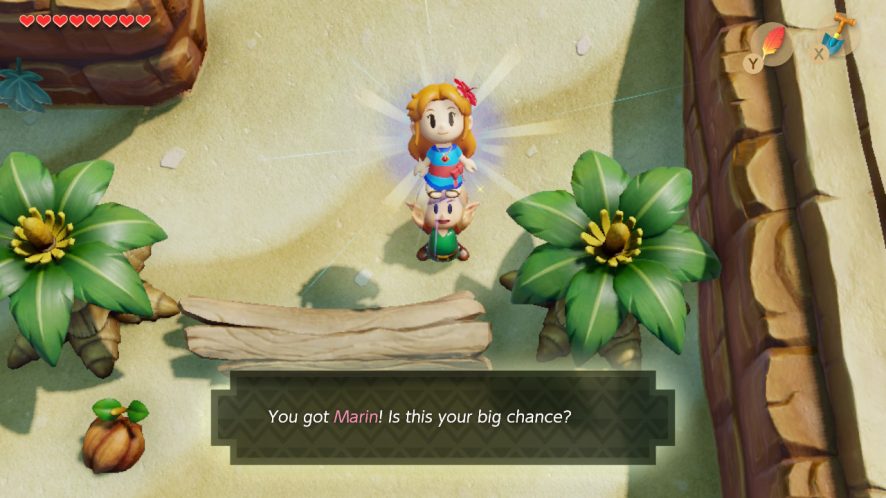
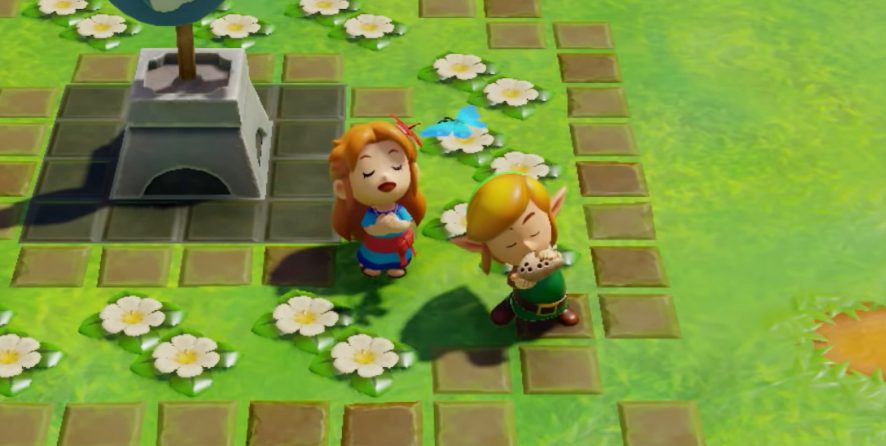
Interacting with Marin throughout the story made me forget about the island’s impending doom, especially when I had to travel with her to accomplish a goal in the story. She told me about her dreams of venturing beyond the island, we discovered our secret place, and I played the ocarina while she sang. But what truly shattered me was what she said after I learned the “Ballad of the Wind Fish” and completed my travels with her: “Please remember this song! And remember me!”
For a little while, I hated the game for making me actually care about Marin. My detachment from the island and its inhabitants was no longer there, and I now felt guilty about the ultimate destruction of Koholint — all because of a simple walk with one of the characters. I did not feel like I was inside a dream anymore. Instead, I was trapped in a nightmare.
Even now, I vividly remember that final cutscene of Link just sitting on his broken raft, contemplating everything that had just happened. It was almost as if he felt guilty about awakening the Wind Fish, and I was left with that same sense of dread as I watched the credits roll by. I was basically the Angel of Death to everyone on Koholint without them knowing it. I felt like I was going through the stages of grief, wondering if there was any way the people on the island could go with Link and be seen in Hyrule.
Of course, that would not end up being the case. But like the dreams I have in real life, Link’s dream does linger in my mind. It makes me look forward to my next adventure with him and wonder what new discoveries will be made along the way. And while I am aware that my own dreams don’t last forever, it does make me look forward to the next time I lay my head down for a rest. Who knows what dreams may come forth?
“Verily, it be the nature of dreams to end.” — The Wind Fish