Think of a song that always finds its way back into your head, or a book that you have to re-read every year like clockwork, just that one worm in the apple… then realize that mine is Breath of the Wild. Zelda was the game franchise that made me fall in love with RPGs, The Elder Scrolls opened me up to a passion for game design, and Tears of the Kingdom gave me a newfound appreciation for the creativity and freedom a beautiful game can give its players. I hate to say it, but that wasn’t my first, or even second or third, impression of Breath of the Wild.
The first time I sat down to play Breath of the Wild, it was Spring Break of 2017. It was the first title I owned for the Nintendo Switch, and it’s a terrifying notion as I write this that the switch docked to my right monitor is nearing ten years old. I had been so excited to finally experience a Legend of Zelda game as a modern gaming experience – I grew up too late for the Game Cube to be new and the Wii was simply too unique. I, unfortunately, didn’t appreciate Breath of the Wild for the piece of art that it was. I played it like you would any former title, linearly and without much exploration outside the beaten paths. I thought the shrines tedious, avoided enemy camps when I could, and finished the whole game in a matter of a couple of days. I didn’t put it down right away. I certainly explored a bit after defeating Calamity Ganon and sought out all of Link’s memories, but it was far from a full experience. I had hardly explored Death Mountain, never did the Korok Trials, and had not once gone shield surfing at Selmie’s Spot.
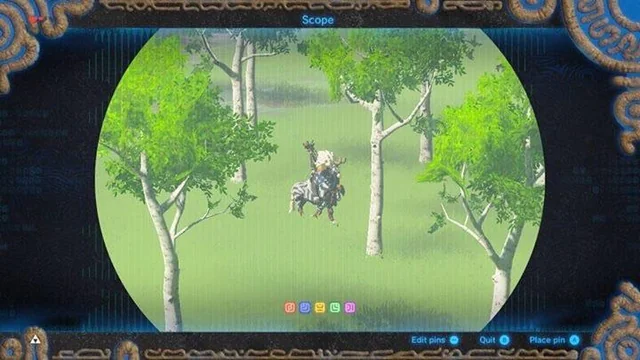
I didn’t truly settle down to revisit the game until that summer, where I decided that I was tough as nails and could handle Master Mode. To this day I still have a 100% Master Mode run that I have been nursing; the Lizalfos in the Trial of the Sword are a true pain. It was, despite many hours of frustration with Lynels, and Moblins, and Wizzrobes (oh my!), the challenge that I so desperately needed to force me off the beaten track to find resources, unlock new and convenient travel points, and locate some of the new and useful DLC gear. It was in this playthrough, fighting for my life and sanity, that I truly came to appreciate the expansiveness of the game. How they made a torn and destroyed world still feel full, alive, and interesting. This realization stuck with me for years, burning in the back of my head, and was released – of all times – four whole years later, after I clumsily found that one could, in fact, fast travel in Red Dead Redemption 2.
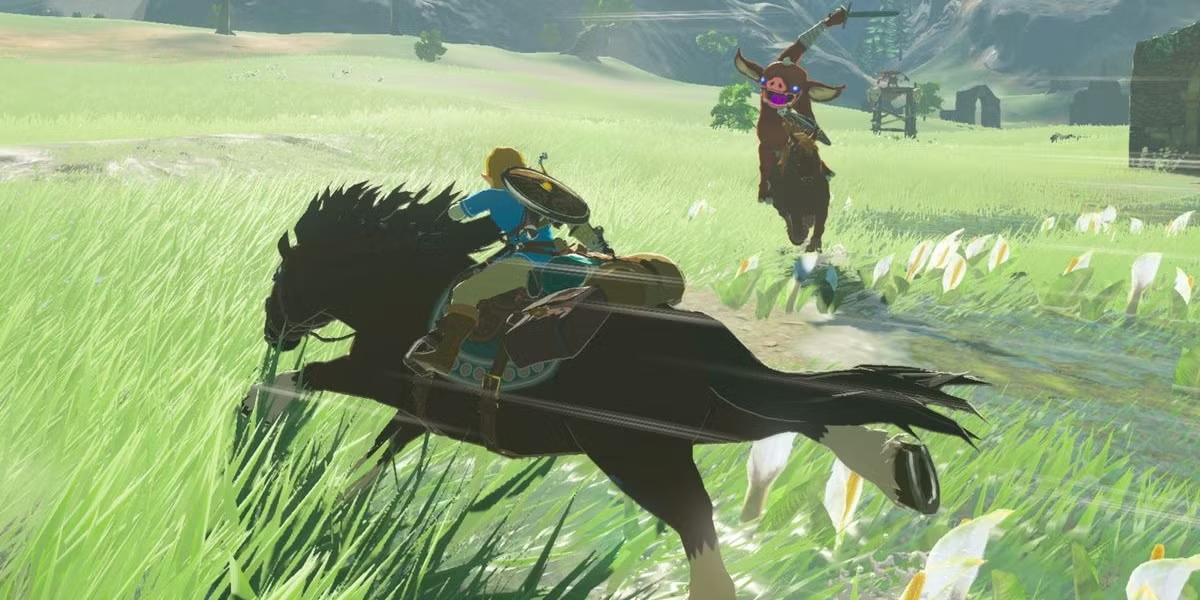
My father and I, after the COVID-19 lockdowns, had made a habit of catching up on some major game releases together in the summer of 2021. While we played RDR2, we did not realize the existence of a fast travel mechanic over the entirety of two playthroughs. Finally realizing that had been an option didn’t change our playstyle, though. We found that we had come to enjoy traversing the map on horseback and finding all the secrets it had to hold without the GameRant articles and Reddit posts. I wondered if Breath of the Wild would hold to the same rigorous test, and set out to complete a playthrough without once fast traveling. It. Was. Marvelous.
Granted, very little changes in the early game. Link wakes up, charges around naked for a short while bashing Bokos in, gets the runes from the Plateau Trials, paraglides off the last bastion of hope, and makes for the biggest non-boss fight landmark on the map: the Dueling Peaks. It was at the Dueling Peaks stable where my path started to diverge from a normal playthrough. I had decided that, to truly enjoy this, I would take on each quest as if it was more urgent than the last. Certainly the voice in my head that a ghost told me was a Princess said I should go meet a centenarian in the mountains, but these two guys at the stable were whispering about some treasure near a little brother, so treasure hunting I went! I took a detour to investigate every ruin, nab every Korok seed, and speak to the marvelous minstrel Kass wherever he wandered. I explored every corner of Hyrule, slayed every beast, and rested in every inn.
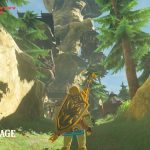
The soft music of the world, the gentle light of Hyrule, and the leisurely pace I took atop my steed, Bruce, made the windswept hills and collapsing ruins of Hyrule into a beautiful landscape. I enjoyed climbing the mountains, taking the time to plot my routes before making my ascent. I completed shrines as I found them – even those that proved to be a Major Test of Strength – and pulled the data from every tower to add to my map so that I was never lost. I helped those that I found on the sides of the road beset by monsters, and let the places and things they had to talk about guide me across the land.
The experience reshaped Hyrule for me, it reshaped me as a player. When Tears of the Kingdom finally released, I tackled the new Hyrule with almost the exact same strategy. I did, admittedly, use teleportation when I misjudged a distance in paragliding between sky islands, or to return from beneath the vast kingdom when the Malice plagued me heavily, but from Lookout Landing my Hero’s Path shows all manner of vectors where I crossed the changed Hyrule by foot and hoof (and hoverbike). Should another title like these games be in the cards for the franchise, which I desperately hope to be the case, I will tackle it in the same manner and certainly no other way.