Times are tough, and many people just want to play video games to escape the chaos of daily life.
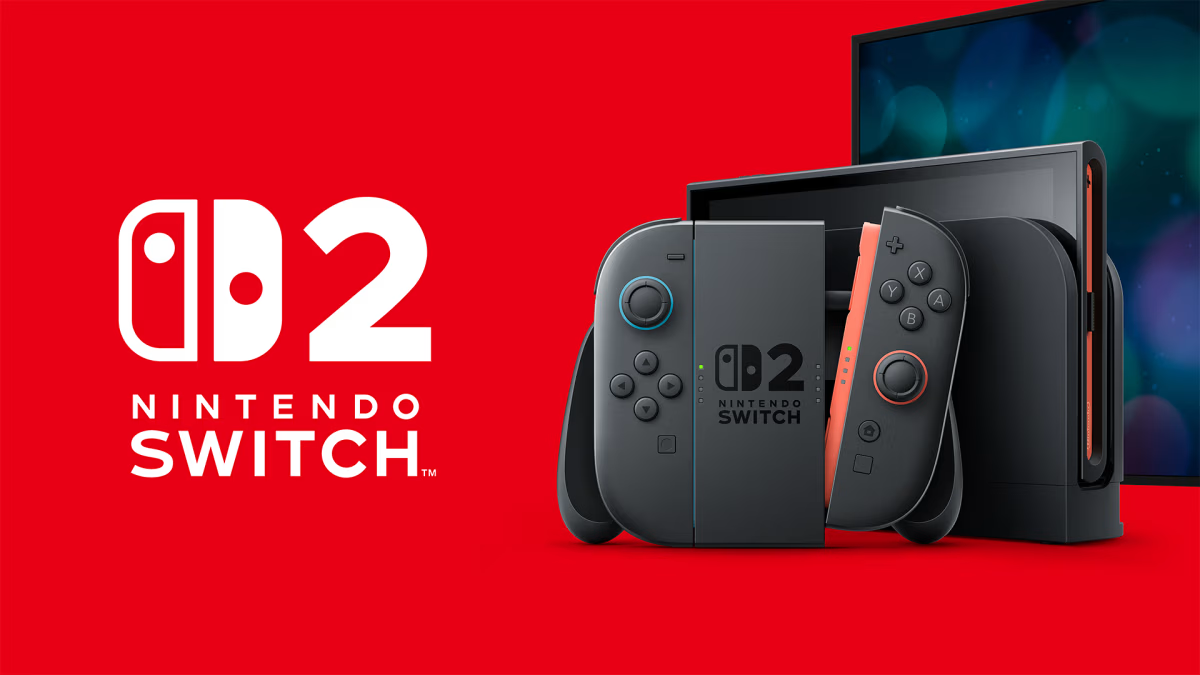
That might be a little more difficult for some gamers though as the Nintendo Switch 2 ushers in a new era for Nintendo, where the price of retail software is set to see an increase from previous generations. The average game now jumps to $70 USD, and in some rare cases, even higher.
By now if you haven’t seen the viral phrase “drop the price”, it can only be because you haven’t been online since April started. Those three words quickly became a meme within the video game community following the first ever Switch 2 Nintendo Direct, as the hashtag flooded social media and live chats on YouTube. Putting it lightly, Nintendo’s pricing strategy for Switch 2 software and accessories was not well-received by their fans.
While there is plenty of fair criticism to be levied at Nintendo, there is also plenty of misinformation that continues to be shared, stoking panic to a level that borders on being sensationalism.
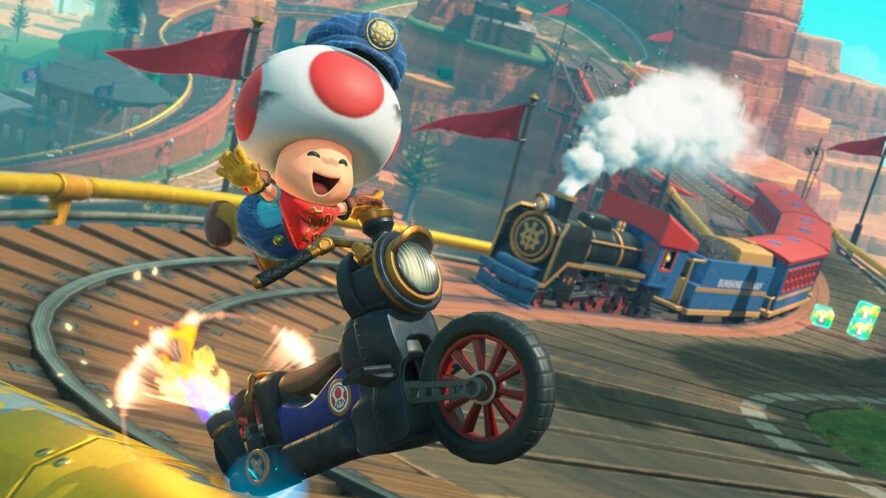
Nintendo Switch 2 games will not be $90 USD, no matter how many thumbnails you come across with that claim in big, bold letters. The $80 USD price tag, like what Mario Kart World is poised to carry if purchased separately rather than with the $500 USD console bundle, has some actual truth to it. Although that will understandably be tough to swallow for most Nintendo fans, it doesn’t appear right now that it’s a hit their wallets will be taking very often.
Everything points to the $80 USD price being an outlier when it comes to Switch 2 software. Based on the offerings at launch, third party developers aren’t going to want to touch it. Despite there being countless success stories on the original Switch, third party software will always be fighting for second place on a Nintendo platform, and it won’t help their appeal if the games come with an inflated MSRP.
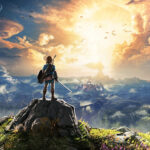
Even though Nintendo are the culprits behind this price hike, they probably won’t be making use of it all too often, either. In all likelihood, it’ll be reserved for their heaviest of heavy hitters, the games that would post gargantuan sales numbers even if we had to provide a blood sample upon purchase. The Mario Karts, 3D Legend of Zeldas, and the next Animal Crossing will be the types of games that may cost us a few extra bucks; it won’t be the Fire Emblems, 2D Metroids, 2D Legend of Zeldas, Xenoblade Chronicles, or Pikmins of Nintendo’s library.
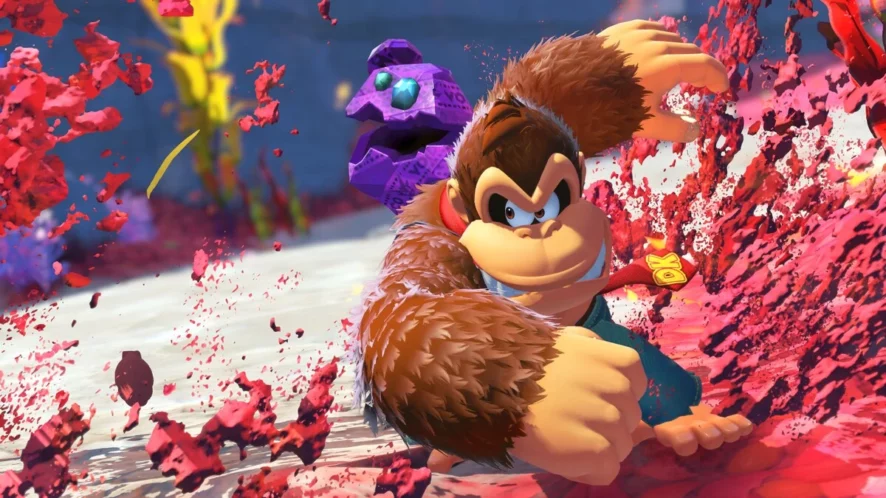
Supporting this optimism is Donkey Kong Bananza, which escaped the more controversial price and is in line with the average Switch 2 game. DK’s next outing seems to be anything but a budget title, and if the speculation is true that the team behind Super Mario Odyssey is developing it, Bananza is definitely not a budget title. A few minutes of demo footage should convince you that Bananza wouldn’t stand a chance at running on the original Switch. If an ambitious 3D platformer that is an utter technical showcase for its console isn’t being burdened with that inflated price, odds are not many games will.
It is unfortunate that gamers will need to spend more money than in the past to enjoy their hobby. It is also not at all shocking. There was nowhere near the same widespread furor when software prices saw a jump for the PlayStation 3 and Xbox 360 as there has been for the Switch 2, nor when another jump happened for the PlayStation 5’s and Xbox Series X/S’ games. Nintendo took the plunge in 2023 with Tears of the Kingdom — which was largely built off a game that was originally developed for the Wii U — and the extent of fans’ backlash to its price increase was to purchase over 20 million copies.
Both things can be true: that price increases on software are extremely frustrating for consumers, and that price increases on software have yet to deter consumers from purchasing games enough so that it makes video game companies reconsider their release strategies.
When it comes to the Switch 2, fans should prepare for a number of options at retail. In Nintendo’s own words, variable pricing is the intended strategy, but while Nintendo of America CEO Doug Bowser was specifically referring to software prices when doing that interview with The Washington Post, it only touched upon just one of many variables that will be in play for the Switch 2.
This is where we get the introduction of Game-Key Cards, the amalgamation of traditional cartridges and download codes that has also been subject to significant misinformation since the Switch 2 debut.
The hysteria over these Game-Key Cards alleges that they will be the death of complete games in physical media as we know it, but even the bare minimum research tells us that this is wildly improbable. At the moment, the number of Switch 2 games that will release in the form of these key cards can be counted on two hands, and all of them are from third party studios. Unsurprisingly, the bastion of traditionalism that is Nintendo doesn’t seem keen to make use of them for their own titles.
The Game-Key Cards exist to perpetuate the digital-only format that was already a thing long before the Switch 2. It has been seen on PlayStation and Xbox consoles, and it was even seen on the original Switch. If anything, it’s a slight improvement over the previous use of download codes, as the key cards can at least be shared between gamers, offering second-hand viability that download codes do not.
Just how prominent these Game-Key Cards turn out to be on Switch 2 will be left at the discretion of third party developers. Some studios will use them under the justification to save money or because the game in question is too large a file to easily fit into the Switch 2 cartridge; others will make no such concession.
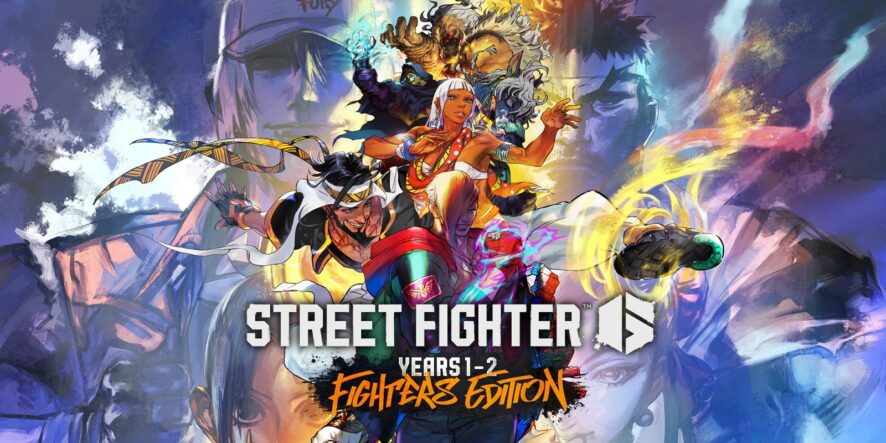
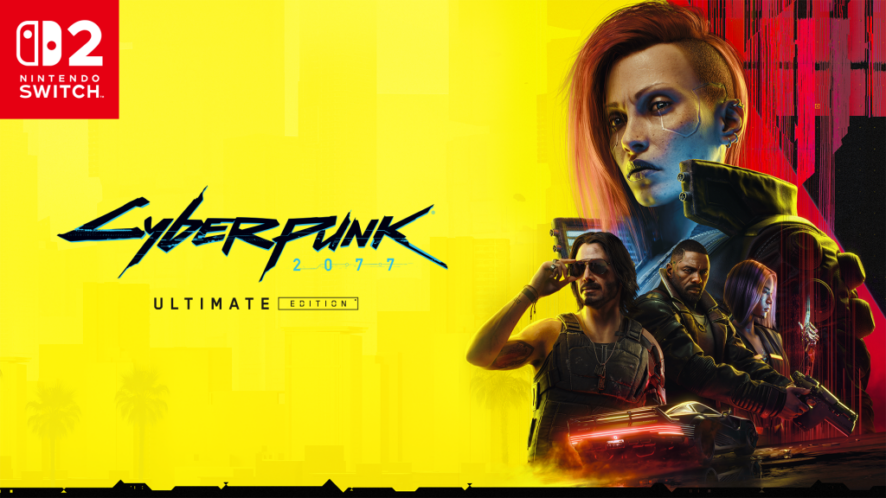
Thus, we see another example of the dichotomy that will be release strategies on the Switch 2. Street Fighter VI: Years 1-2 Fighters Edition will release on a Game-Key Card. So too will the $40 Bravely Default Flying Fairy HD, for whatever reason. On the other hand, you have CD Projekt successfully cramming the entirety of Cyberpunk 2077 along with the Phantom Liberty expansion (which was only available for PlayStation 5, Xbox Series X/S, and PC) onto a normal game cartridge, no download required.
One detail that has flown under the radar — and will likely save fans an appreciable amount of money — is that controllers for the original Switch will be compatible with the Nintendo Switch 2, including for games that are Switch 2 exclusives. Given that, much like its predecessor, the Switch 2’s new controllers and accessories run a bit on the expensive side, this is a welcome relief as fans drop several hundred dollars to acquire the system and begin playing this newest generation of Nintendo gaming. If you already grabbed a Pro Controller or two in years past, you can safely hold off on paying upward of $90 USD for the Switch 2’s iteration of the Pro Controller for now.
The price of the console itself is a legitimate concern for North American gamers, simply because of the uncertainty that surrounds it. $450 for the hardware alone seems pretty fair given the impressive specs and performance that we’ve seen from the Switch 2, but there is no telling if that $450 price tag will hold up in the wake of the current United States Presidential Administrations’ tariffs on other nations, leading to pre-orders for the console being delayed indefinitely.
It’s a fluid situation, and there is no general consensus among economists what will ultimately happen to the Switch 2 supply chain, leaving fans who are just looking forward to racing in Mario Kart World or smashing their way through Donkey Kong Bananza unsure of how things will proceed. A price increase on the console is a very real possibility, but it’s just as possible that nothing changes at all. Which means that if you see the latest rumor flying around that tariffs on China may cause the Switch 2 to endure a price increase as dramatic as 145%, pay little mind to it. That is, like so much other chatter about the Switch 2, unfounded, misleading speculation.
The United States issued a 90 day pause on reciprocal tariffs for many nations as of April 9th, and Nintendo has stood firm on the system’s June 5th launch day in all territories, but glimmers of hope don’t hold anywhere near the same weight as an official decision by Nintendo.
Until that decision comes, the best thing that a Nintendo fan can do is to keep up with the news, and most importantly, remain vigilant so as to gather the actual facts rather than get caught up in bombastic, bad faith discourse.
UPDATE 4/18/2025 –
Since the time of this Feature’s original publication, Nintendo has clarified that there is no price change to the Nintendo Switch 2 at launch, and that preorders in the United States will begin on Thursday, April 24th. Switch 2 controllers and accessories will see a slight price increase. Nintendo has also noted that prices on all products may change in the future according to market conditions.
Jeffrey Pawlak
Jeffrey Pawlak is the Features Director for Zelda Universe, and has been a member of the website's community for more than 20 years. He is also a high fantasy author and an aspiring comic book artist.


 by Jeffrey Pawlak on April 14, 2025