As the video game industry matures into a more sophisticated medium, so have the tactics of online leakers and dark web hackers, and the stakes are only climbing higher by the month.
The notoriety of Nintendo’s high quality original content has dramatically increased over the years, and with that notoriety comes higher product demand – and a stronger desire for certain individuals to take advantage of it for clout and/or make a profit. Like the idle golden Triforce sitting in the Sacred Realm for the taking, Nintendo has often been a target for leaks over the years. This is nothing new to seasoned folks in the online gaming communities, as many grew accustomed to the awareness of pirated Nintendo game content and game information being leaked online ahead of important announcements ever since the early days of the internet. At first, such actions appeared to be little more than harmless intentions from enthusiastic preservationists and pranks from anonymous youngsters bored out of their minds in their basements and dorm rooms. But as technology increases in sophistication by leaps and bounds, the motives for such individuals today seem to grow more sinister along with it.

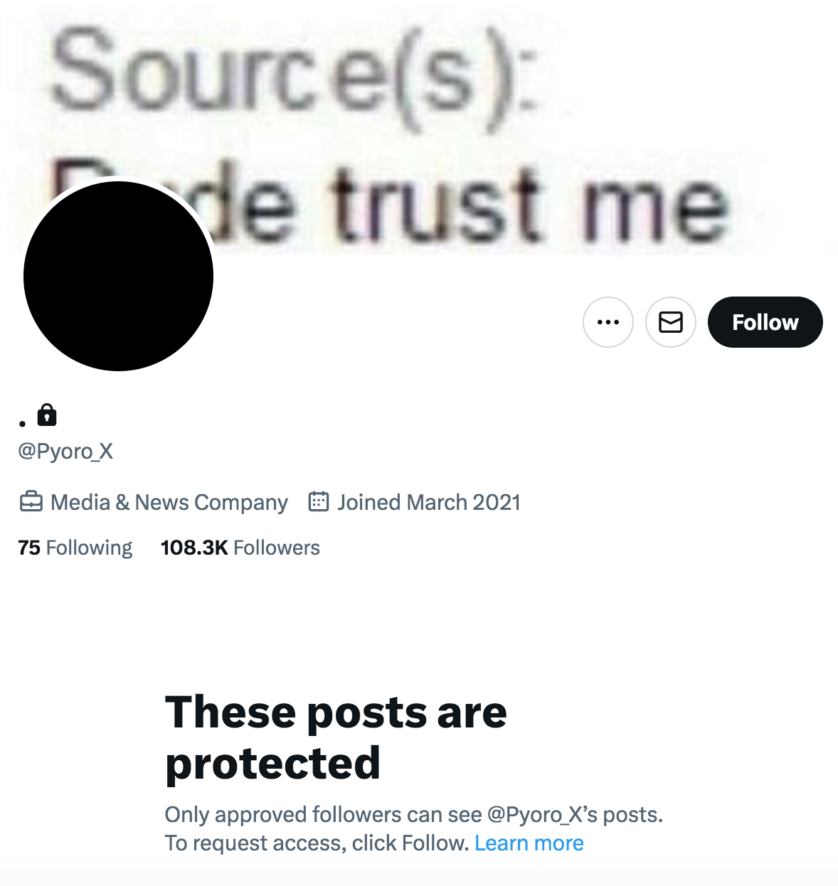
Ever since a huge swath of prominent Switch games were leaked last year, Nintendo has taken a more aggressive stance on security measures for its IP. Less than one week after the Nintendo Direct aired in June, prominent online leaker Pyoro went dark and mysteriously locked their social media account after their primary source was discovered to be an internal employee of Nintendo Japan. Not long after, Nintendo President Shuntaro Furukawa stated in their 84th Annual General Meeting of Shareholders that Nintendo recognized “the robustness and security of information systems are extremely important matters,” and Nintendo is “working to raise awareness through the continual training of our employees on matters of information security.”

It only gets worse for online pirates. After defeating the likes of Yuzu, Lockpick, MIG Switch, and the infamous hacker group Team X-ecutor in courtrooms, Nintendo filed two more lawsuits in Washington’s federal court against the online modded Switch and chip seller Modded Hardware, and Reddit modder Archbox for piracy of its products. At the time of this writing, Archbox was involved with at least four known online pirate markets, and three of them were shut down after Nintendo lowered the boom with cease-and-desist orders. A self-proclaimed pirate, Archbox stated in one of many of his online comments that “most of us who hacked our [Switches] are… pirates and aren’t going to give Nintendo $50 for a game.”
While the motives behind game piracy are a longstanding controversial topic, it is important to remember that game piracy is illegal for a reason in the United States, Japan, and other countries. Like any sort of theft, piracy is harmful to content creator jobs both large and small and ironically has the potential to raise prices if left unchecked. The lawsuits are developing situations at this time and the public court documents can be seen in their entirety courtesy of Torrent Freak. If Nintendo wins the suits, the defendants could be subject to paying millions of dollars in damages.