Ah, Kakariko Village. Such a lovely, prosperous little burg that hearkens back to the simpler days of small-town living, when communities worked together to carve out livelihoods in the isolated pockets of earth they called their own. In a kingdom like Hyrule that is constantly being besieged by wicked and dangerous creatures, Kakariko Village is usually a bastion of peace where heroes can take a break from their rigorous adventures and have a relaxing chat with the locals. Even when the village does come face-to-face with threatening entities, its residents stay calm and resilient through the worst of the storm and then waste no time putting the broken settlement back together again.
But if you ask me, the coolest thing about this quaint little town is that each version has its own unique design and vibe. It truly feels like the culture of Kakariko Village changes and evolves with every Zelda game that features the iconic location. And as I discovered rather recently, this is no coincidence: the three most prominent iterations of Kakariko Village (Ocarina of Time, Twilight Princess, and Breath of the Wild) were each based around a different geographical region in the real world. Nothing makes me happier than learning new things about different cultures, so I’m thrilled to be able to share what I’ve learned with all of you today. Let’s get started!
Ocarina of Time

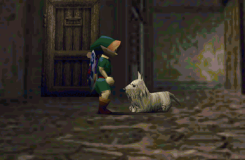
Seated at the base of Death Mountain, this version of Kakariko Village was originally founded as a settlement for Sheikah tribe members, but Impa decided to open it up to Hylian peasants in an effort to expand it into a bustling city. Now the village is constantly undergoing construction so the humble townsfolk may better serve their kingdom.
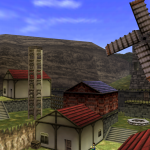
With its towering Dutch-style windmill and simple red-tiled houses constructed from wood and stone, Ocarina of Time‘s Kakariko Village is clearly meant to embody the idyllic farmland lifestyle of rural medieval Europe. However, it may surprise you to learn that the actual layout of the town was based on that of a village in an entirely different part of the world. According to a past interview with Satoru Iwata, Shigeru Miyamoto’s main concern with designing Kakariko Village was — I kid you not — having different levels of elevation so that Link could jump off ledges and fly around with a Cucco.

In order to solve this problem, Miyamoto’s team needed to figure out how to incorporate height in an “organic” way, while also giving Kakariko a distinct and appealing flavor that would prevent it from looking “bleak and boring.” So they turned to the real world for inspiration and found a breathtakingly beautiful place that helped them accomplish both goals simultaneously: Langde Miao Village in Guizhou, China.

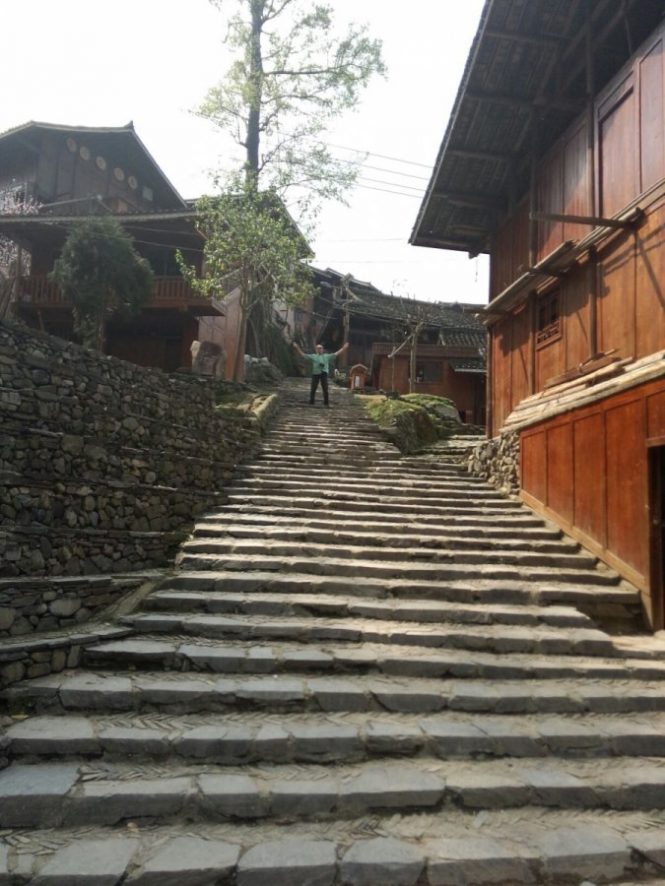
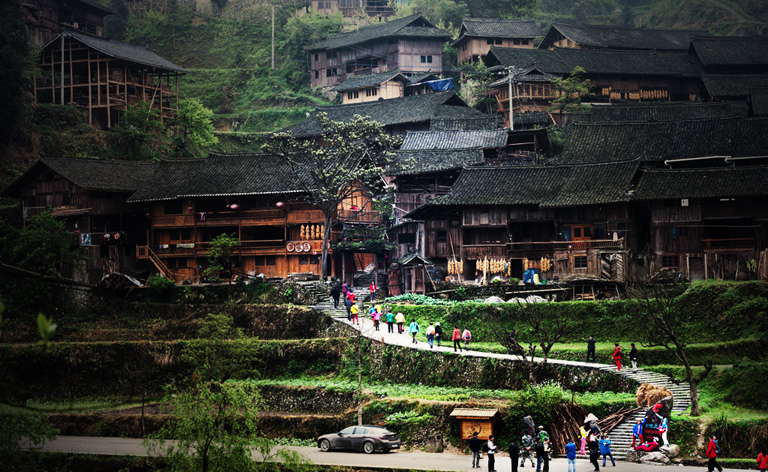
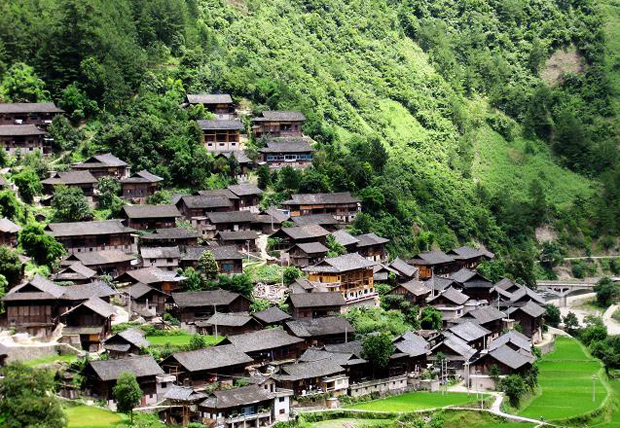
Nestled snugly in the foothills of Leigong Mountain, Langde is one of several villages scattered throughout the Miaoling mountain range that serve as homes for the Miao, an ethnic minority group in southwestern China. In order to adapt to life against the steep slope of a mountain, the Miao carved the landscape up into terraces, much like you would see with traditional rice farming. This allows the villagers to comfortably situate their dwellings on flat surfaces, using stone stairways to navigate the different platforms. Indeed, this is exactly what we see with Kakariko’s elevated terraces that smoothly work their way up to Death Mountain. And considering how lovely and serene Langde Village appears to be in pictures, I would say that Miyamoto’s team made the right choice in their source of inspiration.
Twilight Princess
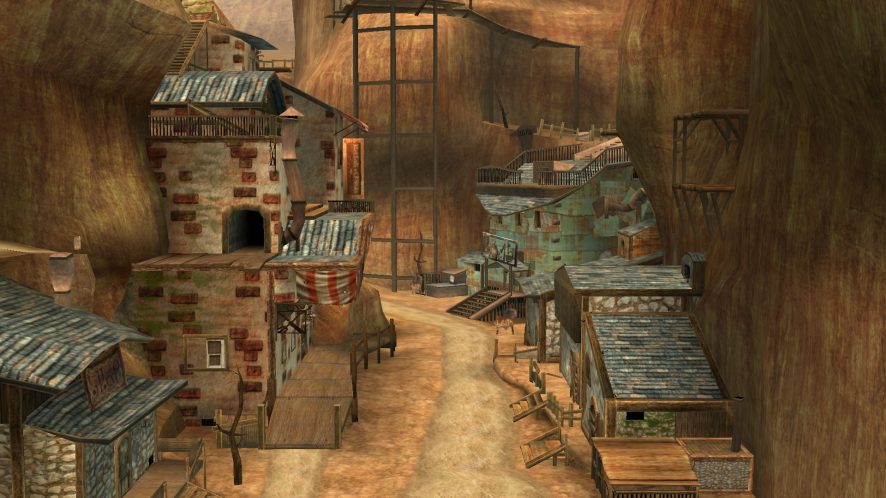
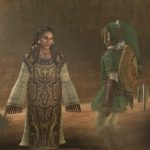
In stark contrast to the prosperous village full of peace and hope that we just discussed, Twilight Princess‘s Kakariko Village starts off the story as a grim, dilapidated ghost town plagued by the forces of darkness. By the time we reach the ill-fated town, most of its residents have either abandoned their homes or suffered the terrible demise of being transformed into Shadow Beasts. The three remaining survivors — the shaman Renado, his daughter Luda, and the bomb salesman Barnes — are locked inside Renado’s humble home, protecting the Ordon children who have already been terrorized by the monsters.
Even after the land is cleansed of twilight, the ramshackle skeleton of a town continues to attract trouble as King Bulbin’s gang of cronies goes on a terrifying rampage. But throughout all of this turmoil, Renado remains a strong pillar of stoicism and compassion, committed to taking care of his brethren and eventually rebuilding his village back to its former glory. So even though the village is on a rather shaky foundation in that moment, one cannot help but feel rather safe in a place overseen by such a kind, level-headed leader.
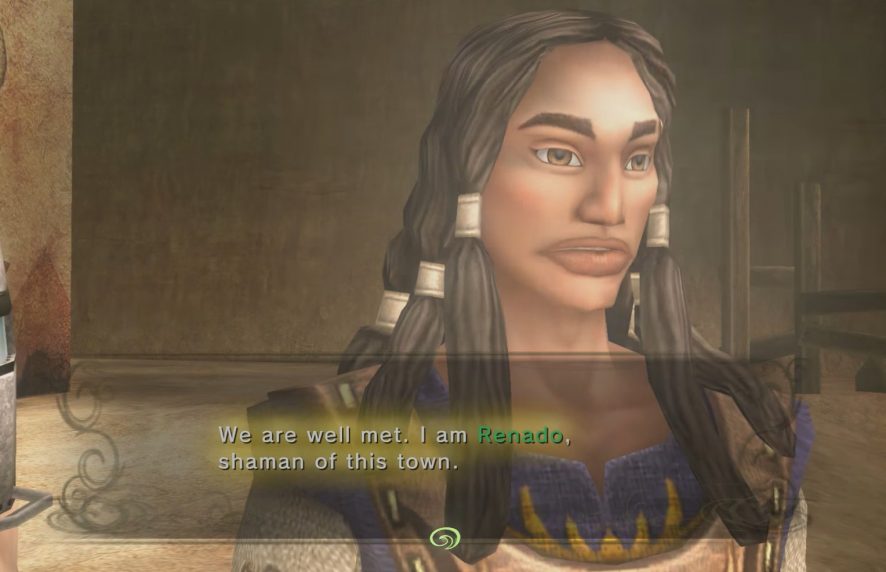
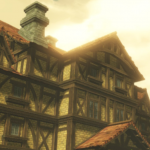
Unlike the Kakariko Villages of the past, this one isn’t a Sheikah settlement, as the Hidden Village fulfills that role later on in the game. However, what both of these eerie locations have in common is that they were obviously designed with the American Old West in mind. Even if the Hidden Village’s theme music didn’t sound like it was ripped straight from The Good, the Bad, and the Ugly, the rotted, old-fashioned inns and general stores (accompanied by the occasional “Wanted” poster) still would have tipped us off to the influence of Western films. Plus, Hyrule Historia mentions that Renado and Luda are meant to resemble Native Americans, with traditional leather clothing that was commonly worn during that time period.
While researching the development of Hyrule’s various locations in Twilight Princess, I couldn’t find any mention of a specific Old West town that inspired the creation of Kakariko Village. However, I did stumble across one place worth talking about that fits the profile surprisingly well.
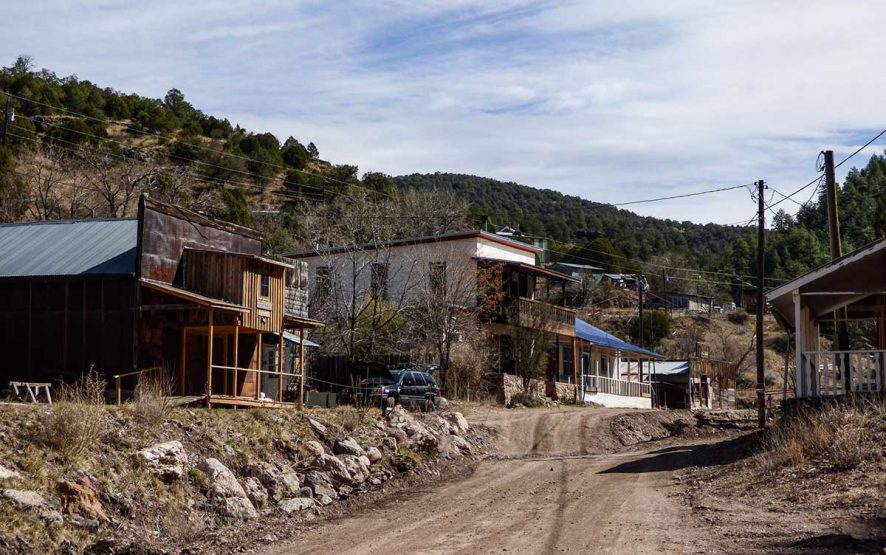
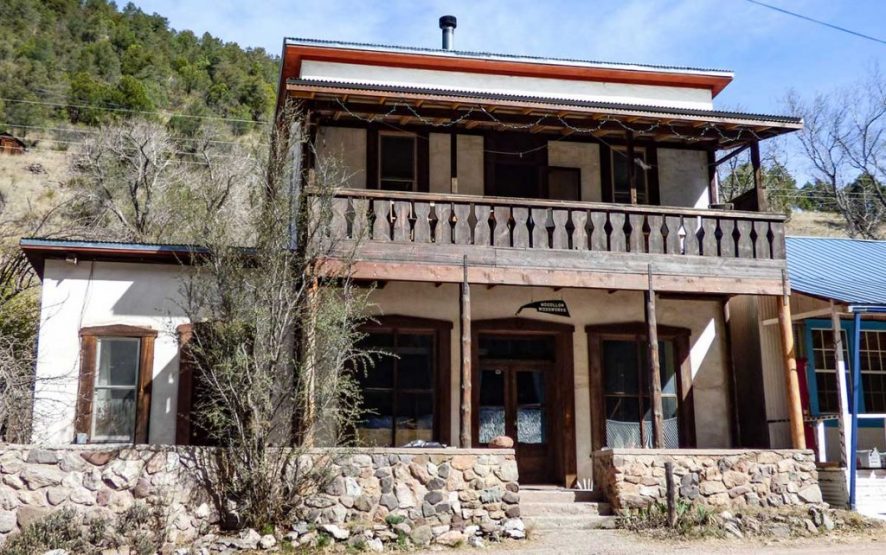
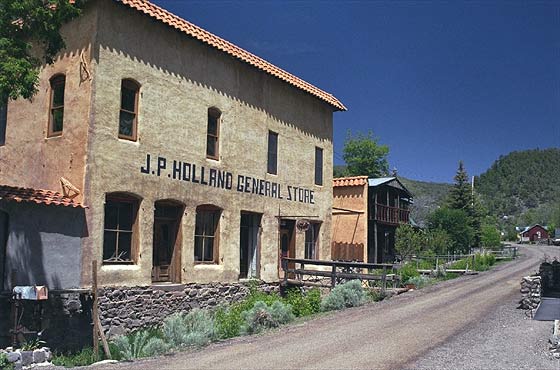
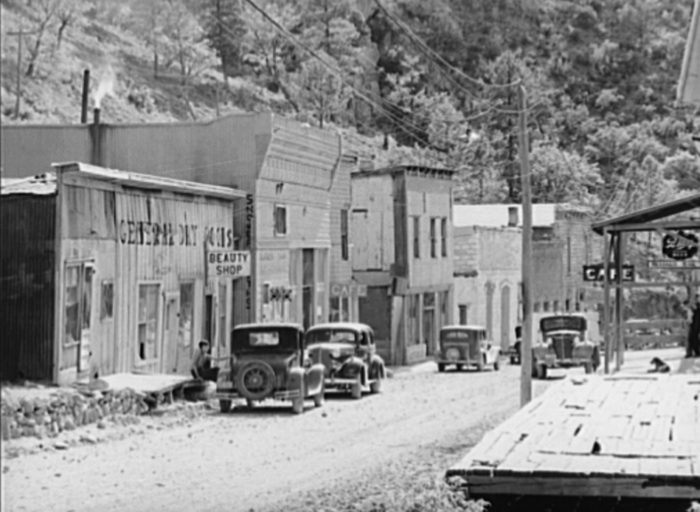
Welcome to Mogollon, one of the most famous ghost towns in all of New Mexico, USA. In the 1870s, what is now designated as the Gila National Forest in the Mogollon Mountains was fiercely protected territory owned by the Apache tribe. The isolated wilderness was stirred up by a group of miners who discovered gold in the area, and the Apache fought tooth and nail to drive them away. But the miners, spurred on by dreams of striking it rich, weathered the attacks and eventually managed to build a permanent residence that came to be known as Mogollon.
The town soon exploded into a vibrant mecca of the American Frontier, but it still had plenty of hardships to contend with. Reminiscent of how the residents of Kakariko Village were consumed by the Twilight, countless miners in Mogollon fell victim to black lung disease because of the toxic dust within the mines. And much like how the Hidden Village became overrun by Bulbin outlaws, Mogollan attracted criminals from all over the region and quickly became known as “one of the wildest mining towns in the West.” The poor economy in the early 1900s ultimately led to the closure of the mines and the abandonment of the town, with only a small handful of people living there today.
But even though Mogollon is now little more than a ghostly shadow of the past, the pictures of the old, empty buildings and rugged, untamed terrain evoke an odd sense of familiarity and comfort. This was a place that many people once called home, and the intrepid, optimistic spirit of its founders still lingers to a certain degree. As is the case with Kakariko and the Hidden Village, there’s quite a bit of old-world charm to be found on the lonely streets of this battered, forgotten town.
Breath of the Wild
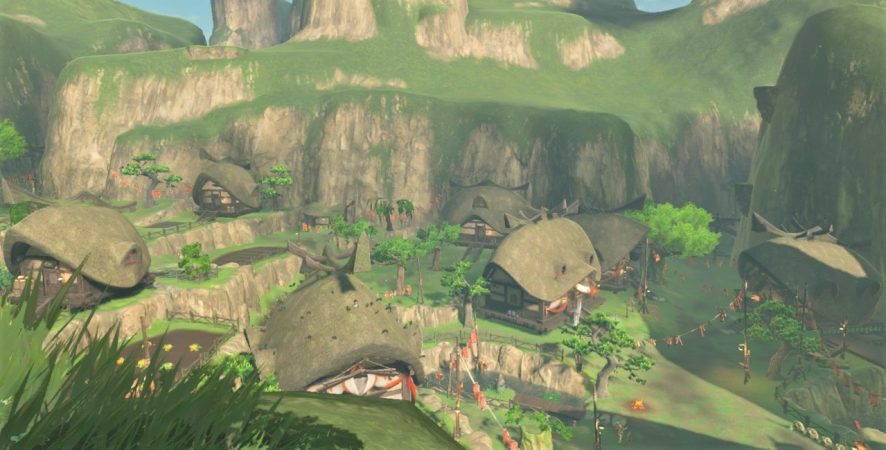
Arguably the most picturesque of all the village’s incarnations, Breath of the Wild’s Kakariko Village brings back a lot of wonderful memories of my time living in Japan. While my school colleagues were cruising around karaoke bars in Tokyo (too loud and chaotic for my taste), I took the opportunity to explore some quiet, rural villages that preserve the customs of centuries past and adhere to ancient Shinto tradition. It’s difficult to explain the sense of peace that one feels walking through these villages, as if the very ground is enchanted by a sacred force that prevents the ills of the world from reaching the residents.
Similarly, Kakariko Village in Breath of the Wild is one of the few places that managed to escape the wrath of the Guardians. This all-Sheikah oasis is filled with thatched roof houses built on terraces, lush foliage, flowing streams, hanging wooden wind chimes, torii gates, and small stone-carved idols that represent guardian spirits. But while quite a bit of the architectural design in Breath of the Wild is known to be based on that of the ancient Jōmon civilization, are there any specific places in Japan that may have influenced Kakariko Village?
Interestingly, the key to this quandary may lie with the scale of Hyrule Kingdom’s map. In a Breath of the Wild documentary piece, director Hidemaro Fujibayashi mentioned that in order to conceptualize the distances between different locations in the game, it was best to “think about the size of Kyoto [City].” Fujibayashi grew up in Kyoto, so he understood the layout of the land and could readily apply it to the vast world of Hyrule. And the fact that Hyrule balances out its ancient traditions with technological advancement also aligns with Kyoto as a city that smoothly blends the past with the present. But to reach the one place that I feel perfectly encapsulates the spirit of Kakariko Village, we actually have to travel to the rural outskirts of the city and enter a world frozen in time.
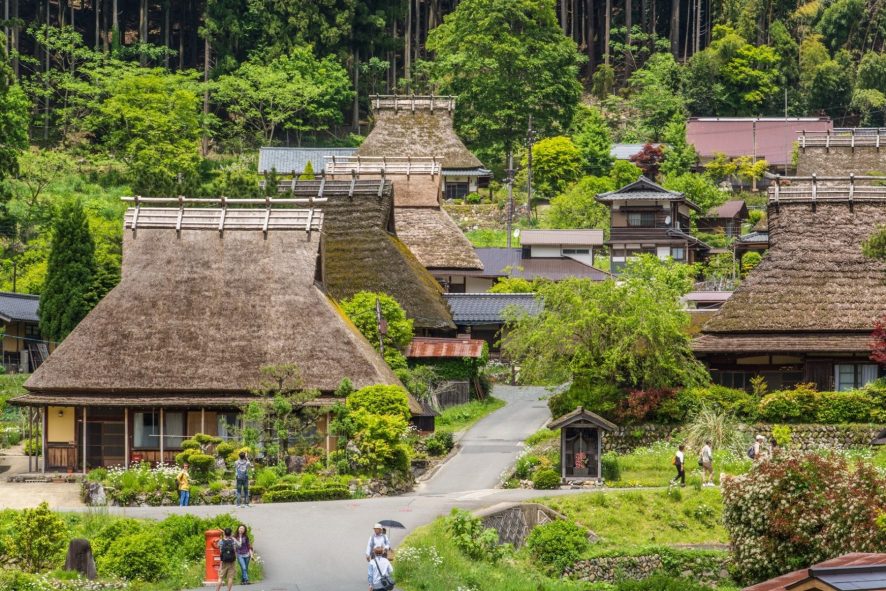
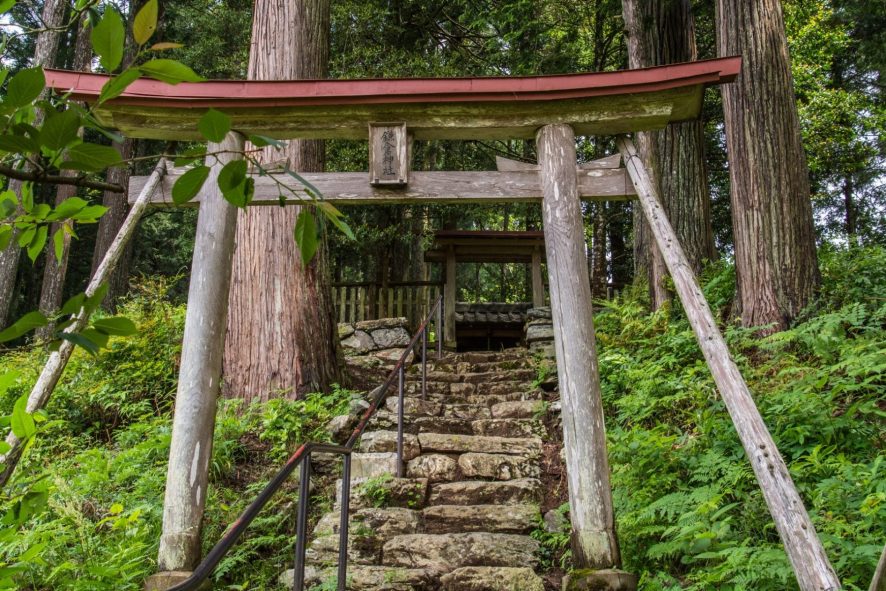
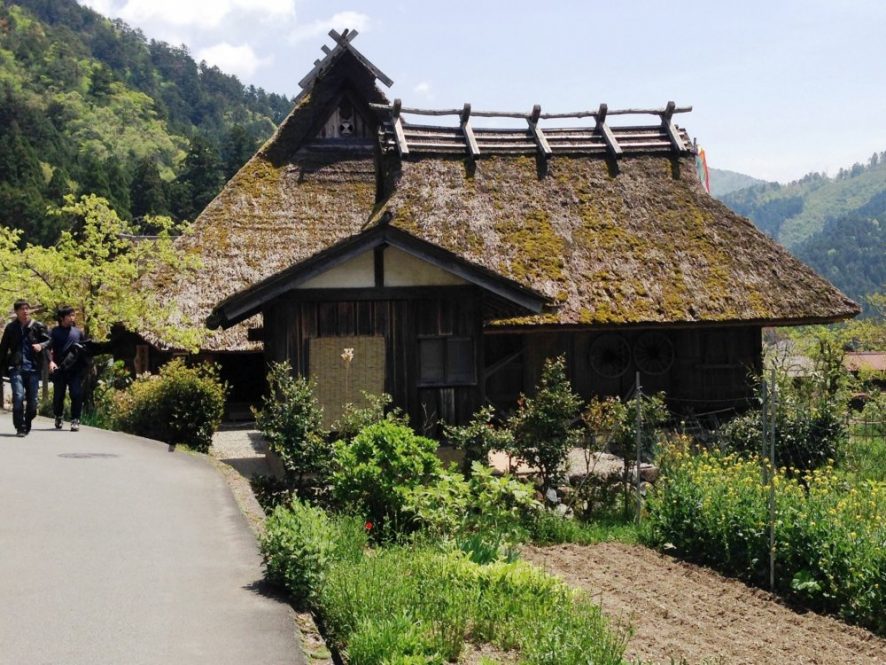
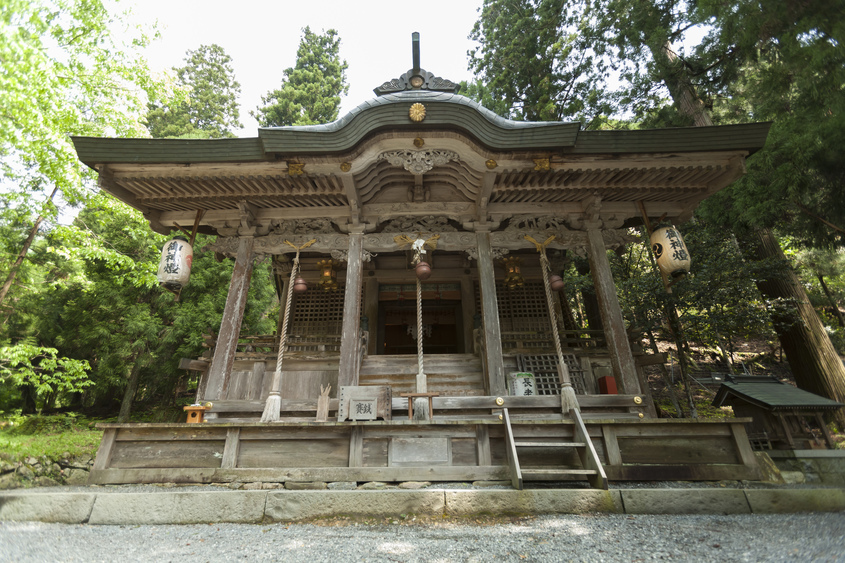
This is Kayabuki no Sato, a mountainous village in Miyama, Kyoto. The name roughly translates to “the thatched village,” which makes perfect sense when you notice that nearly all the houses have traditional thatched roofs. Due to the village’s isolation and the rough terrain leading up to it, the village residents practice self-sufficiency by growing practically all of their own food and procuring as many resources as possible from the environment around them. Thus, the cultural traditions of the village haven’t changed that much in the past centuries, though they now have a bit more modern technology and institutions that cater to foreign tourists. So if you want to get a true taste of what life was like in Japan’s past, this is one of the best places to visit.
One last neat detail here: Miyama is part of the city of Nantan, which also includes the small town of Sonobe. As was discussed in a previous Zelda’s Study article, Sonobe was Shigeru Miyamoto’s childhood home that served as the earliest inspiration for the creation of Hyrule. So in a way, Breath of the Wild‘s Kakariko Village is the purest representation of Hyrule that we’ve seen thus far in the Zelda series, as it embodies the spirit of the region where Miyamoto embarked on his very first adventure.
Before I leave you here today, I want to give a big shout-out to Talbot at The Architecture of Zelda. He runs this fantastic website where he writes amazingly detailed, fascinating essays about the real-world architecture and cultures that influenced various locations in the Zelda universe. Those essays are what inspired me to write this article in the first place, so I highly encourage you to read them for yourself!