I wasn’t a fan of Breath of the Wild‘s Sheikah Slate at first. I found it a little farfetched to use what was essentially an ancient, magical smartphone to guide my journey through the wilderness. Part of my distaste may have been because I’m too attached to my phone in real life, and I wanted to feel some separation in the game. I did, however, find the Sheikah Slate’s design attractive, as I did for the other ancient items, enemies, and structures. After hours of solving puzzles and demolishing enemies, I eventually came to accept the Sheikah Slate (I wish my phone had a Stasis app). When I learned it and the designs for all the ancient features were drawn from a prehistoric civilization known to be technologically advanced for its time, I came to appreciate the trusty gadget even more.
In the first of a three-part “The making of The Legend of Zelda: Breath of Wild,” series released by Nintendo in 2017, the game’s Art Director, Satoru Takizawa, explained how the team relied heavily on a prehistoric Japanese people for their own ancient designs.
The Jōmon period in Japanese history was the inspiration for the Sheikah Slate, shrines, and all of the other ancient objects and structures in the game. We ended up taking that aesthetic and using it as a base to expand upon for the game’s ancient civilizations. The reason for this was because the Jōmon period is relatively unknown to much of the world. It has a nuance of mystery and wonder that we found really appealing. We were looking for something that would feel unique, and settled on Japan’s Jōmon period as a result.
Satoru Takizawa, Art Director, Breath of the Wild
The Jōmon period refers to the period of Japan’s prehistory dating from 14,000 to 300 BCE. We’re talking really ancient here. People who inhabited the Japanese archipelago during this time established considerably complex hunter-gatherer cultures. These societies crafted many tools and jewelry from bone, stone, shells, and antlers, as well as lacquerware. They also handcrafted pottery and vessels using a unique style characterized by impressed decorations resembling rope, known as cord-marking. In fact, the term “Jōmon” translates as “cord-marked.” For Breath of the Wild fans, this motif is instantly recognizable.
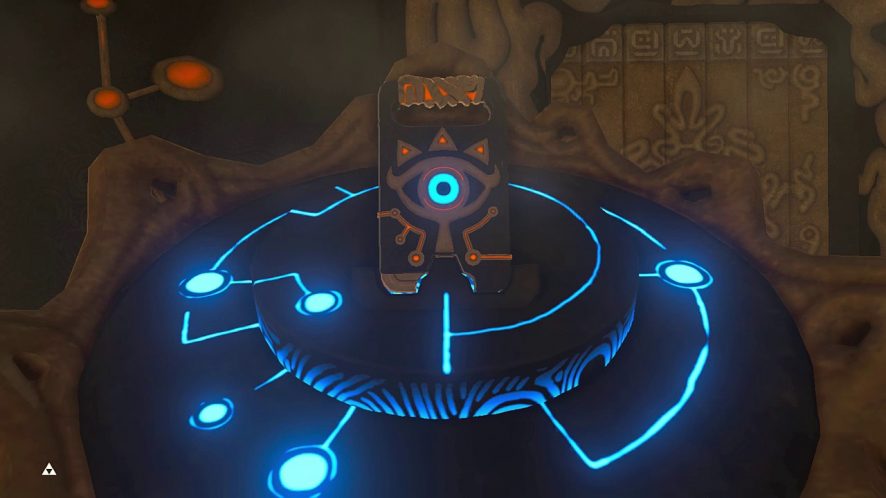
Wherever remnants of the ancient civilization are found, the distinctive cord-marking design is readily noticeable. This includes the Sheikah Slate, Ancient Shrines, Divine Beasts, Ancient Armor, and Guardians. Having not been familiar with Jōmon pottery, I found the patterns on in-game ancient materials to be unique and eye-catching. However, comparing these to pictures of Jōmon pottery makes it immediately clear the extent to which the designers were inspired by the prehistoric pots. It is also remarkable how intricate these pots are for being among the oldest ever discovered.

Breath of the Wild is probably not the first time the developers were inspired by Jōmon society. Skyward Sword features a different bygone civilization, the Ancient Robots, who most likely were fashioned after another Jōmon artifact called the dogū. Dogū are small, stylized figurines resembling humans and animals made during the later Jōmon period. Many are thought to represent goddesses. Clear resemblances are apparent when an Ancient Robot model is compared next to a certain dogū. As if to confirm the similarities, a schematic found in the Shipyard has Hylian text that translates to “dogū ship.”
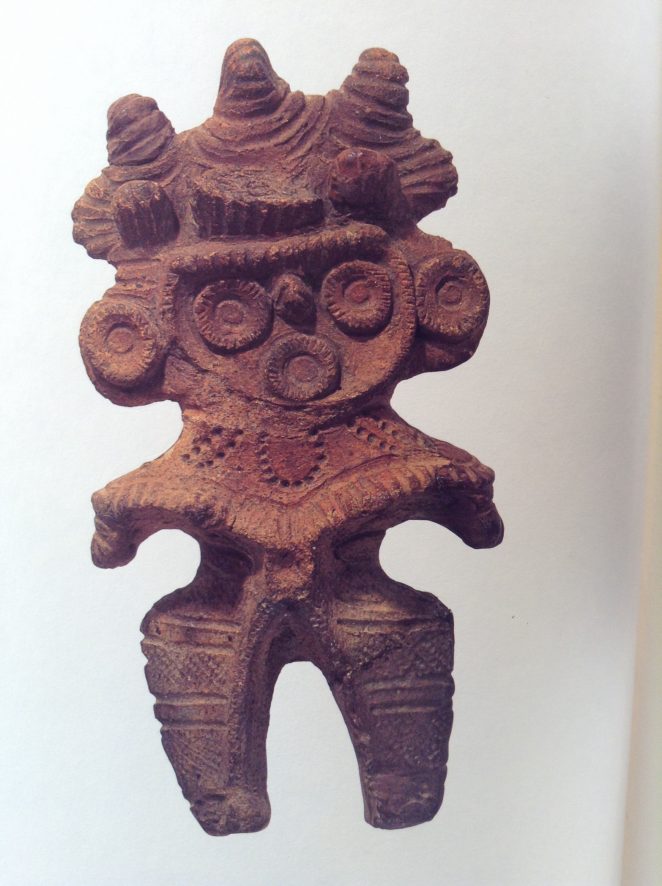
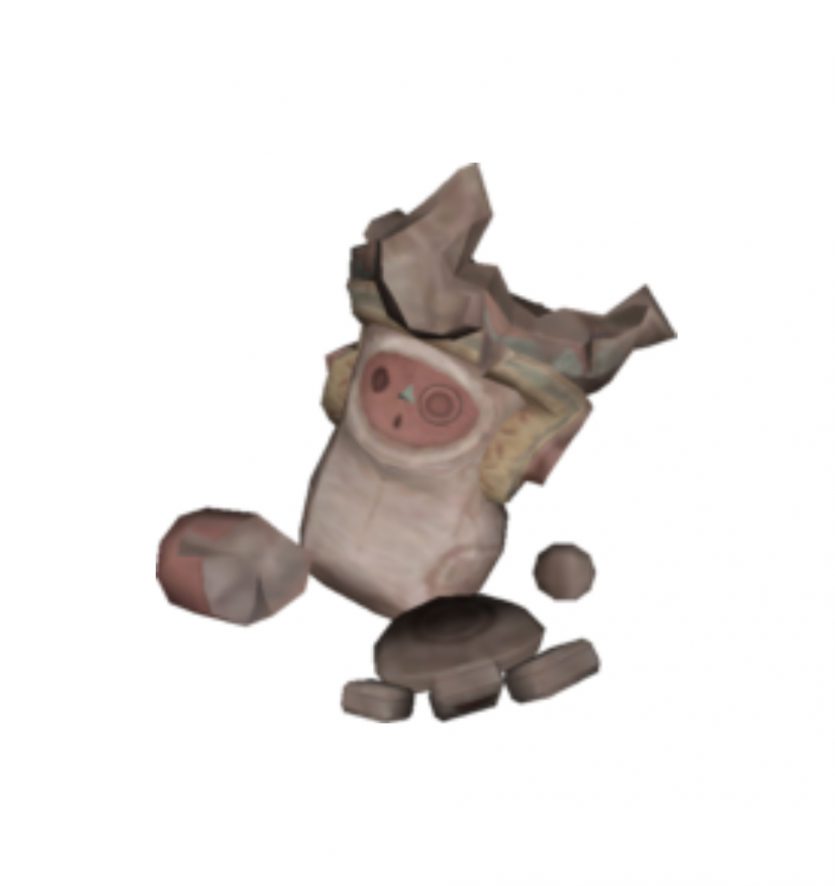
After reading up on Jōmon civilization and the amazingly intricate crafts of that era, I felt a new sense of appreciation for Breath of the Wild‘s ancient tools and structures. That even includes the Sheikah Slate. It no longer seemed so extraordinary that an ancient civilization could have developed such advanced technology.