First of all, if you’re one of those people who snidely respond to that headline with, “Yeah, The Legend of Zelda TV series sure was a big mistake,” then you should leave and go think about what you’ve done. Then come back, because you’ll probably get a kick out of this article, you uncultured swine, you.
As for me and some other intellectuals here at Zelda Universe, we rather enjoy the TV series, going as far as dedicating a whole month last year to celebrate its 30th anniversary. Nothing’s perfect, however (stop sniggering at the back, there), and that’s unsurprisingly the case with this otherwise-fun-and-entertaining-despite-what-you-may-think show.
The cartoon is riddled with animation flaws, continuity errors, and character design blunders, and many of them aren’t subtle whatsoever. There are times when these faults would be downright embarrassing — if they weren’t so amusing.
The Triforce of Wisdom’s true colors
Believe me, you don’t need to search very hard for these errors. You don’t even need to wait for the first episode to start: There is a huge mistake literally seconds into the series’ title sequence.
As the sequence opens, Link and Zelda walk into a room where the Triforce is Wisdom is held. “This is the Triforce of Wisdom, Link,” Zelda says, in case you needed more confirmation. The problem is, the Triforce is depicted as green, whereas in each its many appearances in the series, it is shown as blue.


Consistency has already gone out the window
“Looking good princess, especially from this angle!” Link might be a little too distracted to notice in the opening scene of the first episode, “The Ringer,” but there’s a rather large error to be found here.
As the episode begins and the scenes pans over North Castle, Link’s tower has five visible windows. Moments later, when Link is enjoying some “window shopping”, two of the windows below him have magically disappeared.
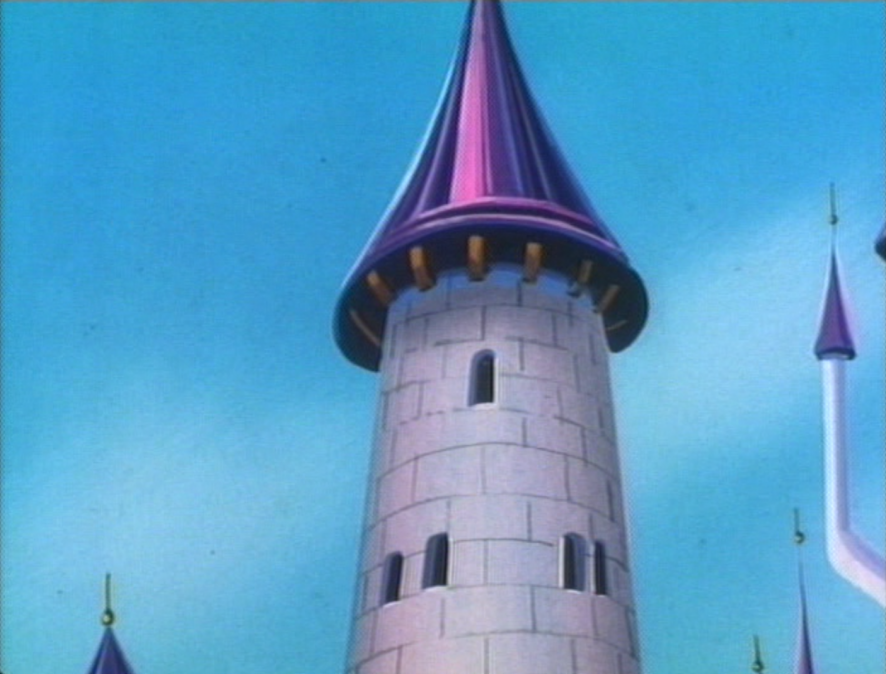

While we’re on this scene, windows aren’t the only thing phasing in and out of existence. Zelda is seen wearing two red earrings as we are introduced to her for the first time, standing on her balcony. As soon as Link whistles at her and spouts out his ill-advised pickup line, she suddenly loses them in the next shot, only for them to reappear again a second later.
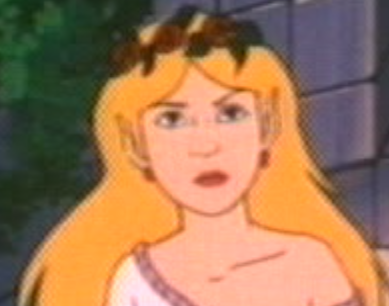
Ganon’s invisible throne
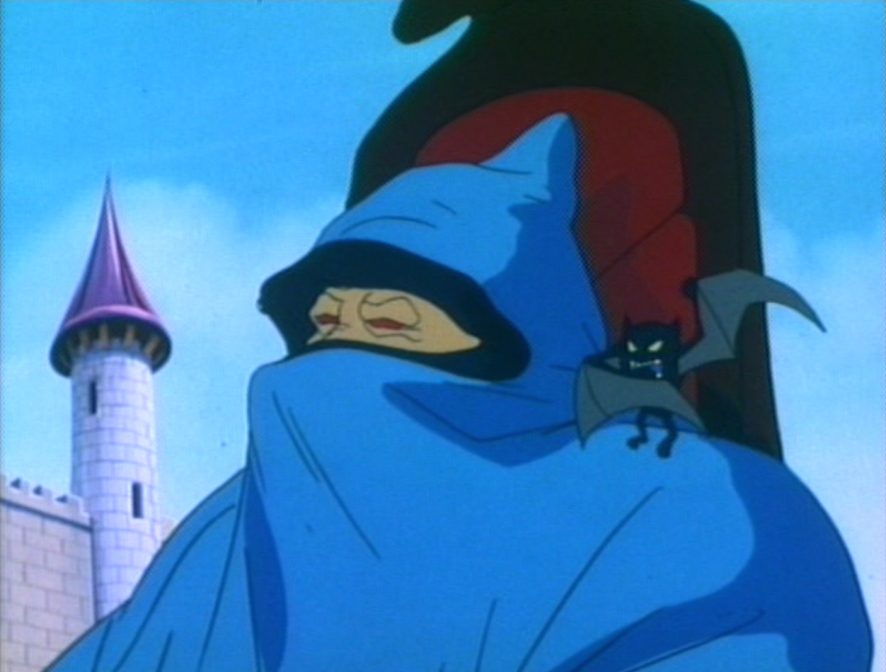
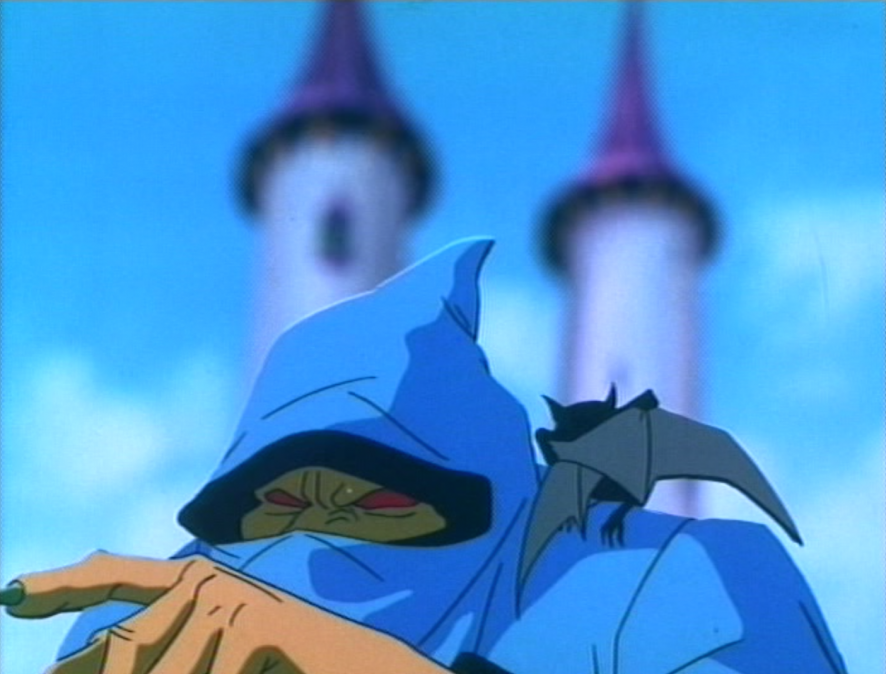
We’d be here all day if I listed every little continuity error and graphical inconsistency in this series, but here’s one that pops up more than once. When Ganon disguises himself as an amateur magician in order to enter Hyrule’s North Castle, he summons himself a throne to be carried by his Stalfos minions. He better not get too comfortable, however, as like Princess Zelda’s jewelry, the back of his seat has an odd habit of disappearing.
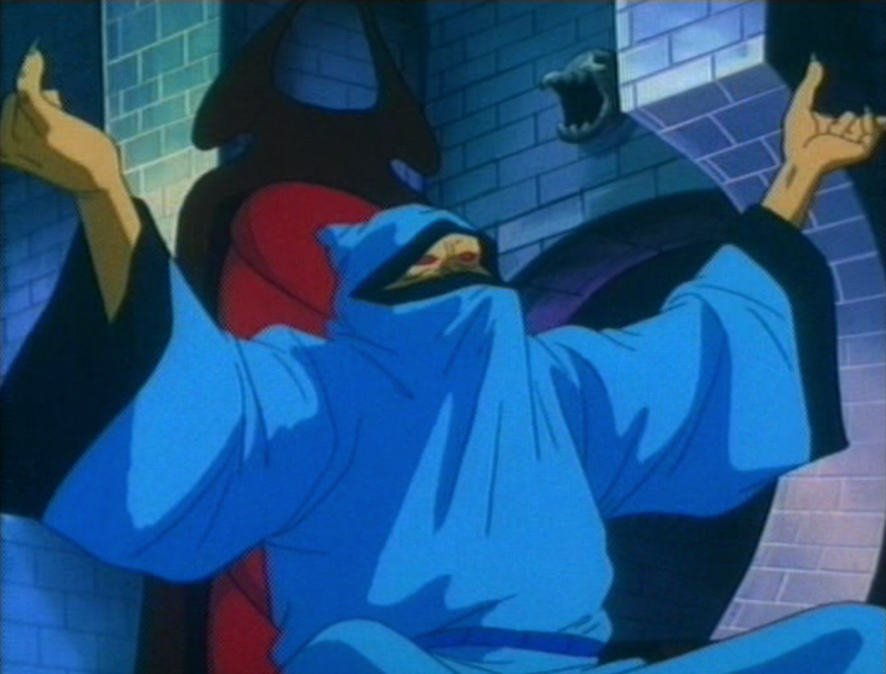
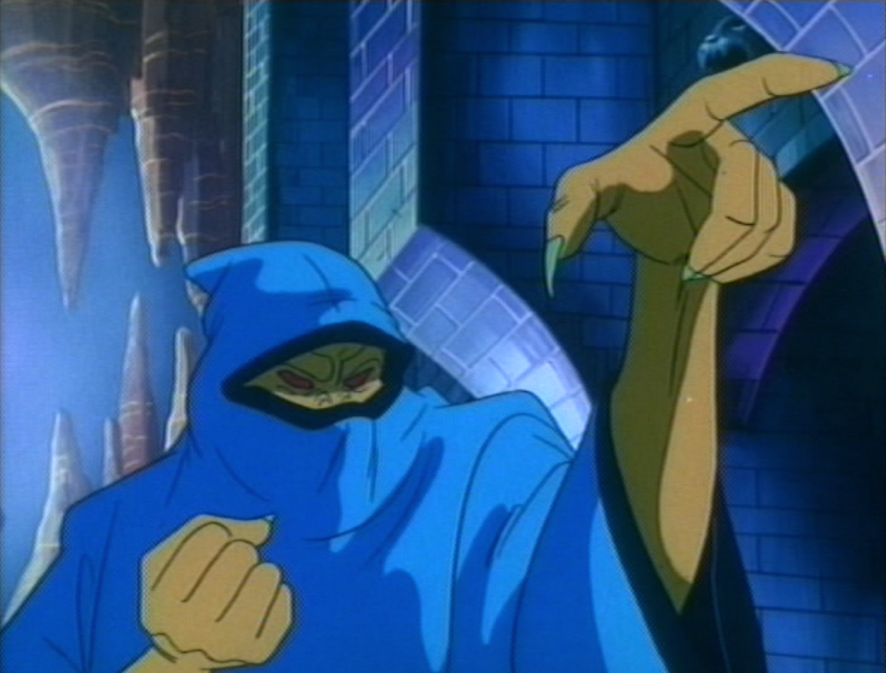
It vanishes once in the Underworld, as he prepares for the journey, and then later on at the castle when he sends an Ache to spy on Link’s tower. Part of his amateur magician act, perhaps? Nah.
A fairy strange error
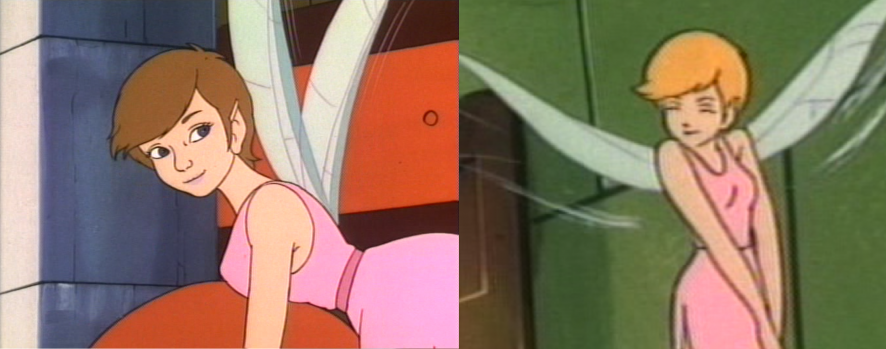
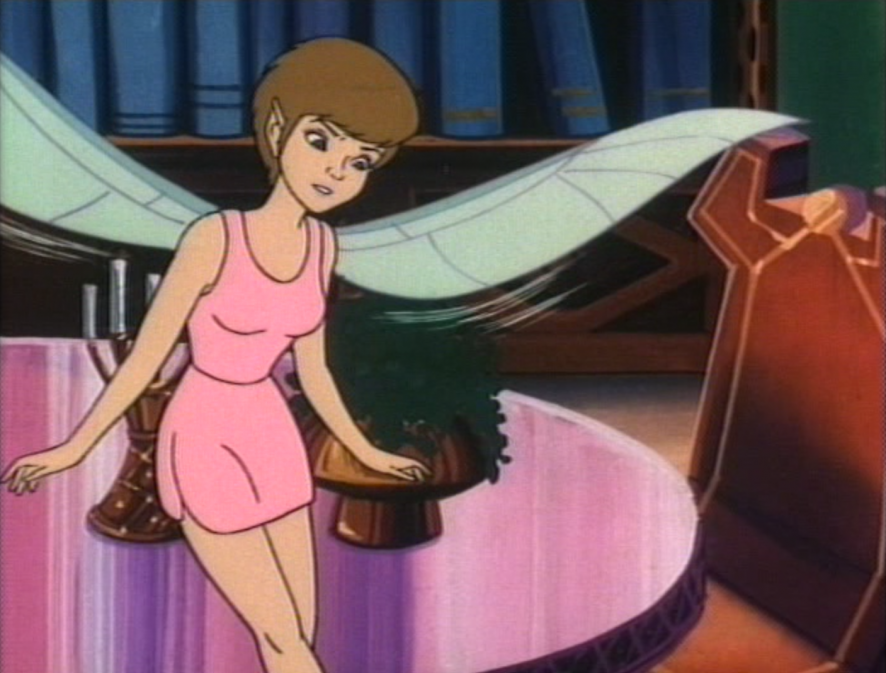
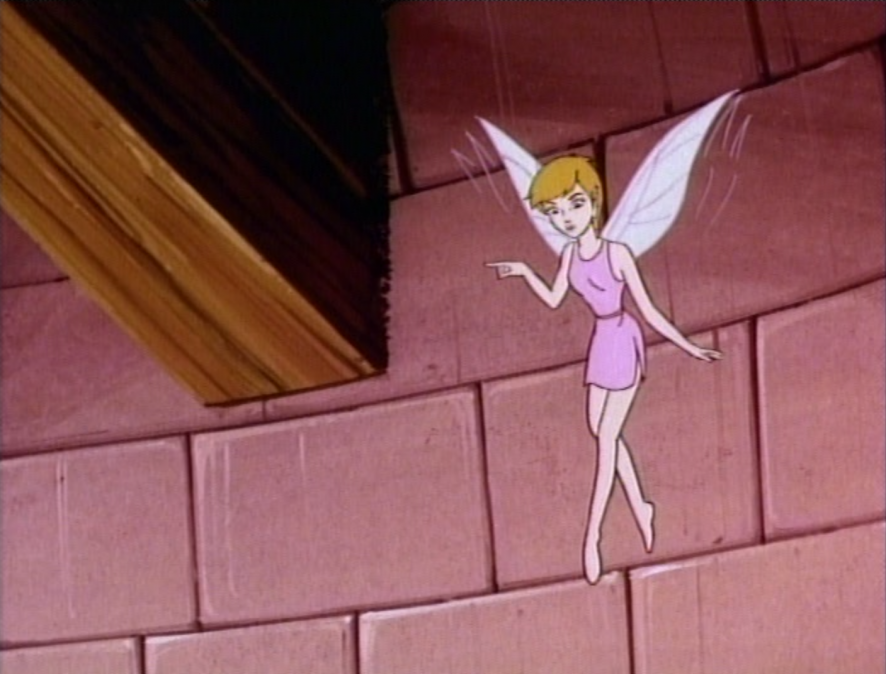
The concept of hair dye or color-changing magic spells wouldn’t seem too amiss within the land of Hyrule, nor would the idea of Spryte wanting to change up her look from time to time (though the inconsistency in character design might seem a little odd). To switch back and forth between hair colors in a matter of seconds, though? Even magic fairies aren’t that eccentric.
You guessed it: It’s another animation oversight. In the episode “Cold Spells,” Spryte’s brown hair changes to blonde for a moment while Princess Zelda gives her instructions on spring cleaning.
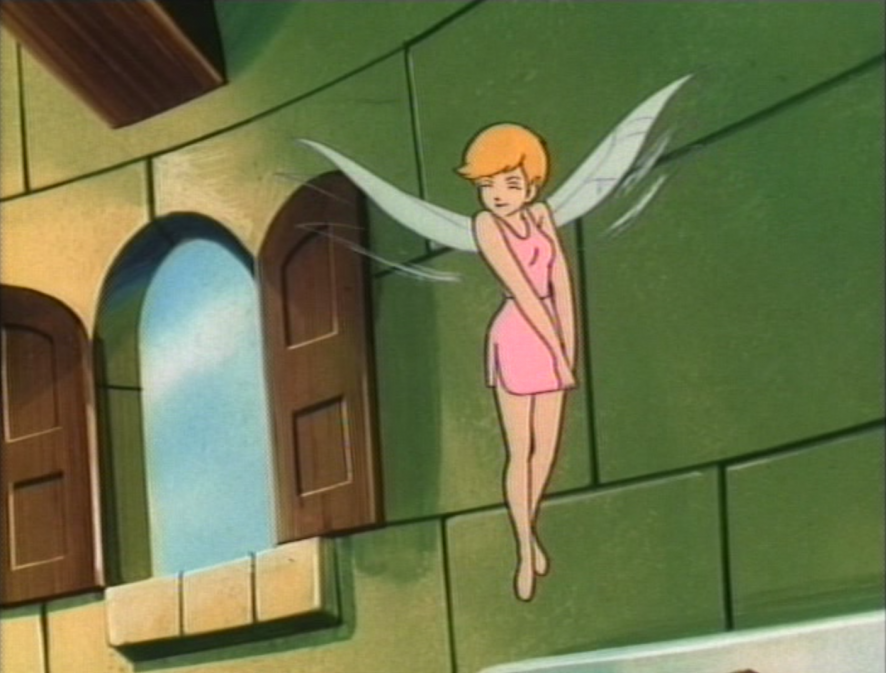
Weirdly, this huge mistake occurs again in “Kiss ‘N Tell,” just before Spryte turns Link from his cursed frog form back to his human body.
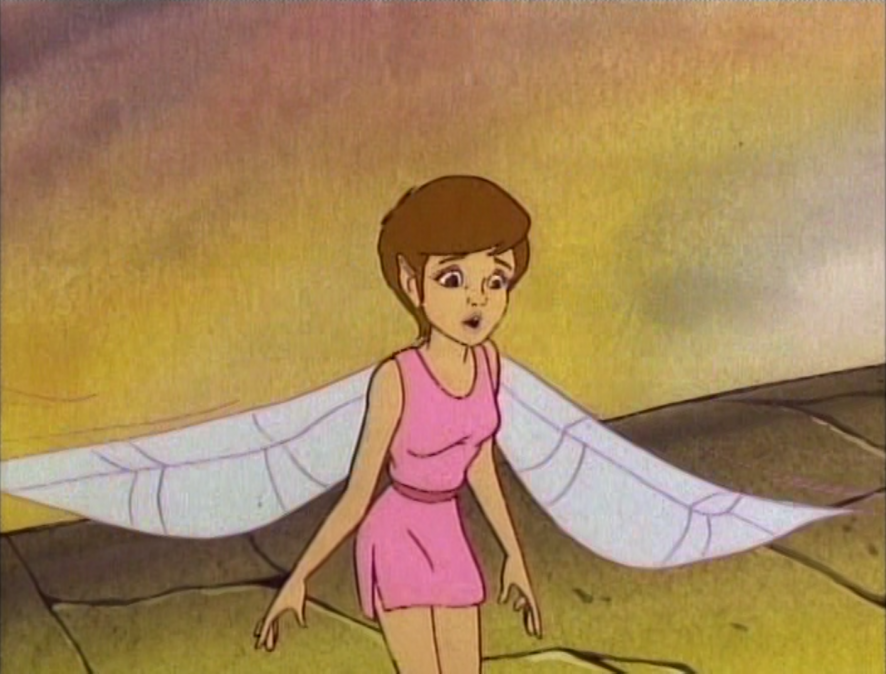
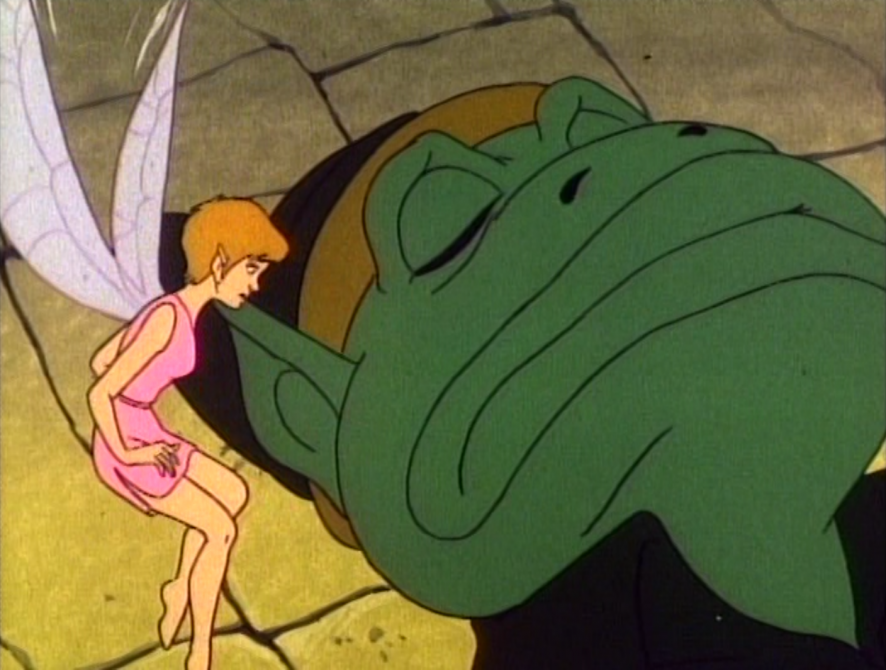
Even in her brief appearance in “Stinging a Stinger,” Spryte’s erroneous golden locks return.
Evil never sleeps
They say evil never sleeps, and that’s probably a good thing in Ganon’s case as, like his chair, his bed seemingly has a bad habit of vanishing. I know he’s the villain and all, but at this point, I’m starting to feel bad for the guy.
In “Kiss ‘N Tell,” there are two very inconsistent shots of Ganon’s room. The first shows a giant bed fit for an evil king, while another replaces this with a giant painting of a snake — not to mention a change in the brick pattern.
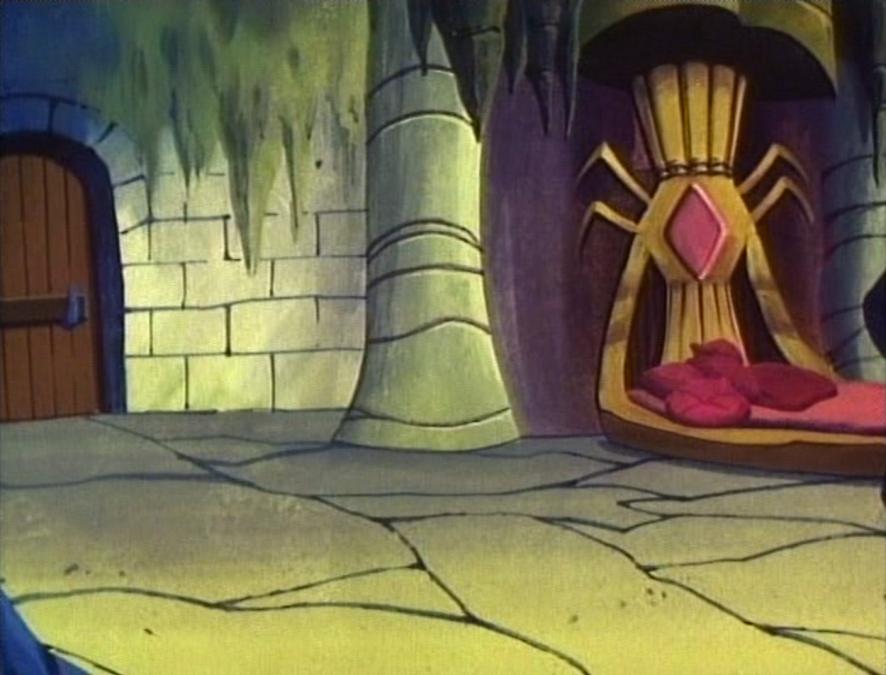
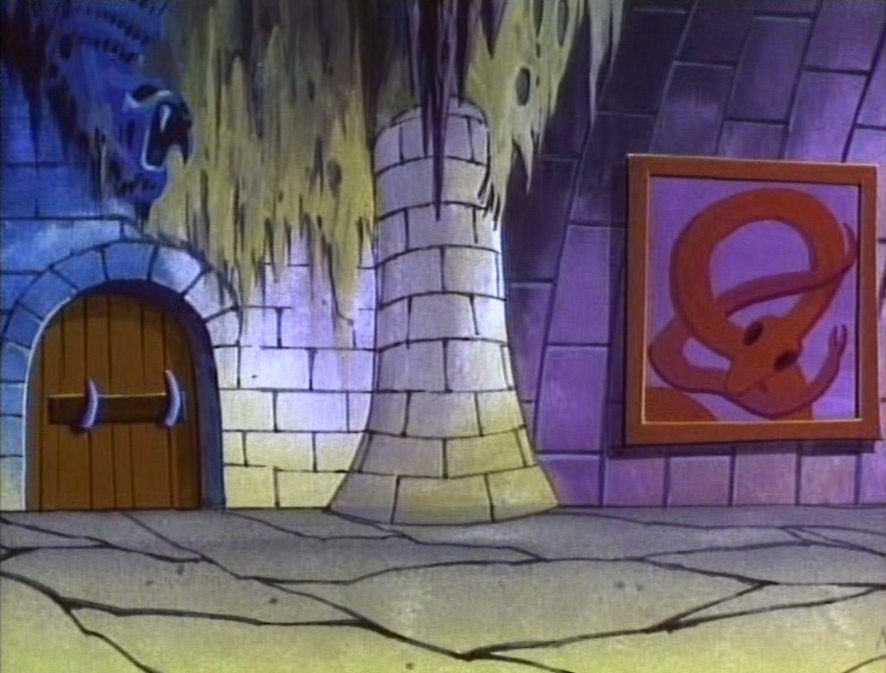
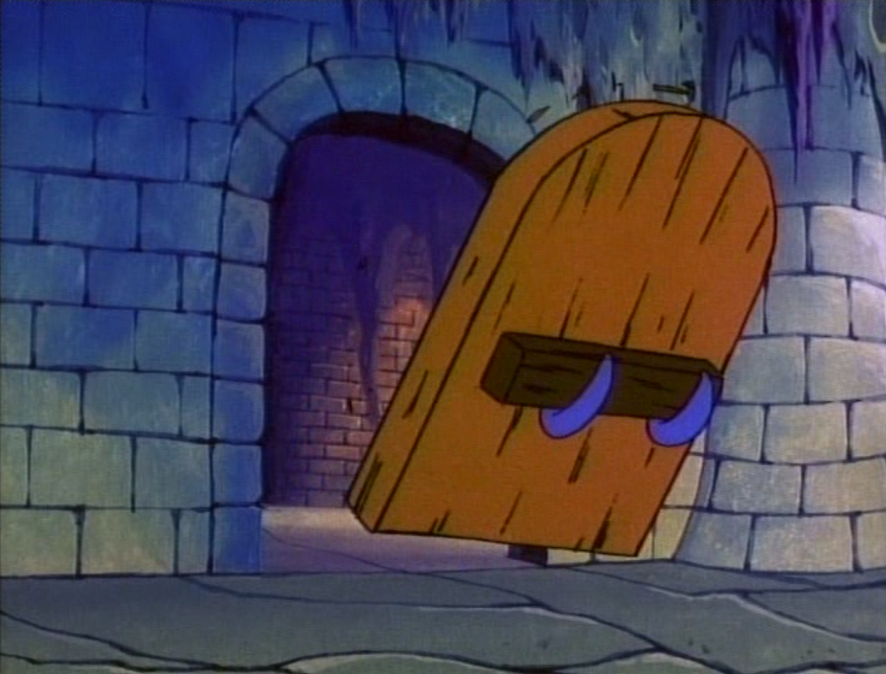
While we’re here, there’s another detail that cracks me up every time I see it. Link manages to bust open the door to this room, but if you look closely, this isn’t exactly an impressive feat. The door has a locking bar, which is supposed to be used to slide across two doors to keep them sealed. However, as you can see, this is a single door and the bar doesn’t even cover the walls, making it completely pointless.
Princesses grow up so fast
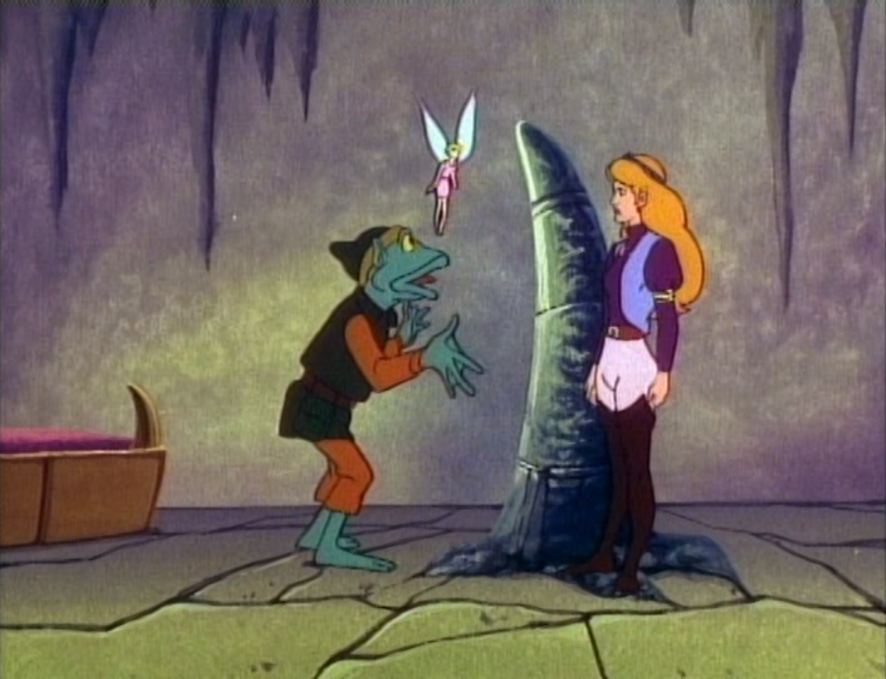
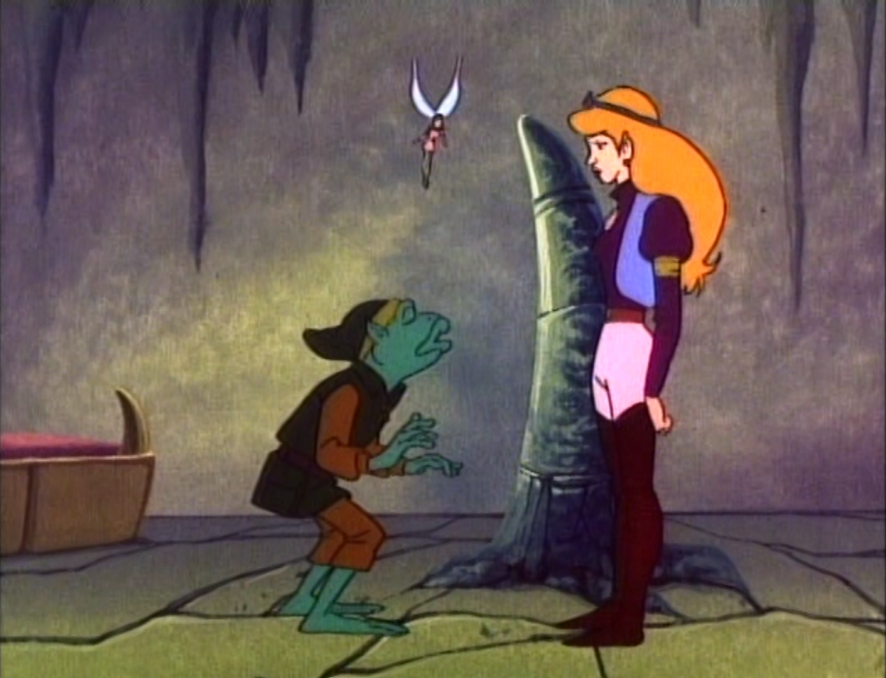
Oh, we’re not done with this episode yet. In fact, we’re not even done with this scene. After busting down that useless door and arriving into Ganon’s weird, shape-shifting room, Frog Link arrives with Spryte to rescue Princess Zelda. Link explains to her that he must be kissed by a princess in order to return to his human form. Apparently, though, Link isn’t the only one undergoing an odd transformation.
When comparing another two shots in this scene from “Kiss ‘N Tell,” it looks as though Zelda has grown several inches during the course of her and Link’s quick conversation. It wouldn’t be quite so obvious if it weren’t for the giant stalagmite between them, which Zelda suddenly ascends above in height. While she does appear to be standing further away from it in the second shot, the proportions still seem way off. Better kiss him quick, princess; you’ll burst through that ceiling at the rate you’re going.
That doesn’t sound like you, Link
Link has many talents, but one of his most underrated skills is his ability to perform impressions. Don’t believe me? Check out this scene from “Doppelganger.”
When Link is following Zelda’s evil clone through the Underworld, Link complains that he’s getting tired of carrying the Triforce of Wisdom. The doppelganger kisses him in an attempt to motivate him, and asks him, “Better now?” Link, still playing along and following her lead, responds, “Oh yes, much better!” This is when a strange error occurs, with the clone’s line of “Good. Come on.” synchronized with Link’s mouth.
Without context, it looks like Link is either impersonating her or predicting what she’s about to say by silently mouthing her words. The fact that he does this to the Triforce of Wisdom makes it even funnier; I don’t think the Triforce is impressed, Link.
Who’s side are you on, Zelda?
Later, in the same episode, Link reunites with the real Princess Zelda, while the evil clone tries to escape with the Triforce of Wisdom. With Link and Zelda in pursuit, it seems our hero isn’t the only one confusing the two princesses, as one scene indicates that even the animators got them mixed up.
As Link grabs Zelda and leaps to a lower level of the Underworld in an attempt to escape an Octorok attack, Zelda scolds Link after they land, but her outfit is miscolored and she briefly resembles her doppelganger.
What a waist of time
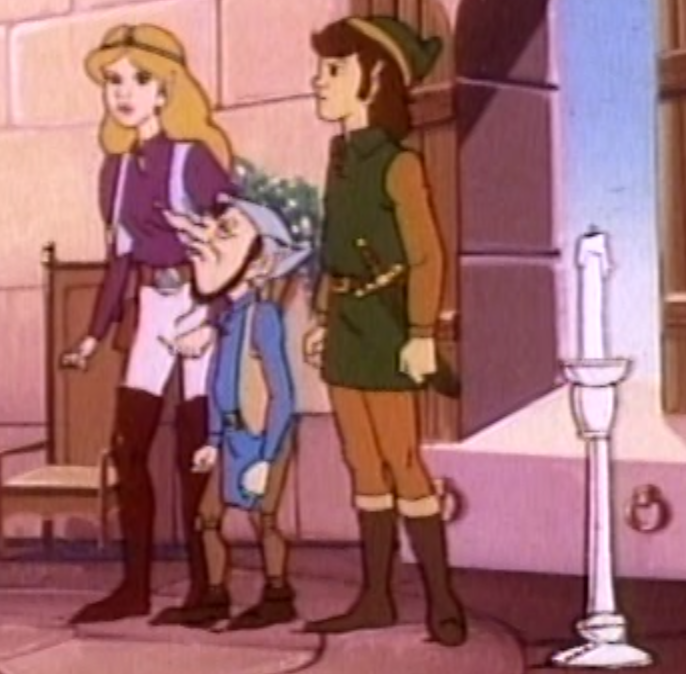
Next, we move on to “Stinging a Stinger,” which sees Link lose his handy Crissword due to the antics of a conniving conman by the name of Sleezenose. The weapon soon falls into the hands of Ganon, and as Link and Zelda reluctantly form an alliance with Sleezenose and escape the Underworld to return to North Castle, the unlikely trio turn to the Triforce of Wisdom for help.
Here’s the problem: Link asks the Triforce how they can get his sword back, and yet it’s right there, sitting comfortably in the holster on his waist.
A crooked king
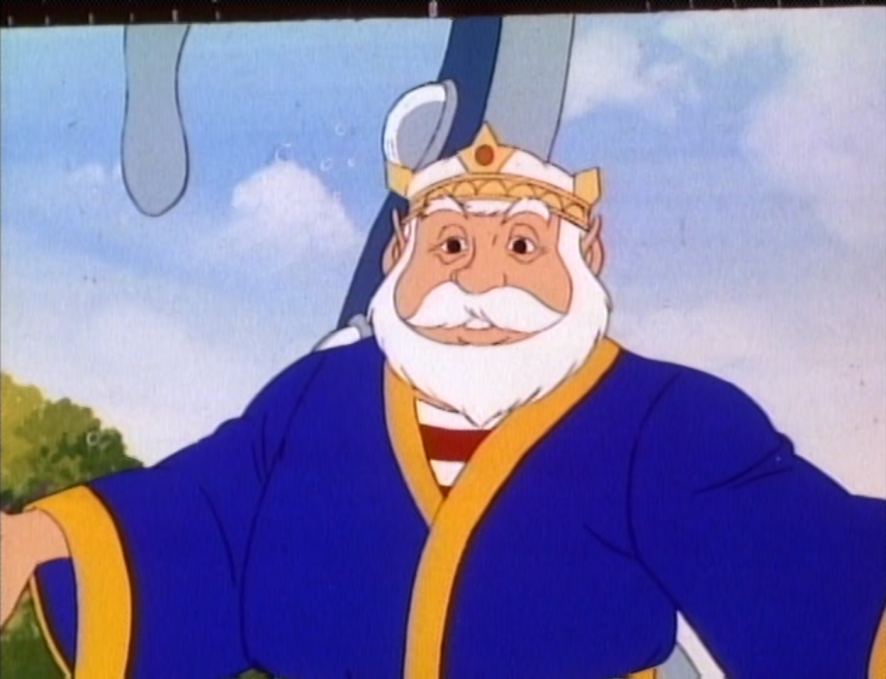
There are all kinds of issues with the episode “Fairies in the Spring,” particularly in terms of narrative, pacing, and straying too far from the source material. You can also throw “animation” into that list for good measure.
After hearing reports of monsters attacking the workers at Hyrule’s new water park, Link and Zelda are sent to investigate. When King Harkinian arrives to check on them before being grabbed by a giant tentacle, the animation cel is off-center, and the edge of the film strip is visible at the top.
Ganon is great at impressions
Ganon sure is mean to his minions sometimes. He keeps them imprisoned in a giant jar in his lair, he calls them names, and he zaps them whenever they fail to meet his expectations. In one scene, he even imitates one of his faithful Stalfos servants.
At least, that’s what it looks like, in another scene riddled with a voice sync error. In “The Missing Link,” when the group of Stalfos report back to Ganon after their defeat at the hands of Princess Zelda, they inform their master that Link was accompanying her. “Yes, and Link is with her,” says the Stalfos — as Ganon’s lips move.
This might be my favorite mistake in this entire list. The Stalfos’ voice is already funny by itself, with that strange, raspy-yet-goofy quality in the tone. The fact that the animators accidentally synchronized it with Ganon’s mouth movements makes the villain look like he’s having a bit of a breakdown as he converses with himself — either that, or he’s performing impressions to entertain his skeletal audience.
I am Error, and that’s OK
There’s no getting around the fact that The Legend of Zelda TV series has a ton of problems, as this long list of animation faults alone demonstrates. Do these issues get in the way of my enjoyment of the cartoon? Absolutely not.
I’d be lying if I tried to convince you that that aforementioned enjoyment wasn’t at least partly ironic, and some of these mistakes are just way too funny not to crack a smile over. The animation is often rushed, botched, and highly inconsistent, but like Link, it begs to be excused.