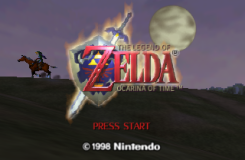
It’s true what they say: taking breaks increases productivity. Getting some space from your current project can refresh your mind and provide an opportunity to view problems from a new angle, often leading to breakthroughs.For the developers of Ocarina of Time, a timely visit to a local theme park provided the inspiration for the groundbreaking Z-targeting system that defined the game’s combat experience. What’s even more interesting is that the field trip affected two of the game’s designers differently, leading to different aspects of the Z-targeting mechanic.
In an interview with former Nintendo president and CEO Satoru Iwata, developers Toru Osawa and Yoshiaki Koizumi discuss the origins of Ocarina of Time and how it all started from the single idea that the next Zelda game should focus on “
Osawa and Koizumi adore Zelda II: The Adventure of Link and wanted to continue that game’s emphasis on sword fighting. Koizumi explained that they had even attempted to incorporate
With the approval of their boss, the team took a foray to Toei Kyoto Studio Park, a film studio with an attached theme park owned by Toei Company (the same Toei behind Power Rangers). The park is modeled after the Japanese Edo period (1603 to 1868) and hosts a variety of activities and performances based on this era. While at the park, the Zelda team
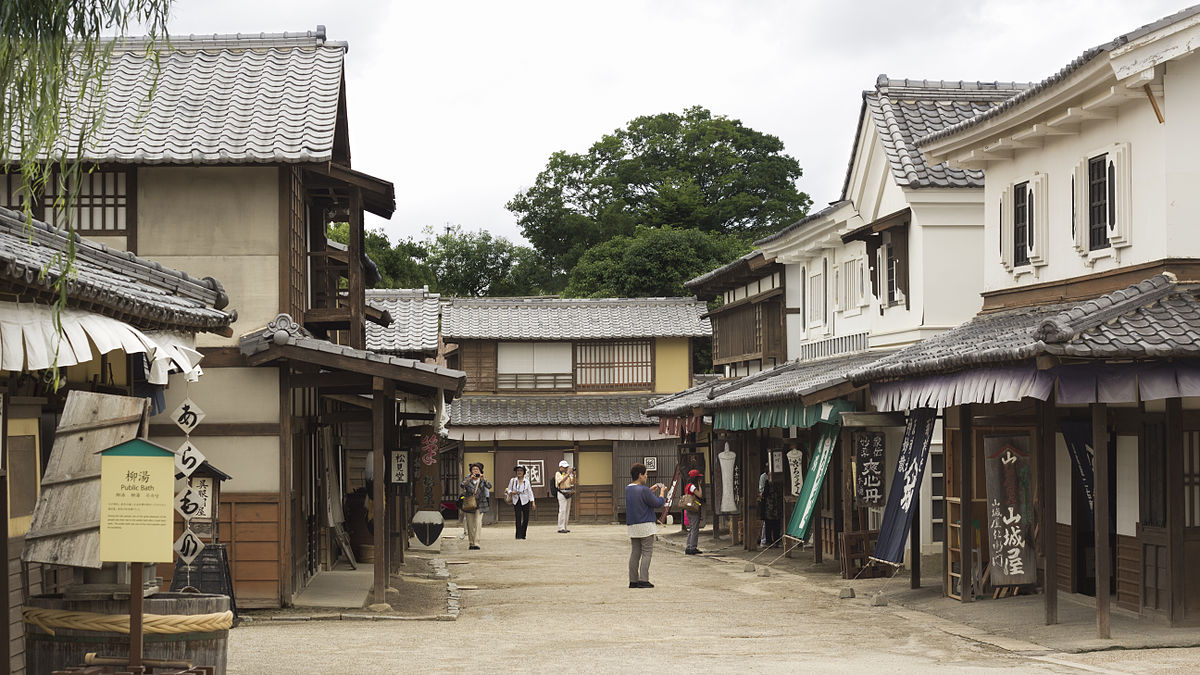
Osawa’s attention was drawn to how the samurai caught one of the ninja’s sickle and chain and wrapped it around his arm. This locked the two in a straight line. When the ninja moved left or right, it created an arc, similar to how a clock hand moves. This trait is noticeable in Ocarina of Time and progeny when you Z-target something and move sideways, allowing Link to always face his enemy while attempting to find an open spot to attack.
Koizumi noticed something else. He was intrigued by the fact that a warrior up against 20 opponents somehow always manage to come out on top. Upon closer inspection, he noticed that when the protagonist focused on one foe, the other challengers would wait until the previous one was defeated or no longer targeted. This avoids the problem of all enemies swarming at once, and that’s exactly how it works in the game. The team tested it out by designing a fight with two Stalfos. It was successful, and that fight is in the final version of the game in the Forest Temple.
A trip to a theme park on a whim and a fortuitous decision to check out a performance led to a revolutionary game mechanic still used to this day. So, the next time you’re feeling a little stuck, try taking a break away from your work. Maybe even take someone else with you. You never know when inspiration may strike and how it might impact you separately.