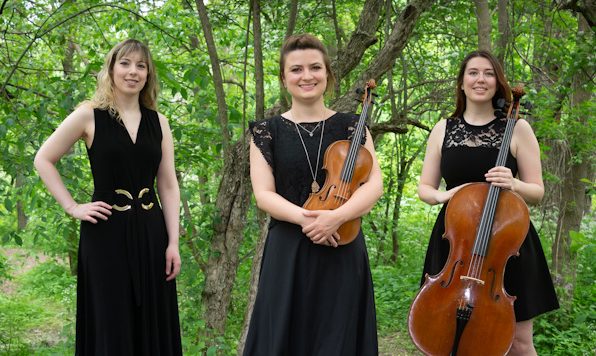
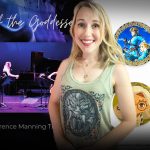
This spring marked the two-year anniversary of the forming of the Laurence Manning Trio, and they have now released their first complete album dedicated solely to Zelda music. Trio of the Goddesses is a testament to the group’s love of the Zelda series and explores a variety of moods found throughout these games.
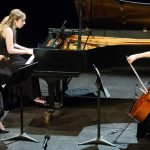
The ensemble consists of skilled pianist Laurence Manning, violinist Daphnée Sincennes Richard, and cellist Lou Dunand-Vincent. The group specializes in original music and previously toured across Quebec, Canada, to perform their Zelda arrangements.
The Laurence Manning Trio graciously gave Zelda Universe a review copy of Trio of the Goddesses.
The album’s diverse tracklist truly showcases the capacities of the piano, violin, and cello, while also allowing for a variety in pacing, tone, and color. It features 17 songs across 10 Zelda games that have been reimagined by the trio:
Trio of the Goddesses begins with the song most synonymous with Skyward Sword. Zelda performs “Ballad of the Goddess” on the day of the Wing Ceremony, and the song reoccurs throughout the game.
The album’s arrangement builds on the original mood and showcases each of the three instruments. It begins with a piano solo that provokes a youthful feeling that can be associated with both Link and Zelda. As the song crescendos, the cello takes over the melody with great intensity. Later on, the violin drives the melody adding further emotion to the plight of Skyloft.
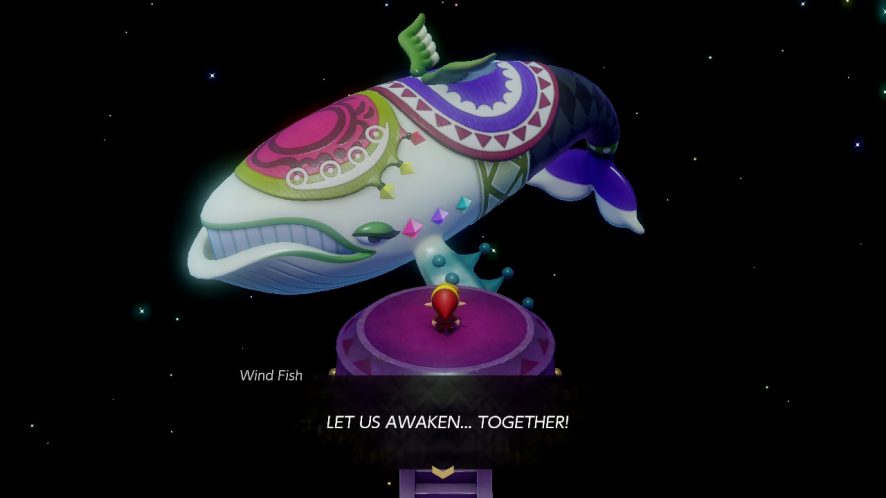
“Ballad of the Wind Fish”
In Link’s Awakening, Link collects all of the Eight Instruments of the Sirens and uses them to play “Ballad of the Wind Fish” in front of the Wind Fish’s Egg, revealing the final boss. After defeating the Shadow Nightmares, he plays the song in front of the Wind Fish to awaken them from their dream of Koholint Island.
Trio of the Goddesses’ interpretation captivates the bittersweet feeling of the game’s ending. The piano creates a symbolic dreamlike atmosphere alongside the low melody of the cello. The violin illustrates feelings of sorrow that embody the conclusion of Link waking from his dream but both the island and its inhabitants disappearing.
“Title Theme” (Ocarina of Time)
Ocarina of Time has one of the most iconic title screens across the Zelda series, and a significant reason as to why is the accompanying music. The opening shows Link riding Epona across Hyrule field and foreshadows the adventure that the player is about to begin.
Trio of the Goddesses’rendition of the “Title Theme” builds on the original’s raw emotion and soothing sound. Although the track may be very close to being a piano solo, the piano melody is not as powerful as the original, enabling a greater focus on the cello and violin’s subtle motifs. The song brings back the nostalgia of loading Ocarina of Time‘s title screen for the first time and will undoubtedly evoke the same feelings for other listeners.
“Song of Healing”
In Majora’s Mask, the Happy Mask Salesman teaches Link the “Song of Healing” after he is cursed in the form of a Deku Scrub. The melody can provide restless and regretful spirits with the needed peace to depart into the afterlife.
The Laurence Manning Trio’s reimagination manifests the game’s melancholic mood through the song’s instrumentation and added musical motifs. The track begins with a delicate violin solo before the piano gradually takes over the main melody. The return of the violin and entrance of the cello add some needed variety to the original song and underscores the somber tone. The “Song of Healing” is one of my favorite tracks on the album and one of the best renditions of the melody I have listened to.
“Fi’s Farewell”
Trio of the Goddesses ends with another beloved song from Skyward Sword. “Fi’s Farewell” is one of the game’s many variations of “Fi’s Theme” and plays during the farewell cutscene between Link and his guide.
The Laurence Manning Trio’s interpretation maintains the song’s beautiful harmony and serves as a perfect conclusion to the album. “Fi’s Farewell” truly captivates the poignant mood of the cut scene; the piano provides a gentle but moving sound that is complemented by the raw emotion of the strings.
Final Thoughts
The Laurence Manning Trio’s debut album gives listeners a refreshing orchestral sound to their favorite Zelda songs. Each of the three instruments acts as a voice and symbolizes the three goddesses that the album was named after in The Legend of Zelda: Din, Nayru, and Farore. The tracklist highlights the talent of the group as a whole but also each musician individually.
Trio of the Goddesses is a testament to the group’s love for the Zelda series, and I look forward to discovering what the Laurence Manning Trio has planned for the future. You can subscribe to Laurence Manning’s Youtube channel for her latest video game covers and visit the Laurence Manning Trio’s website for news about their upcoming projects. Trio of the Goddesses is currently available on Bandcamp and their website for purchase as a digital copy or CD.
Dima
Features writer at Zelda Universe. Has been gaming since his earliest days. He also enjoys writing about soccer and music.


 by Dima on July 2, 2022