It all starts with an innate desire to win. Somewhere deep inside, we have the ambition to become better, to get stronger, and do it all over again even faster to claim a prestigious world record. Perhaps this is the core of what speedrunning is about, a niche-within-a-niche that’s garnered increased attention over the past decade. Skilled gamers have commanded the fascination and curiosity of audiences around the world as they performed tricks and exploited ways to finish popular video games like TheWind Wakerand Ocarina of Timeas fast as humanly possible. Speedrunning is a mesmerizing sport, and while some might not think of it as such, it is indeed a sport in every sense of the word. It’s among several sub-genres that are gaining momentum in today’s esports industry, and The Legend ofZelda franchise is staged front and center.
The rich tapestry of The Legend ofZelda speedrunning
The Legend of Zelda games emerged on the speedrunning scene in the 2000s when runners began to pick apart the framework of Ocarina of Time and Majora’s Mask. Back then, much of their motive stemmed from simple curiosity about the games they enjoyed. How fast can these iconic titles possibly be beaten? Runners began sharing ideas online and downloaded videos of their progress through a dial-up connection, and then they shared videos of them on YouTube in the site’s fledgling years.
As any fan would know, Zelda games aren’t meant to be finished fast. They’re designed to be explored and savored, like taking a walk in the woods or spending a day on the beach. In order for a player to beat a Zelda game faster than the typical timeframe, they would need to glitch and hack their way to the end in ways the average person wouldn’t dare think of doing. Runners forged coding discoveries that exploited loopholes to their advantage, with each one shaving off precious seconds from the world record. The end result was a rich history of code and speedrunning exploits that garnered further appreciation for the architecture of Zelda game design.
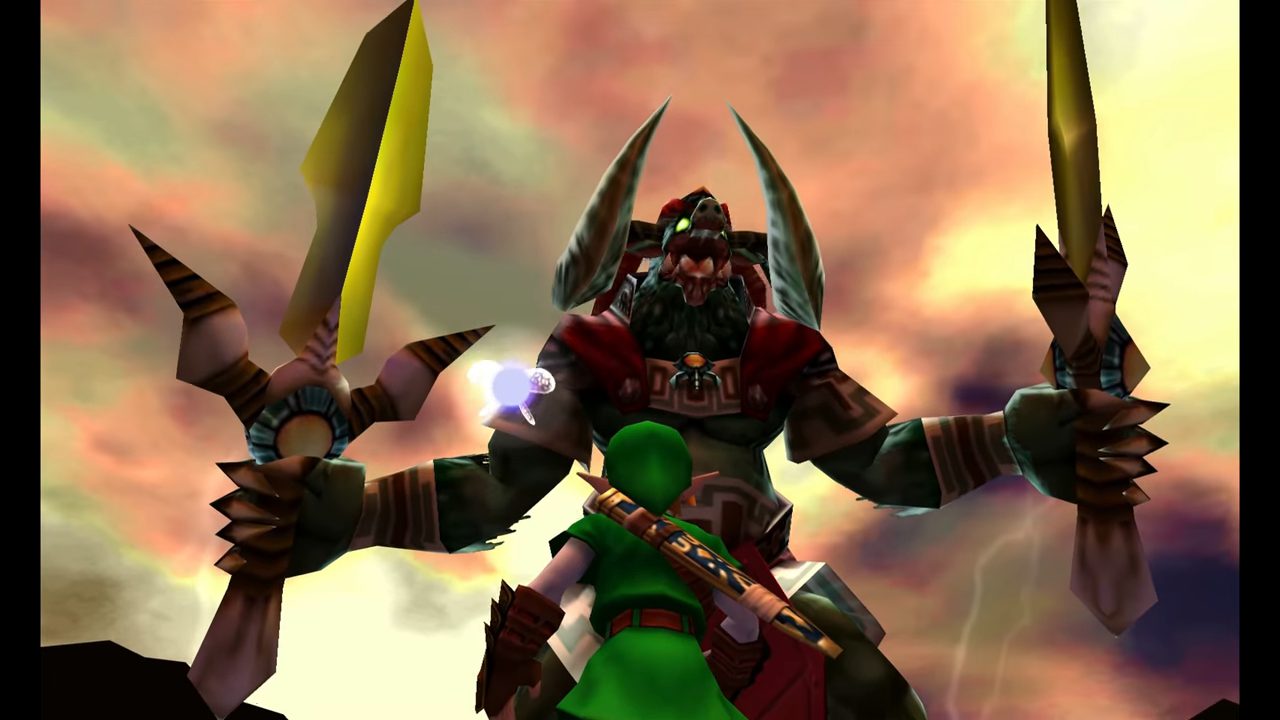
Thanks to the “Wrong Warp,” players can jump from Ghoma to Ganon in almost a blink of an eye.
Unfortunately, the very nature of speedrunning gave way to its own undoing in the Zelda speedrun circuit. In 2013, a massive glitch called the Wrong Warp allowed players to jump from the beginning of the first boss straight to the final battle of Ocarina of Time! In a twist of irony, years of Ocarina of Time’s speedrunning history were erased by the very glitch discovered because of it. According to today’s leaderboards on speedrun.com, several runners have beaten the game in a mind-numbing seven minutes. Runners still speculate whether or not the Wrong Warp has ruined speed gaming in Ocarina of Time for good. Such is the crux of mastering speed in gameplay.
While older games such as Ocarina of Time and Super Mario 64 may appear to be conquered, newer and more sophisticated games like TheWind Waker require greater finesse to beat. Randomized programming, extensive travel, barriers, and a final boss with generous damage output made the challenges in this title all the more exciting. These challenges were compounded further by the release of TheWind Waker HD, as runners discovered that loopholes in the original were patched in the new version. Some runners fell behind with the changes while others became rising stars. Other Zelda titles have also garnered attention in the speedrunning circuit such as A Link to the Pastand Breath of the Wild. Thus, the rich tapestry of Zelda speedrunning continues its intricate weave.
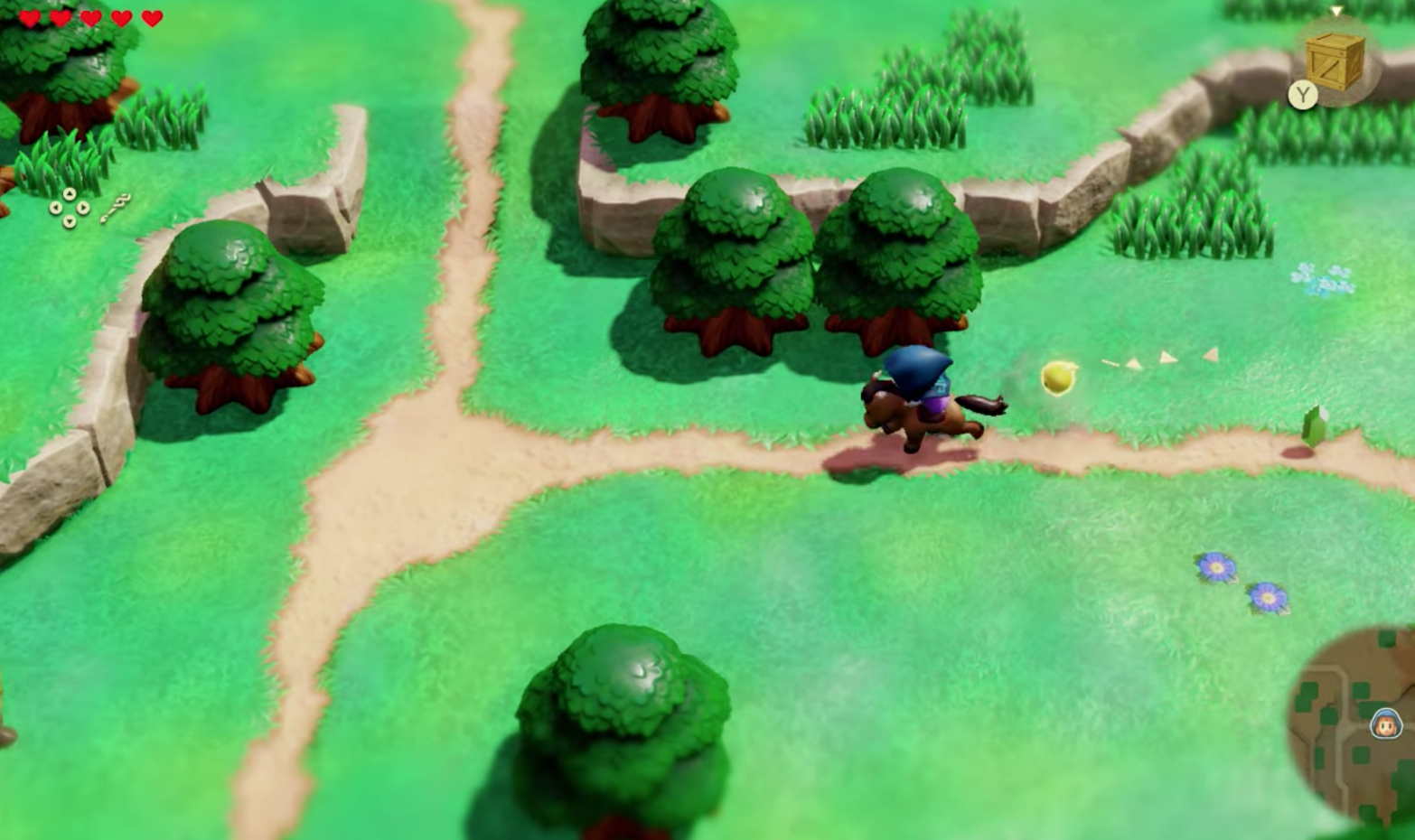
Gymnast86 demonstrates the Barrier Skip technique in TheWind Waker HD. It was discovered in 2016, but it wasn’t fully realized until a year later. With it, runners could enter Ganon’s Tower far earlier than the game normally allows, saving a significant chunk of time.
A day in the life of a speedrunner
What exactly does it take to become a speedrunner, anyway? Much of it involves a competitive spirit, a passion for video games, keen eyesight, and a knack for computer coding. Impeccable reflexes and timing are also must-haves. It’s helpful if you don’t mind repetition since there is plenty of it in speedruns. The means of streaming and recording your time are essential to prove your work. Most runners use Twitch streaming these days. Pizza deliveries are destined to be your main staple for survival. Restroom breaks are strategic pit stops. And it might be wise to invest in a chair that costs a few hundred dollars, since you will be glued to it for hours on end. Top-performing speedrunners recommend dedicating at least 100 hours to learn a somewhat complex video game before attempting a run. Then comes the hard part — the speedruns themselves.
Catching the thrill of victory with a runner on livestream is undoubtedly a magical experience, but most of the time a speedrunner’s playthroughs are peppered with failure. Hundreds of painstaking hours are spent racing against time and the game’s obstacles to reach the finish line. Many times, losing the whole run is only one bad jump away. This is the point where the rubber meets the road. Is it worth it to keep going, or quit? Dedication is the defining factor between rising speedrunners and the ones who don’t make the cut.
At the time of this article’s publication, only 16 people in the world have finished TheWind Waker HD in under an hour. Only five were able to beat the original GameCube version within the same timeframe.
Besides Zelda, Super Mario 64 is a popular choice among runners. Much is at stake for speedrunning to grow in the esports industry.
A business of fun and games
Speedrunners are no ordinary players. They test the limits of video games to the max. Titles such Metroid Prime and Super Mario 64 were developed for casual players to recreate. But each time a speedrunner plays, it’s a standoff between human versus machine. No two speedruns are exactly alike, even though a game’s programming delivers the same scenario and storylines. Sometimes there are boons, and other times, terrible pitfalls. Many tricks employed by the players require precise timing of code, and there is little margin for error.
TheWind Waker speedruns have a notorious track record of high-stakes playthroughs, and the trend is hot today for its HD version. Watching players like Linkus7 and gymnast86 glide through TheWind Waker HD feels like witnessing Seabiscuit and Secretariat in the Belmont Stakes. And yes, there is money involved. Some speedrunners work as free agents, while others, such as Linkus7, join a team to lend their talents. A full-time speedrunner can make about $26,000 per year. Most of these funds come from paid advertisements through streaming viewership. Some of it is through the generosity of sponsors and charitable spectators.
Games Done Quick hosts several speedrunning marathons each year. They have raised over $31 million in donations thus far.
Playing games for good
As the rise of speedrunning grows from an underground internet hobby to a professional esport in a post-pandemic world, questions may arise about preserving the original character of its sportsmanship. From Doom to Breath of the Wild and beyond, great milestones in speedrunning history have been documented and credited by an online community effort since the 1990s. Some techniques, such as the “Jake Dupe” and “Cosmohopping,” are attributed to its inventor. But besides those, runners readily acknowledge that most discoveries are credited to a group effort by the community as a whole. Will the spirit of cooperation remain if more opportunities for monetization open in this competitive sport? It depends on how the budding industry will grow in today’s brave, new world.
One ray of hope is the snowball effect of speedrunning events for charities, such as The Speed Gamers’ Zelda Marathon and Games Done Quick marathons. Once grassroots efforts of charitable speedrunning, these events have raised millions of dollars that were donated to large nonprofits like Doctors Without Borders, St. Jude Children’s Hospital, and more. It’s a refreshing reminder of how the beloved titles we grew up with can be used to help those in need, sharing a laugh or a smile while doing so. Whether you prefer your Legend of Zelda game slow or fast, one cannot help but admire the agility and skills of these remarkable speedrunners and the art and science they reveal under the hood of each Zelda masterpiece.
Chelsea Reed
I’m a ZU writer and author of an up-and-coming sci-fi fantasy novel. All credit of my nerd prowess goes to a dear friend of mine, the true master of Forsaken Fortress.


 by Chelsea Reed on May 10, 2021