Saving Hyrule from Ganondorf, Calamity Ganon, flooding, and generally going to rack and ruin once every few centuries is a pretty big job. And it’s far too big for one Hylian to accomplish all on his own.
Link is the hero in The Legend of Zelda games, but he cannot accomplish his quest – rescuing Zelda, defeating Ganon, etc. – without help from many friends and allies.
We see this from the very beginning of the series, when the old man in the cave gives Link his first sword along with the immortal words — “It’s dangerous to go alone. Take this!” This has continued all through the Zelda series, up to and including the aid of the four Champions and their descendants in Breath of the Wild.
Some of these allies may be always at Link’s side during the game, offering guidance and hints or fighting alongside him. Others may offer more subtle assistance, like selling supplies, weapons, and potions that Link might need. This means that Link’s allies in the game include all of the shopkeepers, potion makers, healers, Great Fairies, and background characters who have a few useful hints.
In other words, any character that is not actively trying to kill Link can be considered an ally.
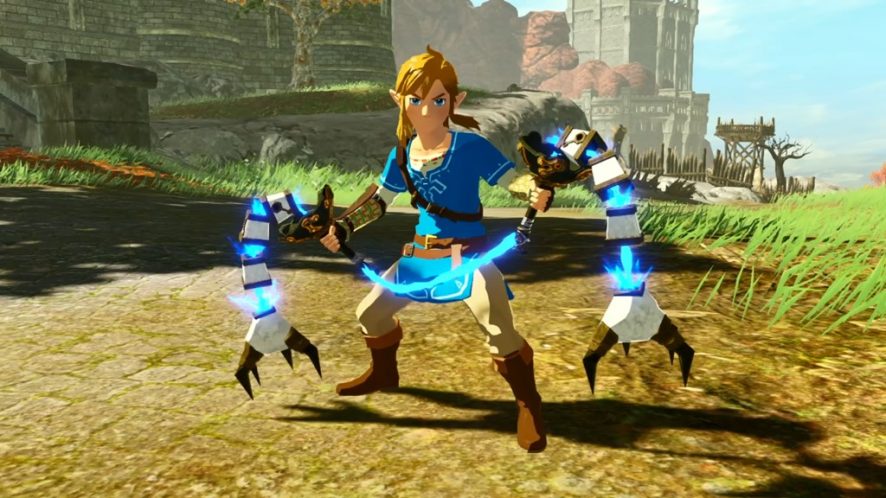
The Hyrule Warriors series took the idea of allies and teamwork to another level, making Link not the sole player character, but instead part of a larger ensemble of player characters.
Going to town
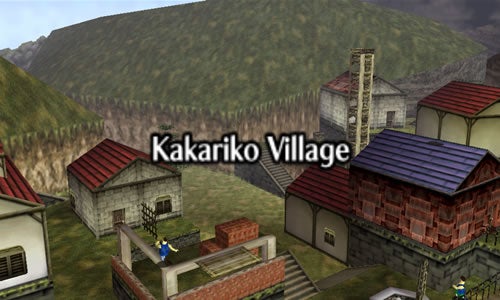
Every game has at least one or two villages where Link needs to stop, gather information, and buy supplies. Adventure of Link introduced the concept of towns — all of which share names of the sages in Ocarina of Time, incidentally — but it was in A Link to the Past that we first visited Kakariko Village, a mainstay location throughout the series. This village becomes one of the most important sources of information, supplies, and other aid that Link needs over the course of the game. It is also usually here that Link gets a dose of plot exposition: from Impa, from Sahasrahla, and so on.
Subsequent games introduced even more towns and settlements, like Zora’s Domain, Gerudo Town, Ordon Village, Windfall Island, Goron City, and Hateno Village, to name but a few. All of these places are sources of supplies that Link will need, and the non-player characters frequently have vital information to pass on. It could be something as simple as a side quest rewarded with a Piece of Heart or a handful of Rupees, the start of a shrine quest in Breath of the Wild (just listen for Kass’s accordion), or it could be a clue about where Link needs to go next on the main quest.
Hey! Listen!
The first two Zelda games didn’t do much in the way of giving hints, aside from some cryptic clues from non-player characters in the towns or in the caves. Starting in A Link to the Past, however, we began to see allies that would give the player some more onboarding help. Zelda, for example, coaches Link on how to get into the castle, and then out through the sewers. And of course, later in the game, she and the other six maidens break down the magical barrier surrounding Ganon’s Tower. Link’s Awakening continued this with characters such as Marin and the Owl.
A similar owl appears in Ocarina of Time: Kaepora Gaebora, who is so helpful that he nearly drives the player out of their mind with his longwinded hints and “Did you get all that?”
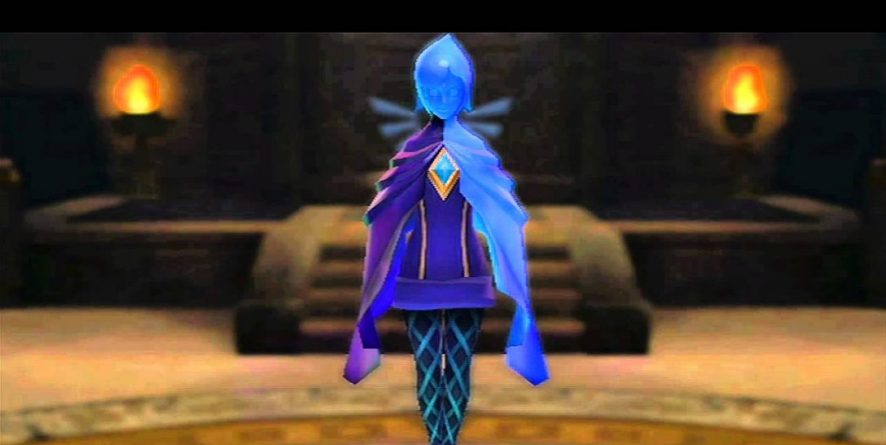
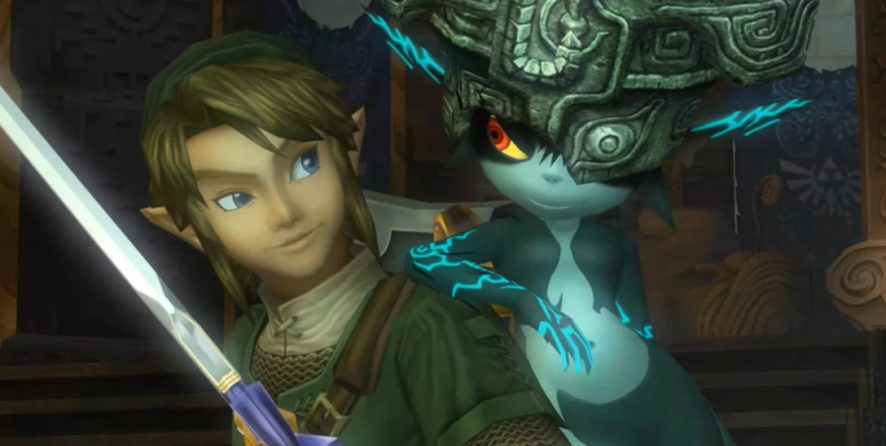
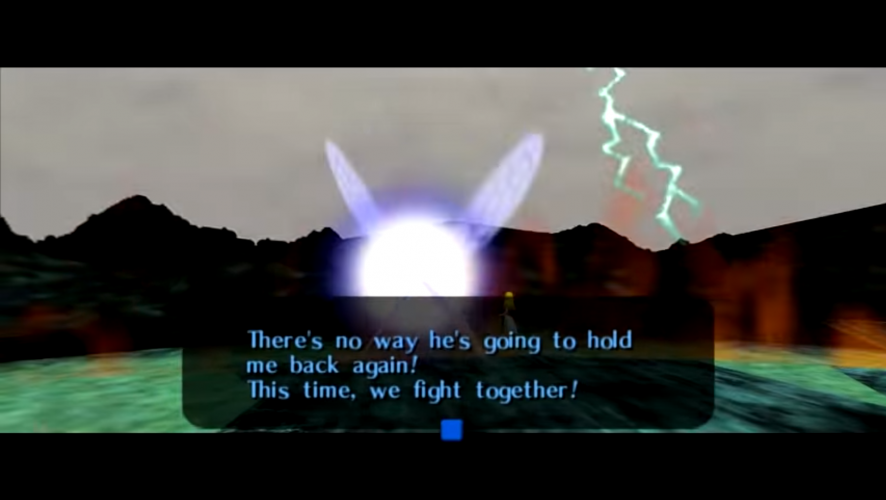
It was in Ocarina of Time that Link was given two kinds of companions: one companion who was there to give hints and guidance, and one companion who also acted as a mode of transportation. Unlike in previous games, these companions would be alongside Link for almost the entire game. Ocarina of Time famously introduced Navi the Fairy. The role of Navi was later assumed by Midna in Twilight Princess, and Fi in Skyward Sword. These companions give the player advice on how to use certain controls, which is valuable for players who are new to the game.
It was also in Ocarina of Time that we were introduced to Epona, the horse that becomes Link’s faithful steed and companion in many subsequent games. Breath of the Wild changed this convention around by allowing Link to catch and train any of the wild horses around Hyrule, with Epona being unlockable through a special amiibo.
In Skyward Sword, rather than riding horseback, Link flew with his Crimson Loftwing through the skies above the Surface.
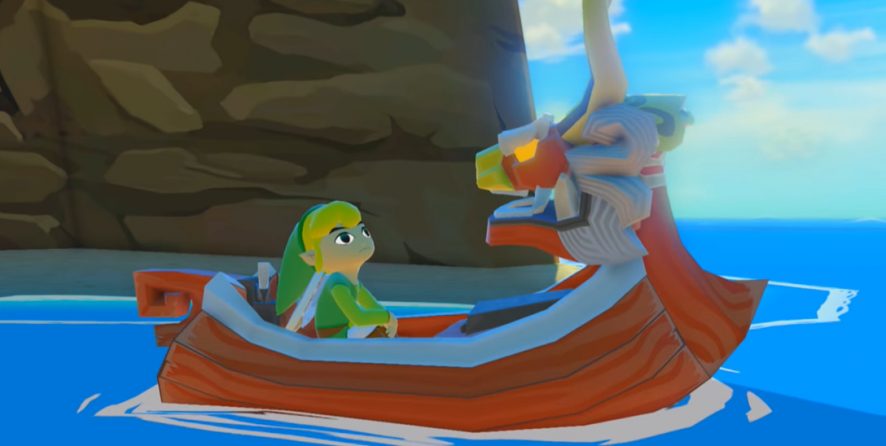
The King of Red Lions in The Wind Waker was a combination of these two types of companions, acting as a mode of transport and giver of advice.
Hyrule Warriors
In the mainline Zelda games, Link is usually the sole player character, (we could argue at length whether the multiple Links in Four Swords and Triforce Heroes are different Links, or just different iterations of the same Link). But in the Hyrule Warriors games, Link is part of a larger ensemble of playable characters, all working together to save Hyrule from destruction. Each character has different strengths and abilities that make them suitable for different battlefields. On top of that, there is a cast of hundreds of supporting fighters from the different armies: Hylians, Zoras, Gorons, Rito, Gerudo, and so on.
The first Hyrule Warriors game is based heavily on the worlds of Ocarina of Time, Twilight Princess, and Skyward Sword, all being among the most iconic 3D Zelda games. Age of Calamity, of course, is set in the world of Breath of the Wild.
Whenever the player is fighting as Link, there will be a companion on the battlefield with Link: Proxi the Fairy in the first Hyrule Warriors, or Terrako the Guardian in Age of Calamity.
The Hyrule Warriors games drive home further the importance of relying on friends and allies that you can trust. The smart player knows how to direct their fighters to different areas of the battlefield so that they can take on all the different enemies and opposing forces and provide aid to allies in distress.
In the original Hyrule Warriors, there is a moment where Link, temporarily falling victim to a moment of pride and “I don’t need help,” finds himself doing battle against shadow versions of himself summoned by Cia.
“Arrogance…Ego…Pridefulness…this darkness nurtured in you shall be your undoing,” Cia taunts Link.
It is only by the arrival of Lana, Impa, Darunia, and the rest of the party that Link is saved from certain defeat.
“Real strength comes from knowing your weaknesses,” Impa says.
And by extension, that strength comes from knowing when to ask your friends for help.
Erin Roll
Erin Roll is a freelance writer, editor, and all-around slinger of words for fun and/or profit.
Erin lives at the top floor of a haunted house in Montclair, NJ. She loves music, reading, hiking, and kayaking, and spends entirely too much of her free time playing video games.


 by Erin Roll on November 30, 2022