It was around this time 10 years ago that the Nintendo 3DS made its international debut, launching in North America, Europe, and Australia following its Japanese release. The portable console promised to be a worthy successor to the hugely popular Nintendo DS, with stronger hardware that allowed for console-like experiences on the go, revolutionary 3D visual effects that required no 3D glasses or other accessories to enjoy, and several new communication systems such as SpotPass and StreetPass tagging. Even as the handheld medium faced an ever-growing threat from mobile gaming, fans knew that they could count on the 3DS to provide at least one more generation of quality portable gaming from Nintendo.
What fans didn’t know was that the 3DS would go on to be one of the most important consoles in Nintendo’s history.
Overcoming all obstacles
The odds were stacked against the 3DS right from the start. A hefty $250 price tag proved far too expensive for many gamers when the handheld released, becoming one of several factors behind the 3DS’s disappointing launch. The underwhelming sales from its first few months forced Nintendo to make a significant price cut of nearly $100 midway through 2011 while also offering free titles through the Nintendo eShop for those who purchased the handheld at launch. The amount that smart devices were eating away at the handheld gaming sphere was more evident than ever, and Nintendo fans got another stark reminder of that down the line with the PlayStation Vita’s woes.
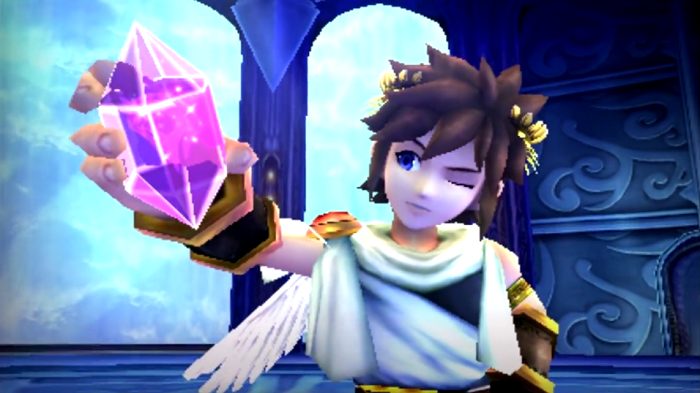
The Legend of Zelda: Ocarina of Time 3D provided a major boost to the 3DS in its first year.
But Nintendo was committed to making the 3DS a success, bolstering its first-year lineup with standout titles such as The Legend of Zelda: Ocarina of Time 3D, Super Mario 3D Land, and Mario Kart 7. Early adopters in Japan were lucky enough to get Professor Layton and the Miracle Mask long before the rest of the world. Games like these — along with a smattering of third-party efforts to fill in the gaps — finally enticed fans to buy into the handheld in droves, especially once the larger 3DS XL released in mid-2012. Mere months after its tepid launch, the 3DS was posting strong sales numbers like any Nintendo handheld was expected to, and it would continue defying the odds for years to come.
Rebounding from a rough start and then thriving despite dwindling interest in dedicated handheld consoles was just the beginning of the 3DS’s accomplishments, though. Its home console counterpart, the Nintendo Wii U, was not as capable of turning things around after a weak launch. The Wii U stumbled out of the gate and never managed to gain momentum, becoming a lightning rod of criticism in the video game industry for most of its embattled life cycle.
Nintendo fans were bombarded with constant reminders about the company’s struggles during the early and mid-2010s. Those years were loaded with headlines bringing attention to the Wii U’s lackluster sales and the alarming operating losses that Nintendo incurred as the console stumbled. There was no shortage of jokes on social media in which Nintendo and the Wii U were the punchlines. Often, the negativity took a step beyond the present, with many comparing the Wii U to the failed Sega Dreamcast and suggesting Nintendo’s doom.
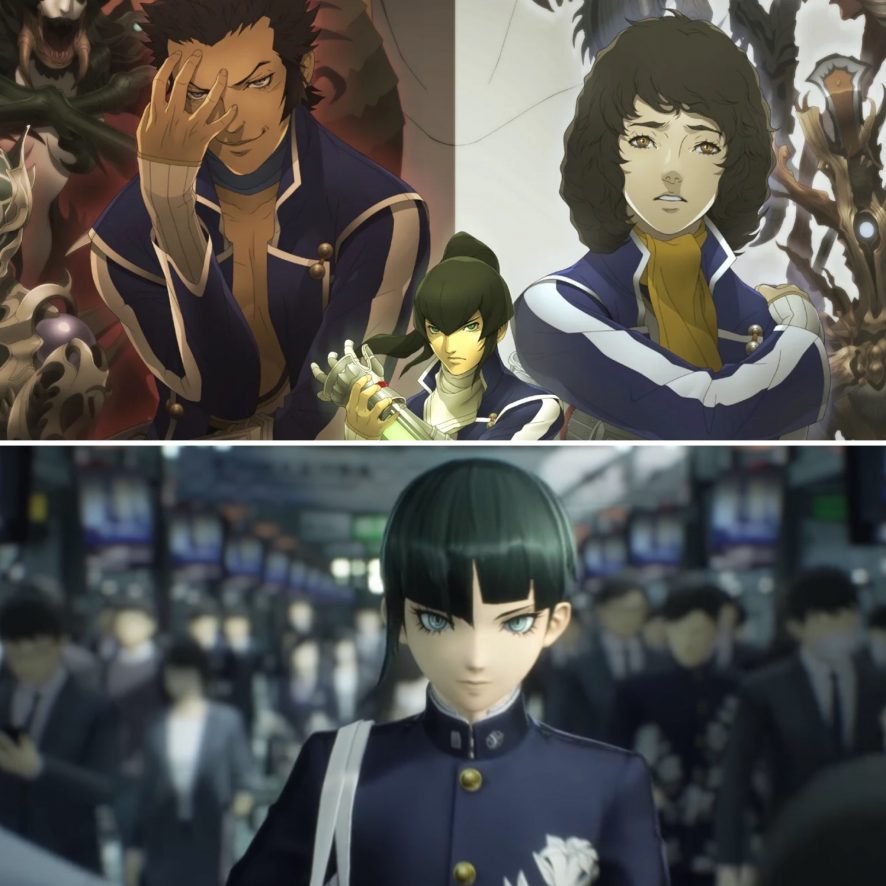
But no matter how much bad press the Wii U received, the 3DS could be counted on to uphold Nintendo’s dignity in the toughest times. Nintendo was [almost] always able to boast about the 3DS’s commercial success in quarterly sales reports, while fans could always look forward to the upcoming game releases in a steady stream of quality software that made up for the Wii U’s infamous software droughts. It wasn’t just Nintendo who provided the 3DS with great titles, either. Third-party developers frequently contributed to the bustling release schedule, supporting the 3DS with new entries in acclaimed franchises such as Kingdom Hearts, Shin Megami Tensei, Persona, Etrian Odyssey, Rune Factory, Monster Hunter, Resident Evil, and Ace Attorney (including a team-up adventure between Phoenix Wright and Professor Layton!).
The 3DS was tasked with far more responsibility than any handheld before it. Not only did it have to keep portable gaming consoles relevant against rising use of smart devices for on-the-go gaming experiences, it had to keep an entire company afloat. For anyone who’s a fan of The Lord of the Rings, think of it this way — if the Switch was Gandalf and the returning Rohirrim, the 3DS was Aragorn, Theoden, and everyone else who defended Helms’ Deep against Saruman’s forces from the start. The Switch may have saved the day for Nintendo, but the 3DS ensured that there was anything left to save in the first place.
Setting the stage for the Switch
In fact, the Switch has the 3DS to thank for a lot of its success since launching in 2017. As the 3DS picked up the slack from the Wii U, it was also quietly writing a winning formula that the Switch would one day execute to perfection. The Switch may not be a dramatic upgrade in processing power from the Wii U, but in the handheld sphere, it’s been a titanic leap forward. Being able to play enormous games such as The Legend of Zelda: Breath of the Wild, The Elder Scrolls V: Skyrim, or The Witcher 3: Wild Hunt in a portable capacity is nothing short of remarkable. The 3DS paved the way for Nintendo to deliver top-notch console-like experiences on the go. It made the necessary step of getting Ocarina of Time 3D, Kid Icarus: Uprising, Super Mario 3D Land, Super Smash Bros. for 3DS, and Pokemon X/Y to run on a handheld before companies did the same for Breath of the Wild, Super Mario Odyssey, Super Smash Bros. Ultimate, Pokemon Sword/Shield, and, in the near future, Pokemon Legends: Arceus.
Somewhere during the 3DS’s resurgence, Nintendo embraced a new perspective on their platforms — inventive hardware applications weren’t necessary to expand, or even maintain their audience. Outstanding software was the truest path to selling consoles. They eased back on the 3D capabilities of the 3DS, developing few games where its implementation was required, and eventually creating more affordable models of the handheld that abstained from the 3D technology. Nintendo carried that same sentiment into the Switch, building a console without unorthodox control schemes or functionality. The Switch has flourished due to its versatility as a home console and handheld (made possible by what Nintendo learned developing the 3DS and Wii U GamePad) and because of its fantastic selection of games.
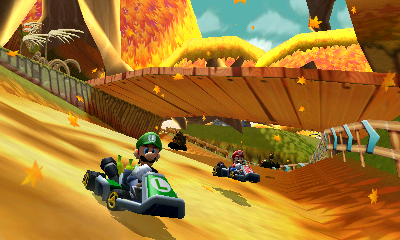
No Nintendo system is complete without a Mario Kart entry.
When you examine the Switch’s software library, you’ll see even more of the 3DS’ lasting impact. With the Switch going on to become the sole system that Nintendo produces and makes games for, it was inevitable that some franchises that had primarily made their home on handhelds, such as Pokemon and Fire Emblem, would make the transition to a home console. A Nintendo system, whether it’s meant for the living room or on the go, is also bound to feature icons such as The Legend of Zelda, Mario, Kirby, etc. at one point or another.
But some releases feel all too familiar to be anything other than by design. It’s no coincidence that the combination of a 3D Zelda, a 3D Mario, and Mario Kart, which was instrumental in jump-starting the 3DS’s first year, went on to work the same magic for the Switch during its absolutely molten first year (Breath of the Wild, Mario Kart 8 Deluxe, Super Mario Odyssey). Mario Golf had been on hiatus for a decade before it returned to the 3DS with World Tour, and now we’re just a couple of months away from seeing Super Rush release on the Switch. Luigi’s Mansion had been dormant for even longer until Dark Moon dropped in 2013; a few years later, Luigi’s Mansion 3 arrived on the Switch and is one of the system’s best-selling titles.
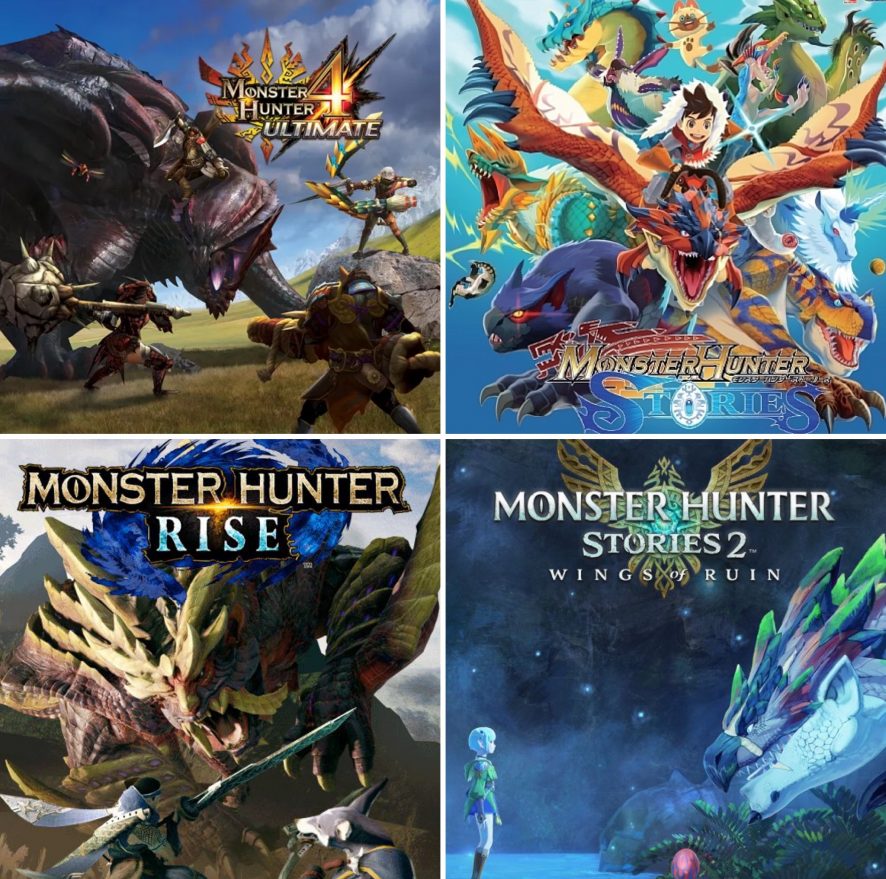
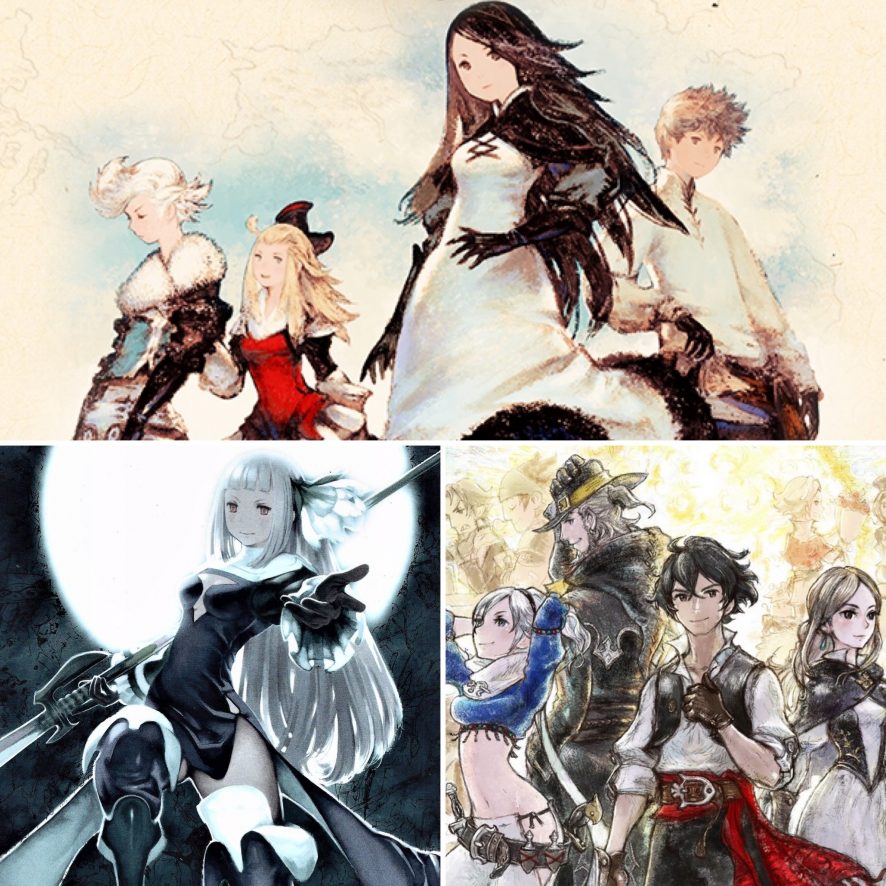
There’s no mistaking that more than a single third-party developer is using the Switch to capitalize on the success they found making games for the 3DS. For two generations in a row, a Nintendo platform will be the sole home to the latest numbered entries in the Shin Megami Tensei franchise (Shin Megami Tensei IV on 3DS, Shin Megami Tensei V on Switch). Bravely Default II recently continued that series’ tradition of winning over those who love classic JRPGs. After the 3DS was the platform of choice for Monster Hunter last generation, the Switch has already hosted Monster Hunter: Generations Ultimate, Monster Hunter Rise, and soon a sequel to the delightful Monster Hunter Stories.
Sending franchises to new heights
Whether they came from the minds at Nintendo or elsewhere, so many franchises thrived, if not reached their pinnacles on the 3DS. Kirby saw a wave of both physical and digital releases en route to its 25th anniversary. The Legend of Zelda was graced with remasters of the beloved Ocarina of Time and Majora’s Mask, along with new 2D entries in A Link Between Worldsand Tri Force Heroes. Professor Layton concluded his outstanding Prequel Trilogy through Miracle Mask and Azran Legacy. Kid Icarus and Metroid were pulled out of the void and given a chance to shine for the first time in years with Uprising and the excellent remake Samus Returns.
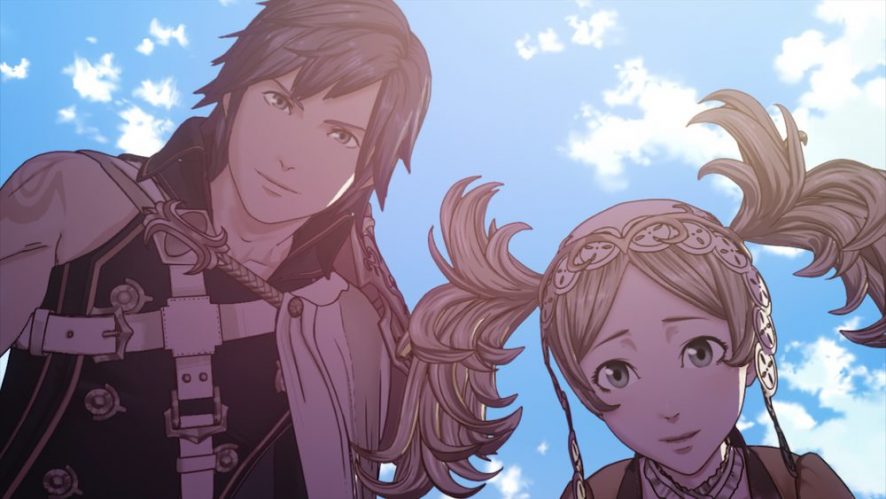
Perhaps no franchise benefited from its time on the 3DS more than Fire Emblem. After all, the series was in danger of being cancelled prior to Awakening’s release, but that breakout hit managed to save Fire Emblem and push it to the moon. Conceived as a culmination of the series to that point, Awakening combined elements from all across Fire Emblem’s history while bringing forth an array of new features that were key to it resonating with a wider audience than ever before.
Many of those features from the 3DS entries (Awakening, Fates, Shadows of Valentia) are poised to remain staples of Fire Emblem games for the foreseeable future. The difficulty options and ability to toggle permadeath for units made the games more welcoming to the uninitiated, effectively shedding the series’ niche status. Awakening can lay claim to introducing the narrative-driven Paralogue missions to the franchise, which acted as rewards for both progressing through the central story and for engaging in the Support system to develop bonds between your characters. If you loved socializing with your allies and enjoying the amenities of Garreg Mach Monastery in Three Houses, you have the My Castle function from Fates to thank for that. My Castle was the first nudge into life sim territory for Fire Emblem, giving us the first taste of a hub setting where players could spend as much time as they wanted simply interacting with their allies prior to battle.
The Fire Emblem games on 3DSdelivered plenty of beautifully animated cutscenes.
Despite being built for a handheld, Fire Emblem even received a boost in production values through its 3DS releases. The hilariously puny feet notwithstanding, the character models in Awakening, Fates, and Shadows of Valentia all looked and animated cleaner than those in the home console entries that came before them. Animated cutscenes were more abundant in the 3DS games, along with significantly more voice acting. In Shadows of Valentia’s case, it was the first Fire Emblem game to be fully voice acted, down to every last bit of dialogue.
Equally noteworthy on the production values front were the mainline Pokemon releases for 3DS. Making the move from 2D sprites to 3D character models and environments was a spectacle for many fans, evidenced by the uptick in sales Pokemon X/Y enjoyed from Pokemon Black/White. X’s and Y’s 3D visuals, flying over Hoenn on Latias or Latios in Omega Ruby/Alpha Sapphire, and exploring the sizable maps in Sun/Moon marked the beginning of the journey to the open-world Pokemon game that fans have wanted for so long and are on the verge of finally experiencing with Pokemon Legends: Arceus.
The future is bright for Pokemon and for many more of Nintendo’s franchises. It’s a great time to be a Nintendo fan, so much so that it can be easy to forget that the road leading to this prosperous era for the company was nerve-wracking. Looking back at the previous generation of gaming, it’s amazing to see that what carried Nintendo to some of its greatest success wasn’t a cutting edge, technological marvel of a console, but instead a little handheld that fought through one challenge after another.
Be proud, Mr. Iwata. Your system had a run that we’ll never forget.
Jeffrey Pawlak
Jeffrey Pawlak is the Features Director for Zelda Universe, and has been a member of the website's community for more than 20 years. He is also a high fantasy author and an aspiring comic book artist.


 by Jeffrey Pawlak on March 27, 2021