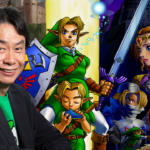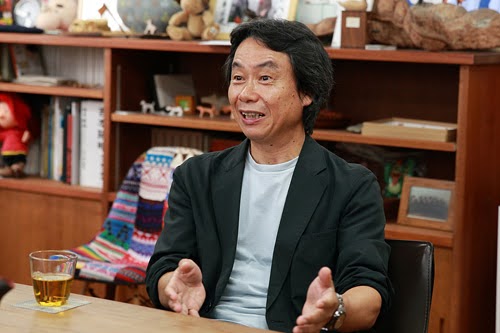
Many journalists have eagerly interviewed Shigeru Miyamoto, the father of the Legend of Zelda series, over the years. But few have ever figured out one puzzling enigma he would sometimes convey to them – that he would liken Zelda games to a “miniature garden.” That might not sound like much of a big deal to the English speaker, but as it turns out, there seems to be much more to the phrase than meets the eye. Now the YouTube Channel Good Blood has finally cracked the code in their fascinating video “The Question No One Asks Shigeru Miyamoto.“
In the video, Good Blood explains that the original Japanese translation for Miyamoto’s “miniature garden” is “hako niwa,” which is more akin to describing a miniature natural world that something like a Bonsai tree would thrive in. These miniature gardens have long been maintained and enjoyed by the Japanese for hundreds of years as entertainment and imaginative delight, an Eastern form of the miniature art genre, if you will. It seems that this “hako niwa” concept was what inspired Miyamoto to create the first Legend of Zelda game. Miyamoto explains in the video that the fictional world of Hyrule encapulates his childhood memories like a “hako niwa,” or miniature garden, to mentally recreate in. This sandbox concept was again captured much later in the open world game Breath of the Wild. Take a look at how this concept is expressed through Zelda games over the years in Good Blood’s video link below.