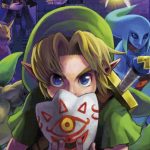
Majora’s Mask is a classic, timeless Zelda title. It also is considered one of the darkest games in the series. However, such an iconic game would not be as memorable if it was not for its soundtrack. Most of the tracks in Majora’s Mask are dark and mellow, even invoking feelings of desperation and sadness at times. It is important to remember that even in the darkest times, there is always a light at the end of the tunnel. Majora’s Mask does an excellent job of showcasing that idea to the player.
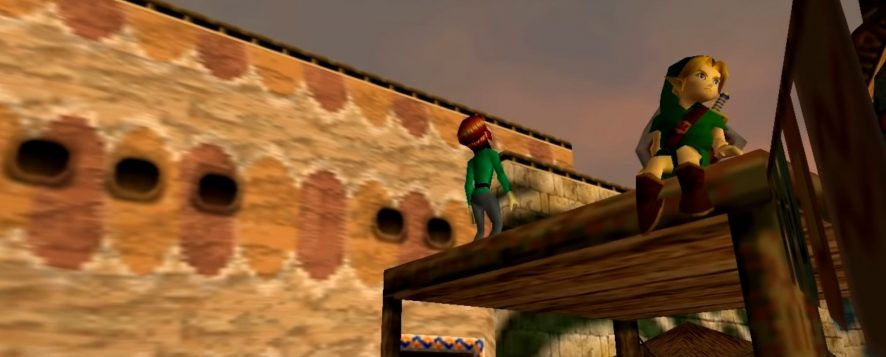
The opening of Majora’s Mask is mysterious yet alluring. Players start off by seeing Link and the inhabitants of Clock Town going about their daily lives. The music for clock town seems cheery and upbeat: It gives the player the impression they are actually there walking through the town itself. Everything seems normal and blissful. There is a sharp transition from day to night, where the player is greeted with a close-up of Skull Kid standing on top of the Clock Tower, gazing upon the Moon.
The music changes from Clock Town’s optimistic tune to the sinister, evil theme of the Majora’s Mask. After watching and listening to the opening title theme, it’s clear that this game will have a much darker tone compared to other games in the series.
The idea of healing seems to be a prominent theme in Majora’s Mask. Players can understand this through “Song of Healing,” which is used and played several times throughout the game. Link learns the song from the Happy Mask Salesman at the beginning of the game in the Clock Tower. He tells Link to “remember it well.”
After playing the solemn tune, Link transitions back from Deku to Hylian. The song has mystical healing properties that aid Link in multiple ways. The most common is to help someone transition from a dying or grieving state to a peaceful state of mind.
The player is granted access to Termina Field shortly after completing the introduction section of the game. The song that plays in Termina Field during the day is a rendition of the main Legend of Zelda theme. It is hard not to get the song stuck in your head while venturing around to your next destination in Termina.
However, no tune plays when Link visits Termina Field at night. Instead, all the player can hear is the ambiance of nature. It would be soothing and peaceful to listen to if they didn’t have to worry about all of the enemies that come after Link at night.
The “Last Day” of Clock Town invokes a lot of emotion. On one hand, the music seems rather peaceful and calming, a contrast to some of the darker-sounding tracks in the game. On the other hand, this music is very depressing when Link has not defeated all four bosses yet, and there is nothing the residents can do in Clock Town except wait out the final minutes of their lives with their loved ones.
It’s hard not to feel emotion when listening to this track and visiting Anju and Kafei in the inn nearby. They both know they are going to die, but they feel at feel peace knowing that they will finally be together forever.
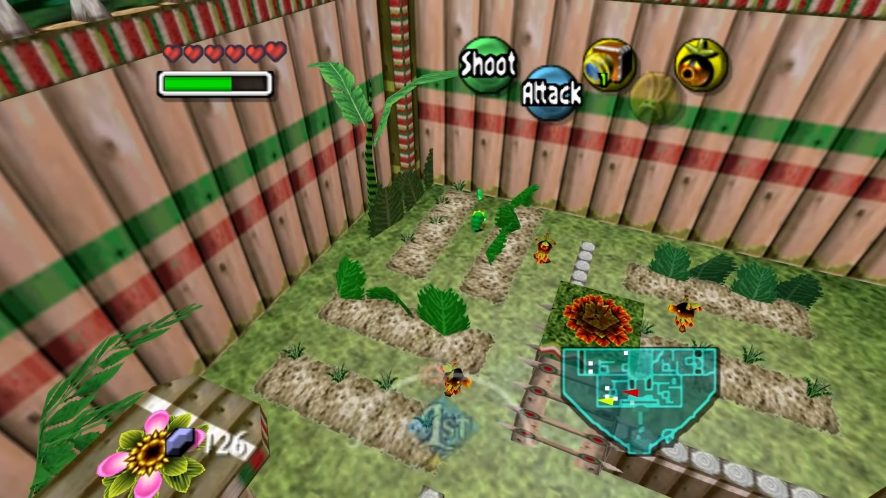
Before Link can enter Woodfall Temple, he must learn the “Sonata of Awakening” from the captured monkey by sneaking through the Deku Palace as a Deku.
Unlike the ominous-sounding Southern Swamp theme, the “Deku Palace” theme is upbeat, catchy, and will get stuck in anyone’s head after a while — to the point where it even may start to get a little annoying.
After defeating Odolwa from Woodfall Temple, the player is greeted with a cutscene accompanied by a sad, poignant tune. It is here where Link meets one of the Four Giants. The humanoid giant in the distance teaches him a song on the Ocarina known as the “Oath to Order.” This is one of the most important songs in the game, as it will be later used to summon the Four Giants to stop the Moon from falling.
The song itself is melancholic. One can’t help but feel some sort of emotion during any scene it is played in.
It would not be a memorable list without including the “Elegy of Emptiness” on here. Link is taught a new song by the late King of Ikana Kingdom, Igos du Ikana. The King requests Link to bring light to the fallen kingdom of Ikana by granting us a “soldier who has no heart.”
After playing along with the King’s tune on the Ocarina, Link is greeted by a soulless statue of himself wearing a creepy yet disturbing smile. This statue has gone on to inspire eerie internet stories, such as the infamous “Ben Drowned” creepypasta. Link uses the “Elegy of Emptiness” to create statue copies of himself so he can place them on switches. This helps him gain access to and conquer the Stone Tower Temple.
“Stone Tower Temple” is one of the best and most epic songs in the game. It also shares its name with the last dungeon in the game. After passing through Ikana Canyon, Link is daunted with the task of using the Hookshot as well as the “Elegy of Emptiness” to scale the area to enter the temple.
The tune uses what sounds like a harpsichord, oboe, and something similar to a Gregorian chant. Shortly after entering the temple, Link needs to invert the temple to progress further. When he does, a new version of this song plays. This one uses the harpsichord and a faint, higher-sounding pitched choir in the background. It gives a slightly more ominous sound than the original.
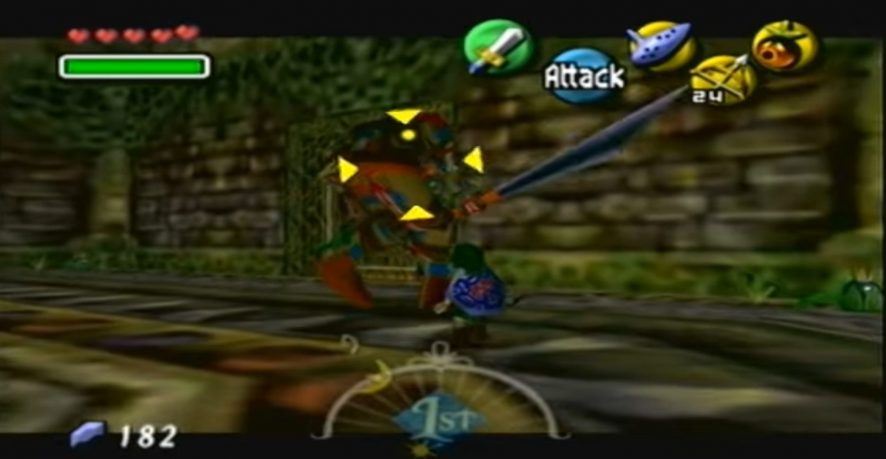
“Boss Battle” plays when facing Odolwa, Goht, Gyorg, and Twinmold in their respective temples. The theme and the fights combined are enough to get anyone’s adrenaline pumping. Players can hear the tension in the music as they face each of these beasts.
After making it this far through each of the temples, now it is the time to finally put an end to these monsters, free the Four Giants, and bring peace and happiness back to the surrounding areas of Termina.
After summoning the Four Giants and preventing the moon from crashing, it’s time for Link to chase after the Majora Mask and end this once and for all. The battle with the Majora Mask consists of three different parts, each differing both in battle strategy and music. After losing the first round, the mask transforms into another form called “Majora’s Incarnate.” It spawns a pair of nice legs as well as a singular eyeball on top of its head.
This version of the Majora Mask is very strange and almost seems childlike in some of its movements. There is something disturbing yet hilarious about seeing the mask moonwalking and doing ballerina twirls while a much creepier version of its theme plays.
Clair Belle
Clair is a Features Writer, Columnist, and Assistant News Editor for Zelda Universe. She has been a Zelda fan for over twenty years, with Ocarina of Time introducing her to the series. Other than writing for the site, Clair is an avid gamer and enjoys playing a variety of PC games in her spare time.


 by Clair Belle on August 20, 2021