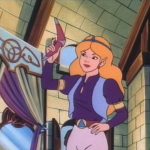
Ever since I was young, the one thing that I wanted more than anything was for there to be alternative media for The Legend of Zelda franchise outside of the video games. Notably, I really wanted some sort of television series: a cartoon or an anime especially. I was definitely happy with the cartoon, despite it’s obvious flaws, but they didn’t really scratch the itch that I had.
My wish was for a true, genuine, faithful adaptation of the games that I loved. Something that would bring the games to life and give them to me in a brand new experience so that I could love them all over again. To this day, no TV series nor a movie has been officially announced. But what we have in the meantime is not only a close second, but was more than enough to stand on it’s own for me: The Legend of Zelda manga, illustrated and written by Akira Himekawa.
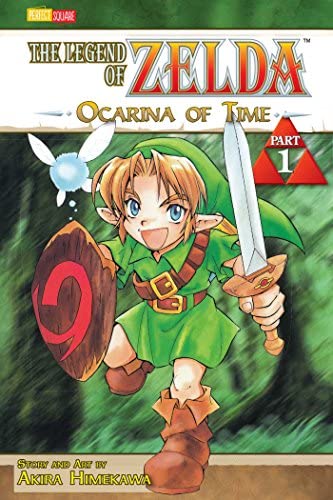
I discovered this roughly around 2006, when I was still in middle school and discovering the internet. Through various fan forums, I eventually came across translated versions of the Ocarina of Time manga on various websites, and I absolutely fell in love with them. They weren’t the animated series that I wanted, but they packed in everything that I could ask for: great action sequences, entertaining writing, even adding in scenes that weren’t present in the games that explained certain questions that lingered from the games themselves (which was a VERY nice touch). The most important thing of all for me, though? Giving Link both a voice and a fitting personality.

I remember reading and rereading these manga multiple times–loving every minute of it and getting so engrossed in the newer aspects of the worlds that I had thought I’d known inside and out. The Ocarina of Time manga specifically added depth to originally one-note characters, like Mido or Malon, making the reader feel more sympathetic for them at points.
For me, this changed how I felt about many of the characters of their respective games when I read their manga. Many characters I used to see as simple obstacles or annoyances, I now saw as genuine characters and people I could actually relate to. I think the biggest example of this would be with Volvagia. In the game, Volvagia is just your average cool looking dragon boss you blow through to progress through the game. But in the manga?

In the manga, Link purchased Volvagia as a baby just to set it free. The two got off to a rocky start at first, but it saved Link from a sneak attack by an enemy later on. Later, he managed to speak Link’s name, which according to Navi was extraordinarily rare and would only happen if the dragon truly trusted and loved its master.
When Link, as the Hero of Time, heard of a dragon threatening to burn the land. Naturally, he went to face it, only to find that it was the very dragon that he had saved? Both, I as the reader and he as the character, shared the same painful emotions. I couldn’t believe it. I was astounded at how much this book made me care about such a previously less engaging creature. I haven’t been able to look at Volvagia the same ever since I read the manga and, to this day, I still feel bad about killing him.
I know the canonicity of the manga is often brought into question, but to me, it doesn’t matter. I love the manga. I love the alternate takes the manga shows. I love the paths that they take. I love the stories they tell. I love the depths they add to the worlds that I love. I truly hope that Himekawa continues the Zelda manga into the foreseeable future after their work with Twilight Princess concludes.
A Breath of the Wild manga would be incredible.