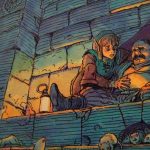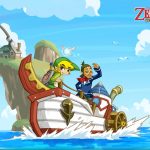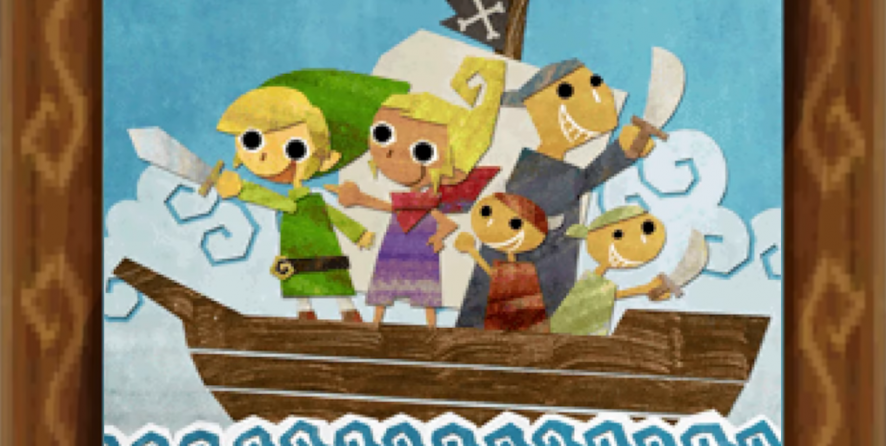
I don’t hear people talk about Phantom Hourglass very often, and even when they do, nobody ever seems to bring up the prologue. When I booted up the game for the first time, I had a huge grin on my face throughout the entire intro. It provides a brief synopsis of the events that took place throughout The Wind Waker, and it’s incredible to me for so many reasons. Niko retelling the story of how he and his friends saved the world is so wholesome, and the accompanying visuals are adorable. Plus, the fact that Niko is holding these pictures while telling the story seems to imply that he made them himself (who knew he had a hidden talent?). This on its own is enough to make for a good prologue, but I believe that what makes it truly great is the music.
It opens with a mystical leitmotif original to Phantom Hourglass, but soon enough, the nostalgia kicks in. A clarinet lays down the tempo, and a flute joins in with a familiar melody: the Pirates’ Theme from The Wind Waker. The two instruments carry the whole tune (and pretty much the whole prologue, for that matter) by themselves, and they manage to do it with such delightful charm. Even without the original version’s slippery trombone, it still conveys the pirates’ jaunty vibe. It’s incredibly simple, but it brings back memories of their many misadventures.
The page turns, and the pirates land at Outset Island. This tune is a bit more upbeat, and it brings an energy that the Pirates’ Theme lacked. It feels more innocent and youthful, reminiscent of childhood. Probably because that’s exactly what it represents: the place where Link grew up. He’s not much older now, but he has a lot more experience under his belt than he did back then.
Next comes a version of Zelda’s Lullaby, and it’s just as beautiful as ever. The instrumentation lends itself particularly well to this piece, with the soft flute resembling the less spunky side of the princess. This section also adds in a second clarinet in order to flesh out the harmony and give it more emotional depth.
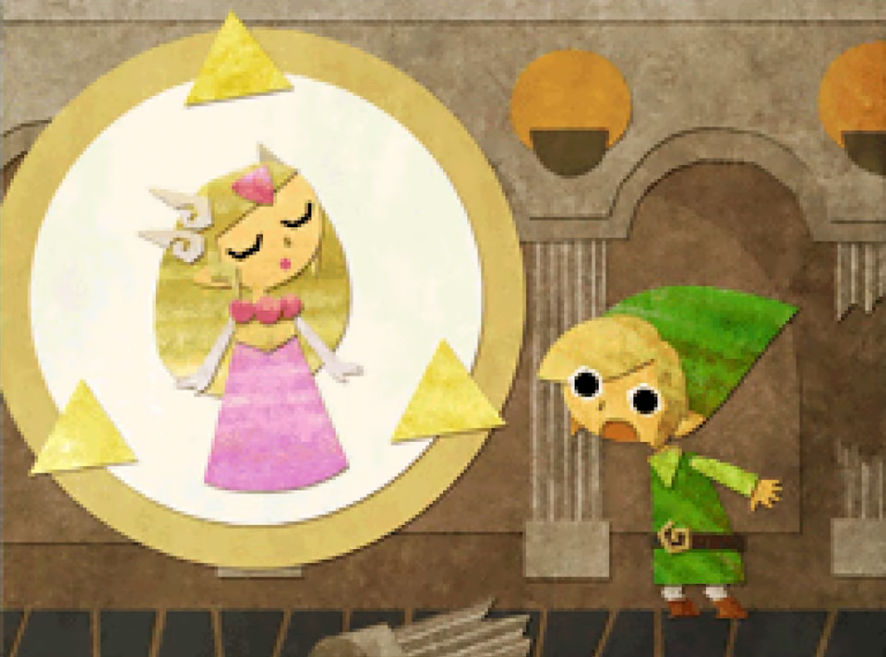
However, this graceful ballad doesn’t last forever; mere moments later, Ganondorf appears and captures the princess. Dark and menacing as always, Ganon’s Theme kicks off with both the flute and clarinet playing in lower registers than ever. The flute in particular is nearly unrecognizable, since a standard flute can’t even produce notes that low. This gives it an eerie quality that most other versions of the piece achieve in other ways, such as thicker arrangements or effects like reverb. Then the roles reverse, and the flute takes over the frantic triplets. You can feel a darkness approaching as the deep clarinet tones carry the intimidating melody. It’s easy to forget how sparse this arrangement is, because it still incites the intended emotions flawlessly.
But of course, the Hero of Winds is here to save the day, and what kind of Zelda prologue would it be without the series’ main theme? Aside from piano solos, this adaptation has fewer instrumental parts than any other version I’ve heard (that includes the original Legend of Zelda, which has three parts plus percussion). The clarinet drives the tempo while the flute sings the iconic melody, and it’s just as heroic and bombastic as ever before. This rendition has a pretty big legacy to live up to, and it absolutely delivers.
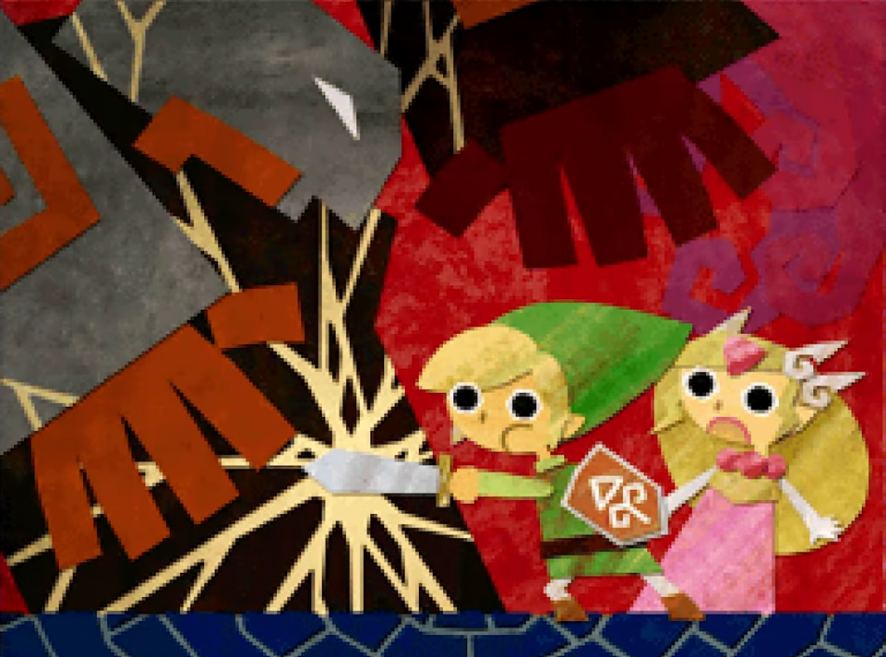
And just like that, the heroes defeat the king of evil and get to return home to the Great Sea. It’s a happy pirate ending! Upon seeing this prologue, it instantly became my favorite in the entire series. Not only is it cute, memorable, and effective as an intro, but it also turns some of the series’ most iconic music into woodwind duets. It’s not something I knew I needed, but now I don’t want to imagine a world without it.
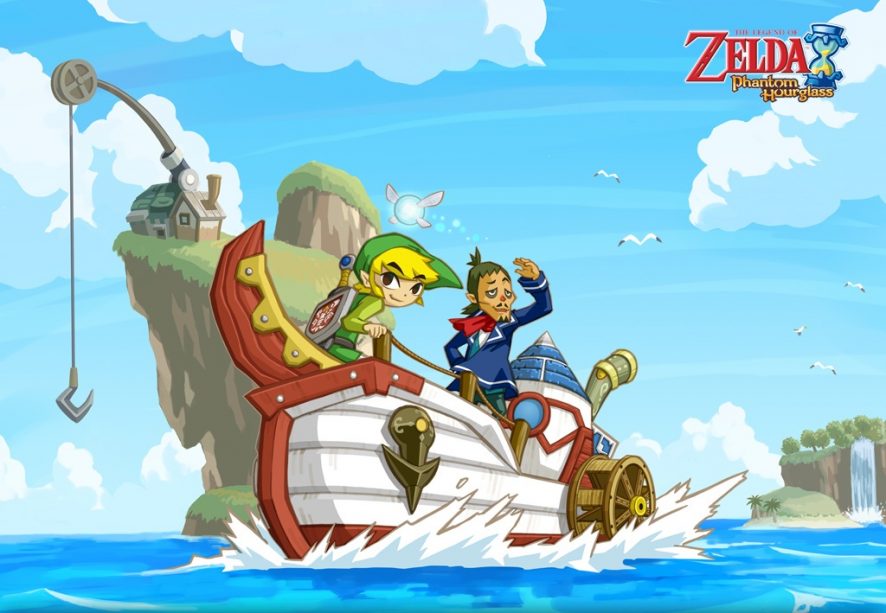
Phantom Hourglass is 15 years old on June 23, 2022! We’re celebrating with dedicated articles all week.