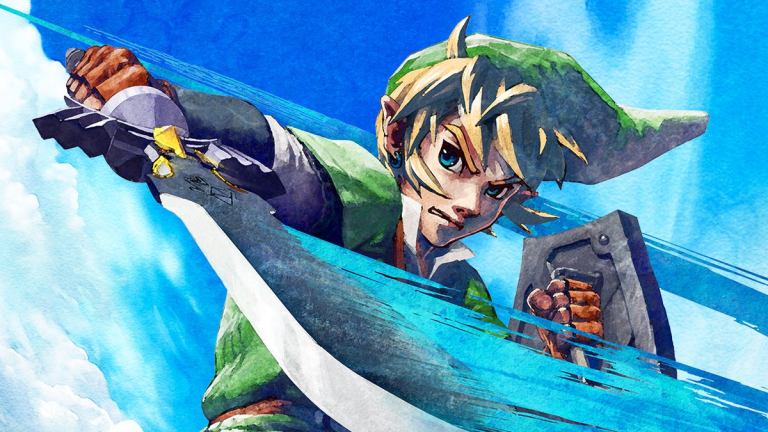
The first canonical game in the Zelda timeline, Skyward Sword, underwent a significant development process for the Nintendo Switch HD remaster in July 2021. According to Nintendo Everything, an interview took place with Tantalus CEO, Tom Crago, on an episode of the Fragments of Silicon podcast. This gave us a closer insight on revitalizing this important title.
The most obvious and instantly noticeable development, being the enhanced resolution (up to 1080p) and frame rate (60 FPS), posed its own trials as Crago explains:
“It was difficult. Increasing the frame rate, boosting the resolution – these were significant technical challenges. In doing that, you’ve also got to upres the great majority of the textures in the game, so we spent a big chunk of time on art. That was a significant component. When you take a very old game and try to bring it to a new platform – even where a new platform is more powerful – it introduces almost line-by-line technical challenges that need to be resolved. It was a complex project.”
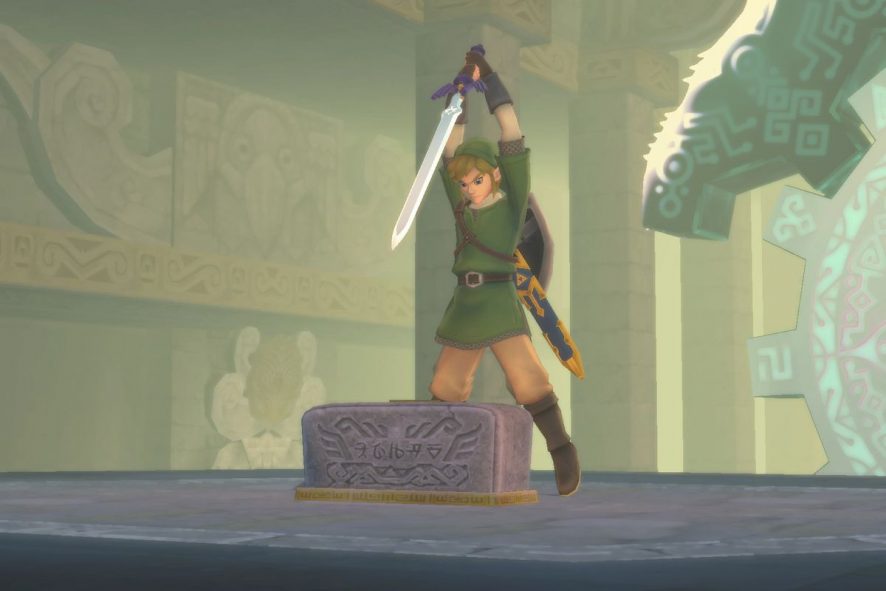
Originally released on the Nintendo Wii in 2011, the game’s motions controls were its primary gameplay mechanic. Transferring this over to the Switch’s Joy-Cons also proved difficult as Crago highlights:
“It’s the hardest thing because we’re working away at this, and all we’re imagining is Aonuma-san with the Joy-Con in his hands, assessing, critiquing whether it feels okay. It’s hard to understate the significance of Skyward Sword from a gameplay standpoint. I mean, here’s this controller that we’ve never seen on the Wii, and here’s a game about a freaking sword where you’re waving this controller around, and that kind of was the game. A great majority of people loved it, a few people didn’t. What we’re trying to do is replicate the joy, the freedom of that experience on a totally different piece of hardware. We felt that we had the potential to be criticized for it, but we also felt here is a huge opportunity – especially for people who maybe found it challenging or a little bit kind of exhausting waving the Wii Remote around, to give them a different opportunity.”
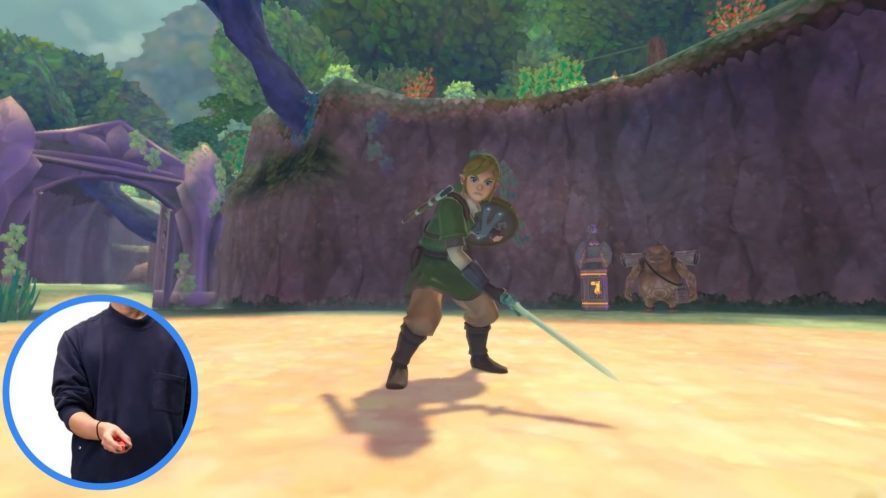
With Motion Controls being one of the most divisive elements of the original game, including button-only controls in the remaster meant there was a fresh new way to play. However, Crago emphasizes the translation of these controls to keep the immersive aspect of the game alive:
“And of course, it had to work for those (Switch Lite) users. Having it work button-only, joystick only was probably the biggest challenge for us. And it’s not that there’s 50 engineers sitting in a room writing lines of code to figure it out. It’s more just, ‘Okay, let’s take a step back. Let’s really think about what we’re trying to achieve here from a gameplay and feel standpoint.’ Keep on making suggestions, working back and forth until we nail it.”

Crago outlined how much time was needed to finalize and polish up the controls:
“It took a year and a half. So it was a long process making this game. I don’t know on what day we were actually able to pronounce that we nailed the controls. It wasn’t right at the last minute. We certainly sent lots of different options and suggestions to Kyoto for their review, but yes, it was a big part of the process. Also with games like this, if we hadn’t figured that out, Nintendo just wouldn’t have published it. They’re not gonna put something out there that doesn’t really resonate with The Legend of Zelda, with the fanbase, and with the legacy. We knew that we really needed to get that right.”
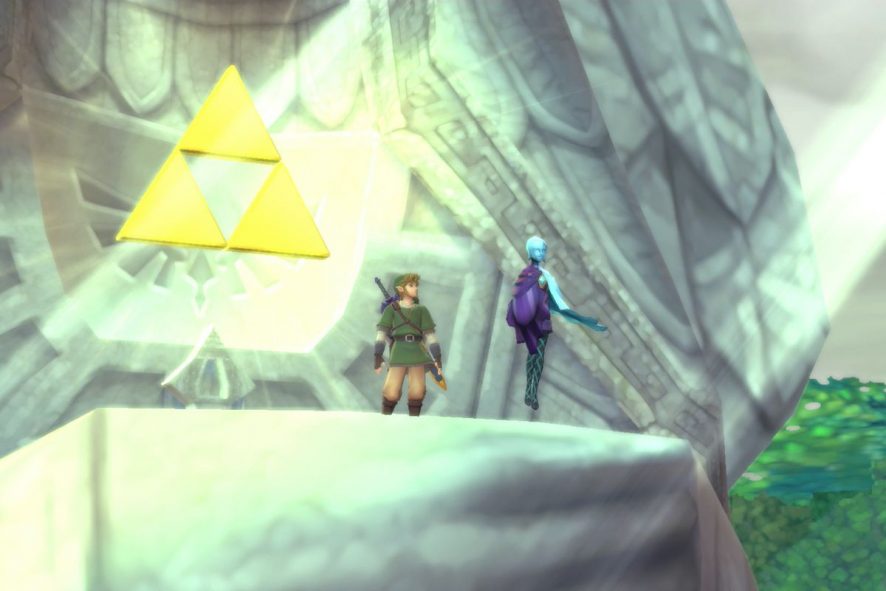
Despite the challenges faced by the team, their previous work on another Zelda remaster, Twilight Princess HD assisted their development on Skyward Sword HD. Having completed its development before the official announcement, Crago mentioned that preventing leaks of the game amongst staff and their families was a challenge in itself.