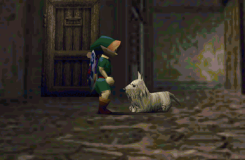
The old adage is that honesty is the best policy. While this maxim is undoubtedly true in everyday life, video game worlds provide the opportunity to explore the other side without tangible consequence. Certain games even encourage the player to embrace dubious behavior; however, the most clever scenarios reward choices that come at the expense of furthering one’s self-interest. A critical sequence of events in A Link to the Past mirrors this approach by borrowing a theme from one of Aesop’s legendary fables: The Golden Axe.
Fairy Fountains have been a staple of the Zelda franchise since the original game; however, the development team decided to experiment further with these magical springs in A Link to the Past. Instead of merely serving as a healing location, the fountains offer variety and include oddities, such as the Pond of Happiness and the Waterfall of Wishing. While the former enables Link to carry more Bombs and Arrows, the latter takes inspiration from the aforementioned Aesop’s fable.
As the hero approaches the pond, Link is given the option to throw an item into the water. Upon initial glance, this choice is rather unsettling because the game allows Link to toss almost any item into the well, including the Master Sword. Ever the wielder of courage, Link ultimately decides to toss an item into the abyss. A Great Fairy immediately appears and asks the hero a simple question, “Did you drop this?”
Depending upon the item that Link tossed into the well, providing an affirmative answer rewards the player with powerful item upgrades, which include the Magical Boomerang and the Red Shield. The Dark World Great Fairy even delivers the fully upgraded Master Sword and Silver Arrows should Link choose to respond honestly. These weapons are critical to defeating Ganon and restoring peace to Hyrule, but obtaining them requires integrity and virtue.
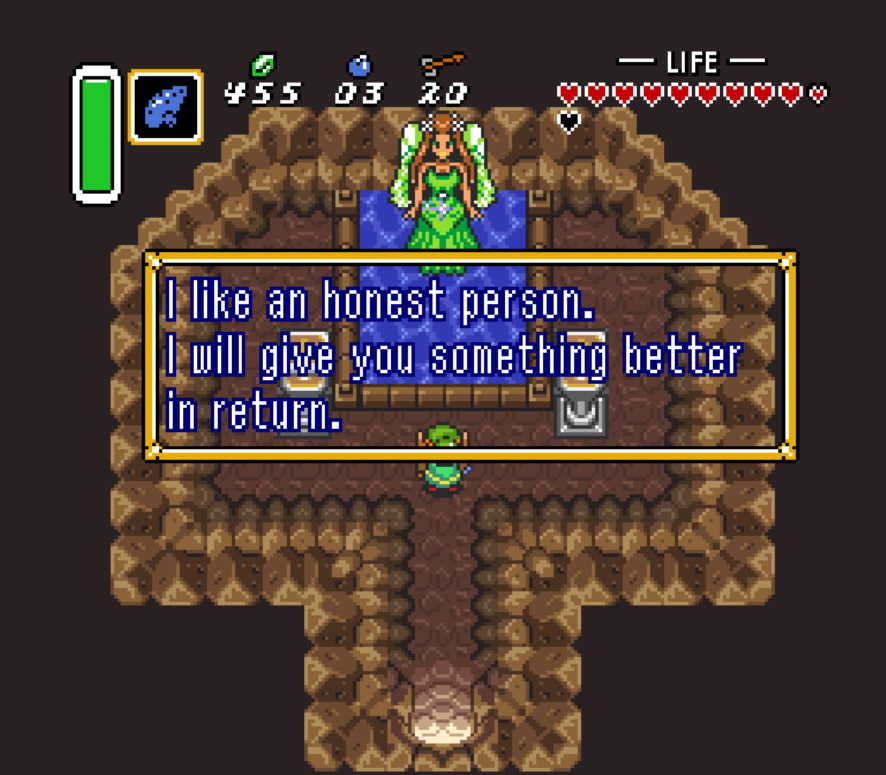
Selecting the negative response not only causes Link to forego the weapon upgrades but also impedes his progress. While it is possible to defeat Ganon without the Silver Arrows, the method is quite tedious. Requiring the player to select an honest response is a curious design choice that likely drew inspiration from The Golden Axe.
In the Aesop fable, a humble woodsman incidentally drops his axe into a small lake. The poor fellow begins to cry uncontrollably as the axe was his only means of providing food and shelter for his family. Looking down upon the woodsman with pity, the Greek god Hermes dives into the lake and emerges with a golden axe. When asked whether the golden axe was the item lost, the woodsman answers honestly.
Hermes then returns to the water and produces a silver axe. The Greek god asks the same question, and the humble woodsman responds with the same honest reply. Hermes returns a third time with the woodsman’s worn axe, and the lowly forester gleefully proclaims his ownership. Impressed by his integrity and forthrightness when presented with better alternatives, Hermes allows the woodsman to keep all three axes.
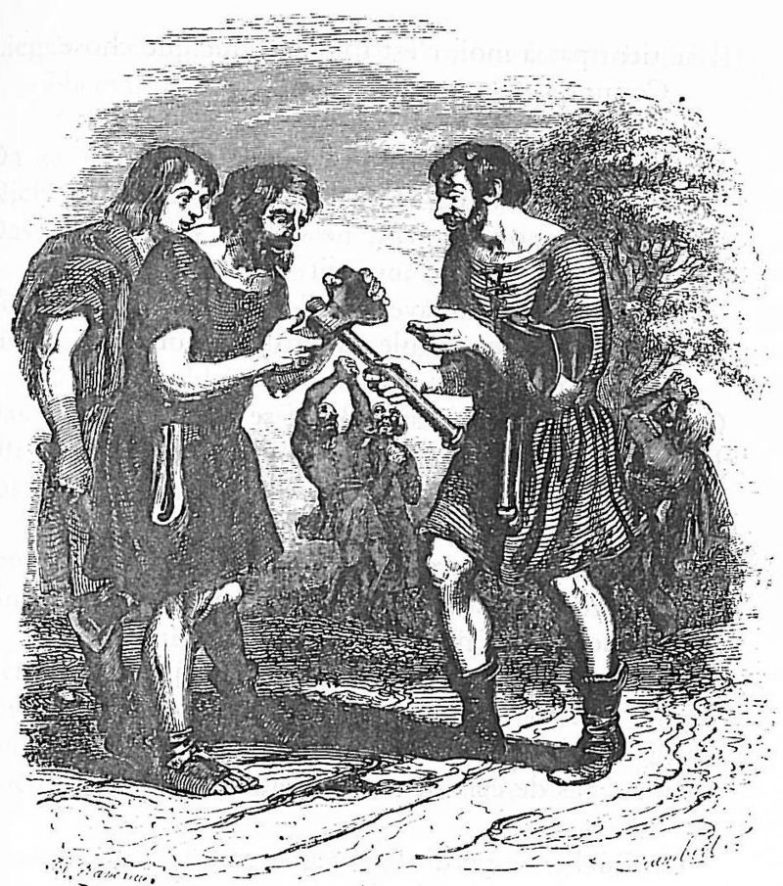
The story does not end there. A local villager heard the tale of the woodsman and ventured to the pond with an axe of his own. Upon tossing the axe into the water, the villager waits for Hermes to appear. The aquatic god returns with the same golden axe and questions for the villager; however, the greedy fellow falsely claims ownership of the golden axe. Hermes becomes enraged and returns neither the original axe nor the golden axe to the villager.
The inspiration behind the Waterfall of Wishing has not been officially confirmed, but the similarity to Aesop’s fable of The Golden Axe is rather uncanny. Although Link can keep his original item if he lies to the Great Fairy, the idea of rewarding integrity is a brilliant design choice in A Link to the Past. The game constantly reminds Link that only a person who is pure of heart can wield the Triforce. As such, locking the Silver Arrow upgrades behind an honest response further ingrains the importance of integrity and virtue to the hero’s quest and elicits a powerful and emotional response from the player.
A Link to the Past is filled with more examples of development inspiration based on classic literature and art, but the connection between the Waterfall of Wishing and The Golden Axe is perhaps my favorite. Honesty proves to be not only the best policy but also the best way to defeat the King of Darkness.