The very first game I ever owned for the Super Nintendo Entertainment System — which was, in turn, my first console — was The Legend of Zelda: A Link to the Past. Although I had played other games before it on friends’ machines, including the majestic Super Mario World (which I would acquire for myself before long), it was only natural that I fell deeply for the Zelda franchise given my early and intense exposure to one of the masterworks of the entire series.
But my deep affection for Zelda wasn’t inspired solely by its early arrival in my gaming career. I was also a giant fan of epic fantasy as a genre, and Zelda fed into that addiction like no other franchise in the Nintendo catalog at the time.
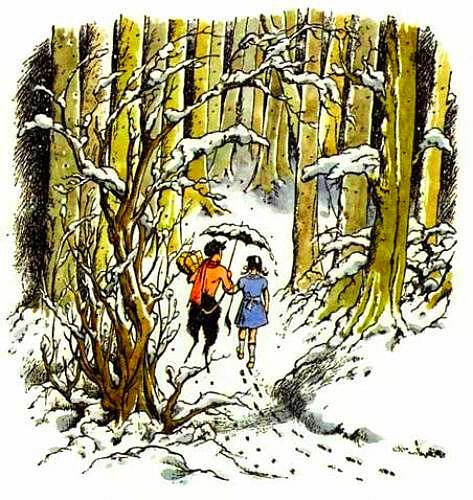
I grew up on fantasy, you see. I was reading C.S. Lewis’ Chronicles of Narnia almost as soon as I conquered the very concept of the chapter book, and J.R.R. Tolkien’s The Hobbit was soon added to my repertoire. I read Peter Pan and Alice’s Adventures in Wonderland and many of the other cornerstones of children’s literature, a category long dominated by the fantastic.
I was also coming of age in the midst of the fabled Disney Renaissance, when the animation studio finally rediscovered its lost magic and began pumping out classic after classic, many of them based on popular fairy tales, complete with witches and curses and flying carpets.
But it was the deep worldbuilding of the epic fantasy I loved most. Peter Pan’s Neverland and Alice’s Wonderland were dream worlds where almost anything goes. The fairy tale realms of The Little Mermaid or Aladdin were generic kingdoms with no real history or politics.
Middle-earth, on the other hand, was suffused with history. I hadn’t yet discovered The Lord of the Rings, but even the lighter touch of The Hobbit told me of lost kingdoms like Gondolin and Dale, while mysterious figures like the Necromancer flitted around at the edge of the tale, imbued with hidden meanings and backstories to which I was not yet privy.
Narnia, or Lloyd Alexander’s Prydain, were not as detailed as that, but still there touches of what Lewis called Deep Magic throughout, and I dreamt of the lost histories such realms must contain.

This was the feeling Zelda brought me in video game form. It contained a sprawling kingdom, for the time at least, filled not only with villagers going about their lives, but ruins of lost civilizations and hints of dark doings in the past. The Book of Mudora translated an entire forgotten language, and someone must have once lived in the Eastern Palace or the Tower of Hera before monsters took over their ruined hallways.
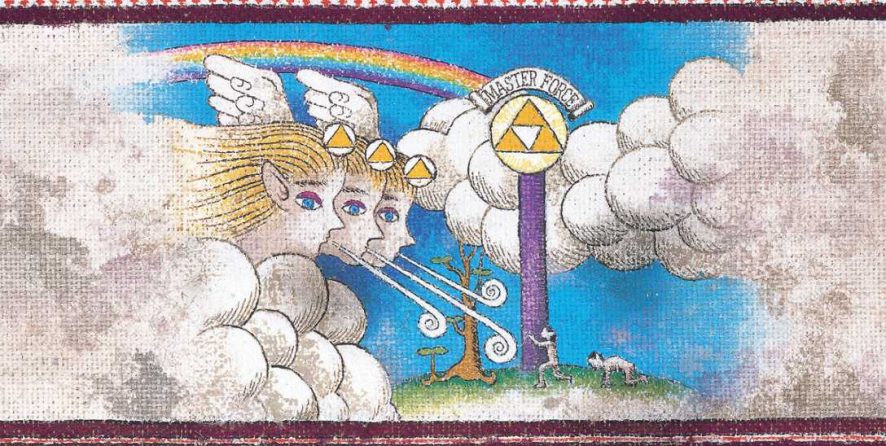
And there was the instruction book, in the glory days when those were elaborate productions filled with art and sprawling text pieces. In it, I was told of a Hyrule before the one Link inhabited, where an Imprisoning War sealed away the thief Ganondorf Dragmire and a Master Sword was forged for a hero yet to be born.
I ate these details up and dreamed of those days of yore until I had worn my instruction booklet thin. Mario didn’t have this. The sci-fi worlds of Star Fox and Metroid were thin compared to this rich stew of allusive fantasy tropes.
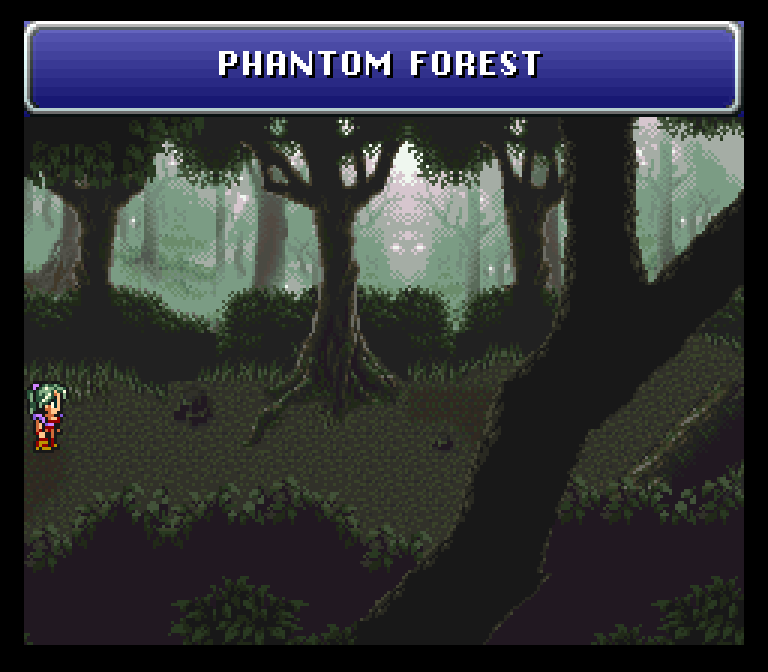
Eventually, as I played more games, I would discover more fantasy titles, especially in the RPG genre, that would scratch the epic itch I had developed. Secret of Mana, Final Fantasy, Illusion of Gaia, Chrono Trigger — all these games had sprawling worlds and vast quests to achieve. Yet each seemed contained, somehow. Final Fantasy VI was one of my favorite games on the SNES, but its world seemed to have no history of note going back more than a generation. Chrono Trigger‘s time-travel plot took all the mystery of the past, given you could visit it at any time. And the Mana games, despite taking place in ostensibly the same world, had no cohesive history to tie it all together beyond the concept of the Mana Tree and Mana Sword.
But Zelda continued to follow in the pathway of Tolkien and other epic fantasy worlds. When Ocarina of Time came out and essentially revealed the true history of A Link to the Past‘s background, it felt like it merely expanded what was there rather than replaced anything. New races were discovered and new legends revealed. An entire religion sprung up. Much like reading The Silmarillion explained to me the many references in The Lord of the Rings, Ocarina of Time only deepened my understanding and love for Hyrule.

I still love a good epic fantasy, and although the ever-growing Zelda series continues to complicate its world-building with branching timelines and mixed references, it remains one of the most successful ongoing universes in gaming due to its ability to share just enough to intrigue our imaginations without over-explaining. Even now, many video game worlds seem like temporary playgrounds to explore and then abandon when playtime ends. But Hyrule? Well, for all intents and purposes, I’ve lived there, at least in part, for decades now. Its world continues to grow and thrive, and I can’t wait to discover more about it.