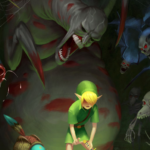
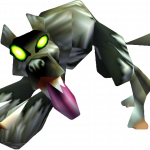
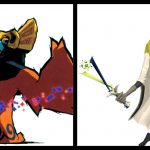
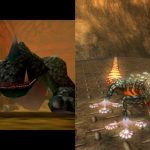
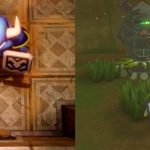
A consistent enemy in the Zelda series, the Like Like has a long-standing tradition of creating problems for Link by attempting to swallow him to steal his belongings. This trait has made them unique when compared to other monsters of Hyrule, though in a way that has generated groans from players instead of praise.
As might be expected from one of the franchise’s staple enemies, the Like Likes first appeared in The Legend of Zelda in 1986. This version of the monster established the species as being worm-like beasts that attack by swallowing Link whole in an attempt to steal his shield.

The Like Likes could be found in the fourth, sixth, and ninth dungeons of the game, and usually appeared in groups. If a Like Like was able to successfully swallow Link, he would need to quickly slash the monster with his sword to prevent any theft. The only item the Like Likes would attempt to eat was Link’s Magical Shield.
The Like Likes returned to the series six years later in Link’s Awakening. They remained mostly unchanged from their original appearance, and they kept to their goal of stealing from Link.

Found in the northern part of Koholint Island near the Gopanga Swamp, the Like Likes again appeared in groups and attempted to corner Link so that they could swallow him. A Like Like would steal Link’s shield if he could not break free quick enough, but only if Link has his shield equipped at the time. Like Likes were unable to steal Link’s Mirror Shield.
Ocarina of Time was the next game to feature the Like Like, and as with most recurring creatures found in the game, it received noteworthy updates to their appearance and behavior while retaining the traits that made it iconic. These Like Likes appeared in numerous dungeons, though they do not always move in groups like their previous incarnations did.

Thanks to Ocarina of Time being a 3D game, the Like Like could be shown as larger beasts that stubbornly wriggled their way toward any prey they saw. They would swallow Link whole, dealing damage to him while he was trapped within their maws. If Link was unable to escape a Like Like quickly, the creature would steal either his shield or potentially any optional outfits (which you could repurchase from a shop) that Link had equipped at the time, such as the Goron Tunic.
As with most of the enemies from Ocarina of Time, Like Likes appeared in Majora’s Mask, looking and behaving the same as their Hyrulean counterparts. The most noteworthy difference between the Like Likes of Majora’s Mask and the ones from Ocarina of Time is that they didn’t appear in many locations and were instead confined to the Great Bay region.
As a return to form, the Like Likes appeared in both games in the Oracle series, looking and behaving similarly to the ones from Link’s Awakening. They also took inspiration from The Legend of Zelda and Ocarina of Time versions by dwelling in various locations in both Oracle games.
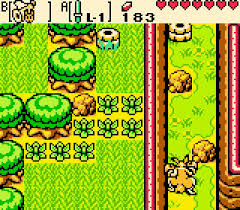
The biggest departure in behavior from the other Like Likes is that they would immediately swallow Link’s shield once they trapped him, regardless of if he had a shield equipped or not, and they could also take any type of shield. If this happened, Link will have no choice but to purchase a replacement shield from a merchant.
In a rare choice for a remake of a Zelda game, the Like Likes made an appearance in the 2002 update to A Link to the Past: A Link to the Past & Four Swords. They were introduced to areas in the Dark World and moved in groups. They also shared the ability of the Like Likes from the Oracle games to steal any of Link’s shields, though he can reclaim his shield if he defeats the Like Like before it can escape.
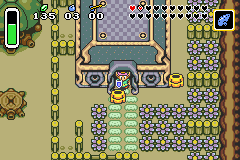
The Minish Cap also featured a very traditional Like Like. They again could steal any version of Link’s shield, though they would not digest the shield, meaning Link could always retrieve it after he defeated the monster.
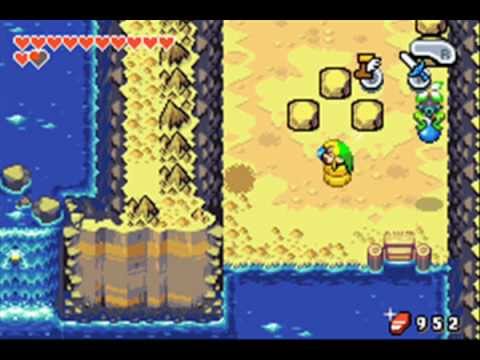
Much like Ocarina of Time and Majora’s Mask and the Oracle games, Phantom Hourglass and Spirit Tracks shared a version of the Like Likes. These Like Likes were similar in form to the previous ones from the 2D Zelda games, but they employed a different strategy to ensnare prey. The Like Likes used their mouths as a vacuum to suck in Link if he got too close to them and would eat his shield if he did not break free in time. But, as with the Like Likes of The Minish Cap, Link could retrieve his shield after the beast is destroyed.
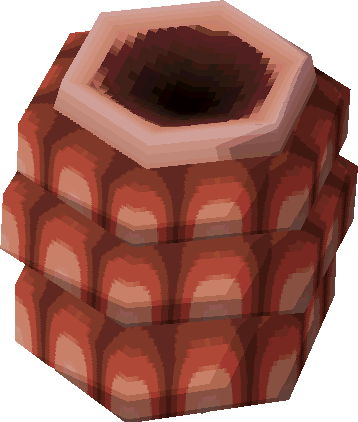
These Like Likes also used more ambush strategies, though they were only seen in Spirit Tracks. They would hide in various containers, such as pots and treasure chests, and would seize Link as soon as he approached or opened the container, catching him off guard and giving him little time to escape their grasp.
As of this article’s publication, the final appearance of the Like Likes was in A Link Between Worlds, which released in 2013. Taking inspiration from A Link to the Past and Four Swords, the Like Likes only appeared in the alternated dimension, this one being the kingdom of Lorule. Any shield stolen by the Like Likes could not be retrieved, but they were unable to steal the Mirror Shield.
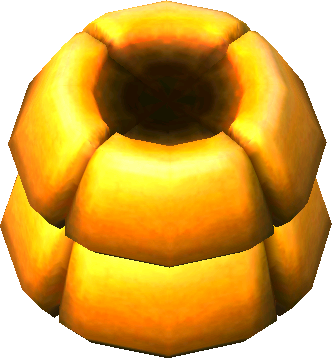
A source of aggravation for many gamers for decades, the Like Like is an enemy type that has been relentless in its goal to steal from and threaten Link. The enemy has not appeared in many Zelda games over the past few years, but stubbornness is one of their most recognizable traits, so their return to the series is almost assured.
(For more information on the Like Like and the other fascinating creatures of Hyrule, visit Zelda Wiki.)