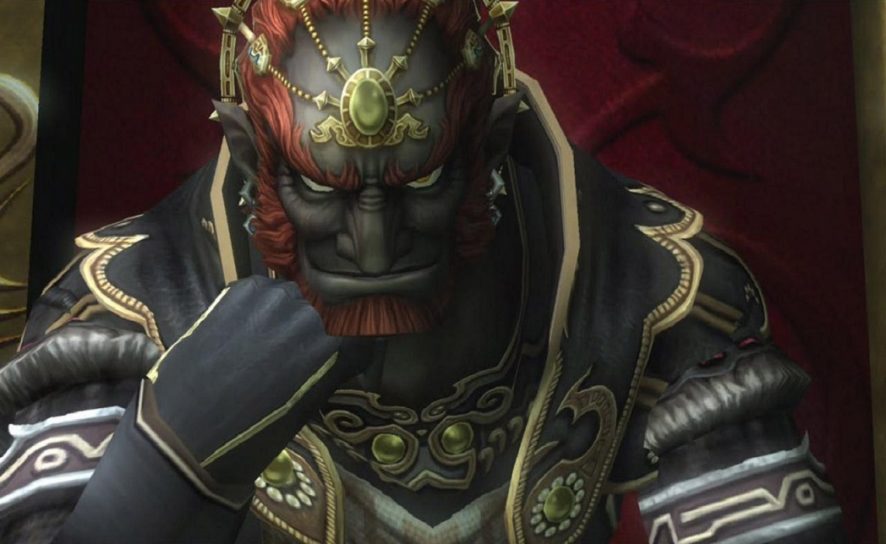
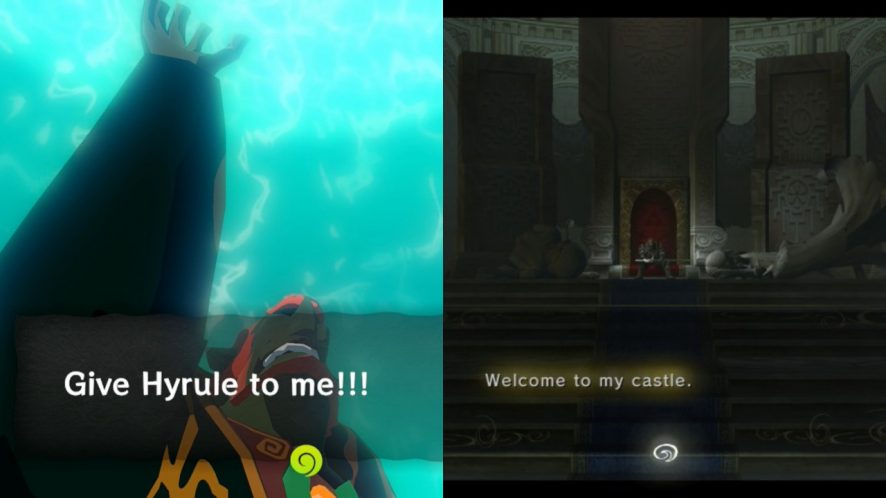
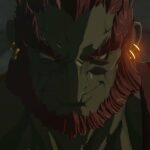
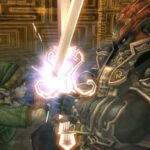
The Ganondorfs from Ocarina of Time, The Wind Waker, and Twilight Princess are all the same person. We all know this by this point. Split timelines and all that. But, despite him being one entity, he is also three completely distinct personalities.
We have the original personality from Ocarina of Time, but once we get to the next two games, his behavior and attitude change dramatically in each one. The iterations of Ganondorf in those games reflect what the one from Ocarina of Time has the potential to become. He’s always an ambitious King of Evil, but his tactics and attitude change dramatically, as do the dangers he represents to Link and the other protectors of Hyrule.
The Patient Puppetmaster
Before the events of The Wind Waker, Ganondorf’s first rebirth crawled out of the depths of imprisonment to wage a war of revenge on Hyrule. The hero and the princess showed him that he was, in fact, not all-powerful, but that didn’t deter him from his ambitions.
While consumed by a thirst for revenge upon his return, Ganondorf had first been consumed by humility. His first defeat had taught Ganondorf to be patient, cunning, reserved, and almost passive when enacting his plans. This change in attitude was by necessity. He had always been a master tactician, but now, Ganondorf had to be a master survivalist. That was a skill he learned after staring death in the green-clad face.
In Ocarina of Time, Ganondorf lost. It was a complete and total loss, the kind he never dreamt possible. Link put him down, and Zelda and the Sages kept him there for what would have been centuries. Now that he knew he was vulnerable, he had to let go of his ego, even if only slightly. Caution had been beaten into him.
That’s why, when he returned to Hyrule, Ganondorf was swift with his retribution. There was no hero to stop him. He needed to capitalize on the opportunity. And he also created contingencies for the possibility of the hero’s return, such as killing the Sages that prayed for the Master Sword to retain its power. It was only by the Golden Goddesses flooding of the entire kingdom, a feat that amounted to a dramatic and elaborate stall for time, that Ganondorf was prevented from taking everything he wanted.
The flood was a setback, but not the end. Hyrule had been persevered rather than destroyed. The gods had a plan in place to restore the kingdom, and Ganondorf was going to use their plan to his advantage. All he needed to do was wait. He had patience before Link and Zelda defeated him. Now, he knew patience was his greatest asset. The hero would be reborn, and Ganondorf would manipulate him from the shadows to accomplish his own twisted purposes.
Fortunately for the land of Hyrule, Ganondorf’s schemes did not prevail. But they came very close. And it was all because the evil king did learn from his mistakes, the first mistake being that he believed he couldn’t make any mistakes.
The Vengeful God
The split in Hyrule’s timeline came when Zelda sent Link back into the past so he could live out the seven years that had been taken from him. By doing that, everyone’s fate was altered. Rather than opening the Door of Time, which would allow Ganondorf to enter the Sacred Realm, Link instead warned the royal family of Ganondorf’s impending treachery. One failed coup and an arrest later, Ganondorf was sentenced to death by a set of Sages. They took him to the Arbiter’s Grounds to administer justice, and with the stroke of a mysterious and magical sword, Ganondorf’s evil schemes were brought to a decisive end.
— Or so the Sages thought. Ganondorf, though he had not obtained the Sacred Power, was still ordained by the goddesses to be linked to it. That link awakened when his life was in danger, and his portion of the Triforce saved him from death. It also gave him the power to break free of the Sage’s control, which he demonstrated by brutally killing one of them. With no other options available, the remaining Sages plunged Ganondorf into the Twilight Realm as a last-ditch effort to get rid of him. It worked, for the moment, but Ganondorf’s power was still intact, and the chance that he would return was high.
From the mild setback that was death and imprisonment, Ganondorf proceeded to wage a war on Hyrule that nearly consumed two worlds. He used his might to convince Zant to worship him. From there, it was only a matter of using Zant’s resources and his own power and supreme arrogance to take control of Hyrule and seize the throne.
Ganondorf felt invincible. He felt invincible because he had never been shown any proof to the contrary. In this timeline, Ganondorf never fought the Hero of Time. He never tasted real defeat or faced a serious threat to his life. Then he was executed, and he shrugged it off. Going from not facing any real danger to denying death itself? Who wouldn’t believe they were unstoppable and all-powerful?
Fortunately for the land of Hyrule, Ganondorf’s schemes did not prevail. But they came very close. (Sound familiar?) They came close because his ego was a fuel that stoked the fire of conquest. This fate of Ganondorf’s was a reflection of what happens when his confidence turned into arrogance, and that arrogance supported an innate belief that the world belonged to him.
The Best, “Worst” Ganondorf?
Now, after seeing the differences between the two versions of Ganondorf, a question arises: Which iteration of Ganondorf represents his height? When was he his most powerful, his most dangerous?
There’s no real way to directly and perfectly measure them, as both Ganondorfs faced different situations and different adversaries. But I believe a general ranking does exist. When it comes down to it, the greatest assets Ganondorf had were his raw abilities and knowledge. He used his power and intellect to manipulate and enforce his plans, all while staying multiple steps ahead of any opposition.
If you’re like me, you might have been tempted to believe it was the Twilight PrincessGanondorf that demonstrated the most cunning and dominance. He manipulated Zant from the start, and he was never shy about demonstrating how powerful he was. He even someone kept Zelda from dying at one point. And after that, he possessed her body. Plus, the Fused Shadow, Midna’s secret weapon against Zant’s power, was useless against him. It was only the Master Sword that had the power to put him down permanently. He was true terror in the form of a man.
That all said, I did say “tempted to believe.” Tricking a fool like Zant and making aggressive displays of power don’t let you retain control. Wisdom does. Ganondorf in The Wind Waker, despite being evil, was also very wise. He had learned that wasn’t a god. Twilight Princess’s Ganondorf didn’t learn that lesson till it was too late. The Wind Waker’s Ganondorf understood that he needed to respect his enemies and their abilities.
Ganondorf had plans, but he was always ready to change them when new situations arose. The hero had the power to disrupt everything, and Ganondorf accepted that. That’s how he was able to stay one step ahead of Link. Ganondorf knew how necessary doing so was. In the end, his plan was to get Zelda and Link in one location so he could take their portions of the Triforce at the same time. And that plan worked. Ganondorf did actually win. It was only the King of Hyrule’s own learned cunning and wisdom that let him steal that victory from Ganondorf at the very end.
I’m aware that my opinions on the matter are only that, opinions. But, Ganondorf’s refined and composed deviousness — born of defeat– in The Wind Waker has always impressed (and terrified) me. He represents the full threat that an evil mind can be when it’s both unrelenting and cautious.
The Evil King No Matter What
Ganondorf, despite his at-times one-dimensional personality and motivations, does have the capacity for dynamic change. It just takes a tremendous, or even legendary, amount of outside influence. And true to Ganondorf’s nature, the change is one of considerable danger for the world around him.
He can become a master manipulator and strategist who removes threats before they can become an issue. Or, when he believes he’s a god, he can exert his might to make others worship him and conquer in his name. Both can get the job done, and they can bring a lot of devastation to the world. That’s what makes Ganondorf such a remarkable and lasting villain. His heart is devoted to evil, so whichever way fate leads him, he’ll always find the most oppressive way to unleash his hatred.
Zac Pricener
Zac Pricener has been an avid Zelda fan for twenty years. The series has been a source of creative inspiration for him and fueled his desire to become a writer. That desire to write in turn led him to now serve as the Features Manager, Assistant Columns Manager, and Assistant News Manger for Zelda Universe.


 by Zac Pricener on January 17, 2022