Skyward Sword has one of the most immersive stories of the Zelda franchise. What makes its story so engaging is how well the characters in the world develop over time, including our silent hero. Instead of characters that feel static and remain that way throughout the game, many characters in Skyward Sword grow and change in very dramatic ways.
From the protagonists, antagonists, and even the background characters, everyone has room to grow. It is this character development that truly makes the cast of Skyward Sword feel memorable.
Link: From sleepy hero to fearsome warrior
Perhaps one of the most obvious characters to look at, this incarnation of Link is extremely expressive from the very beginning of the game. He almost gives Toon Link a run for his money with how he presents his emotions. Incidentally, this also allows for us to see how Link changes as a person as the game progresses.
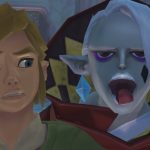
When he begins his journey, Link is simply a student of the Knight Academy. He may be one of the top students, but he is still just a trainee. It is easy to see how little experience Link has in battle once he reaches the surface. And his inexperience in battle is put on full display in his battle against Ghirahim, who only toys with Link in their first encounter.
Impa echoes what Ghirahim’s battle shows: Link is not worthy of his hero status. He is too slow, too weak. Impa’s words sting, but she is right. Link needs to grow.
And he does. He becomes more resourceful and serious. Where Link’s expressiveness once showed a goofy teenager, he now has the face of a true warrior. He strengthens his sword in the Sacred Flames, actually bests Ghirahim, and grows into his lofty title.
By the end of the game, Link is a formidable foe to Ghirahim’s forces, proving to be one of the most experienced swordsmen of Hyrule. It is not often that we get to see such development from Link, but it makes him way more complex compared to the typical quiet hero we are used to following.
Fi: Becoming more human
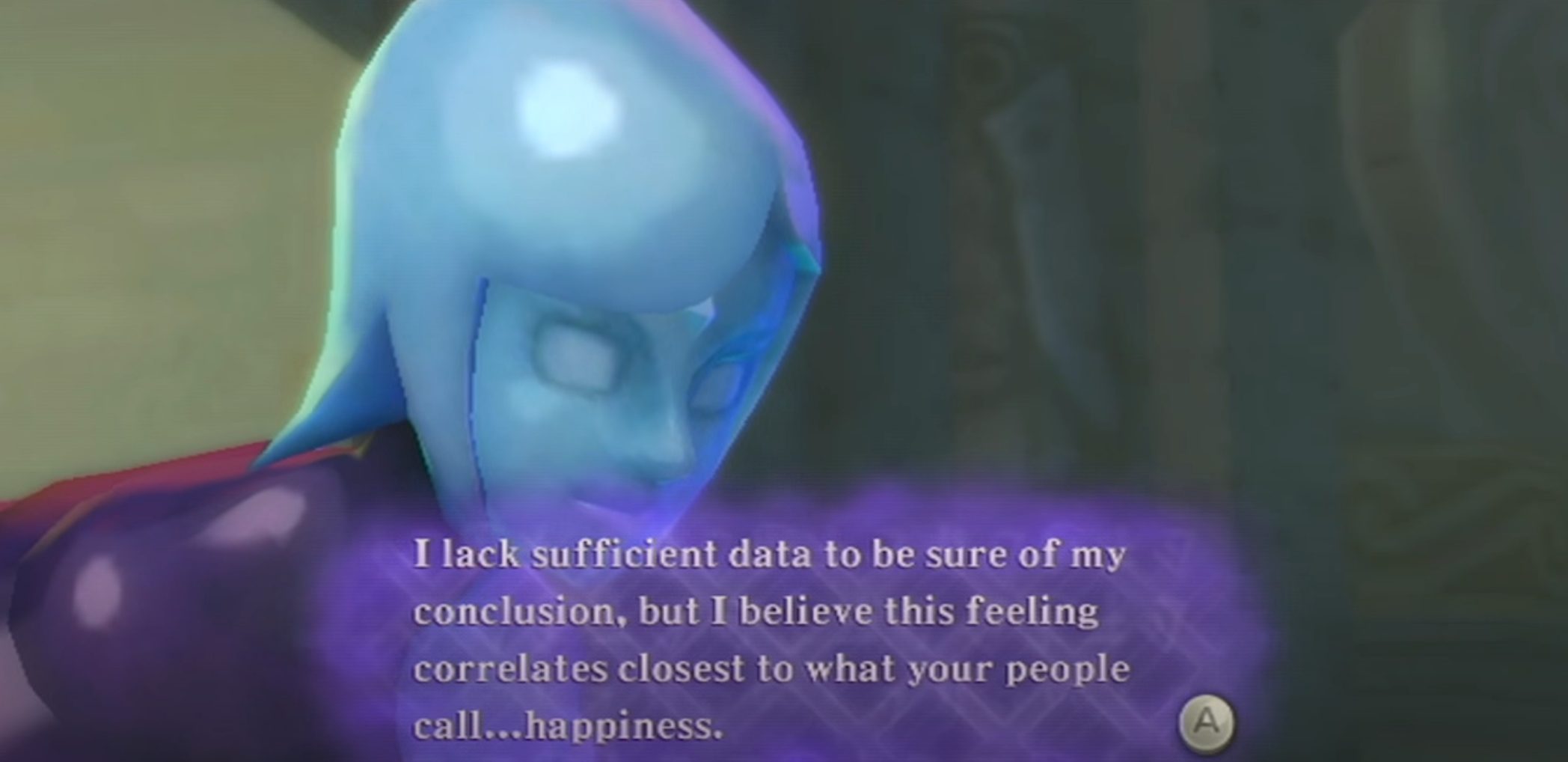
Alongside Link’s development lies a much more understated development in his companion. When we first meet Fi, she is this extremely robotic character, and she acts harshly to the humans she encounters. She deals entirely in percentages and acts like she has a duty to fulfill at all times, and rarely takes feelings into account.
When she does think about feelings, it is almost manipulative, like when she told Link about Zelda’s safety only to persuade him to journey to the surface. Feelings are simply data to Fi. She cannot feel emotion, so she translates it into quantifiable data.
However, she starts to change as she spends more time with Link. She slowly develops more emotions as she travels with Link, and she becomes a bit less robotic. When their professional relationship as master and companion ends, Fi gives Link a proper goodbye, citing their friendship as one of her most precious memories.
Groose: From boastful bully to pompadoured pal
Skyward Sword’s cast of characters would not be complete without Groose and his ever-stylish red pompadour. Groose is depicted as a typical bully. He picks on Link and Fledge endlessly while chasing after the heart of Zelda. At nearly every turn, Groose tries to get in Link’s way.
It is clear that Groose sees Link as both a romantic rival and a rival at school. He even has a punching bag with a picture of Link’s face taped on it. During the Wing Ceremony, Groose tries to sabotage Link by kidnapping his Loftwing and even commanding his cronies to throw eggs at Link during the event. He is a cruel and mean person to Link for seemingly no reason other than Zelda liking Link.
Once Zelda falls to the surface, Groose’s personality begins to change drastically. Instead of his usual posturing, Groose is despondent as he mopes around his room. He becomes a shell of his former self, barely even trying to bully Link.
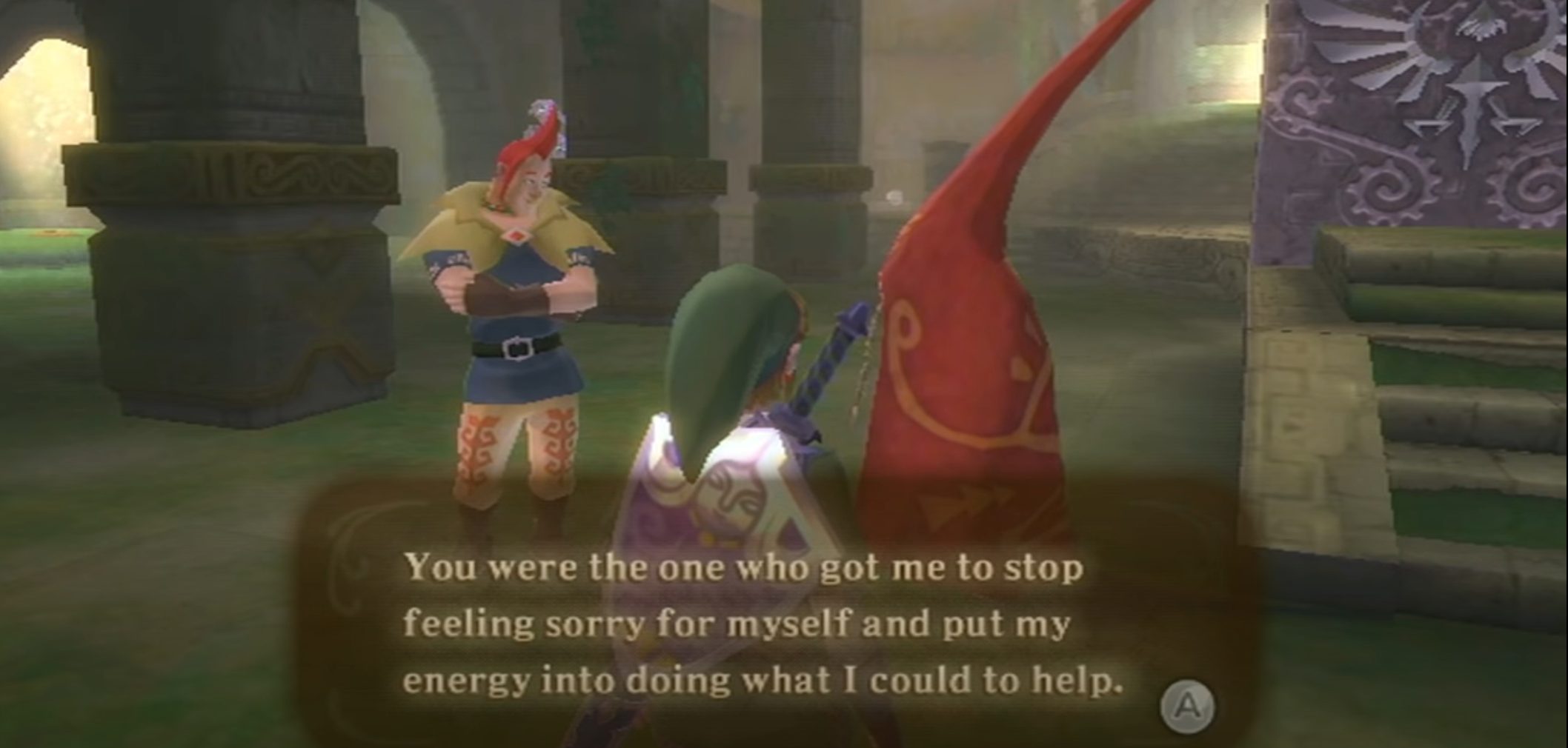
However, once Groose follows Link down to the surface in an amusing crash landing, Groose begins to change his tune a bit. He tries to keep up his boastful persona and take all of Link’s glory for himself, but the Imprisoned rises and leaves Groose shaking in his boots. He realizes that he is not the hero of this story.
He may not be the hero, but he does find ways to prove his usefulness. He builds the Groosenator, which becomes essential in subsequent battles with the Imprisoned. Instead of overshadowing Link, he finds a true passion in inventing and carpentry in order to help. He even forms a bond with the old lady in the Sealed Temple, referring to her as “Granny.”
Overall, Groose becomes a better person during his time on the surface. He also becomes a better friend to Link despite never really losing that crush on Zelda. He grows up and learns the importance of finding his purpose, even if he is not the hero of this story. It is perhaps one of the best moments of character development in Skyward Sword.
Ghirahim: A goofy villain who became a formidable foe
Amid all the positive character development, Ghirahim is here to remind us that not all character development is for the better. Despite Ghirahim’s downward spiral, his character arc is no less interesting than that of our heroes.
Ghirahim’s entrance shows his tendency for theatrics as he toys with Link. He has fun simply being a nuisance and does not even raise his sword until Link proves to be a little more capable than expected. He is rather calm, despite some outbursts, and every encounter with him in the early game shows his incredible self-confidence.
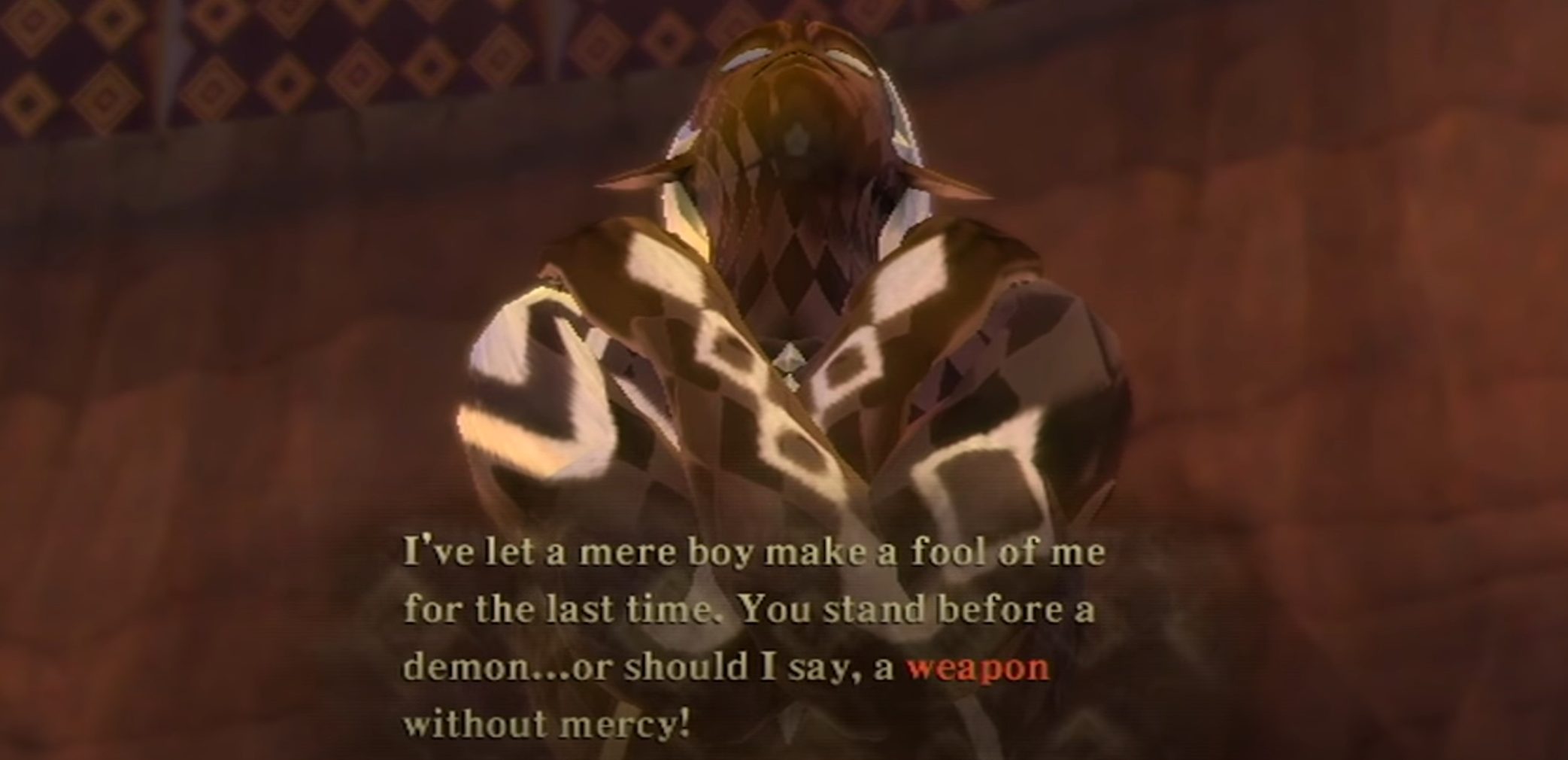
But as Link foils his plans more and more, he begins to show a more sadistic side. His second fight is much more challenging as he actually begins to use more of his power. He tells Link that he will enjoy tearing him to shreds. Overall, he becomes much more violent and even more terrifying than in his previous encounters.
In the final battle, he reveals himself to be Fi’s counterpart and the spirit of Demise’s sword. His final fight is challenging, as he uses a mixture of magic and swordplay. He is one of the most formidable characters Link has faced till this point, but now they are evenly matched.
Ghirahim’s development from a Team Rocket-style villain to the opening act of the final boss is one of the most fantastic villain arcs in Zelda. And it is so satisfying to knock him off of his high horse in every single playthrough.
And the rest?
These four examples are just a fraction of the character development in Skyward Sword. From demons seeking humanity, to love between two students, to a robot who finds a purpose and a new crush, there is always change happening in the Sky and on the Surface. The constant character growth all around us makes the world feel more alive.
Some people develop more quietly, and others develop dramatically. Sometimes it’s for the better, and sometimes it’s for the worst. Skyward Sword‘s characters are reminders of our own ability for change. They feel human because they change, and that is why we cherish them so much.
Percy Mohn
Practically raised on Zelda, Percy spends most of their spare time playing Zelda games over and over and over and- well you get the picture. When they are not playing Zelda games for once, they spend most of their time acting, both onstage and behind a DM screen in D&D. Percy is a columns and features writer.


 by Percy Mohn on August 16, 2021