How dark is too dark? The balance of tragedy and triumph in Zelda games
 by Chelsea Reed on July 14, 2021
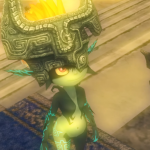
Dreary night skies heavy with rain greet our hero the moment he comes to. Sensing the grass beneath his feet, he realizes he is in Hyrule Field. But something is wrong, terribly wrong. He’s on all-fours, bound in wolf form. Why hasn’t he returned as a human? Bits and pieces of Link’s memory start to pull together — he just emerged victorious from the Lakebed Temple. Then suddenly, Zant, the Light Spirit Lanayru, and — Midna! Zant attacked her — and Link lunged at him, trying to protect her. Where is she?
Link’s keen canine ears tell him the answer in seconds. Painful, labored breathing lingers from his backside. He looks behind, and his heart lurches at the sight. Poor Midna! What in the world happened to her? Link has no idea, but one thing is clear: His companion is gravely injured, and she won’t last long. But what can he do, out here in the rain in this outcast of a form? Suddenly, he hears a voice. “Go see the princess,” it says.
Link does the only thing that makes a lick of sense — he presses forward for Hyrule Castle, hoping beyond hope that his fading companion can hang on in this desperate hour of need.
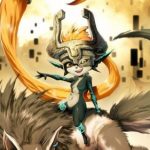
Many players will recognize the story above as being a classic scene from Twilight Princess. They will also recognize the powerful emotions that swirl around it. Known as “Midna’s desperate hour” or “Midna’s Lament,” after the accompanying song, the dark scene packs a punch. It delivers a rare moment in the Zelda series when we’re forced to deal with an important character in acute distress. Some players have even shed a tear. But for a video game series heralded for its family-friendly entertainment value, are dark scenes like this one worth their salt? Are their weighty, dismal sequences even necessary for the audience to consume?
As it turns out, the answer is, well, complicated. (Note how I avoided saying, “in the dark.”) Let’s venture forth into the hair-raising labyrinth of dark moments in Zelda games, and how they may or may not contribute to the total game experience.

The Definition of “Dark”
The Zelda franchise is chock-full of thrilling memories. They’re what makes an adventure exciting, after all. Some sequences have made us laugh in delight, others have filled us with wonder and awe. And then there are times when Zelda games have dished us a good ole’ plate of dread. Players probably know what I’m talking about. It comes out of nowhere like a punch in the gut, and we think, “How is our hero possibly going to get out of this one?” An excellent illustration of this is when Link first draws the Master Sword in Ocarina of Time.
For the sake of context, it is this type of ominous material that I am referring to as dark. Oftentimes, they are story sequences; sometimes they involve interactive gameplay, such as the gruesome Bottom of the Well in Ocarina of Time. What sections of a Zelda game are “dark,” exactly? The precise answer depends on the interpretation of the player. With the help of Webster’s Dictionary, dark can be defined as having relevance to a “grim and depressing circumstance” or “evil traits and desires.”
Believe it or not, the name of the franchise itself bears witness to its dark trials and tribulations. Zelda is a short form for the German name Griselda, which meaning implies in the German vernacular “dark battle.” That’s a fitting description for a series where a princess and hero constantly struggle against an evil sorcerer-king or some other malevolent force. On the flipside, Zelda is also a Yiddish name that means, “happy, blessed.” This too is fitting for the franchise. In spite of the hardship and loss they face, our protagonists always come out on top. Hyrule is a beautiful, prosperous country that is certainly worth fighting for.

Do Dark Moments Have Benefits?
From the Moon falling to a hero’s tragic fall, we’ve all felt the discomforts of encountering a dark moment in a Zelda game. We squirm in our seats as the adrenaline kicks in and the disaster plays out before us. The scene may even become violent. It tugs at our heartstrings and leaves us in the lurch. Sometimes the trouble is resolved immediately; other times, it lingers at our dismay. Such situations are a hallmark sign that a game is doing a fantastic job with engagement. But as today’s younger audiences are already dealing with anxiety and stress levels at an all-time high, one may wonder: Is dark content in Zelda games really beneficial?
Of course it is. Sure, dark moments in games are obviously negative, but that doesn’t mean they should be thrown out. And this is why: Dark moments are everywhere in real life, whether we like it or not. Like bad house guests, they show up uninvited at our jobs, our schools, and even our personal lives. Heck, just watch five minutes of the news. Why else would our nerves be so frayed in the first place?
Because Legend of Zelda games constantly revolve around the themes of adventure and courageous undertakings, they are the perfect backdrop for confronting the evils of dark moments, no matter what they are. They place us in the shoes of a hero, and suddenly we feel like we can take on anything. Isn’t that what courage is about? The land of Hyrule and its exaggerated fictional problems create a great setting for us to relate to and solve our own real problems. It’s also an awesome opportunity for us to simply take a break and have fun. Some evidence now suggests that Zelda games might help relieve mental stress! How’s that for an excuse to play more?

Keeping the Right Recipe in Balance
This doesn’t mean, of course, that violence in entertainment is to be endorsed. I would like to believe we know better. Not all content is appropriate for family-friendly audiences, hence the reasoning for video game ratings. Even the Zelda franchise isn’t perfect, and the development staff has learned from a few blunders in the past. That said, I believe there is a correct way to balance intense scenes in an artful matter that hits all the right notes for the intended player. Zelda games overall have done a very good job at making dark content meaningful for both younger and older audiences. It is critical for dark moments in any interactive video game to convey context and meaning. Otherwise, they are like flies at a picnic — annoying and disgusting.
As we venture forth into a vibrant future for the franchise and the timeframe gets shorter for games like the Breath of the Wild sequel, it is natural to wonder what dark moments could be lurking for new players. Whatever they may be, there is one thing we can probably be sure of: more epic, meaningful clashes against evil. Bring it on, I say. Confronting those bad things, with the hope of making it right — and winning — is what makes the triumphs that much sweeter.