Fairies have been a staple of the Zelda series since it began and have appeared in a variety of roles throughout the games. Featured as companions, deities, and even items, it is this versatility that makes the Fairy such an interesting case study. This feature aims to explore some of those roles and take a look at how the Fairies throughout the Zelda series have shaped the games in which they appear.
The companion
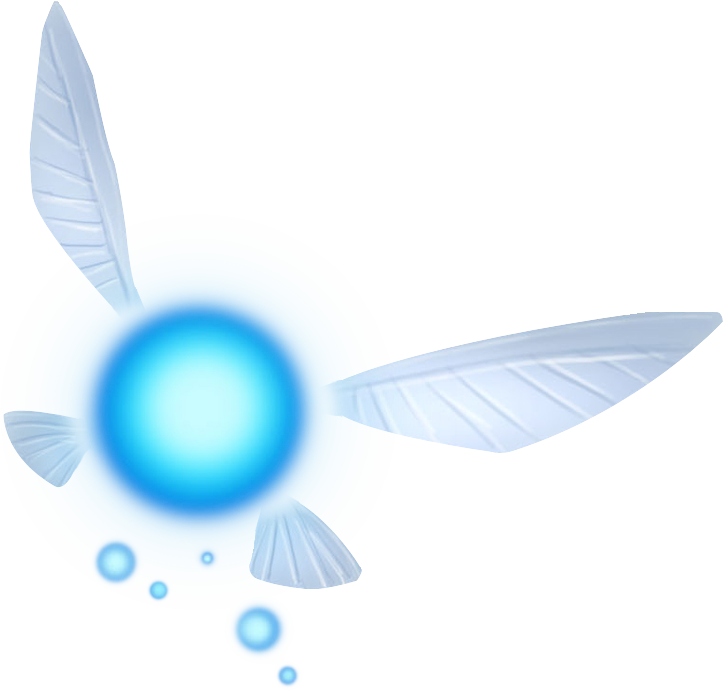
The Fairy as a companion first appeared in Ocarina of Time, with the oft-maligned Navi. Named so to indicate that she was the game’s “navigator,” Navi has been the subject of countless asides and memes taking aim at her — occasionally exasperating — catch-phrase: “Hey! Listen!” Navi also heralded in a period of more hand-holding in the series. After letting players fumble their way through bombing random walls early on in the Zelda franchise, this may have been a step too far in the opposite direction. This extreme guidance came to a head with Skyward Sword’s Fi, before a return to the series’ origins of more esoteric progression with Breath of the Wild.
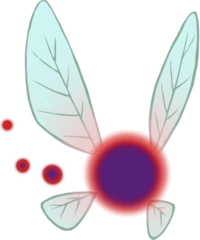
Thus, the Fairy as a companion has somewhat beleaguered beginnings. In Majora’s Mask the overbearing nature of Navi was toned down for Tatl, and the “Hey! Listen!” soundbite was replaced with a less grating ringing sound. Tatl had a clearer characterization than Navi, along with progressive development, backstory, and a family. Tatl’s brother, Tael, is featured as a sympathetic character, and is one of only two confirmed male Fairies in the series, the other being Leaf from Phantom Hourglass. It is also worth noting that the beginning of Majora’s Mask states that Link is searching for an old friend, widely speculated to be his estranged companion Navi. This is a story where Fairies are featured front and center as supporting characters to our hero, and it is interesting to see Fairies with clearly defined personalities and motives.
The last true companion Fairy was Ciela of Phantom Hourglass. This game again saw a companion Fairy receiving their own storyline intertwined with Link’s, as Ciela is revealed to be the Spirit of Time and Courage, bearing the symbol of the Goddess Farore. Moreover, Phantom Hourglass saw Ciela take on an even more crucial role: the cursor for the Nintendo DS touch screen stylus. While a Fairy cursor preceded Phantom Hourglass in Twilight Princess’s Wii release, it is uncertain whether this silent Fairy was actually present in-game or simply a user interface element. It seems the latter is more likely, as this blue cursor Fairy was absent in the Gamecube version of Twilight Princess. The utilization of Ciela in Phantom Hourglass as a cursor is a neat addition, and it’s nice to see a companion character given functionality outside of advice and narrative progression.
The great
Like Navi, the Great Fairies are not without their own share of contention. In the original Legend of Zelda, the Great Fairies saw their first iteration using the same sprite as regular Fairies, only being differentiated from them through context. Absent from The Adventure of Link, the longstanding formula of visiting a Great Fairy for upgrades was introduced in A Link to the Past.
The distaste arose later in the series. When the Great Fairies were given their first 3D models, the general consensus was that their overt polygonal design was somewhat off-putting. This feeling was perhaps exacerbated by their shrieking laughter when summoned, or the fact that in Majora’s Mask Link is able to wear the Great Fairy of Magic’s face as a mask. In both of these games, Great Fairies of Power, Wisdom, and Courage appear, suggesting association with the Triforce and the three Goddesses.

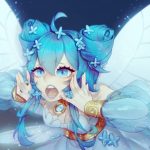
Maybe this worked as a catalyst for a complete design overhaul in The Wind Waker, where the Great Fairies’ appearance is a near polar opposite to that of their 64-bit counterparts. There is a suggestion of influence from Hinduism in the design in these renditions: their skin being blue (among other colors), their extra arms, and their use of the lotus. This depiction is repeated in Four Swords Adventures, and in The Wind Waker, the Queen of Fairies is depicted as a small child. These designs are far-flung from the Nintendo 64 Great Fairies, who seem more like extras in a production of A Midsummer Night’s Dream. Interestingly, a non-canon reference to the Shakespeare play is made in The Legend of Zelda animated series, with the character King Oberon appearing in the eleventh episode.

An ambiguous suggestion of a male Great Fairy is made in Breath of the Wild, with Malanya. He is not stated to be a Fairy in-game, though the official player’s guide does refer to him as “The Horse Fairy,” and he inhabits the same type of fountain as Cotera, Kaysa, Mija, and Tera. These four Great Fairy sisters seem almost like a doubling down of the design philosophy used for the Nintendo 64 Great Fairies, their qualities taken to the nth degree. They are larger, more overbearing, more bejeweled, more gregarious, and were adorned with hair that reached to the heavens; they were a fun addition to a game often defined by its picturesque landscapes and logic puzzles.
The item
Fairies have a duality unique to the series. As well as certain fairies being important narrative characters, they are able to be captured in bottles to restore Link’s health. Certain story beats will see this happen to other characters — Majora’s Mask’s Deku Princess and Seahorse come to mind — however, there is something to be said for the ubiquitous nature of bottled Fairies. In many Zelda titles, wild Fairies can be caught by our hero and kept in a bottle for safekeeping until they are used by the player for healing or activated automatically at zero hearts.
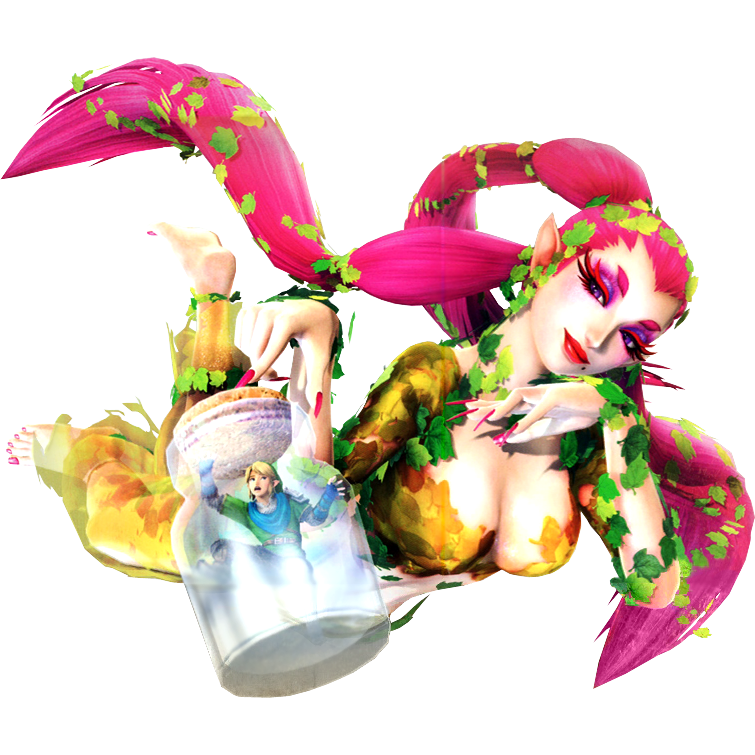
It’s an interesting gameplay choice to have Link keep Fairies in bottles, which have throughout the series been portrayed as capable of intelligent thought. This is played on in The Wind Waker, where both in-game models and official artwork show captured Fairies in undeniable distress. Captured Fairies in Breath of the Wild are used for cooking, though mercifully it is only their fairy dust that makes it into the dish. A non-canon subversion of Link’s fraught relationship with the Fairy-as-an-item occurs in Hyrule Warriors, where Link can be carried in a bottle by a Great Fairy. Official artwork suggests he is unimpressed with this arrangement.
In Majora’s Mask, the stray Fairies act more like an in-game collectible, confined to the temples aside from the single Stray Fairy found in Clock Town. They retain their healing properties but are also used as a collectible barrier to various upgrades in the game, not least being one of the series’ coolest swords. In Link’s initial meeting with the Clock Town Stray Fairy, it speaks to him, pleading to be taken back to the Great Fairy’s Fountain, again blurring lines of any true classification of Fairies as a whole.
The other one
It would be remiss of me to write this without including the series’ honorary Fairy. Tingle made his first appearance in Majora’s Mask as the earnest cartographer obsessed with all things Fairy, complete with the magical incantation of his own making: “Tingle tingle kooloo-limpah!” (Don’t steal it). Tingle has always been considered quite offbeat, and he fits in well with the Nintendo 64 entries’ tradition of introducing creepy designs, such as the Great Fairies and the ReDeads.

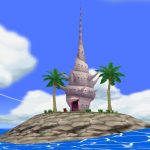
The Wind Waker saw Tingle become much more enterprising (Read: an extortionist), even being in possession of his own private island. Starting in 2006 he had a short period as a bit of a breakout star, being the protagonist of three games for the Nintendo DS, though sadly only one of these has been released outside of Japan.
It remains to be seen where Fairies (and one particular Fairy enthusiast) will be taken in the future of the series. Having discussed their varied roles throughout the games, it is clear that they can have numerous different purposes, and it will be interesting to see if we are given more companions, more items, more narrative-driven Fairies, or new, unique character designs for the Great Fairies. I for one look forward to seeing how their magic will shape the Zelda series in the future.