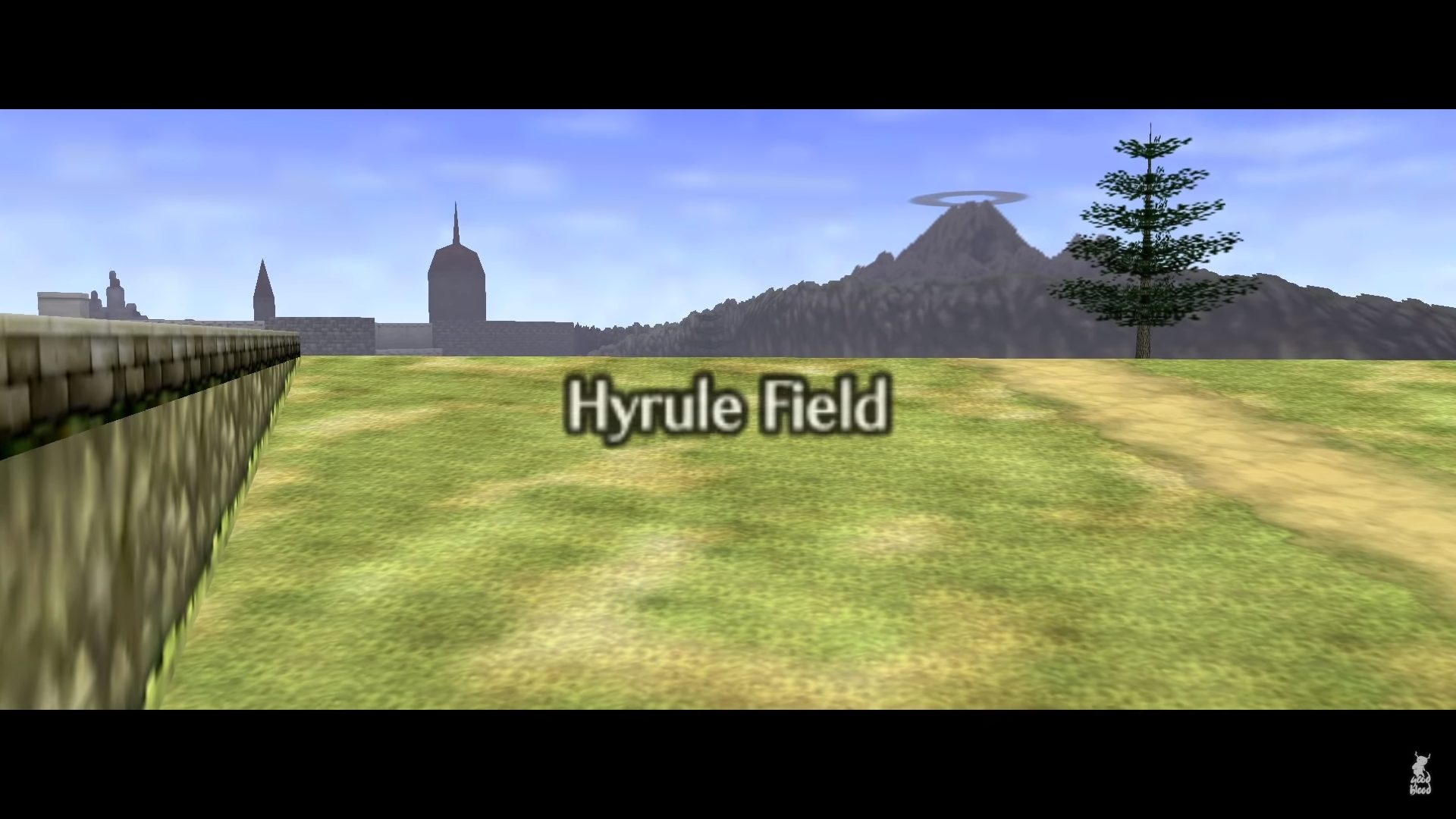
The Hyrule Journals is an ambitious, collaborative video essay series created and produced by filmmaker Javed Sterritt. The series is dedicated to exploring the intricate, more profound aspects of the stories within The Legend of Zelda titles, delving deep into the worlds of Hyrule and beyond in an attempt to discover and discuss the “why” of one of gaming’s most beloved franchises.
After years of work, Episode 1 came to fruition in January of this year. It focuses on the story of Ocarina of Time — specifically, how the subtext of the Hero of Time’s journey is “the saddest Zelda story no one noticed.” The half-hour production takes Zelda analysis videos a step further, using quality graphics and animation, tailored music compositions, and intricate scriptwriting to support Sterritt’s extensive research.
A longtime fan of our website, Sterritt agreed to speak with us about Episode 1, the future of The Hyrule Journals, and the Zelda community as a whole.
Caitlin Johnson, Zelda Universe: Thanks for taking time to chat with me, first of all.
Javed Sterritt: No worries, I’m excited. It’s good to talk to you; I have been a Zelda Universe fan for ages. I used to just spend hours on the forums, looking at Zelda theories. Back in my 20s, so much time was spent at Zelda Universe. This is like a little dream come true, to be honest. This is really fun for me.
Exploring a Hyrule that “feels alive”
ZU: So I know [The Hyrule Journals] got started a couple of years ago, but how did the whole project itself come about?
Javed: I was watching a video by this guy, his name’s MegaTgarrett on YouTube; he was playing through Ocarina of Time, and he mentioned that because he has to play the game in stereo, he uses sounds to get through the game — that’s pretty much his guide. So as he’s walking through, he’s mentioning all these things… like, “OK so the sound of the river, that’s my guide because it changes in pitch depending on your distance from the river.” And it was that moment I was like, “Holy crap I’ve never noticed that before,” and I started becoming really interested in the amount of effort the [development] team put into creating a Hyrule that feels alive.
I wanted something bigger and more transcendent to write about.
So the first year of The Hyrule Journals took me on this really interesting journey of getting down into the depths of Nintendo 64 coding, essentially. But that kind of ended up nowhere; it was taking a really cool shape and I was really excited but then it just didn’t go anywhere. It would probably be interesting to people like me, but I kind of wanted something bigger and more transcendent to write about.
ZU: I think [the atmosphere is] what really drew me into the game. I’ve been playing games since the 80s, but for some reason I didn’t get around to Zelda until Ocarina, and it was just that immersive world that brought me into it. That’s what I really love about the series as a whole, is just getting into those worlds because they are alive, like you said. And it’s more than just, you know, going to some objective; there’s stuff to explore and I think that’s what makes the series different from anything else. So it’s really nice that you touched on that.
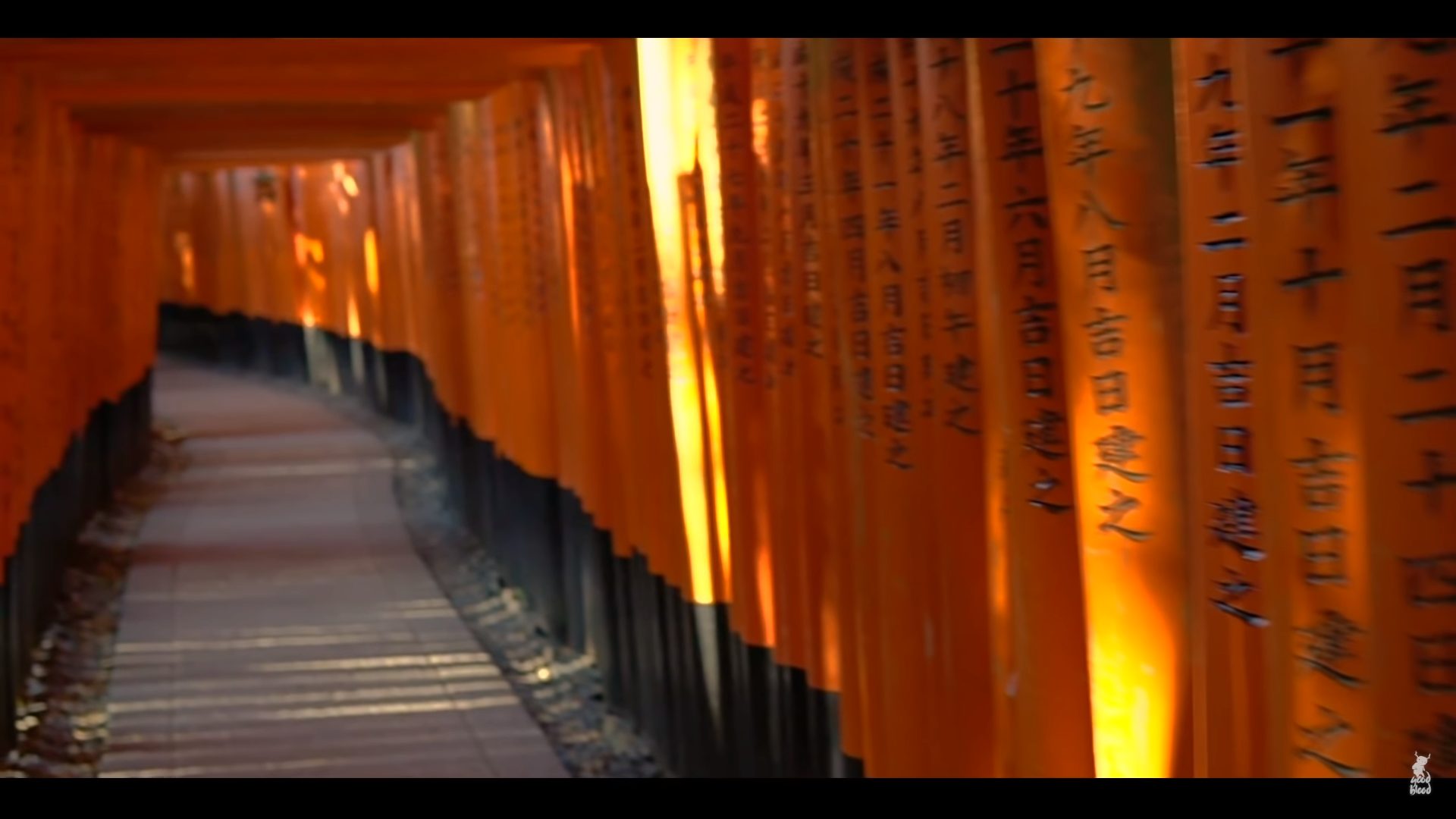
Javed: Yeah…that was pretty much how it all started. I had already done all the work into like the atmosphere, and figuring out all the little intricacies of how the Nintendo team built the world, which was kind of great, and then to go onto this like Shinto journey of discovering Shinto. I went to Japan, and I went to shrines there and did research and was talking to people about it, and everything just kind of fit into place. It was mind-blowing, the amount of connections that were happening between what I’d already discovered and the meaning, relating to Shinto stuff. So that was really great, and I was so ecstatic… it kind of breathed new life into the whole thing.
Shinto traditions and The Legend of Zelda
ZU: So the Shinto connection…you said [Satchell Drakes] came up with that? Was it before or after you came up with the idea for the film?
Javed: That was before. At this point I was exploring… You know, trying to figure out, OK, like why did they spend so much time and effort into making Hyrule feel alive? I was kind of holding onto that, and I took that question to Satchell and the other guys. And that’s when Satchell said, you know, Shinto, the connection with nature… And that’s a huge part of Japanese culture. And that was pretty much the first time I’d ever heard about it, about anything Shinto-related. And so I was like oh OK that’s cool, and I just started researching that and finding out the basic core beliefs.
But it was really important that… You know like, I was coming into this thing completely blind. I was so nervous of offending someone, and so I think a lot of that first year was really spent double-checking, rechecking my research, making sure I had the proper… You know, so I wasn’t offending an entire culture. [laughs] Like, I don’t practice Shinto, and so I’m talking about this religion that other people practice — that’s their livelihood, you know? It has to be correct. So I was really nervous about that.
ZU: Yeah I totally get that.
Javed: Yeah so that was a lot of the first year, just double-checking my research, and finding multiple sources saying the same thing. Yeah, so that’s how that goes.
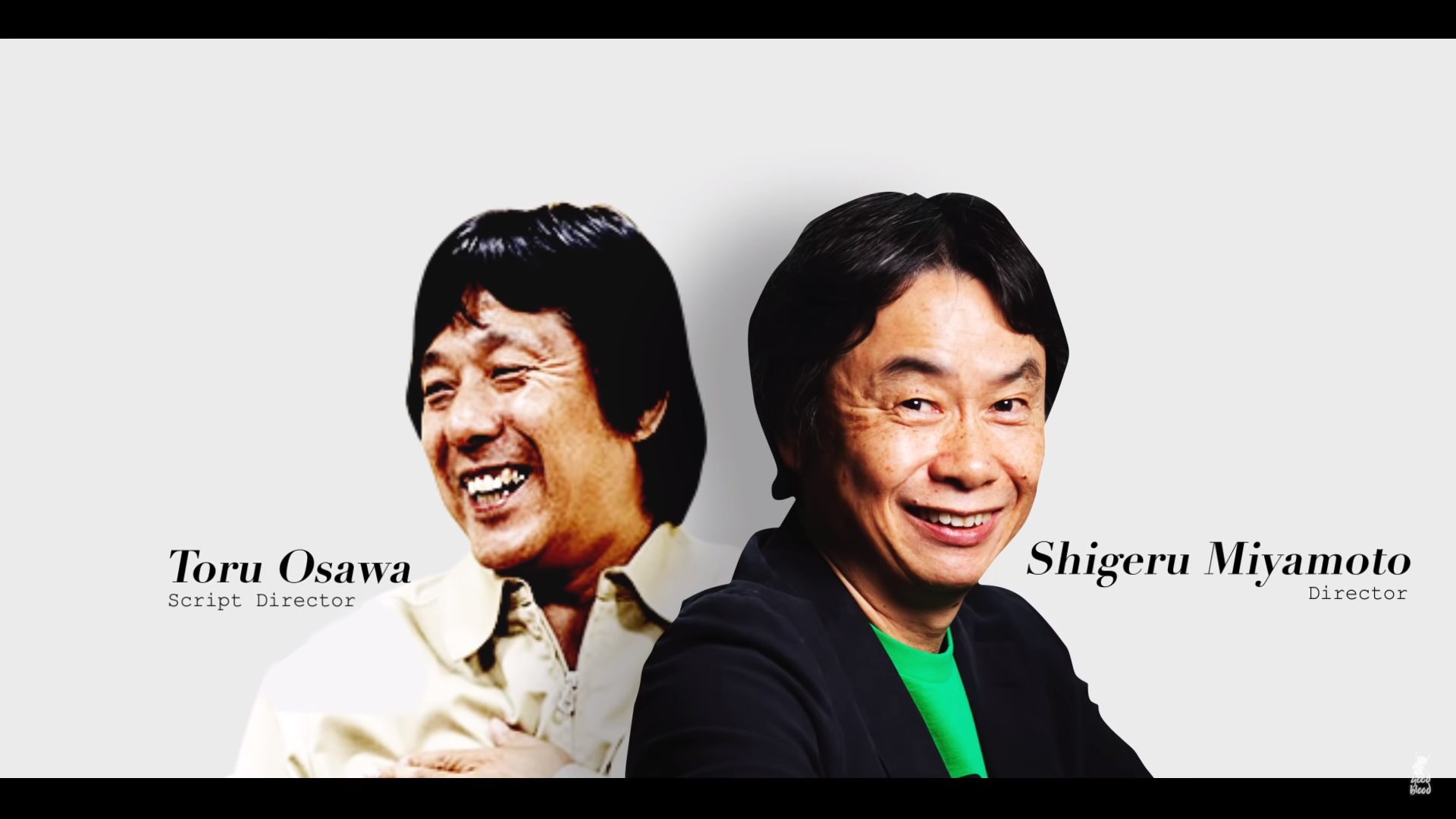
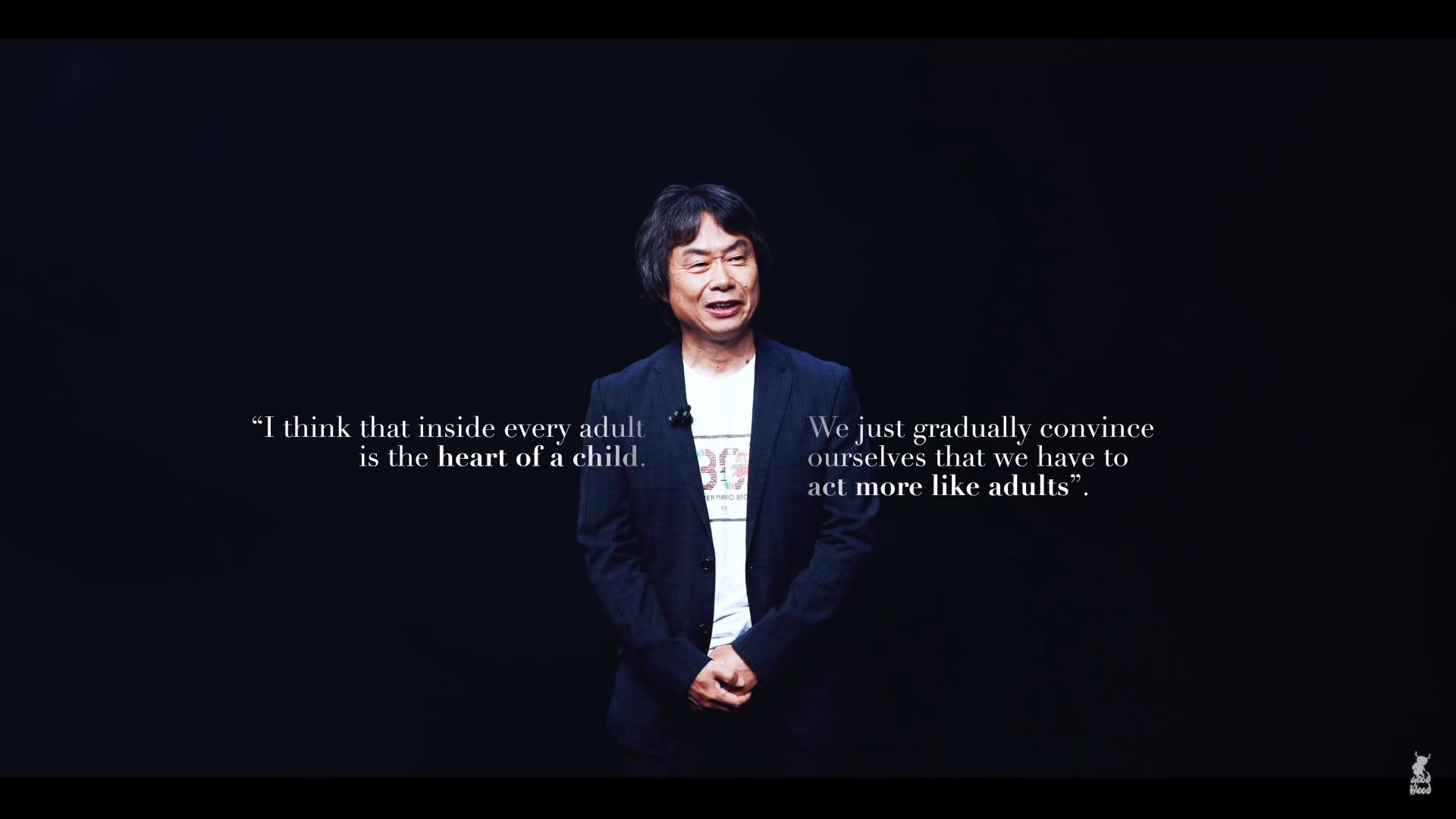
ZU: I never would have made that connection, because I don’t know anything about Japanese culture, as much as I’d like to, and that was such an interesting part of the video that I thought was really cool — it makes sense. I hadn’t seen that video you showed with [Shigeru] Miyamoto before, and I was like, “Oh my gosh, that’s such a cool connection! There’s so much inspiration here.”
Javed: Yeah, the Star Fox video. That was great… Obviously, when you’re writing something like this, you need evidence. You need evidence, and you need information and sources, right? And so the one thing I was missing was that really obvious connection of Miyamoto… and talking about Shinto, and that’s pretty much the only piece that exists that can relate both in the same piece.
I read so many interviews… So many interviews with Miyamoto, and even Eiji Aonuma, and it made me realize just how… shallow all the questions are, the questions we’re asking these developers. Like, there’s no interviews talking about what it was like for them growing up, and what kind of culture they were bringing into the game… So that Star Fox piece is like the only piece of evidence that I had… So yeah, that was the starting point.
ZU: What kind of questions — if you had a chance to sit down with Miyamoto or Aonuma — what kind of questions would you ask?
Javed: That is a great question; oh man. Honestly, I just want to know if I’m on the right track. Like hey, there’s so many Shinto elements to your games and so many different connections to legend; it feels like a lot of your personal beliefs are in these stories — like just asking them to speak to that. I think I’d definitely go something like that. I really want to know more about the developers themselves, because I think knowing the people gives us a greater insight to the story.
Retelling the legend
ZU: So, back to the Journals…How long did [Episode 1] take from start to finish? I know you started it a couple of years ago, but once you started getting going, how long did the process take?
Javed: After the Shinto discovery… it was about a year of researching and writing the whole thing. I think because it was Zelda, I was so focused on, you know, trying to create something that honored the artistry that I was breaking down. I really pushed myself as a writer to do something… To just be better.
I loved it because there was so much evidence, as far as the Shinto stuff, that I didn’t have to fluff anything up. And so it was actually about subtracting; it was actually about, “OK how do I shorten these sentences and just get straight to the point?” Because the points themselves are so powerful. So a lot of the writing process was just really questioning, “How could I do this better? Is this part important? If it’s not, I should take it out.” Which is obviously hard, when we were getting excited about the content. [laughs] But I feel like that made it a better piece in the end.
So the first year was researching and writing, and the second year was just editing, animating, doing the voiceover, the music… I was really really pushing myself quite a lot. I think that’s why it took so long. Just really pushing all my 3D work and animation skills. The second year was just production, and then it launched January 11, I think it was.
Positive response and the Zelda community
ZU: The video was awesome. You’ve pretty much explained a lot of things and pinpointed stuff that I hadn’t even thought about, and that I have been thinking about for like the last 20 years, so it was such a well-done video.
Javed: Yeah. Thank you. I’m happy with it, but I think it was the response that I was the most shocked at. It was great. I think I knew that it was going to be good — I put a lot of work and time into it. I really tried to push myself. But the response was just insane. The amount of stories that came out of people connecting with it, because they grew up with [the game] as a kid, just seeing those stories that came out was so great.
I was so excited to put some time and effort into this series because I knew there was a community out there.
ZU: What would you say to those people that think that, you know, all the analysis, and all the time that you spent putting into this video… even some video game fans are like, “Oh that’s such a waste of time”… What do you say to that?
Javed: I think the answer is that… you know, it’s a community. I think the reason why I was always on the Zelda forums — because I spent hours on there — was because there were other people on there. If it was just me, then I wouldn’t be on there. If it was just me that liked this one thing, I would probably ditch it. Because I feel like deep down we all want to find somewhere where we belong, and we all find somewhere where we’re accepted. And so I think… I think that’s the foundation why we do pretty much anything. And so I was so excited to put some time and effort into this series because I knew there was a community out there.
I feel like any time we do anything, and the reason I was so focused on getting Twitter followers and YouTube subscribers is because we want to find a tribe. We want to be accepted and to find a place to belong. Yeah, so I’m really happy that Episode 1 got so much acceptance; it’s just so heartwarming, like I’ve found my people, you know? That’s why I want to keep making Zelda content, because like, the community is amazing.
ZU: Generally speaking, what are your plans going forward with the series?
Javed: Yeah so, I’m going to keep going, as far as the series is concerned. So Episode 2 is about Majora’s Mask — tying up the Hero of Time saga — and then Episodes 3 and 4 are still in the works. I’ve got some ideas that I’m exploring; I haven’t found the pulse for them yet, but obviously, I’m still excited for that.
ZU: There’s so much material to work with; I’m sure you’ll find something.
Javed: Exactly, there’s plenty to explore. And so Episode 2 will be with Barry Kramer — so Episode 1 was with Satchell Drakes as a guest; Episode 2 is Barry Kramer from Game Grumps, or ex-Game Grumps — and then yeah, 3 and 4 will be coming out after that.
ZU: So one last question: What’s your favorite Zelda? [laughs]
Javed: Oooh…
ZU: There’s probably not even an answer to that; I don’t have an answer to that, I don’t know. [laughs]
Javed: I think it’s The Wind Waker. I just loved, like, the ocean pirate adventure, I loved going down into the old Hyrule. I felt the story was just so, so rich. It was just full of myth and full of exploration. Like true exploration. Yeah. I just really liked it.
ZU: Well that’s all the questions I had; do you have any final comments?
Javed: I think that was pretty much everything… Thanks so much for the chat.
ZU: Thank you! I really appreciate it.
Episode 1, titled “Ocarina of Time: A Masterclass in Subtext,” can be viewed on Sterritt’s YouTube channel. Episode 2 is currently in the works, and Sterritt hopes to have it completed sometime around the end of the year.
Be sure to also check out the behind-the-scenes content on The Hyrule Journals website, where you can sign up for the newsletter to get updates on new episodes or join Sterritt’s Discord to discuss Zelda, video games, and everything else.
Caitlin Johnson
Caitlin is a news writer and editor with a passion for The Legend of Zelda (and recently Persona). She joined the Zelda Universe forums in 2006 and the news team in 2018. When she isn't writing, she's searching for Korok Seeds, discussing timeline theories, or losing online battles in Smash Bros. Ultimate.


 by Caitlin Johnson on June 16, 2019