Oh Spirit Tracks, my beloved. I was a train kid, growing up in a post-decline industrial city with miles upon miles of rail infrastructure from WW2 and earlier. The Royal Engineer spoke to a long-dormant part of me, not to mention the excellent soundtrack of the game and the repetition of Phantom Hourglass mechanics that I’ve already discussed my love-hate relationship, though mostly nostalgic love, with.
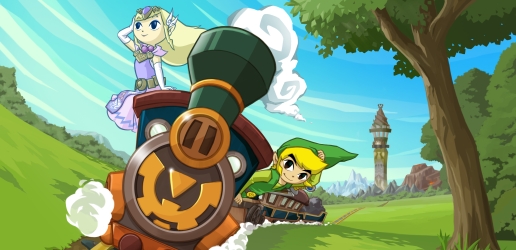
Going from Phantom Hourglass to Spirit Tracks was not as much of a leap as it would have been from any other title, and I would certainly suggest to anyone who hasn’t played either to enjoy Phantom Hourglass first, if only to enjoy the same euphoria I did. In Phantom Hourglass, the recurring Temple of the Ocean King is defended by three varieties of enemy. There’s the Wizzrobe, who in this title steals precious time from the Phantom Hourglass if allowed to sneak up on Link and strike him; the Phantom Eye, a hovering patrol enemy who will alert other creatures to Link’s whereabouts if you are spotted; and the dreaded Phantom, a nigh-invincible juggernaut that could put a Lynel to shame. Over the course of Phantom Hourglass, Link gains the ability to wound these creatures only towards the end of his journey, and only if you are lucky enough to sneak up on them and strike them from behind.
In Spirit Tracks, the unfortunate condition of Princess Zelda also serves as a blessing to those like me who still jump when the fog flashes red and a massive text box screaming “I’LL GET YOU!” starts dashing across the scene. The ghost of the Princess has a strong spirit, one that can dominate the weak spirits of the protector juggernauts. The mechanic of possessing various types of Phantoms throughout the Tower of Spirits is crucial to the gameplay loop of Spirit Tracks, and, were it not for the Princess’ aversion to vermin, would be an absolute power fantasy as a player moving from one title to the other.
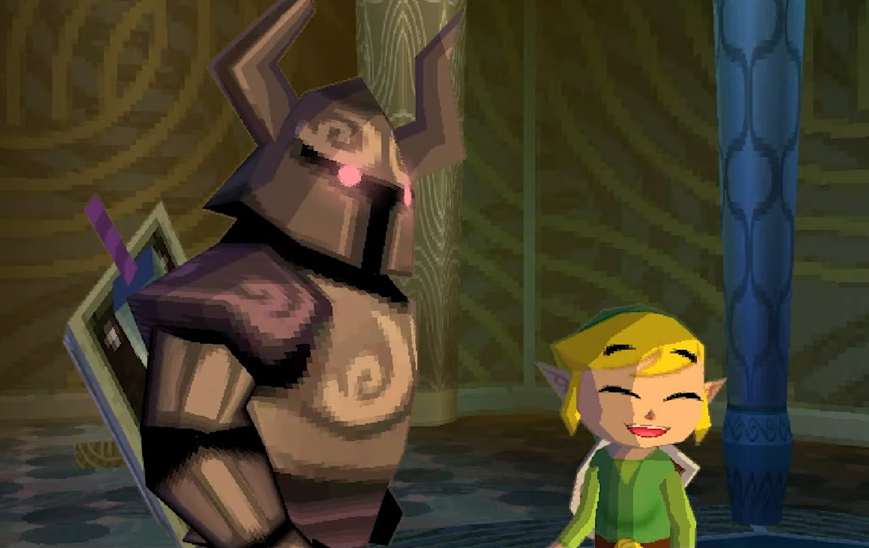
It’s crucial to Zelda’s story, this power, because it gives the otherwise incorporeal royal a way to influence the world. If I’m being honest, it was remembering the mechanics of this title that made me excited at the fan theories for many years that Tears of the Kingdom would feature dual-controls or have a period of gameplay where Princess Zelda was playable. It acts uniquely compared to other methods we’ve had of controlling creatures in dungeons of the past as well. Phantom Zelda isn’t just a puzzle piece, but our Player Two.
Looking back at the levels that used those mechanics today, the inclusion of Phantom Zelda also created the potential for far more interesting puzzles. Something almost felt taboo, as a long-time Zelda fan, with being able to walk across spikes and flames, or through lava, without a concern. I suppose that the newer titles have made that less irregular, thanks to powers like Magnesis and armor that grants immunity to flames. The Zelda Phantom expanded on how a level could have depth, and how many moving parts there could be. The question was not only how to disable a hazard or circumvent the powerful foes, but far beyond that where players had to consider how to move themselves and Zelda through the level. Sometimes it was simple, as Zelda would be a necessary tool to walk Link through, but other times they may need to take entirely different routes, working as each other’s compliment.
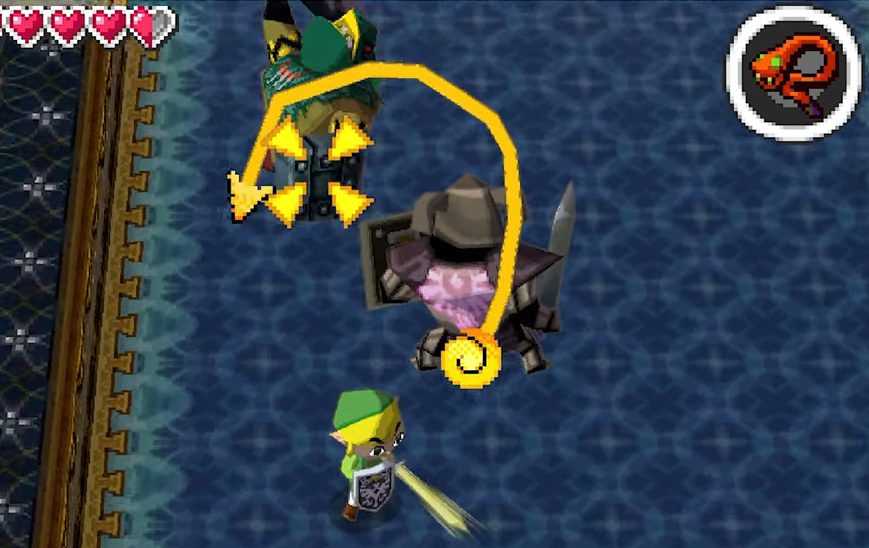
Last and certainly not least, though, is the fact that Spirit Tracks allows Link to use the combat utilities of Phantoms. Of the many types of Phantoms in Spirit Tracks, all of them have abilities that can aid Link in combat — even up to the final fight with Malladus and Chancellor Cole. The light-bearing Torch Phantoms can stun ghosts for Link to dispatch, the rolling Wrecker Phantoms can destroy whatever stands in their path Goron-style and even stun other Phantoms, and there’s of course the instrumental role of using Phantom Zelda to reclaim control of her own body by marching ever-onward and deflecting the lasers of the possessed princess.