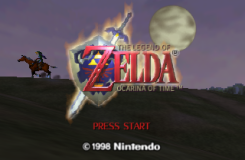
The Spirit Temple of Ocarina of Time stands out as one of the more mysterious and elusive dungeons in the game. Even though the temple is found deep within the desert, there is very little within the temple itself that reflects the outside environment. Whereas the Fire and Water Temples are designed with their respective elements in mind, the Spirit Temple seems to focus more on spirtuality. Sheik even refers to the Desert Colossus, the enormous statue that serves as the entrance to the temple, as a “goddess of the sand”. Not much is known about the goddess depicted in this statue, but she serves as a recurring motif in Gerudo culture, leading many to believe she — and the Spirit Temple — are products of an ancient Gerudo religion that borrows divine symbols from ancient cultures in the real world.
One such symbol is the “Winged Sun”, a symbol very common to ancient religions of the Near East. The sun, which we know now is a burning ball of gas in space, was worshipped as a godlike figure by many people at the time and was depicted as such in their iconography. Though it’s impossible to know exactly what people from long ago were thinking, it makes sense that they would assume the sun has wings, considering the sun is constantly “flying” above our heads. While the symbol present in the Spirit Temple is similar to icons from Ancient Egypt and Mesopotamia, it is especially reminiscent of the Faravahar from Zoroastrianism, especially when you consider another familiar symbol found within the Spirit Temple.

The figure depicted in the center of the Faravahar bears resemblance to the Goddess of Sand herself. No one depiction of the Faravahar is a precise match; the general idea is a figure holding their hands out with their palms facing up. Zoroastrianism is one of the oldest religions in the world, so the exact meaning behind the symbol is difficult to pin down, but it’s generally believed to represent the concept of fravashi, or personal spirit. Zoroastrianism is a monotheistic faith, believing in one god represented by flame and light. Perhaps the Gerudo had a similar belief system, choosing to believe in one Goddess of Sand who is represented by the desert, with the one-eyed winged sun serving as a symbol for the individual spirit.

Judging by the nature of the Spirit Temple and its surroundings, it’s very likely that, when designing the temple, much inspiration was taken from the ancient religions of the Near East. The heavy emphasis on light puzzles in the dungeon seem to reflect the divine status of the winged sun, and the Desert Colossus’ resemblance to the Faravahar suggests to me that the Spirit Temple was heavily inspired by Zoroastrianism in particular. I’m embarrassed to admit that when I first looked at the winged sun symbol in the Spirit Temple, my initial reaction was that it looked extremely similar to Zero Two, the final boss of Kirby 64: The Crystal Shards, so I find this connection to the history and cultures of our own world to be far more satisfying.