I’m fascinated by how animals make different sounds depending on the language. I’ve even mentioned a few instances in previous articles: the sound an elephant makes in Japanese and the sound an owl makes in French. At first, it seems strange to think animal noises would require translation. The animal is not speaking a human language, right? Of course, it’s the animal sound being interpreted through the human language that results in the differences (plus possibly regional differences in breed or species — the frogs I heard in Honduras sound like laser guns). Sometimes those variances can serve as inspiration, as was the case for Kakariko Village.

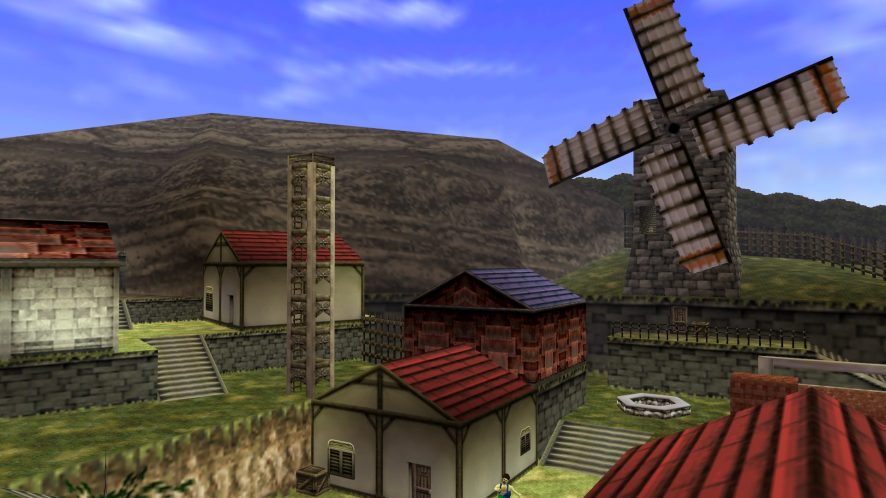
First appearing in A Link to the Past, Kakariko Village has since been a recurring location in Zelda titles, most recently appearing in Breath of the Wild. It is often a peaceful town where Link can enjoy a respite from the perils of Hyrule. Each iteration maintains similar characteristics, among which is the presence of Cuccos. These birds are generally docile and often come in handy for sidequests, but will band together in a terrible onslaught if provoked. In addition to being arguably one of the most memorable parts of the series, the Cuccos and the chickens they were based on helped to name the town itself.

The crow of a rooster is one of the most recognizable animal sounds. In English-speaking countries, children learn the rooster says “cock-a-doodle-doo” early in their education. In other languages, the rooster says something a little different. For example, in Italian, it says “chicchirichi,” and in Norwegian, it says “kykkeliky.” In French (and Portuguese), the rooster crows “cocorico,” and this appears to have influenced the name for Kakariko Village. In fact, in the French version of the game, the town is known as “Village Cocorico.” Nintendo has never explained why they took the name from the French rooster sound. My best guess is because “cocorico” sounds similar enough to a rooster crow to Japanese (“kokekokkō”) and English-speaking audiences without being too on the nose. Plus, it can be spelled using Japanese characters.
The naming of Kakariko Village is a nice example of how inspiration can come from exploring foreign languages, even when it involves barnyard animals. I also think I can speak for everyone when I say we’re thankful they didn’t name it Cock-a-doodle-doo Town.