Video games like The Legend of Zelda are built as massive quests. In each and every game, Link has a final objective, the culmination of all his hard work he will expend during the long hours ahead.
Usually, this is a fairly broad goal, or interwoven goals. Rescue the princess. Defeat the Dark Lord. Save Hyrule from the overwhelming darkness. But to achieve such goals, Link must first achieve a plethora of smaller tasks. Often, each of these tasks builds into one another, creating a cascade of interdependent events best summarized by what I call, “Just one more thing.”
Just look to the very first Zelda title: when Link starts out in the middle of a field in the south of Hyrule, he must first fetch his sword. Then he must go to the first dungeon and defeat its guardian to gain possession of a piece of the Triforce. And then to the second dungeon. There are items he must find along the way to make these goals possible: a candle to burn bushes. Bombs to break walls. A ladder to cross rivers. A raft to cross larger bodies of water. And so forth.
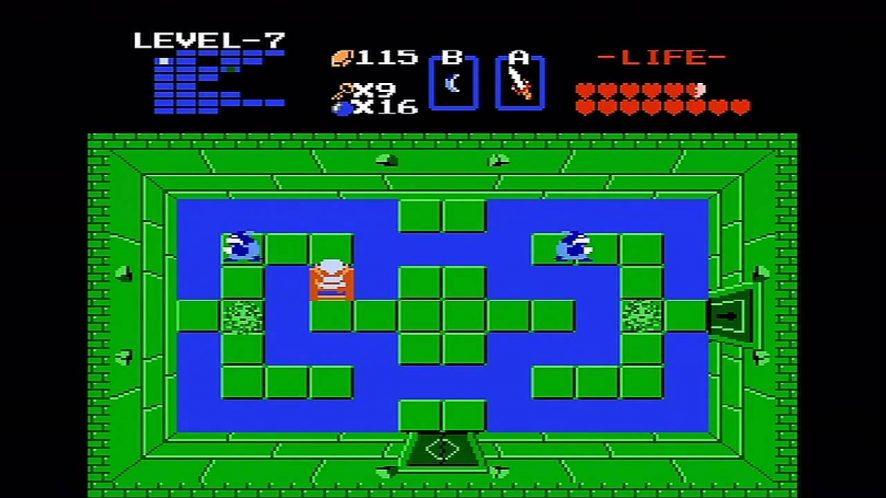
Only by stringing such small goals together can Link then reach his major goals, meaning every Zelda game can essentially be broken down into a series of minor tasks. Each task you complete will usually open up the next task.
Sure, some games are more linear than others. Some will force you down one path, while others will give you quite a bit of freedom to follow such tasks in any particular order. Regardless, and this is not just true of Zelda but of most video games, every time you finish a task, another one is there to occupy you and help you reach the ultimate goal.
The first time I played through The Legend of Zelda: The Wind Waker, that structure stood out to me. I was a freshman in college, with the wide expanse of free time that being a student provides (what else was I going to do, study? Ha), and I beat the campaign in little less than a week.
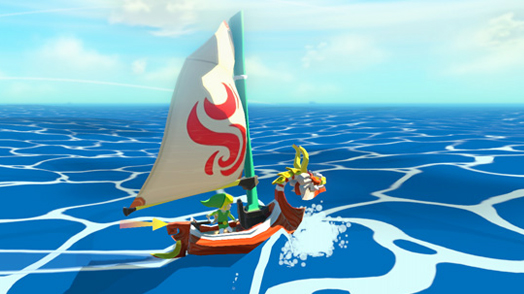
It wasn’t that I meant to speed through the game. But I had a hard time putting it down. And it all came down to the illusionary concept of “one more thing.”
In the popular police procedural television show “Columbo,” the titular protagonist would question suspects regarding the crime of the week and, seemingly satisfied for the time being, would begin to leave. Then, right at the door, he would suddenly turn around, his battered coat swirling around him, and say, “Just one more thing…”
From there, he would usually deliver a stinging question that would change the entire direction of the conversation, often leading to new revelations about the crime.
As a procedural, with the formula that implies, this scene was a recurring one in every episode: Columbo’s “one more thing” is one of the most memorable things about him in the broader pop culture niche he occupies.
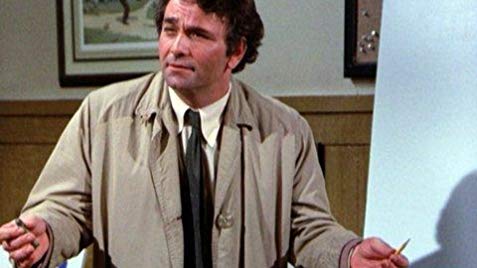
I had this problem with The Wind Waker. At night, every time I was about to achieve something, I would tell myself, “After I finish this task, I’ll turn the game off and go to bed.” But as soon as I was done, I would realize that my accomplishment now allowed me to achieve something new and previously inaccessible. It will only take a few minutes, I would reason. It’s “just one more thing.”
And off I’d go, sailing across the Great Sea to achieve this one last, minor task between me and my repose.
I would succeed. The latest mini-quest was done. Bedtime loomed. But, lo, what was this? Another new task available. It won’t take long, surely. It’s just one more thing.
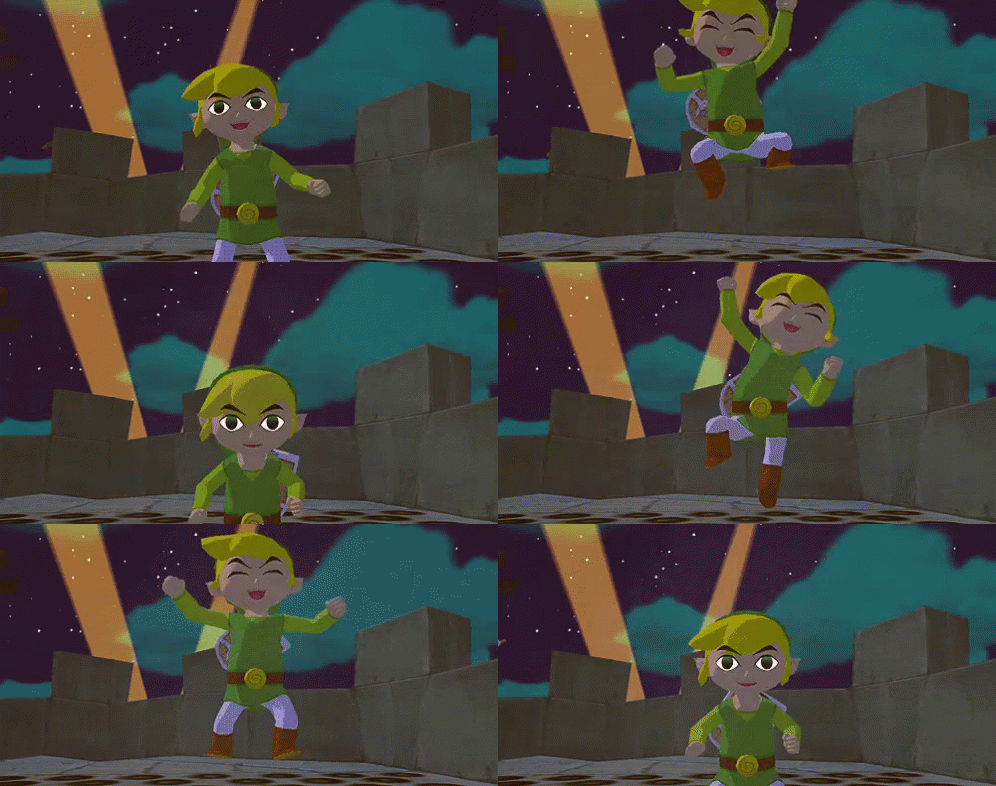
You can see the pattern. I would string these minor accomplishments together into an endless pattern of “one more things” until I finally would force myself to stop at about 3 a.m. because I still went to class every now and then.
This is how, a week after I’d bought it, I finished the game one afternoon in a friend’s dorm room, after two or three consecutive nights staying up to near dawn stringing together “one more thing”, one after another after another.
The Wind Waker, of course, is a shorter Zelda game than some, and its structure of small islands with distinct tasks achievable on such lends itself well to the ‘just one more’ approach. But every Zelda game grabs me in a similar way, each and every time. I’m always turning around at the door and saying, “Just one more thing…”
Maybe I should buy a trench coat…