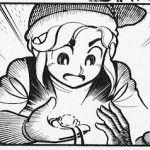
There have been a number of non-canonical entries in Zelda media over the years. These are products that, while they may sport “The Legend of Zelda” brand, don’t have a place in the official timeline. These include the infamous CD-i games, the hack-and-slash spin-off Hyrule Warriors, the 1989 animated series, and of course, Akira Himekawa’s excellent manga series.
While the manga may not exist within the Zelda canon, it did in fact still manage to contribute to it indirectly.
In an interview between Zelda series producer Eiji Aonuma and the Zelda manga writing duo Akira Himekawa (translated by Zelda Dungeon), Aonuma recalls the writing process for The Wind Waker. “When we chose to situate the action in the middle of the ocean, we immediately felt the need to create a race that can move through the air. During long trips offshore, we needed faster characters capable of transmitting information to Link.

“It was at that moment that I remembered Watatara [sic] clan, you had invented for the adaptation of ‘Ocarina of Time.’ In short, I digress a bit about the initials but we are inspired by your work to give birth to Rito Race [sic], creatures that are half-man half-bird that can move very quickly with their wings.”
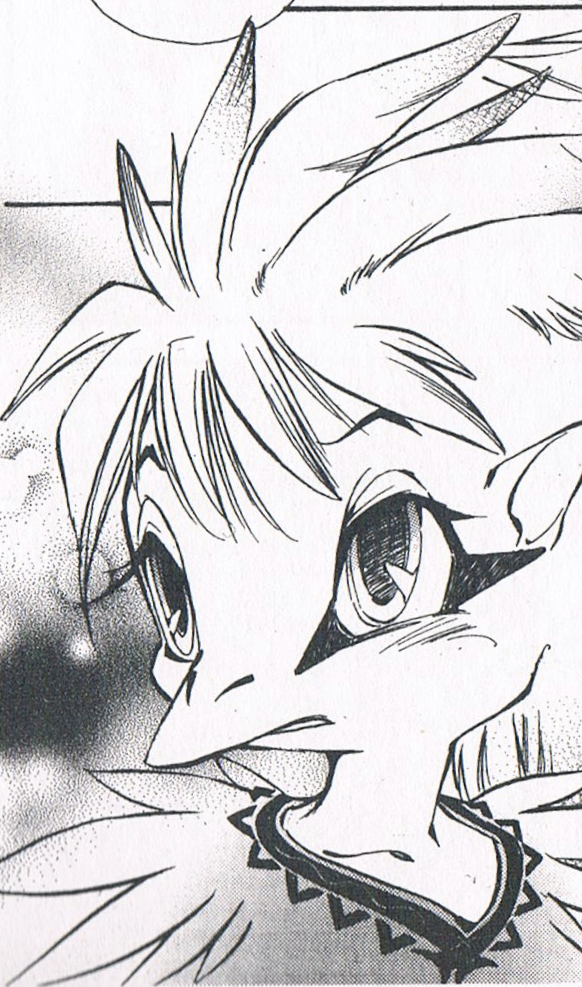
The Watarara appeared in a bonus story at the end of part two of Himekawa’s Ocarina of Time adaptation, titled “Rouru of the Watarara”. They are a migratory race that grow wings from their arms as they mature, riding the seasonal winds to Hyrule once a year.
Parallels between both races are definitely apparent, especially when comparing Komali from The Wind Waker and Rouru from the manga. Both characters are young princes, heirs to their respective tribes, and have not yet developed wings due to their age.

Having made a grand return in the recent Breath of the Wild, the Rito can now be considered a recurring race in the Zelda series, so it’s very cool to see that the manga made an impact on the mainline games in this way. It’s also very gratifying to see that Aonuma follows the work of his fellow Zelda creators, and is open to letting their influence enhance his own vision.
Credit for the images goes to Zelda Wiki.