The necessity and annoyances of companions in Zelda games
 by Samantha Cubbison on March 29, 2021
In the Zelda series, Link is a silent protagonist that takes on immense challenges, all alone. He has no party to aid him in his ultimate quest. Long stretches of these games involve traveling through diverse landscapes to epic, and sometimes somber, music. In games like Breath of the Wild, he can travel for 20 minutes without encountering another character. And when he does, our hero hardly emits more than a grunt. This atmosphere is something unique to the series, and most Zelda fans relish it. However, although Link must be the one to save the day, a companion often tags along for the ride (despite not everyone appreciating their company).
In Breath of the Wild especially, having a companion yelling at you while you’re gazing from the Great Plateau or paragliding from the highest peak you can find would be a major mood killer. But when done right, a companion can motivate the plot, provide emotional support, and make learning game mechanics smoother and more immersive.

Companions in the Zelda Series
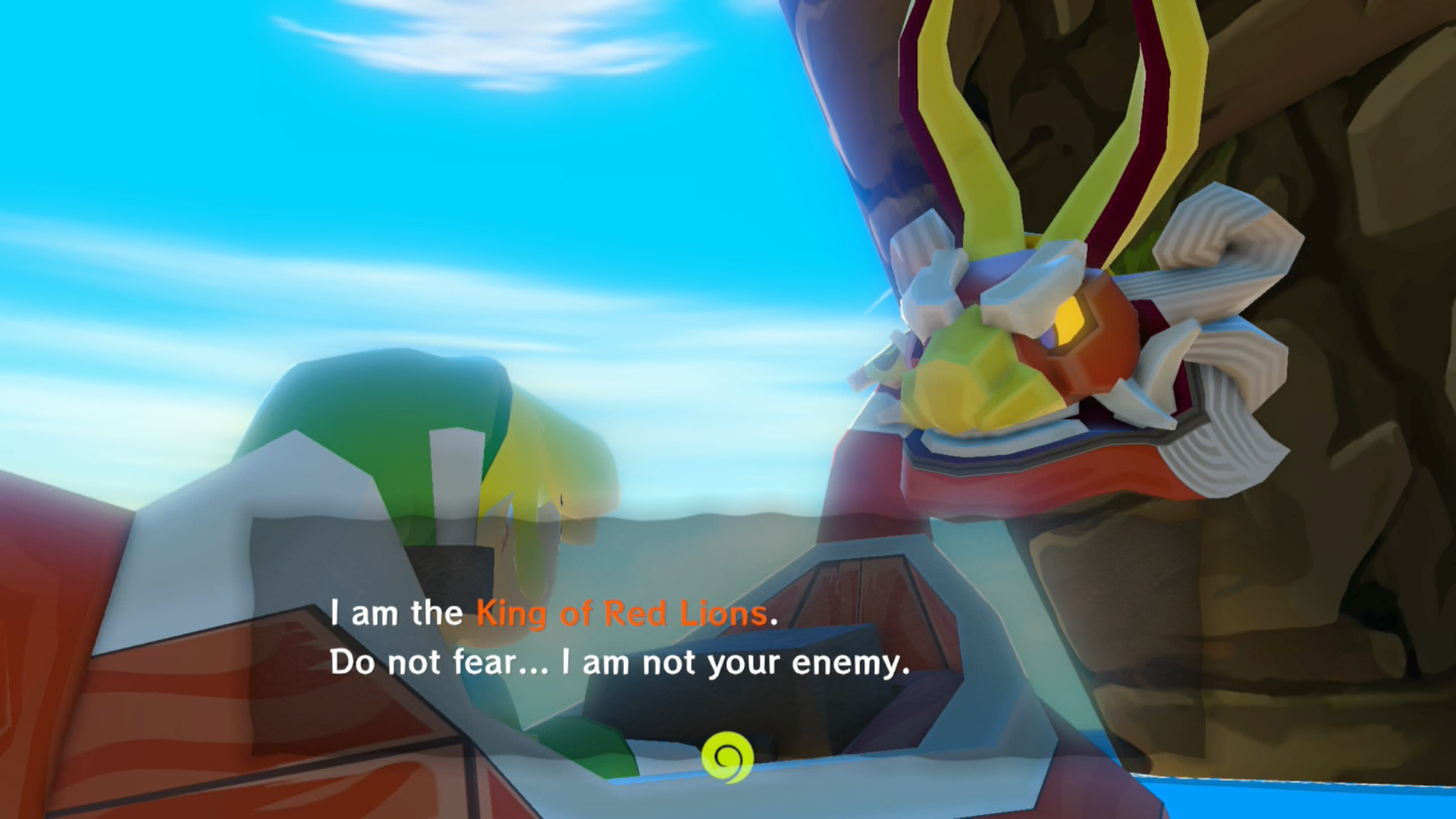
A few examples of traveling companions in the Zelda series are Navi from Ocarina of Time, Midna from Twilight Princess, and Fi from Skyward Sword. Nintendo took the feedback regarding Navi’s incessant “Hey, Listen!” and made the latter two companions a little quieter — with them only appearing when Link prompts them or during cutscenes. But all three act as targeting systems and give Link advice on what to do or where to go next. Other companions such as the King of Red Lions from The Wind Waker and Linebeck from Phantom Hourglass stay behind while Link traverses dungeons, but they still provide guidance while traveling.
The Downside of Companions
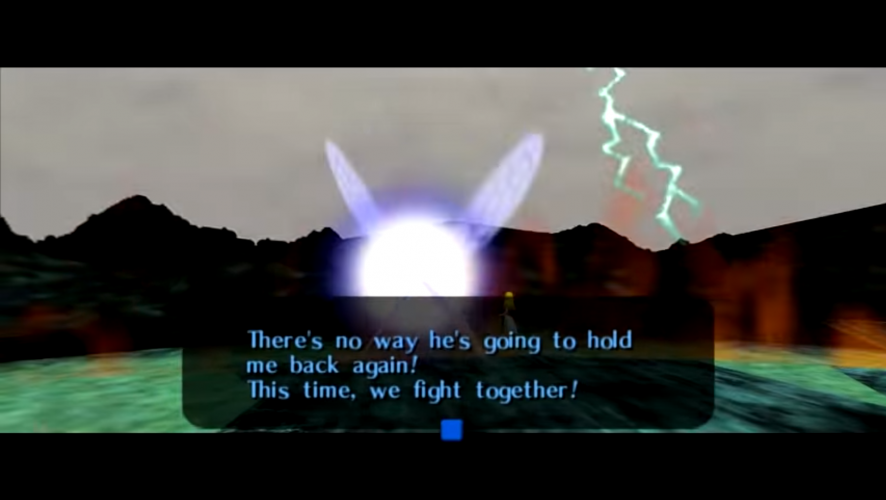
As mentioned, Navi is a great example of what not to do when introducing a companion. She always had something to say, even the minutiae or obvious. And if you tried dismissing her, she often wouldn’t relent. Her fairy successor, Tatl of Majora’s Mask, was much more tolerable thanks to a more vivacious personality and non-verbal cues. However, she provided less useful information than Navi.
In Skyward Sword, Fi’s robotic personality, albeit intentional, was off-putting in contrast to the vibrant, new world that Link was exploring. She also had very little to contribute to combat strategy and the overarching story. This resulted in the character being more of a knowledge bank than a companion.
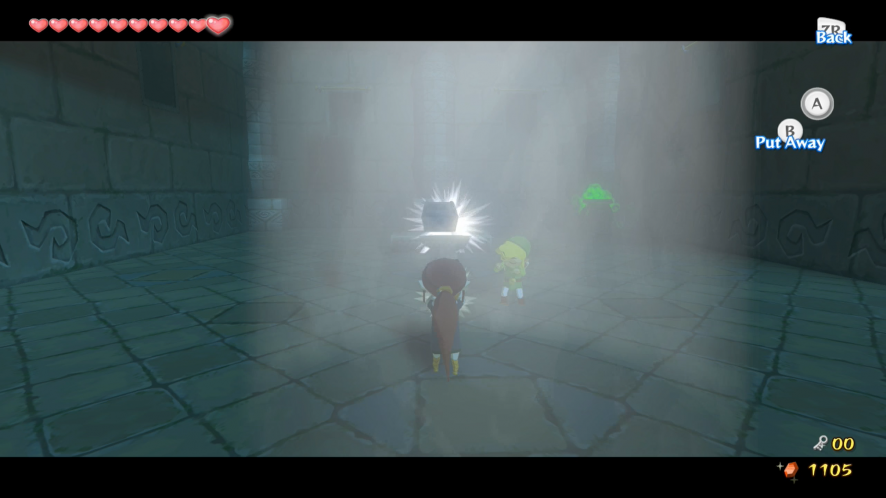
In the Wind and Earth Temples of The Wind Waker, Link had temporary companions that he needed to protect and use to solve puzzles. Controlling Makar and Medli respectively gave you some unique abilities and encouraged creative thinking, but switching between characters could be tedious, and some of the puzzle-solving sequences were clunky. That said, these mechanics were not too bad for a game released in 2002. Our companions followed Link faithfully, and rarely did they glitch out or get stuck somewhere that was impossible to reach.
Finding the Right Balance
When done well, a companion is a great plot device. But when used solely as a replacement for a tutorial or targeting system, they can be more of an annoyance.
Companions can help a game feel more immersive without tutorials that drag you away from whatever you’re doing. It is often Link’s companion who uses the immediate environment to teach you something. It can be comforting to have someone to call when you’re stuck or want to learn a bit more about something of interest, and being able to pinpoint what you need help with is a great way to avoid an info dump when exploring a new area. They also provide useful information without having to pause the game. Fi will let you know when you’re running low on hearts or if your shield is about to break, and if you Z-target an enemy with Navi, she might give you some combat pointers.
Aside from teaching you things, companions can serve a more important purpose: plot development. But only when done right. In both of the previously mentioned Skyward Sword and Ocarina of Time, Link’s companions do not have any personal relationship with the overarching story — they are simply there to aid him in his quest. And as a non-speaking protagonist, having a companion with personality and depth is crucial. Otherwise, we don’t really know what’s going on in Link’s head. The prying nature of Midna from Twilight Princess allows us to see many sides of Link — from frustrated and solemn to silly and sweet. Midna brings out the best and worst of his character, which is necessary for us to form an attachment to his story.
Midna — One of the Best
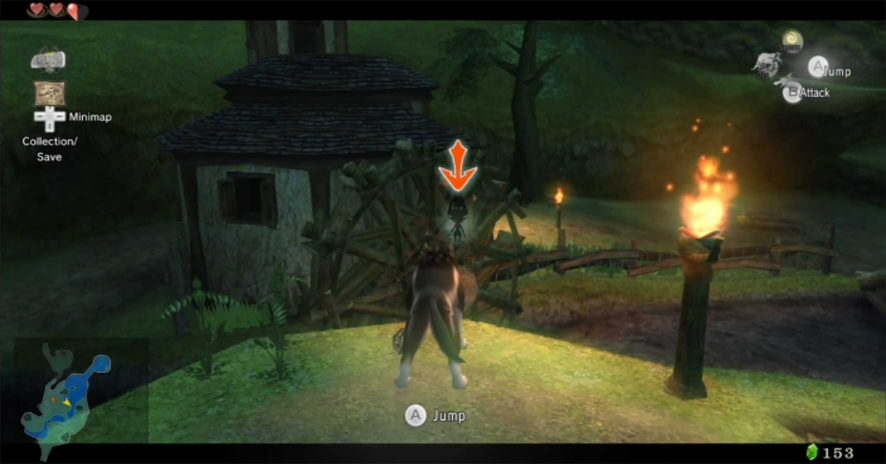
One of the best examples of a companion done right is Midna. On the technical side, she is able to guide Wolf Link through platforming sections and Z-target multiple enemies, which is useful and adds some variety to the gameplay. And her ability to use Twilight Portals saves tons of travel time. She is even able to remind you where you are supposed to go next if you get sidetracked.
When it comes to plot development, she is deeply involved. When Link meets Princess Zelda for the first time, Midna already has a complex relationship with her. She also has a complex relationship with Link, and is one of the only companions that treats Link like a dog (literally), rather than the series’ hero. This is because the partnership is born out of necessity, not choice. But as the story progresses, we see her soften and open up more. Fi also experiences some character development, but not to the same degree. She has no backstory, and her sole purpose is to help Link defeat Demise. Once that’s done, she returns to the Master Sword, assumedly forever. Midna, on the other hand, leaves Link to govern her people and continue living her life. Her sole purpose was not to help Link but to free her people from Zant’s grasp. It’s only a coincidence that their quests overlapped.
There When You Need Them
Regardless of how you feel about them, companions are there when you need them. They guide you through an unfamiliar world and provide useful — albeit sometimes obvious — advice. Each game’s companion has a unique ability or skill that introduces a new way to play. They share the same highs and lows of your journey and have the potential to motivate the plot and flesh out Link’s character. Not to mention that it can be dangerous to go alone! So why not take a buddy?