“Time passes, people move … Like a river’s flow, it never ends.”
Sheik’s wise statement about time is aptly fitting for the constant changes and technological developments of the gaming industry. Game mechanics are an essential toolkit in a successful Legend of Zelda game, as they offer the franchise the ability to adapt to a bold new future.
At its core, the Zelda franchise is all about imagination, adventure, and childlike wonder. It’s that feeling you get when you’re 12 and hunting for treasure in the vast country of your grandparents’ backyard. Thus, any innovations in gameplay for a new Zelda title must reflect the same to achieve a successful experience for the player. Gameplay mechanics for Zelda are not always about the next shiny object in the industry. New mechanics must first make sense in their interaction with the land of Hyrule. They will also need to be intuitive and seamless to handle, not clunky or an awkward afterthought. This is important because they must win the attention of an immersive family-friendly audience with diverse gaming skills.
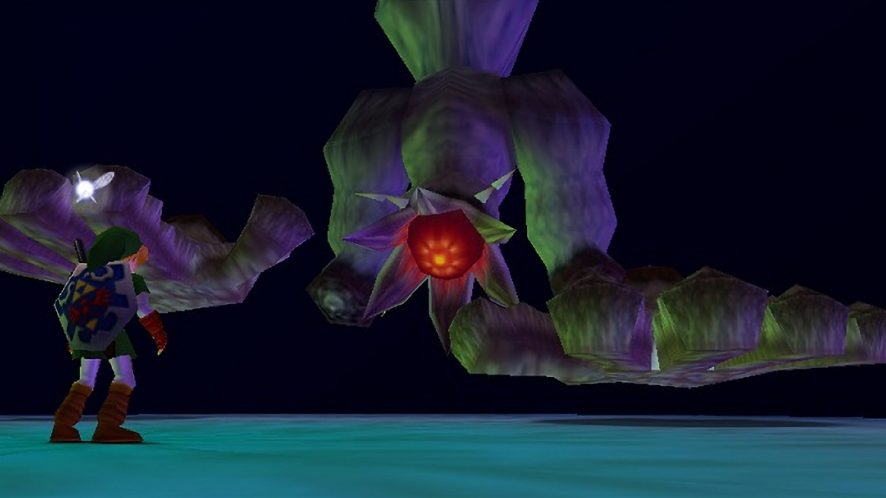
Time and time again, Zelda game mechanics have made history and inspired other developers with their own innovations. A classic example is the groundbreaking Z-targeting system introduced in Ocarina of Time. For the first time ever, players could transition their focus on enemies and points of interest without interrupting their train of thought. This was huge in the new 3D world environment of the Nintendo 64 console. No more bungling around with camera buttons to see where you were going. The brilliant Z-targeting system kept the player’s line of sight steady as he or she made progress in the game, making the experience feel much more natural. Though called different names over the years, Z-targeting continues to be a staple mechanic in Zelda titles today, along with its variations in other games.
Daring to Dive into the Future
All right, I’m going to put it out there. I’m not usually someone who likes to speculate about the future, especially when it comes to Zelda. To me, making Zelda predictions is like placing large bets on a Belmont Stakes horse race or the Las Vegas casino slots. There are so many variables that can happen in this creative and trendsetting franchise, especially after what we have seen in Breath of the Wildand its upcoming sequel. Who knows what sort of things we are about to dive into here.
Perhaps that sense of risk taking is the very reason for the fun of it.
Predictions are risky, yes, but then there’s imagination. And imagining, to me, is something different altogether — and a lot more fun. If we were to imagine the future of Zelda, what new ways could we navigate, interact, and do combat in our beloved Hyrule? What sort of technology would open these doors? Oh, the possibilities!
That said, here is what I would like to see in the future of Zelda gameplay.
A Refined Weapon System
The Legend of Zelda’scombat system has grown with stature in the past 35 years, and with that came the breakable weapon system introduced in Breath of the Wild. This is not the first concept of breakable weapons, of course. Other games such as Dark Cloud, Fire Emblem, and World of Warcraft have their own refined weapon durability systems. Even Zelda had experimented with weapon durability before; Skyward Sword had its own breakable shield system that will likely carry over into its upcoming HD version.
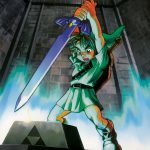
Breath of the Wild was the first Zelda where all weapons became breakable, and while the concept was bold, there are improvements left to be desired. I’m not opposed to the idea of weapon durability itself, but it would be nice for them to last longer and for all of them to be repairable, not just legendary items. Speaking of legendary, I’m hoping that the Master Sword will be unbreakable this time around. If it’s going to break, it better be for a good reason (TheWind Waker handled the concept beautifully.)
More Immersible Environments
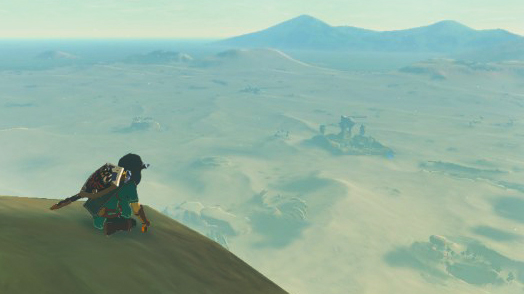
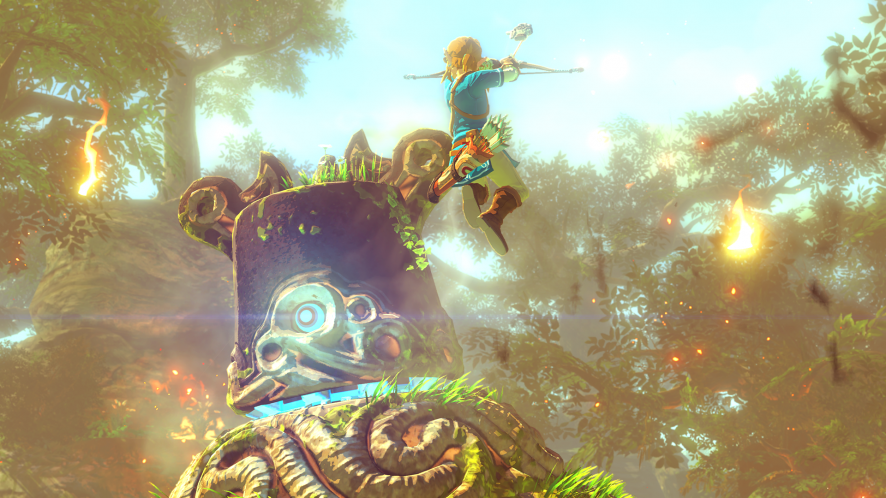
One of the best things Breath of the Wild brought to the table was its gorgeous open-world environment and innovative physics system. The expansive Hyrule we imagined in our minds was finally brought to light! Even though the post-apocalyptic setting was a shadow of its former glory, Zelda fans could explore expansive forests, mountain ranges, villages, deserts, and more with the power of a new geographic mapping system. This was made possible with the bold undertakings of Nintendo and Monolift Soft and the largest development team assembled in Zelda’s history. Making new places to visit and interact with while telling Hyrule’s story is hard work, and ROM space has always been a challenge for Nintendo’s R&D department. Now that more sophisticated technology is catching up with our imaginations, it will be exciting to see Hyrule’s full potential turned loose in future titles.
Breath of the Wild wisely incorporated survival elements into the expansive Hyrule without adding drudgery to the gameplay. New concepts were blended with familiar mechanics to always keep you guessing. Players had to think about how to prepare Link for the elements of heat, cold, and other harsh weather conditions as they progressed their adventures and accomplished goals at their own pace. There was little hand-holding to be offered, but outcomes were rewarding with plenty of excitement and laughs along the way. Learning and progression were natural in this new world. A cooking system was essential for health, not survival — the perfect combination for a fair challenge. Dangerous encounters with Guardians and behemoths added drama to the fun (well, for most at least.)
As we wade through a transition toBreath of the Wild’s sequel, I can’t help but wonder what gameplay mechanics await us in this brave, new Hyrule. Will Link and Zelda have a new vehicle that can traverse underground? Are there new ways for Link to unearth treasures? Will our hero have to fend off new hardships that pertain to more complex environments, such as infection, a curse, or worse — enemy capture? Who knows. Whatever it may be, the mechanic will have to deliver a masterful blend of challenge and trial while still keeping things fun. And for a game claiming to be a darker title, that interpretation could make things very interesting.
Bigger, Badder Dungeons
This goes to the next possibility of mine, one that I am looking forward to. New gameplay sophistications certainly give rise to the case for more sophisticated dungeon puzzles, an area that Breath of the Wild woefully lacked in. Granted, Nintendo tried something new with the Divine Beasts and Shrines, and I applaud them for it. But nothing matches the satisfaction of coming out triumphant from a deep dark dungeon. Isn’t that what being a hero is about?
Great dungeon experiences do not need to be ridiculously long or be rage-quit material. Rather, they are an opportunity to problem-solve with a hearty seasoning of combat and theatrics. Thus, dungeons are the “meat and potatoes” in a well-balanced Zelda diet. As AI and machine learning capabilities are advancing, who knows how these new tools could innovate Zelda combat systems and boss fights. If these mechanics remain believable in the Hyrulean environment, the sky is literally the limit for this possibility.
Creative Co-op Systems
No, I’m not talking about making Princess Zelda the star of the show. Though I enjoy my share of a playable Zelda, I still want Link to be my protagonist for the adventure. What I’m talking about here is the technological possibilities of a two-player adventure mode. We’ve seen smatterings of this capability before in TheWind Waker and Oracle of Seasons, and we’ve experienced it in crossovers like Hyrule Warriors and Cadence of Hyrule. The possibility brushed very close in Twilight Princess, but not quite. I would love it if Nintendo could figure out a way to bring a two-player adventure to life in the main Zelda storyline. Even an intelligent NPC co-op would be exciting. The challenge would be to make the mechanics flexible enough for a single-player experience as needed.
Many More Possibilities
When it comes to possibilities for the future of Zelda mechanics, I have only scratched the surface. I haven’t yet mentioned the potentials it may have on a mobile platform, or the possibilities of dialogue mechanics. As for cloud computing, it seems that Nintendo is considering it, though its potential is unlikely for Zelda. Whatever the future may hold, it is an exciting time to be a Zelda fan. Considering Sheik’s words, let’s grab our rafts and Korok Leaves and head into the water. An epic journey awaits us on this river of time.
Chelsea Reed
I’m a ZU writer and author of an up-and-coming sci-fi fantasy novel. All credit of my nerd prowess goes to a dear friend of mine, the true master of Forsaken Fortress.


 by Chelsea Reed on March 15, 2021