Growing up in the early 2000s, I was fortunate enough to discover The Legend of Zelda at a time when the series had already begun to find its footing. Though I was too young to play Ocarina of Time or Super Mario 64 on my own, I remember intently observing as my uncle journeyed through Hyrule and the Mushroom Kingdom, my eyes glued to the screen. It wasn’t until The Wind Waker’s release in 2002 that I truly experienced The Legend of Zelda for myself.
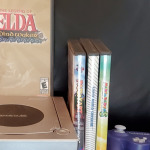
One of my fondest childhood memories is when The Wind Waker came out in December 2002 (Spring 2003 internationally). Sitting in the backseat of my uncle’s golden Jeep Wrangler, I had the GamecCube and Wavebirds safely stowed in the backpack beside me. We were on our way to my grandpa’s house. At one point during the drive, he feigned that he had forgotten the game! My six-year old heart shattered for a moment, until he slyly pulled the shiny gold case out of the Future Shop gift bag on the front passenger chair. Something about the artwork for The Wind Waker had captivated me that day.
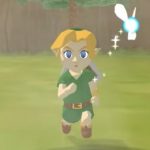
Despite a long-winded introduction, The Wind Waker delivers in multiple facets, from its combat, to the music (who can forget the Dragon Roost Island theme?), the art style, and the unique cast of characters. But what resonates most for me is the narrative. This is because from the start of the story, you are immersed in a relatable experience — being awoken from sleep by a tenacious younger sibling. She explains to Link that their grandmother has a gift for his coming-of-age. To get there, you jump from the wooden lookout tower, either plunging into the sea or dashing across the beach while being chased by the ever-drippy “booger kid.” Soon after, you’re greeted by a woman balancing a pot on her head and a frantic man chasing a runaway pig. Finally, you arrive at your grandmother’s house and she gives you the quintessential green tunic.
While other Zelda games place emphasis on narrative, The Wind Waker’s main quest really hits home the idea of protecting those who matter. Although other versions of Link save Princess Zelda, in this case it is different because you had to save somebody you have already forged a strong bond with, someone you desperately don’t want to see hurt. And this is exactly what happens to Link’s younger sister, Aryll.
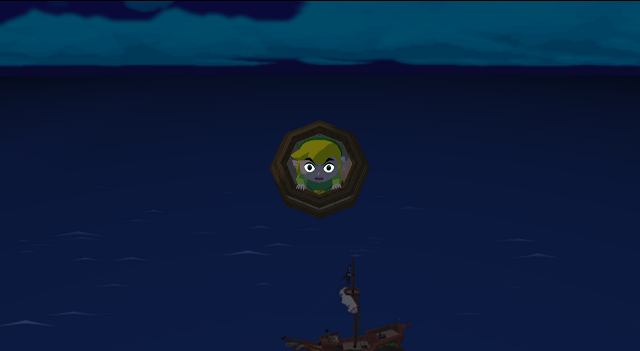
After being kidnapped, Link literally dives headfirst into danger to rescue her. He is launched from a cannon into the Forsaken Fortress, loses his sword in the process, and must infiltrate Ganondorf’s lair using only a barrel for protection. It is silly and charming, for sure, but the stakes are deeply personal. This isn’t just a princess who needs someone to save her, this is your younger sister who will undoubtedly perish without your help.
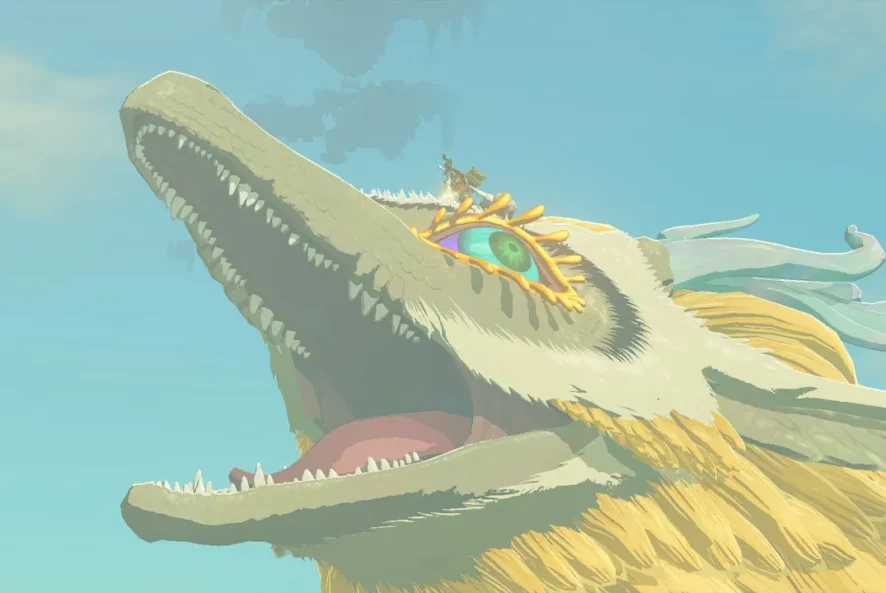
The Light Dragon in Tears of the Kingdom
Contrast this with Tears of the Kingdom, where Zelda vanishes into an ominous void. Despite the grandeur of the quest, I found myself emotionally detached. I didn’t feel the same urgency to save her, mostly since the story never gave me a reason to care deeply about her fate — this is in spite of the “tears” which give you a glimpse into her life. I was at least eventually moved by the turmoil Zelda had to go through, especially when she ingests the tear to become the Light Dragon, fulfilling her destiny to reincarnate the Master Sword.
There is just something about The Wind Waker that has remained steadfast in my mind — from the beginning of the game, someone from your family has been taken and it is up to you to bring them back home. Tears of the Kingdom did have its strong moments, but on the whole, my emotional investment in the story was simply not as prevalent.
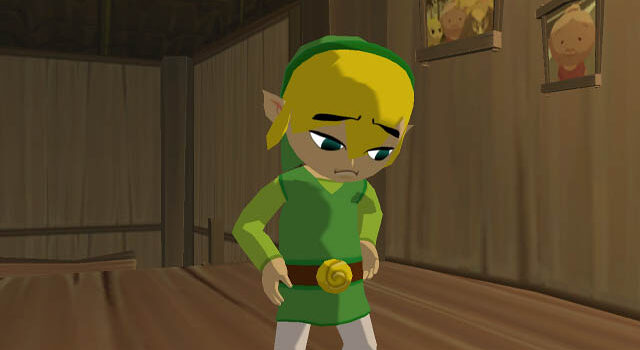
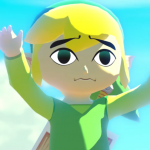
Subtle nuances in game mechanics of The Wind Waker interact also make the game memorable. For instance, Link’s expressive face, whether he’s rolling his eyes in exasperation or gritting his teeth in fear, adds layers of emotions which allow the player to understand what he is going through. To me, this means it is easier to relate to his experience and share the journey together. Another notable feature to The Wind Waker are the combat sequences. When Link hits an enemy with his sword, each consecutive hit builds into a crashing crescendo where the enemy explodes into a purple plume of smoke. If it is a more challenging enemy, the player is rewarded with a circular sphere of energy that makes a satisfying sound when it is shattered.
Throughout the game, you are rewarded with whimsical, almost silly moments of cheer after intense, chaotic battle sequences. Lastly, even the NPCs breathe life into the world: the auction master scolding Link for breaking a pot, or villagers reacting to his antics, make the game feel like a lived-in place. These small touches elevate the experience, making it feel truly immersive.
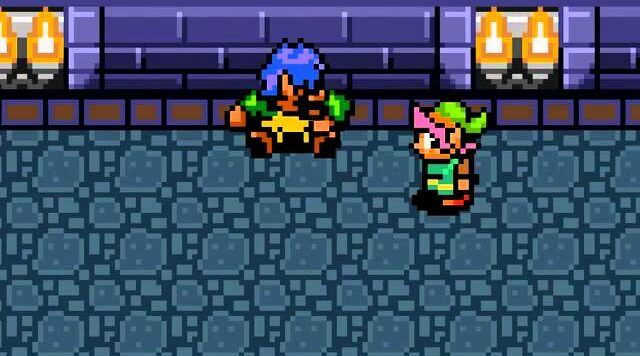
Link finds his grievously wounded uncle beneath Hyrule Castle.
This is not to say I did not enjoy other entries in The Legend Zelda series. Twilight Princess was captivating from the moment it begins, where Link is transformed into a wolf and the player must navigate a world where the “hero” is represented by a creature NPC’s are terrified of. A Link to the Past’s storyline has Link follow in his uncle’s footsteps, someone who nearly met his fate in the depths of Hyrule castle. I also related to Link in Ocarina of Time, recovering the three Spiritual Stones to retrieve the Master Sword from the Temple of Time. These games, as well as many of the other titles, have left an impression on me and I often replay them. However, The Wind Waker has a special place in my heart.
The Legend of Zelda has continued to evolve. The newer games are undoubtedly impressive in scale and design but for me, they lack the emotional core that made The Wind Waker unforgettable. What set that game apart was the grounding in family, the clear emotional stakes, and the sense of belonging in a world that felt both magical and meaningful. I long for a future Zelda title that recaptures that humanity. I want to play a game where I’m not just playing as Link, but truly journeying with him, for someone I care about.
Ultimately, The Wind Waker is more than just a nostalgic favorite. It’s a testament to the power of storytelling in games — a reminder that even in fantastical worlds, it’s the deeply human moments that leave the most lasting impression.
Dominic Bingham
Dominic Bingham is a Features writer for Zelda Universe. By day, he is an educator; outside the classroom, he pursues creative work in illustration, music, and cooking, and is currently developing an original children’s book.


 by Dominic Bingham on July 21, 2025