Reluctant companionship in The Legend of Zelda
 by Caitlin Stratford on October 29, 2025
When the fate of Hyrule hangs in the balance, nothing is more valuable than good allies.
‘Good’ can mean many things: Powerful, resourceful, reliable. It doesn’t always mean enthusiastic. While some of Link’s companions join the fight simply because it is the right thing to do, others have…varying priorities. Though thrown together by circumstance, these relationships sometimes can and do grow to become some of the best in the games, strange fondness and all.
The Change of Heart
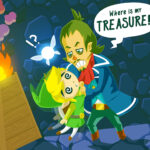
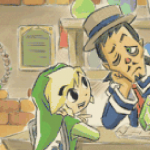
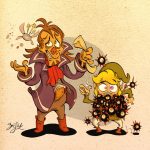
None embody the role of the reluctant companion better than Linebeck. For most of Phantom Hourglass, he allows Link use of his boat only to serve his own interests. Well, to be literal, he has just one interest: treasure.
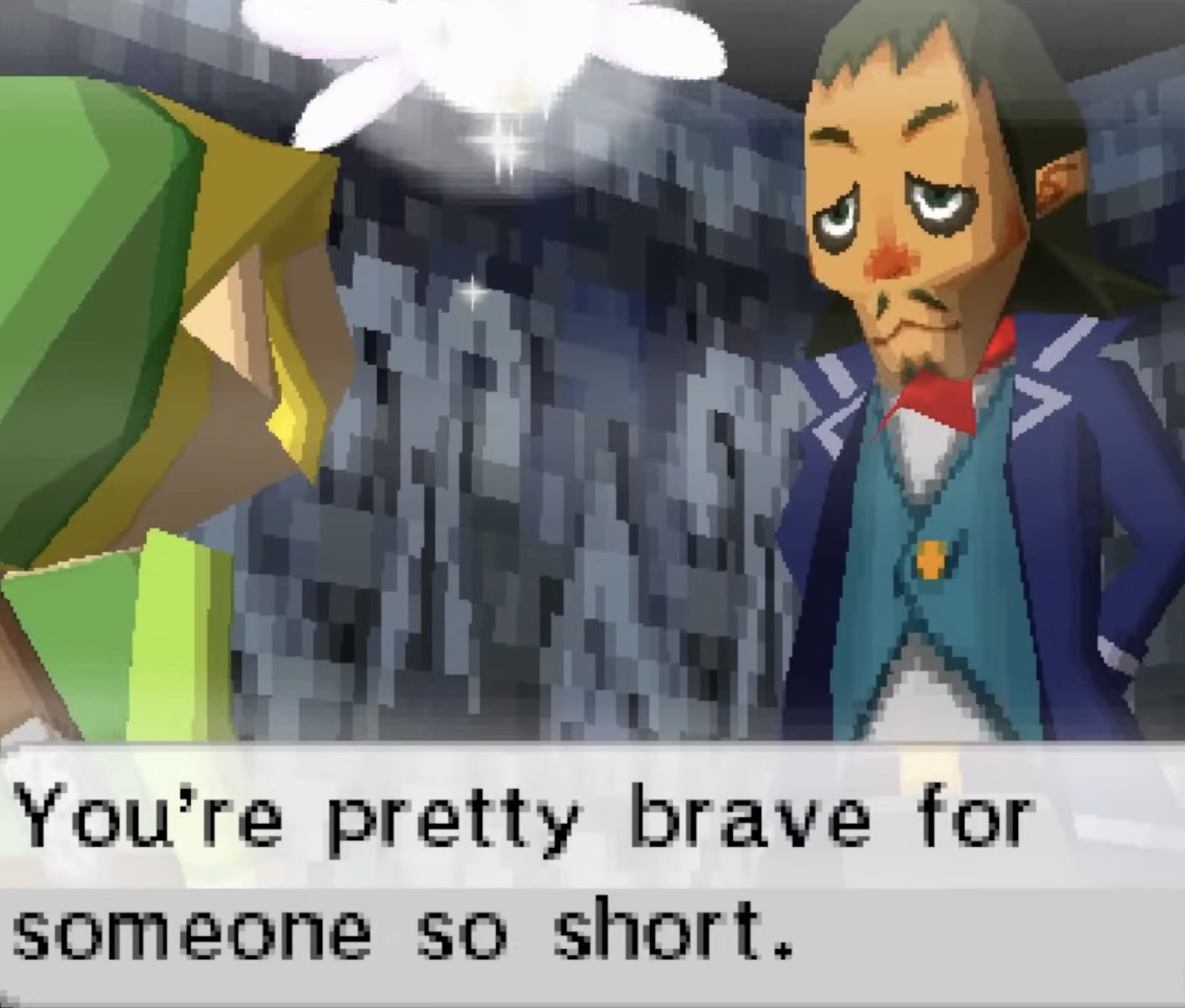
Linebeck is somehow both supercilious and cowardly. Yet, in spite of those traits, he and Link team up to pursue the Ghost Ship. Link, to rescue his friend, and Linebeck in pursuit of the sweet promise of riches. Only, when he finds out those riches are a myth, he doesn’t hesitate to revoke Link’s use of his ship, since there’s now nothing in it for him. Fortunately, their parting of ways is remarkably brief once Linebeck is given something else to sate his greed: a wish, granted only if he helps Link.
As the game continues, it’s difficult not to become fond of Linebeck. For all his flaws, he’s no actual villain, and even makes some real character development by the end without losing his charm.
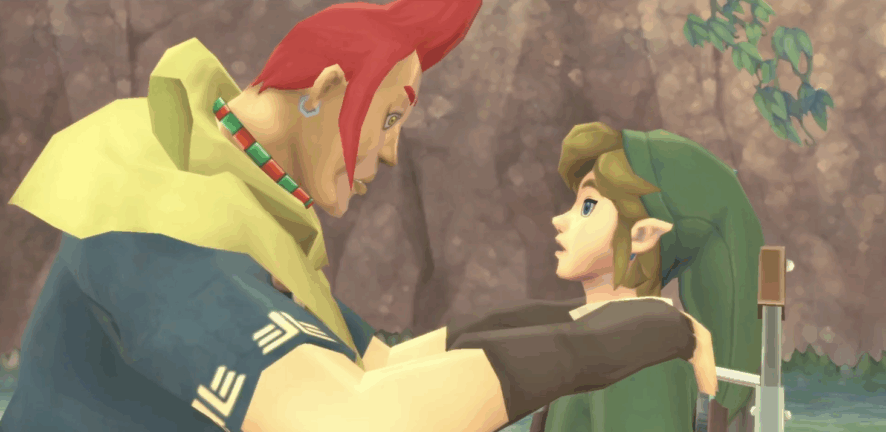
Four years later, the release of Skyward Sword brought with it another character rich with redemption arc potential: Groose. Likeability is subjective, but Groose, while popular with players, took a little longer to develop his own charm. He actively creates problems for Link, such as kidnapping his Loftwing, and bullies those around him. For most of the game, Groose isn’t a companion at all. It’s only when he forcefully follows Link to the Surface and has an encounter with The Imprisoned that he resolves to find a way to be of use.
Like Linebeck, Groose’s redemption comes to a head with him standing up to his respective game’s villain. It’s an act of selflessness and bravery, qualities they both lacked to start with, but gained along the way. They also both learn to let go of the things they once coveted above all else: Linebeck doesn’t use his wish to make himself rich, but to have his beloved ship repaired, while Groose finally accepts that he is not the hero of the story, nor the one to whom Zelda’s heart belongs.
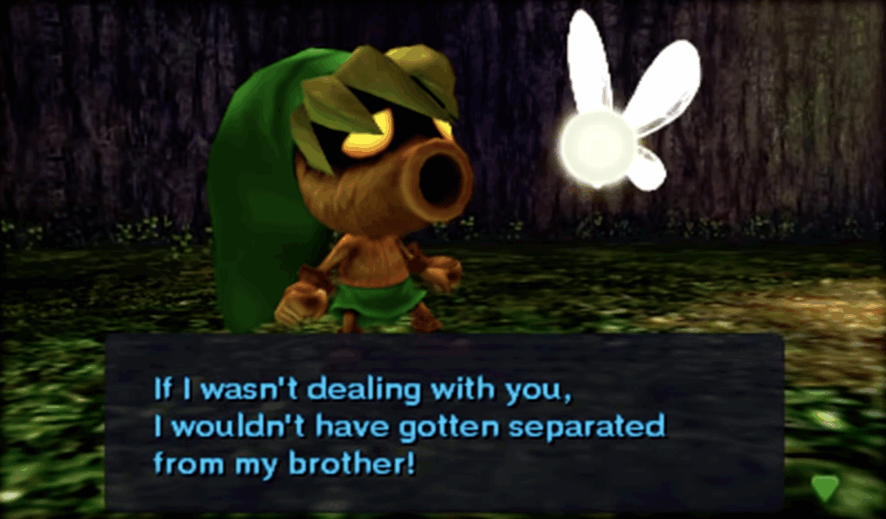
Before Linebeck and Groose, though, there was Tatl. As the fairy companion in Majora’s Mask, she’s initially a friend to the Skull Kid along with her brother, Tael. After the trio render Link unconscious and steal Epona at the beginning of the game, Tael and Skull Kid escape while Tatl flies at Link, preventing him from following. In the process, she becomes separated, and stuck with Link.
Tatl blames Link for her being left behind, despite it objectively not being his fault. Her worrying over her brother wins out, though, and she makes a deal with Link to lead him to where she thinks Skull Kid is heading, as long as he takes her with him so that she can be reunited with Tael. Over the course of the game, Tatl and Link’s allegiance is solidified, until the two go up against Majora together at the game’s climax. Though markedly different to her predecessor, Navi, Majora’s Mask’s story couldn’t have unfolded the way it did without her.
The Slow Burn
Reluctance in a companion doesn’t always stem from having differing goals. Sometimes, it just takes some time to warm up to each other.
In Breath of the Wild, Revali, the Rito Champion, is no immediate fan of Link’s. He is dedicated to the same goal, eradicating the threat of Calamity Ganon, but to the point that he believes he should have the role of the hero. From his diary entries, we learn that Revali is pleased to be asked to pilot Vah Medoh as one of the Champions, and sees himself as the obvious choice for such a role. However, once he discovers that the Divine Beasts are to serve as “little more than backup” while the swordsman, Link, faces Calamity Canon head on, he is irked. He is certain his abilities as a warrior outshine Link’s, and he fantasizes that, one day, others will come to realize the same and come begging for his help to defeat Ganon.
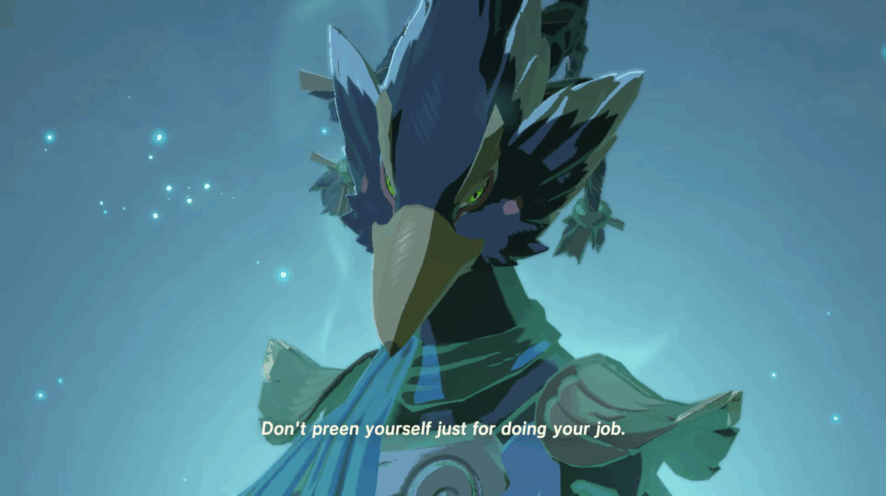
Once Link frees Vah Medoh, Revali is still far from singing Link’s praises, but bestows upon him Revali’s Gale, an ability that no other can master. After Link leaves, the Rito muses on the swordsman. He admits that Link achieved what he could not, coming dangerously close to praising the Hylian, before he credits the accomplishment to luck.
Though he never really resolves his reluctance, it isn’t because Revali is hesitating to serve the same cause as Link. He simply believes he should rank higher within it, that he should be the one to strike the blow that brings down Calamity Ganon. In the end, one hundred years after his demise, he can at last come to terms with his fate.
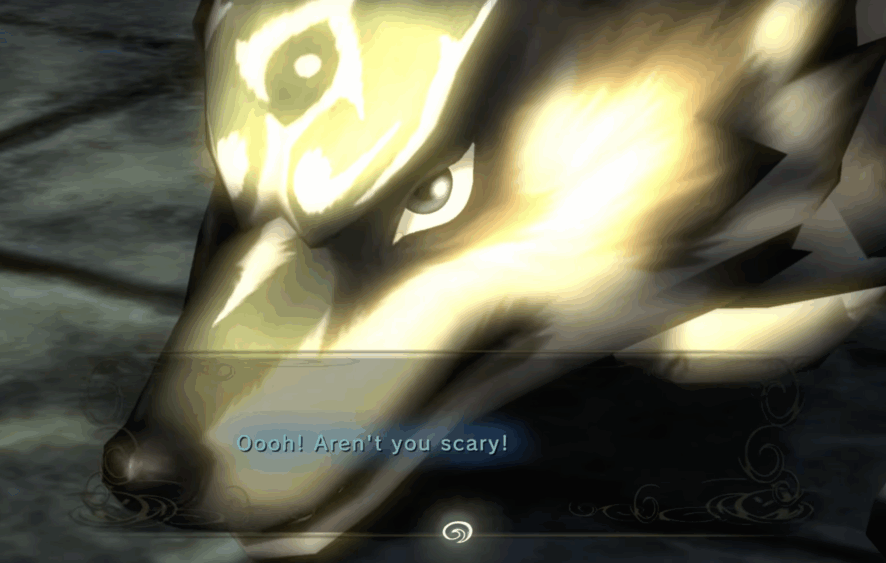
As for a full-on companion who accompanies Link throughout (almost) the entire game, we have Twilight Princess’ Midna. This time, Link is the one who takes a bit of time to warm up to his new ally once she finds him in his Castle Town cell. Given that Twilight has just fallen over his homeland and he has been transformed into a beast, it’s understandable that Link wouldn’t be in the most trusting mood. Midna, on the other hand, seems to quickly take a liking to Link, and trades her help for his own.
Midna is teasing and pokes fun at the Hylian often, however, she lacks malice and is even the one who reminds Link of his own goals, such as rescuing the Ordon Village children. Midna’s impish ways become charming, and she proves herself an indispensable ally and friend. Ultimately, they both seek to save their own worlds, but come to genuinely desire to restore peace to the other’s, too, entwining the fates of the Twilight Realm and the World of Light.
The Opinionated Ally
Just because two people want to see the kingdom saved, doesn’t mean they have to agree on every little thing.
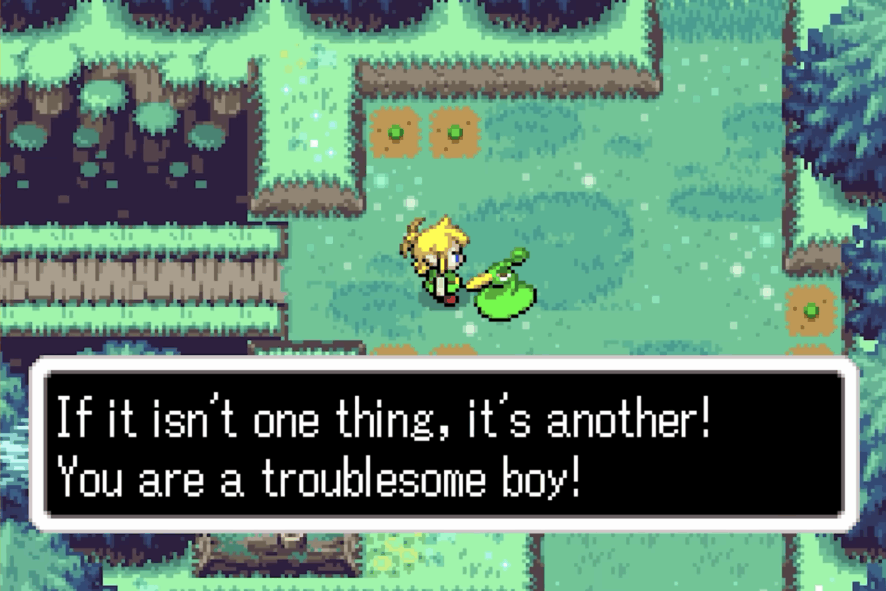
In The Minish Cap, Link’s whole-game companion is Ezlo, a Minish sage cursed by his own apprentice, Vaati, who has turned him into a hat. Ezlo invites himself on Link’s quest — and onto Link’s head — when the two have a serendipitous meeting in the Minish Woods. He’s the embodiment of a grumpy old man, even in his current form, and scolds Link as he sees fit. He grumbles when Link bothers him with too many questions, and is displeased whenever the hero loses his bearings or takes the scenic route rather than going directly to their next destination. Oh, and he thinks Link should be taller.
Still, Ezlo ends up showing genuine gratitude to Link for his help, and pulls his own weight as a companion. Between his naps, that is.
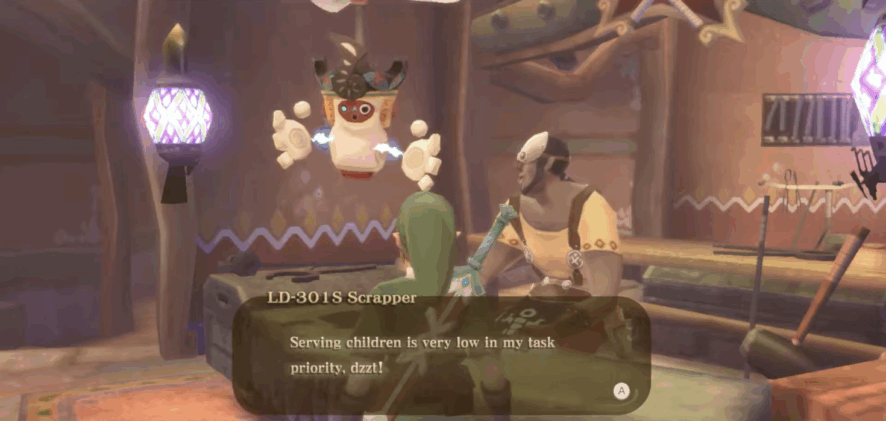
If we’re bringing up allies who have constructive criticism of our hero, though, Scrapper has quite the list. The ancient robot is broken when we first come across him in Skyloft Bazaar in Skyward Sword, but from the moment he’s repaired (with Link’s help, mind you), he has nothing but disdain for the knight in green. He does, however, develop an infatuation with Fi, and resolves to do anything she asks of him. Since Fi serves Link, Scrapper is a begrudging ally to the hero after all, despite his preference for referring to Link as ‘Master Shortpants’ and being generally displeased to see him.
The allies you find in The Legend of Zelda bring their own, unique approach to helping defeat evil. Not all of them rush to Link’s side purely out of the goodness of their heart. Some want to know what’s in it for them, or need a bit of time to develop their friendship, or simply have a lot to say about ways Link can self-improve.
When it comes to the companions that you’ll spend the entire game with, them having depth to their character makes the journey you take with them infinitely more interesting. With no room for development, a companion will very quickly grow stale and repetitive, until the player may actually start to resent their presence. Linebeck, for example, makes one of the best arcs in terms of character development, and it’s reflected in how beloved he is in the Zelda community, even after 18 years.
If the series ever makes a return to having a companion who accompanies you throughout the game, a room-for-improvement type is, in my opinion, much more compelling than someone who’s faultless. And if Link getting an earful now and then is the price to pay, I think it’s all part of the charm.